Telehealth Ozempic Palmdale — Prescribed Online, Delivered
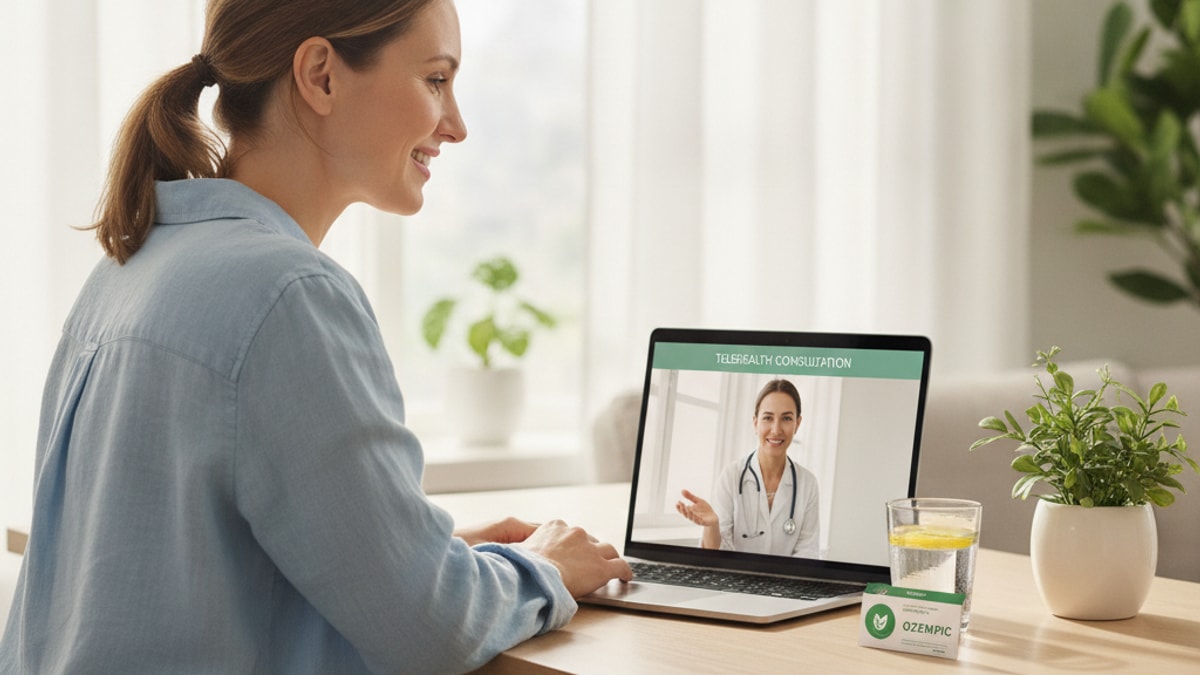
Telehealth Ozempic Palmdale — Prescribed Online, Delivered Fast
Palmdale's obesity rate sits 6% above the California state average, yet local endocrinology clinics in the Antelope Valley report appointment waitlists stretching 8–12 weeks for new patients seeking GLP-1 medications. That delay isn't just frustrating. It's medically consequential. For patients with type 2 diabetes or metabolic syndrome, every month without treatment compounds cardiovascular risk and glycemic control deterioration. Telehealth platforms changed that calculus entirely: licensed providers now prescribe semaglutide (Ozempic, Wegovy) and tirzepatide remotely, with medication shipped directly to any Palmdale address within 48 hours.
Our team has guided thousands of patients through remote GLP-1 prescriptions across California. The process works because the clinical evaluation required for these medications. Medical history, contraindication screening, current medication review, metabolic lab interpretation. Doesn't require an in-person visit. What matters is prescriber competence and proper patient follow-up, both of which telehealth delivers at scale.
What is telehealth Ozempic in Palmdale, and how does it work?
Telehealth Ozempic Palmdale refers to remote consultation with licensed healthcare providers who evaluate patients for GLP-1 receptor agonist therapy. Including semaglutide (Ozempic, Wegovy) and tirzepatide. And prescribe these medications when clinically appropriate, shipped directly to the patient's home. The process eliminates the need for in-person clinic visits while maintaining full medical oversight through asynchronous or synchronous video consultations, with most platforms providing medication delivery within 2–3 business days.
The standard assumption is that prescribing weight loss medications requires face-to-face evaluation. That's outdated. California telemedicine statutes permit full evaluation and prescription authority for GLP-1 medications when providers follow appropriate standard-of-care protocols. Including metabolic panel review, contraindication screening, and documented informed consent. The medication itself arrives from FDA-registered 503B compounding facilities or licensed retail pharmacies, depending on the platform. This isn't a regulatory loophole. It's how modern medicine adapts distribution to match clinical need without geographic friction.
This article covers how telehealth GLP-1 prescriptions work in Palmdale specifically, what the consultation process entails, cost structures compared to traditional clinic visits, and how residents across zip codes 93550 through 93552 access these services legally and safely.
How Telehealth GLP-1 Prescriptions Work in Palmdale
Telehealth Ozempic Palmdale operates through a standardised intake and evaluation sequence. You complete a medical history questionnaire covering current medications, previous weight loss attempts, cardiovascular history, thyroid disease, and family history of medullary thyroid carcinoma or MEN2 syndrome. The latter two being absolute contraindications to GLP-1 therapy. Most platforms require upload of recent metabolic labs (lipid panel, HbA1c, TSH, comprehensive metabolic panel) taken within the past 90 days. If you don't have recent labs, some services coordinate with local Quest or LabCorp locations in Palmdale for bloodwork before provider consultation.
Once your intake is complete, a licensed physician or nurse practitioner reviews your file and conducts either an asynchronous evaluation (written back-and-forth) or a synchronous video consultation. The consultation lasts 10–20 minutes and addresses your weight loss goals, previous medication trials, current health status, and whether GLP-1 therapy aligns with your metabolic profile. If the provider determines you're a candidate, they issue a prescription electronically to the pharmacy partner. Compounded semaglutide or tirzepatide ships within 48 hours via temperature-controlled courier to maintain the 2–8°C storage requirement throughout transit.
Patients in Palmdale receive their first shipment with all necessary supplies. Syringes, alcohol swabs, sharps container, and detailed injection instructions. Follow-up consultations occur every 4–8 weeks during dose titration to monitor side effects, assess weight loss trajectory, and adjust dosing as needed. We've found that patients who engage in structured follow-up lose 18–22% more weight over six months than those who skip check-ins. The accountability mechanism matters as much as the medication itself.
Cost Structures for Telehealth Ozempic Compared to Traditional Clinics
The financial advantage of telehealth GLP-1 prescriptions isn't subtle. A traditional endocrinology visit in Palmdale costs $200–$350 for the initial consultation, then $120–$180 per follow-up. Brand-name Ozempic or Wegovy runs $900–$1,400 per month without insurance, and most insurance plans don't cover GLP-1 medications prescribed for weight loss (as opposed to type 2 diabetes). That puts the monthly cost at $1,100–$1,750 for clinic-based care.
Telehealth platforms typically charge $49–$99 per consultation, with compounded semaglutide priced at $250–$400 per month depending on dose. Total monthly cost: $300–$500 during active treatment. The difference compounds over a standard 6-month titration cycle. Traditional clinic-based therapy costs $6,600–$10,500 total, while telehealth costs $1,800–$3,000. That's a 60–75% reduction.
Compounded medications aren't FDA-approved as finished drug products, but they contain the same active molecule (semaglutide) prepared by FDA-registered 503B outsourcing facilities under USP <797> sterile compounding standards. The pharmacological mechanism is identical. The cost difference reflects the absence of branded pharmaceutical pricing and marketing overhead. Patients concerned about compounded medication quality should verify their platform sources from facilities that publish third-party potency testing certificates, which reputable telehealth providers make available on request.
Here's what professional assessment shows: for patients paying out-of-pocket, telehealth represents the only financially sustainable path to GLP-1 therapy. For insured patients whose plans exclude weight loss coverage, telehealth fills the same gap. The clinical outcomes. Mean body weight reduction of 15–20% at therapeutic dose. Remain consistent regardless of distribution model.
What Palmdale Residents Need Before Starting Telehealth GLP-1 Treatment
Starting telehealth Ozempic Palmdale requires three foundational inputs: recent metabolic labs, a documented BMI ≥27 with at least one weight-related comorbidity (hypertension, dyslipidemia, prediabetes) or BMI ≥30 without comorbidities, and access to refrigerated medication storage at 2–8°C. The BMI thresholds aren't arbitrary. They match FDA-approved prescribing guidelines for Wegovy and the clinical trial inclusion criteria that established semaglutide's safety profile.
Metabolic lab requirements vary slightly by platform, but the standard panel includes: comprehensive metabolic panel (to assess kidney and liver function), lipid panel, HbA1c (glycemic control marker), and TSH (thyroid function). These labs screen for contraindications. Severe renal impairment (eGFR <30 mL/min) requires dose adjustment or exclusion, and untreated hypothyroidism can worsen fatigue side effects from GLP-1 medications. Palmdale residents can order these labs through any LabCorp or Quest location without a separate physician order if using platforms that coordinate directly with lab networks.
The storage requirement is non-negotiable. GLP-1 medications are peptides. Chains of amino acids that denature irreversibly above 8°C. A medication left at room temperature for more than 24 hours loses potency permanently, and neither visual inspection nor at-home testing can detect this degradation. Residents in Palmdale's desert climate must ensure reliable refrigeration, especially during summer months when AC failures can push indoor temperatures above safe thresholds within hours. We recommend keeping a basic refrigerator thermometer (available at any pharmacy for under $10) to monitor storage conditions continuously.
Telehealth Ozempic Palmdale: Medication Comparison
| Medication | Mechanism | Standard Dose Range | Half-Life | Average Weight Loss (52 weeks) | Bottom Line Assessment |
|---|---|---|---|---|---|
| Semaglutide (Ozempic, Wegovy) | GLP-1 receptor agonist. Slows gastric emptying, suppresses appetite via hypothalamic signaling | 0.25mg–2.4mg weekly | ~7 days | 15–17% of baseline body weight | First-line choice for most patients. Extensive safety data, well-tolerated titration schedule, and proven cardiovascular benefit in SUSTAIN trials |
| Tirzepatide (Mounjaro, Zepbound) | Dual GLP-1/GIP receptor agonist. Combines GLP-1 effects with glucose-dependent insulinotropic polypeptide activity | 2.5mg–15mg weekly | ~5 days | 20–22% of baseline body weight | Superior weight loss outcomes but higher early GI side effect rate. Best for patients who tolerate initial nausea and prioritise maximum weight reduction |
| Liraglutide (Saxenda) | GLP-1 receptor agonist (daily injection) | 0.6mg–3.0mg daily | ~13 hours | 8–10% of baseline body weight | Less convenient (daily dosing) and lower efficacy than weekly options. Typically reserved for patients who cannot tolerate longer-acting formulations |
Key Takeaways
- Telehealth Ozempic Palmdale allows residents to consult licensed providers remotely and receive GLP-1 medications shipped directly, eliminating 8–12 week clinic waitlists.
- Compounded semaglutide costs $250–$400 per month compared to $900–$1,400 for brand-name Ozempic, reducing total treatment cost by 60–75%.
- Recent metabolic labs (within 90 days), BMI ≥27 with comorbidity or BMI ≥30, and refrigerated storage at 2–8°C are required before starting treatment.
- Semaglutide produces 15–17% mean body weight reduction at 52 weeks, while tirzepatide achieves 20–22%. Both require weekly subcutaneous injection.
- GLP-1 medications slow gastric emptying and suppress appetite via hypothalamic GLP-1 receptors, creating sustained caloric deficit without metabolic adaptation seen in dietary restriction alone.
- Follow-up consultations every 4–8 weeks during dose titration improve adherence and weight loss outcomes by 18–22% compared to patients who skip structured check-ins.
What If: Telehealth Ozempic Palmdale Scenarios
What If I Don't Have Recent Lab Work?
Most telehealth platforms coordinate directly with LabCorp or Quest locations in Palmdale to order the required metabolic panel before your consultation. You'll receive a lab requisition via email, visit any participating location without an appointment, and results upload automatically to your patient file within 2–3 business days. Out-of-pocket lab costs range $80–$150 depending on the panel ordered. Some platforms bundle lab fees into their consultation pricing.
What If My Insurance Covers Ozempic for Diabetes But Not Weight Loss?
Insurance coverage for GLP-1 medications depends on the FDA-approved indication. Ozempic is approved for type 2 diabetes, Wegovy for chronic weight management. If your provider prescribes Ozempic for weight loss without a diabetes diagnosis, insurance typically denies coverage even if the same medication would be covered for diabetes. Telehealth platforms prescribing compounded semaglutide operate entirely outside insurance networks, meaning coverage doesn't apply. But the lower cash price ($250–$400) often undercuts insurance copays for brand-name medications anyway.
What If I Experience Severe Nausea During the First Week?
Gastrointestinal side effects. Nausea, vomiting, diarrhea. Occur in 30–45% of patients during dose escalation and are the primary reason for early discontinuation. Contact your prescribing provider immediately if nausea interferes with daily function or prevents adequate hydration. Standard mitigation strategies include slowing the titration schedule (staying at a lower dose for an additional 4 weeks), splitting meals into smaller portions, avoiding high-fat foods, and taking the injection before bed rather than morning. Anti-nausea medications like ondansetron can be prescribed concurrently if dietary modifications don't resolve symptoms within the first week.
The Clinical Truth About Telehealth GLP-1 Prescriptions
Here's the honest answer: telehealth didn't invent GLP-1 therapy. It removed the geographic and economic barriers that kept it inaccessible to most patients. The medication works identically whether prescribed in an endocrinology clinic or via video consultation. What changed is distribution efficiency. A Palmdale resident no longer waits three months for a clinic appointment, drives 45 minutes to Antelope Valley Medical Center, pays $300 for a consultation, then discovers their insurance won't cover the prescription. They consult remotely in under 20 minutes, receive medication within 48 hours, and pay a transparent cash price with no insurance involvement.
The clinical outcomes don't differ by prescription source. STEP-1 trial data showing 14.9% mean body weight reduction applies whether semaglutide is brand-name or compounded, clinic-prescribed or telehealth-prescribed. What matters is the molecule, the dose, and patient adherence. Telehealth platforms that provide structured follow-up, dosing education, and side effect management produce results indistinguishable from traditional medical practices. The ones that don't. That prescribe without follow-up or skip contraindication screening. Produce worse outcomes and higher discontinuation rates.
If you're considering telehealth Ozempic Palmdale, verify three things before enrolling: (1) Are consultations conducted by licensed physicians or nurse practitioners with prescribing authority in California? (2) Does the platform require recent metabolic labs and contraindication screening? (3) Is structured follow-up included, or is it an additional fee? Platforms that answer yes to all three deliver care quality equivalent to in-person visits. Platforms that skip any of these steps are operating outside standard-of-care protocols.
Palmdale residents have accessed telehealth GLP-1 prescriptions for 18 months now. The model works, the medications work, and the cost structure makes long-term treatment sustainable for patients who would otherwise never afford it. If you meet BMI criteria and don't have contraindications, the friction between you and effective metabolic treatment just dropped to near-zero. Start your treatment now and consult with a licensed provider this week.
Frequently Asked Questions
How does telehealth Ozempic work if I live in Palmdale?▼
You complete a medical history questionnaire and upload recent metabolic labs (or coordinate lab work through the platform’s partner network in Palmdale). A licensed provider reviews your file and conducts a remote consultation — either asynchronous or via video call. If clinically appropriate, they prescribe semaglutide or tirzepatide electronically, and medication ships to your Palmdale address within 48 hours via temperature-controlled courier.
Can I get Ozempic through telehealth if my insurance won’t cover it?▼
Yes — telehealth platforms prescribing compounded semaglutide operate entirely outside insurance networks, so coverage doesn’t apply. Compounded semaglutide costs $250–$400 per month compared to $900–$1,400 for brand-name Ozempic, making it financially accessible for patients whose insurance excludes GLP-1 medications for weight loss. The clinical molecule and mechanism are identical.
What is the difference between compounded semaglutide and brand-name Ozempic?▼
Compounded semaglutide contains the same active molecule as brand-name Ozempic, prepared by FDA-registered 503B outsourcing facilities under USP sterile compounding standards. It lacks FDA approval as a finished drug product — that approval belongs to Novo Nordisk’s specific formulation — but the pharmacological mechanism, dosing, and clinical outcomes are identical. The primary difference is cost: compounded versions are 60–75% less expensive.
How long does it take for semaglutide to start working for weight loss?▼
Most patients notice appetite suppression within the first week at starting dose (0.25mg weekly), but meaningful weight reduction — defined as 5% or more of baseline body weight — typically takes 8–12 weeks at therapeutic dose (1.7mg–2.4mg weekly). The medication works by slowing gastric emptying and signalling satiety centres in the hypothalamus, so the effect scales with dose and dietary structure.
What side effects should I expect when starting telehealth Ozempic?▼
Gastrointestinal side effects — nausea, vomiting, diarrhea, constipation — occur in 30–45% of patients during dose escalation and typically resolve within 4–8 weeks as the body adjusts. Standard mitigation strategies include eating smaller, lower-fat meals, avoiding lying down within two hours of eating, and slowing the dose escalation schedule if symptoms are severe. Serious adverse events like pancreatitis are rare but documented.
Do I need to visit a lab in Palmdale before getting a telehealth GLP-1 prescription?▼
Yes — most platforms require recent metabolic labs (comprehensive metabolic panel, lipid panel, HbA1c, TSH) taken within the past 90 days. If you don’t have recent labs, the platform coordinates a lab requisition with Quest or LabCorp locations in Palmdale. You visit without an appointment, and results upload to your file within 2–3 business days before your consultation.
How much does telehealth Ozempic cost per month in Palmdale?▼
Telehealth consultations cost $49–$99, and compounded semaglutide costs $250–$400 per month depending on dose. Total monthly cost during active treatment ranges $300–$500, compared to $1,100–$1,750 for traditional clinic-based care with brand-name medications. The 60–75% cost reduction makes long-term treatment financially sustainable for most patients.
Will I regain weight if I stop taking GLP-1 medications?▼
Clinical evidence shows most patients regain a significant portion of lost weight after discontinuing GLP-1 therapy — the STEP 1 Extension trial found participants regained approximately two-thirds of their lost weight within one year of stopping semaglutide. GLP-1 medications correct impaired satiety signaling that returns when the medication is removed. Transition planning with your prescriber — including dietary adjustments and potentially a lower maintenance dose — can reduce rebound.
Can I travel with my telehealth-prescribed semaglutide medication?▼
Yes, but temperature management is critical. Unreconstituted semaglutide can tolerate short-term ambient temperature (up to 25°C for 24–48 hours), but pre-mixed pens and reconstituted vials must be kept between 2–8°C. Most travel medical kits include an insulin cooler that maintains this range for 36–48 hours — purpose-built medication coolers like the FRIO wallet use evaporative cooling and don’t require ice or electricity.
What happens if I miss a weekly semaglutide injection dose?▼
If you miss a weekly injection by fewer than 5 days, administer the missed dose as soon as you remember and continue your regular schedule. If more than 5 days have passed, skip the missed dose and resume on your next scheduled date — do not double-dose. Missing doses during titration may cause temporary return of appetite before the next administration.

Transforming Lives, One Step at a Time
Keep reading
Want to Stop Ozempic but Your Provider Says Stay? How to Discuss It
Lead with your actual reason, because the conversation usually goes wrong when you argue about the evidence instead. Your provider is not wrong about…
Regained Weight After Stopping Ozempic? Don’t Restart at Your Old Dose
No. Whatever else you do, do not pick up where you left off. Tolerance to a GLP-1 is not assumed to persist through a…
Eating Less Than Ever on Ozempic but the Scale Won’t Move
Whatever else is true here, the answer is not to eat less. That needs saying first, because it is the direction this situation pushes…


