7 Tips to Maximize GLP-1 Weight Loss Results
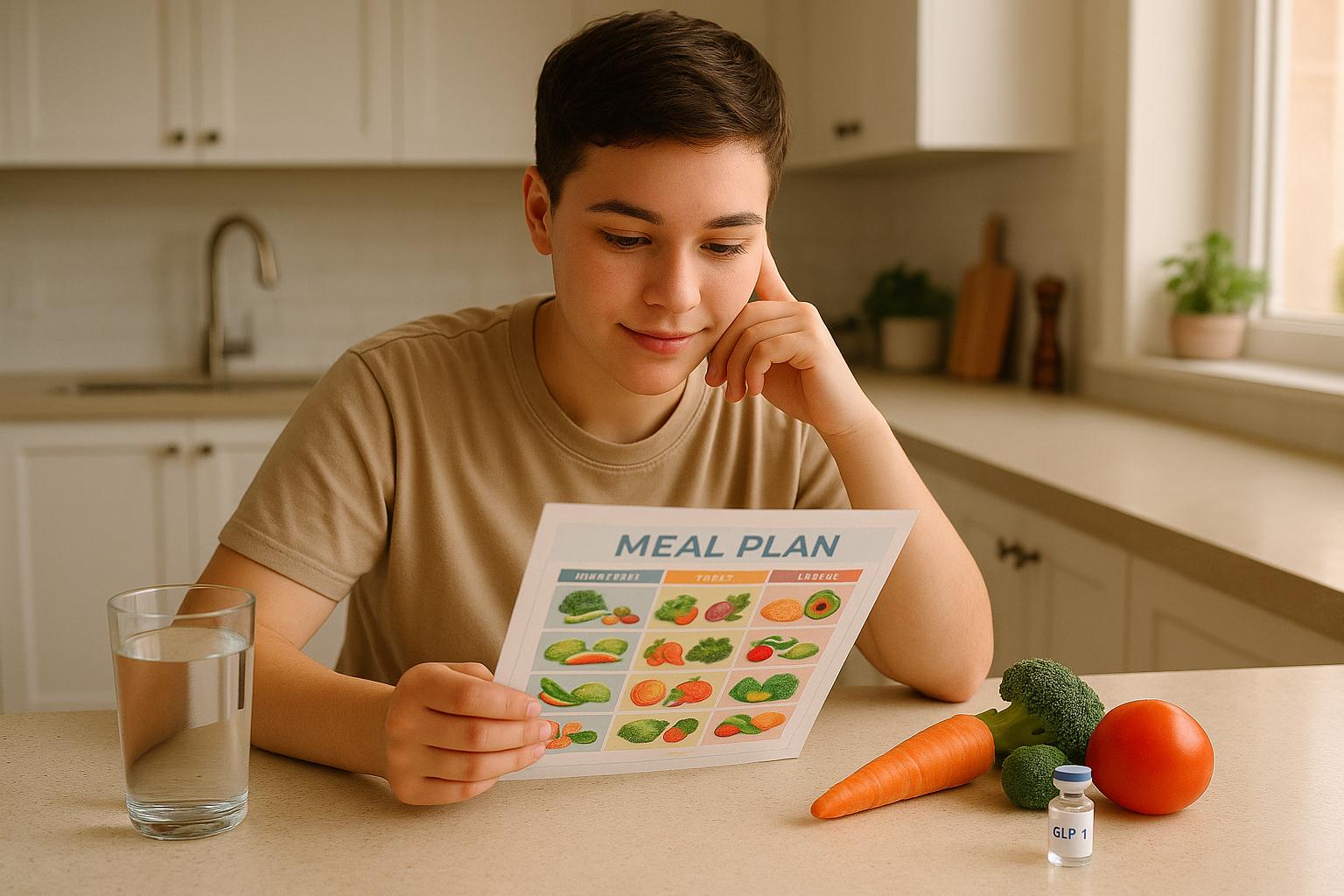
GLP-1 medications like Semaglutide (Wegovy, Ozempic), Tirzepatide (Mounjaro, Zepbound), and Liraglutide (Saxenda) aid weight loss by regulating blood sugar and suppressing appetite. To achieve the best results, pairing these treatments with healthy habits is essential. Here’s a quick summary of key strategies:
- Stick to Your Dosing Schedule: Take injections consistently at the same time weekly, even if you miss a dose.
- Prioritize Protein and Nutrient-Dense Foods: Focus on lean protein and whole foods while avoiding greasy meals early on.
- Stay Hydrated: Aim for 8–10 glasses of water daily to manage side effects like nausea and constipation.
- Incorporate Physical Activity: Add strength training and low-impact exercises to preserve muscle and boost fat loss.
- Track Progress: Monitor weight, measurements, and symptoms to adjust your plan with your provider.
- Avoid Mistakes: Prevent drug interactions, follow storage instructions, and consult your provider before stopping medication.
- Seek Professional Support: Work with healthcare providers for personalized guidance and consistent check-ins.
Consistency is key to long-term success. Combine these tips with expert advice to maximize your treatment’s effectiveness.
5 Essential Tips for Faster Weight Loss with GLP-1 Medications | Dr. Dan | Obesity Expert
1. Follow the Right Dosing Schedule
Sticking to a consistent schedule is key when it comes to GLP-1 therapy. Your body responds better when medication levels stay steady, so aim to take your injection at the same time each week. The good news? You have some flexibility to make this fit your routine.
For injectable GLP-1 medications like Semaglutide and Tirzepatide, the timing of your injection doesn’t impact how well it works. Whether morning, afternoon, or evening, pick a time that aligns with your lifestyle. For example, taking your injection at bedtime might help ease any nausea during the early weeks of treatment, as your body adjusts.
Another important note: GLP-1 injections work independently of meals, so there’s no need to plan around eating.
If you miss a dose, here’s what to do:
- If it’s within five days of your scheduled time, take the missed dose as soon as you can.
- If more than five days have passed, skip the missed dose and stick to your regular weekly schedule.
2. Focus on Protein and Nutrient-Dense Foods
When taking GLP-1 medications, eating well becomes even more important. These medications slow digestion and curb appetite, which means every bite matters. Focusing on nutrient-rich foods can help you make the most of what you eat.
Protein is a must-have at every meal to help maintain muscle mass. Think lean chicken, fish, eggs, Greek yogurt, cottage cheese, beans, or quinoa. Since GLP-1 medications can make you feel full faster, starting your meal with a good source of protein is a smart way to ensure you’re meeting your needs.
Even with a smaller appetite, aim for foods packed with nutrients. Dark leafy greens, colorful vegetables, berries, and lean proteins are excellent choices to provide the vitamins and minerals your body relies on.
Meal timing can also be more flexible when using GLP-1 medications. Pay attention to when you’re genuinely hungry rather than sticking to rigid meal schedules. Some people find that two larger meals and a snack work well, while others prefer three smaller meals. The key is to listen to your body and adjust accordingly.
In the early stages of treatment, steer clear of high-fat or greasy foods, as they can cause nausea or upset your stomach. Instead, go for options that are easier to digest, like baked chicken, steamed vegetables, oatmeal, or fresh fruits. If you’re adding more fiber to your diet, do it gradually to support digestion comfortably.
Planning ahead can help, especially when your appetite dips. Keep protein-packed snacks like hard-boiled eggs or Greek yogurt on hand to maintain balanced nutrition throughout the day.
3. Stay Hydrated and Manage Side Effects
GLP-1 medications can reduce both thirst and appetite, which might make dehydration sneak up on you. This can also worsen common side effects like nausea, constipation, fatigue, dizziness, and headaches.
Here’s a quick look at how often these side effects occur: nausea affects about 25–44% of users, diarrhea hits 19–30%, vomiting impacts 8–24%, and constipation troubles 17–24%. These numbers highlight why staying hydrated is so important.
A good hydration goal is 8–10 glasses of water a day, or roughly half your body weight in ounces (for example, if you weigh 200 pounds, aim for 100 ounces). Some healthcare providers suggest up to 3 liters daily for men and 2.2 liters for women. Start with an amount that feels doable and adjust as needed. If nausea makes drinking water tough, try sipping small amounts throughout the day.
Drinking more water, along with light physical activity, can also help alleviate constipation.
Keep an eye out for early signs of dehydration like dry mouth, dark urine, or feeling unusually tired. If nausea or vomiting stops you from drinking fluids for more than 24 hours, it could lead to serious issues like acute kidney injury. In that case, reach out to your healthcare provider right away.
4. Add Regular Physical Activity
Combining regular exercise with GLP-1 therapy can significantly enhance weight loss and improve your overall well-being. While GLP-1 medications help curb your appetite, adding physical activity can take your progress to a whole new level. It not only speeds up weight loss but also helps protect lean muscle, which is crucial during rapid weight loss.
One common concern with GLP-1 therapies is the potential for muscle loss as your body sheds weight quickly. Exercise can counter this by preserving muscle mass while still allowing you to lose fat.
Starting with low-impact activities is a great way to ease into a routine. Try walking, swimming, cycling, yoga, or tai chi – these activities are gentle on your body, promote digestion, and can even help with issues like constipation.
Strength training is especially important when using GLP-1 medications. You don’t need to aim for bodybuilder status; simple resistance exercises like weightlifting, bodyweight workouts, or resistance band routines can help maintain muscle. Even just two sessions a week can make a noticeable difference.
Pay attention to your body’s signals. If you’re feeling fatigued, focus on getting enough sleep and avoid pushing yourself too hard. To support muscle health, pair your workouts with a daily intake of at least 60 grams of protein.
Stress management is also key. Incorporate practices like deep breathing, meditation, or gentle yoga to stay balanced and maintain your activity levels.
Consistency is more important than intensity. A 30-minute walk five days a week is far more effective than a single intense workout followed by days of inactivity. Build a routine you can stick with, and your GLP-1 medications will work even better for you.
sbb-itb-e2779c3
5. Track Progress and Make Adjustments
Achieving weight loss with GLP-1 medications isn’t just about taking the medication – it’s about keeping an eye on your progress and fine-tuning your approach as needed. Tracking helps you understand what’s working and where you might need to make changes.
Don’t rely only on the scale. Measure body composition, like your waist, hips, arms, and thighs, and take progress photos. These can reveal changes that the scale might not show. Many people notice they’re losing inches even when their weight seems to plateau.
Pay attention to other improvements, too. Energy levels, sleep quality, and how your clothes fit often improve before you see major changes on the scale. A simple journal can help – rate your daily energy on a scale of 1-10 and note any side effects you experience along the way.
Keep an eye on your eating habits. GLP-1 medications influence appetite, so it’s important to track how much you’re eating and when you feel full. Struggling to get enough protein or experiencing frequent nausea? These could be signs that adjustments are needed.
If your progress slows, consider discussing dosage changes with your healthcare provider. Most GLP-1 protocols involve gradual dose increases every 4-6 weeks, but individual responses can vary. If you’re not seeing results after 8-12 weeks at a stable dose, or if side effects are making daily life difficult, it’s time to revisit your plan. Keeping detailed records of your progress and symptoms will help your provider make informed decisions.
Bring your tracking data to appointments. This information gives your provider a clear picture of how you’re responding and helps them adjust your treatment plan or suggest additional strategies.
TrimRX offers unlimited check-ins to make sharing data and getting provider guidance easier. This ongoing communication ensures your plan stays aligned with your needs, giving you the best chance for lasting success.
And remember, plateaus are a normal part of the process. They might mean it’s time to tweak your exercise routine or nutrition plan – not that your medication has stopped working.
6. Avoid Drug Interactions and Common Mistakes
Some medications and supplements can interfere with GLP-1 treatments or lead to unwanted side effects. To stay safe, share a full list of everything you’re taking – both prescriptions and over-the-counter supplements – with your healthcare provider. Certain supplements might interact with GLP-1 therapy, especially if you’ve been experiencing side effects.
Since GLP-1 injections can delay how quickly your stomach empties, they might also affect how your body absorbs oral medications. Talk to your provider about the best times to take your other medications to avoid any issues.
If you’re on blood sugar–lowering medications, like insulin or specific oral diabetes drugs, your provider may need to adjust your doses. This is because GLP-1 treatments can increase the risk of low blood sugar when combined with these medications.
Missed doses can throw off your treatment routine. If you forget a dose, don’t double up or take extra to compensate. Instead, follow the guidance provided by your healthcare team to get back on track. Consistency is key to getting the most out of your treatment.
Proper nutrition also plays a big role. Make sure you’re eating enough calories to support your metabolism, and avoid drinking alcohol on an empty stomach to help prevent low blood sugar episodes.
Never stop taking your medication suddenly without consulting your provider. If you’re dealing with side effects or feel like your progress has stalled, reach out to your healthcare team for advice.
Store your GLP-1 medication as instructed by the manufacturer, and keep it away from extreme temperatures or conditions to ensure it stays effective.
At TrimRX, providers take the time to review your entire medication list during consultations. This extra step helps catch any potential interactions early, so your GLP-1 treatment stays on track and works as intended.
7. Use Personalized Support and Resources
Teaming up with healthcare providers who specialize in GLP-1 treatments can significantly improve weight loss outcomes. These professionals are well-versed in medications like Semaglutide and Tirzepatide, offering tailored guidance to adjust your dosing schedule based on your body’s response, manage any side effects, and tweak your treatment plan as needed. This individualized care works hand-in-hand with proper dosing, nutrition, and the lifestyle adjustments we’ve discussed earlier.
Regular check-ins with your healthcare team are key. They allow for real-time updates to your plan – whether it’s addressing persistent nausea or breaking through a weight-loss plateau, your provider can suggest specific strategies or adjust your dosage accordingly.
Programs that combine medical supervision with lifestyle coaching often yield better long-term results. This dual approach tackles both the physical and mental aspects of weight loss, setting you up for success over time.
For example, TrimRX offers customized weight loss programs that include unlimited check-ins, giving you access to expert advice whenever you have questions or concerns.
In addition to medical guidance, many programs provide specialized resources to support your journey. These might include supplements tailored for GLP-1 users, educational materials on nutrition and exercise, and tools to track your progress.
Conveniences like free medication delivery, flexible consultation scheduling, and easy communication with healthcare providers can eliminate common obstacles, ensuring you stay consistent with your treatment.
Achieving and maintaining weight loss with GLP-1 medications is a long-term commitment. The consistency we’ve emphasized throughout these strategies becomes much more manageable with a supportive healthcare team and access to comprehensive resources. These elements are crucial for sustaining progress not just in the early stages, but for months and years to come.
Conclusion
Achieving the best results with GLP-1 medications starts with a well-rounded plan that aligns with your body’s needs. The seven strategies outlined earlier provide a solid framework to help you get the most out of your treatment.
Consistency is the cornerstone of success. Sticking to your dosing schedule, prioritizing protein-packed meals, staying hydrated, and keeping up with regular physical activity all work together to enhance the effectiveness of your medication.
As you stay consistent, it’s just as important to monitor your progress. Many people hit roadblocks when they fail to adjust their routines as their bodies adapt. Regularly reassessing your approach ensures that you can maintain momentum, even when motivation dips.
Expert guidance can make all the difference. Working with professionals helps fine-tune every aspect of your journey, from adjusting medication dosages to optimizing your nutrition and exercise routines. This kind of tailored support addresses the medical and lifestyle factors that contribute to sustainable weight loss.
Programs like TrimRX highlight the value of a well-integrated approach. They offer personalized dosing, unlimited check-ins, and specialized supplements designed specifically for GLP-1 users. With medical supervision, convenient delivery, and ongoing support, many of the common hurdles in weight loss become easier to overcome.
Keep in mind that lasting results take time. The habits you’re building now – balanced nutrition, regular exercise, consistent monitoring, and seeking professional support – will continue to benefit you long after your treatment ends. While GLP-1 medications are a powerful tool, your long-term success depends on your commitment to a comprehensive approach.
Take it one step at a time. Start with basics like staying consistent with your medication and drinking plenty of water, then gradually incorporate other elements. By combining the right medication with lifestyle changes and expert support, you’re setting yourself up for results that truly last.
FAQs
What are the best ways to manage side effects from GLP-1 medications?
Managing side effects from GLP-1 medications doesn’t have to be overwhelming. A few practical adjustments can make a big difference. Start by prioritizing a balanced diet that includes lean proteins, fruits, vegetables, and whole grains. At the same time, try to steer clear of foods that are high in fat, sugar, or those that are overly spicy or acidic, as these can sometimes worsen symptoms.
Staying hydrated by drinking plenty of water throughout the day is another simple yet effective step. Additionally, eating smaller portions more frequently can help ease any discomfort.
If you find that side effects persist or feel particularly intense, don’t hesitate to reach out to your healthcare provider. They can offer tailored advice or make adjustments to your treatment plan to better suit your needs.
What are the best types of exercise to pair with GLP-1 medications for weight loss?
To make the most of GLP-1 therapy for weight loss, pair it with a well-rounded exercise routine. Incorporate aerobic activities such as walking, cycling, swimming, or dancing – they’re great for burning calories and improving heart health. Don’t skip strength training, either. Building and maintaining muscle not only supports your metabolism but also plays a key role in long-term weight control. For a complete approach, add flexibility and balance exercises like yoga or tai chi to improve overall fitness and reduce the chance of injuries.
The goal? Aim for at least 150 minutes of moderate aerobic exercise each week, plus 2-3 strength training sessions. Choose activities you enjoy and adapt them to your fitness level – staying consistent is what really matters!
How can I tell if my GLP-1 dosage is working, and when should I talk to my doctor about changing it?
The success of your GLP-1 medication can vary based on factors like how much weight you’re losing, any side effects you’re experiencing, and your broader health objectives. If weeks go by without noticeable progress or if the side effects are becoming hard to manage, it might be worth revisiting your dosage.
Be sure to talk to your healthcare provider before making any changes. They can evaluate how you’re responding to the medication and decide if adjustments are necessary to stay on track with your weight loss plan.
Related Blog Posts

Transforming Lives, One Step at a Time
Keep reading
Weight Loss Progress Tracker
Track your weight loss over time, see progress clearly, and stay motivated with simple charts, summaries, and goal-based insights.
How to Create a Personalized Adherence Plan
Build a one-page GLP-1 adherence plan: record dose, pick a weekly time, set reminders, log side effects, and review monthly.

Weight Loss Medication Dosage Calculator
Estimate weight loss medication doses by weight and drug type, with starting guidance, dose progression info, and a clear medical disclaimer.


