Can You Take 1.25 mg of Ozempic? Dosing and Safety Guide
Introduction
You have been following your weekly injection routine faithfully, and the results are starting to show. However, as you approach the transition from the 1 mg dose to the 2 mg dose, you might find yourself feeling stuck. Perhaps the 1 mg dose isn’t as effective as it once was, but the jump to 2 mg feels daunting due to potential side effects. This leads many to ask: can you take 1.25 mg of Ozempic®?
At TrimRx, we understand that weight loss is rarely a straight line and that “one size fits all” dosing doesn’t always account for individual metabolic responses. While 1.25 mg is not a standard dose found on a branded pen, there are clinical reasons why a provider might discuss a custom titration. This post will cover how the standard dosing schedule works, why someone might consider an “in-between” dose, and the safest ways to navigate your treatment. Our goal is to ensure you feel supported as you move toward your health goals with a plan tailored to your specific needs. If you are considering a medically supervised GLP-1 program, you can complete a free eligibility assessment.
Quick Answer: There is no official 1.25 mg setting on Ozempic® pens. While some clinicians may recommend a custom 1.25 mg dose to manage side effects or plateaus, this should only be done under strict medical supervision and typically involves specialized dosing instructions or compounded alternatives.
The Standard Ozempic® Dosing Schedule
The typical journey with Ozempic® (semaglutide) follows a very specific path designed to help your body adapt. Semaglutide is a GLP-1 (glucagon-like peptide-1) receptor agonist. This means it mimics a natural hormone in your body that tells your brain you are full and slows down how fast your stomach empties. Because this affects your digestive system so directly, starting at a high dose would likely cause significant discomfort.
For a broader overview of introductory dosing and gradual escalation, read how semaglutide starting doses work.
Understanding Titration
Titration is the process of gradually increasing a medication’s dose to find the most effective amount with the fewest side effects. For most people, the schedule begins with 0.25 mg once a week for four weeks. This is considered a “starting” or “initiation” dose. It is generally not enough to produce significant weight loss or blood sugar control, but it is vital for “priming” your system.
After those first four weeks, most patients move to 0.5 mg. If goals are not met after another month, the dose may increase to 1 mg, and eventually to the maximum dose of 2 mg. This step-by-step approach is the gold standard for GLP-1 medications.
The Official Dose Strengths
Branded Ozempic® pens are engineered to deliver specific, pre-set amounts of medication. These pens are color-coded to prevent confusion:
- Red Label Pen: Delivers 0.25 mg or 0.5 mg doses.
- Blue Label Pen: Delivers 1 mg doses.
- Yellow Label Pen: Delivers 2 mg doses.
Because the pens are designed for these specific increments, there is no “1.25 mg” notch on the dial. If a patient is using the blue pen (1 mg) or the yellow pen (2 mg), the device is intended to click forward to that specific, FDA-approved dosage.
Key Takeaway: The standard dosing schedule is built on four-week increments (0.25, 0.5, 1, and 2 mg) to minimize gastrointestinal issues while the body adjusts to the GLP-1 hormone.
The Question of the 1.25 mg Dose
The request for a 1.25 mg dose usually arises when a patient feels “stuck” between the 1 mg and 2 mg levels. In clinical terms, the jump from 1 mg to 2 mg is a 100% increase in the medication. For some individuals, this sudden doubling of the dose can trigger a return of side effects like nausea, vomiting, or significant fatigue.
Why 1.25 mg is Not a Standard Pen Setting
From a manufacturing standpoint, the 1.25 mg dose does not exist in the branded Ozempic® lineup. If you are using a branded pen, attempting to “guess” a 1.25 mg dose by counting the audible clicks between 1 mg and 2 mg is not recommended by the manufacturer. This is because the pen’s mechanism is calibrated for precision at specific intervals.
If you try to “click count” to reach an unofficial dose, you run the risk of:
- Under-dosing: Not receiving enough medication to see results.
- Over-dosing: Accidentally taking too much, which can lead to severe gastrointestinal distress or hypoglycemia (low blood sugar).
- Wasting Medication: Branded pens are designed to deliver a set number of doses; irregular dosing can leave you with a pen that “runs out” before your next refill is due.
Custom Dosing in Clinical Practice
Despite not being a standard pen setting, a 1.25 mg dose is sometimes used in personalized medicine. This is where telehealth platforms and compounded medications play a significant role. When working with a provider through our platform, your treatment is not limited to a rigid, one-size-fits-all pen.
For more context about individualized formulations, read what compounded semaglutide is and how it works.
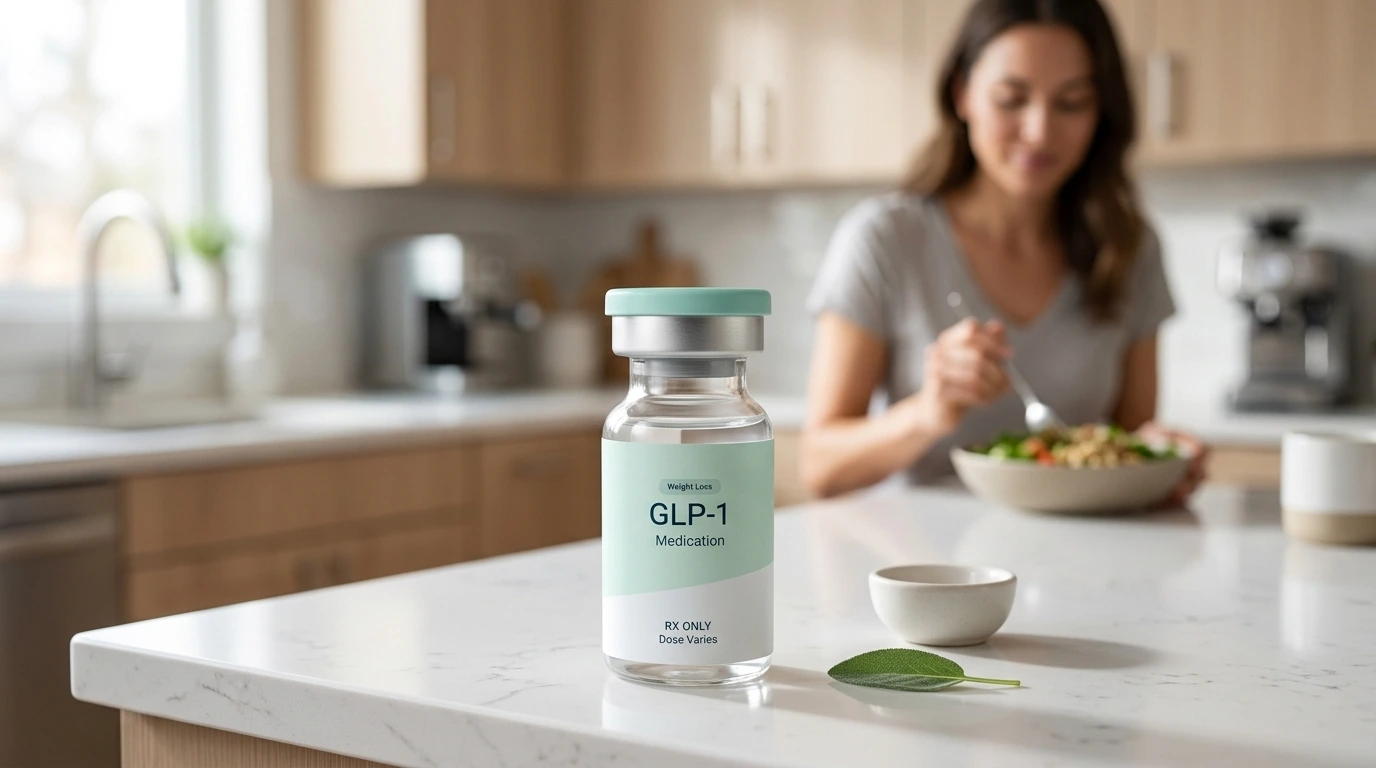
Compounded semaglutide—which is prepared and shipped by FDA-registered, inspected compounding pharmacies—often comes in vials rather than pre-set pens. This allows a licensed healthcare provider to prescribe a very specific volume of medication. If a patient is struggling with the 2 mg jump, a provider might suggest a 1.25 mg or 1.5 mg “bridge” dose to help the body acclimate more gently.
Why Patients Consider “In-Between” Doses
The primary motivation for seeking a 1.25 mg dose is usually a balance of efficacy and tolerance. Every person’s metabolic profile is different. While one person may move to 2 mg with no issues, another may find that their weight loss stalls at 1 mg, yet 2 mg makes them feel too ill to function.
Managing Side Effects
Gastrointestinal side effects are the most common reason for wanting a custom titration. When you increase your dose of a GLP-1 receptor agonist, your gastric emptying slows further, and your brain’s satiety signals strengthen. If this happens too quickly, it can cause:
- Persistent nausea
- Heartburn or acid reflux
- Abdominal bloating
- Constipation or diarrhea
A 1.25 mg dose represents a smaller, 25% increase over the 1 mg dose, rather than the 100% increase required to reach 2 mg. For a sensitive individual, this smaller step can be the key to continuing the program without misery.
Overcoming Weight Loss Plateaus
A plateau occurs when your body adapts to a certain dose of medication and weight loss stops. This is a normal part of the metabolic process. When this happens at the 1 mg dose, the next logical step is to increase the dosage. However, if a patient is worried about the side effects of 2 mg, they may ask for a 1.25 mg dose to “nudge” their metabolism back into a weight-loss state without overwhelming their system.
For additional perspective, see why weight loss plateaus can happen on semaglutide.
Key Takeaway: Custom doses like 1.25 mg are often used as a “bridge” to help sensitive patients move past plateaus while avoiding the harsh side effects of a full dose doubling.
Compounded Semaglutide vs. Branded Ozempic®
It is important to understand the difference between the branded medication and the options available through specialized programs. Ozempic® is a trademarked brand name for semaglutide, specifically approved for the treatment of type 2 diabetes. Wegovy® is the version approved for chronic weight management. Both are delivered in pre-filled pens with fixed doses.
TrimRx connects patients with licensed providers who can prescribe compounded semaglutide. This version contains the same active ingredient but is prepared by pharmacists in a way that allows for more flexible dosing.
For more information about pharmacy preparation and patient considerations, explore what to know about compounded semaglutide pharmacies.
Myth: Compounded medications are the same as “generic” versions you buy at a retail pharmacy. Fact: Compounded medications are custom-made prescriptions created in FDA-registered, inspected compounding pharmacies. They are not “off-the-shelf” generics but are specifically prepared to meet individual patient needs, such as custom dosage strengths like 1.25 mg.
Note: Compounded semaglutide is not FDA-approved in the same way as branded Ozempic® or Wegovy®. However, during times of medication shortages or when a patient requires a specific dose not offered by the manufacturer, compounding pharmacies provide a vital service under federal and state regulations.
The Importance of Professional Guidance
You should never attempt to alter your medication dose without consulting a healthcare professional. While it may seem simple to “just take a little more,” semaglutide stays in your system for a long time. It has a half-life of about seven days, meaning it takes a full week for just half of the medication to leave your body.
Risks of Unsupervised Adjustments
If you take an incorrect dose, the effects can linger for weeks. Taking too much can lead to:
- Severe Dehydration: Caused by prolonged vomiting or diarrhea.
- Pancreatitis: A rare but serious inflammation of the pancreas that requires immediate medical attention.
- Gallbladder Issues: Rapid changes in medication and weight can sometimes stress the gallbladder.
- Hypoglycemia: Especially if you are taking other medications that lower blood sugar.
Important: If you experience severe abdominal pain that radiates to your back, persistent vomiting, or signs of an allergic reaction, contact your healthcare provider or emergency services immediately.
Working with Your Provider
When you use a platform like ours, you have 24/7 access to a dedicated team of specialists. If you feel the 1 mg dose isn’t working, or you are afraid to move to 2 mg, you can message your provider to discuss your options. They may suggest:
- Changing the injection site: Some patients find fewer side effects when injecting into the thigh rather than the abdomen.
- Splitting the dose: Taking two smaller doses during the week (only if using a compounded vial/syringe system).
- Adding support: Using supplements like our GLP-1 Daily Support to help manage minor digestive issues.
- A custom titration: Prescribing a 1.25 mg dose via a compounded pharmacy to help you transition safely.
How to Start Your Personalized Program
Starting a weight loss journey can feel overwhelming, but it doesn’t have to be a solo effort. We focus on removing the barriers that often stop people from seeking help. There are no waiting rooms, no uncomfortable in-person weigh-ins, and no hidden fees.
The process is designed to be straightforward and medically sound:
- Step 1: Complete the Free Assessment Quiz. This quiz helps us understand your health history, your current BMI, and your weight loss goals. It is the first step in determining if a GLP-1 medication is right for you.
- Step 2: Connect with a Licensed Provider. A doctor or nurse practitioner will review your information and, if appropriate, write a prescription for a program tailored to you. This is the perfect time to ask about custom dosing or concerns about side effects.
- Step 3: Receive Your Medication. Your medication is shipped directly from an FDA-registered, inspected compounding pharmacy to your door. Everything you need, including supplies and instructions, is included.
- Step 4: Ongoing Support. As you progress, you can check in with our team at any time. If you hit a plateau at 1 mg, we are here to help you navigate the next step—whether that’s a move to 2 mg or a more gradual approach.
Conclusion
Taking 1.25 mg of Ozempic® is not a standard practice with branded pens, but it is a valid conversation to have with your healthcare provider. Weight loss is a personal journey, and your medication should reflect your body’s unique needs. Whether you are managing side effects or trying to break through a plateau, the key is to stay within a medically supervised framework.
At TrimRx, our mission is to help individuals embrace healthier lifestyles through science, empathy, and a transparent, personalized approach to sustainable weight loss. We believe that by combining clinical expertise with modern technology, we can help you achieve the results you’ve been looking for without the frustration of “going it alone.”
Bottom line: While you cannot easily dial a branded pen to 1.25 mg, a personalized program using compounded medication can offer the flexibility you need to succeed.
If you are ready to see what a personalized program can do for you, the best next step is to take a free assessment quiz to explore your eligibility for our medically supervised weight loss programs.
FAQ
Can I “count clicks” on an Ozempic® pen to get 1.25 mg?
While some people use “click charts” found online to estimate doses between the pen’s official settings, this is not recommended by healthcare providers or the manufacturer. It is difficult to ensure an accurate dose, and you may end up with too much or too little medication, leading to side effects or poor results.
Is 1.25 mg a common dose for weight loss?
It is not a standard dose for branded Ozempic® or Wegovy®, but it is sometimes used as a custom “bridge” dose in compounded semaglutide programs. It helps patients who are sensitive to the 1 mg dose but not yet ready for the 2 mg dose to continue making progress safely. For more information, review this guide to how semaglutide starting doses work.
What should I do if I’m plateauing at 1 mg?
If your weight loss has stalled at the 1 mg dose, you should consult your healthcare provider. They may recommend increasing to the 2 mg dose, adjusting your diet and activity levels, or transitioning to a custom dose like 1.25 mg or 1.5 mg if you are using a compounded medication. You can also complete a free assessment to discuss your eligibility for personalized care.
Can I switch from branded Ozempic® to compounded semaglutide for custom dosing?
Many patients choose to work with telehealth platforms like ours to access compounded semaglutide, which allows for more flexible dosing. A licensed provider can evaluate your current progress on branded medication and determine if a compounded version with a custom titration plan is appropriate for your needs. Read more about how compounded semaglutide works for weight loss.
Disclaimer: This content is for informational purposes only and does not constitute medical advice. It is not intended to diagnose, treat, cure, or prevent any disease or condition. Individual results may vary. Always consult a qualified healthcare professional before starting any weight loss program or medication.

Transforming Lives, One Step at a Time
Keep reading
Ozempic Changed How You and Your Partner Spend Time
Friday night was a place you both liked and a bottle of something. Sunday was a long breakfast. Holidays were planned around restaurants. That…

Partner Says You’re Not Eating Enough on Ozempic?
It has become a thing at dinner. They watch your plate. You feel watched. Something gets said, or pointedly not said, and the meal…

Weekly Client Dinners on Ozempic: A Plan for Recurring Work Meals
Managing one difficult dinner is a matter of ordering well. Managing four a week indefinitely is a different problem, because anything that relies on…


