Why Did I Bruise After My Semaglutide Injection? Causes and Tips
Introduction
Finding a small blue, purple, or even yellowish mark at your injection site can be a bit unsettling. You have likely been focusing on your health goals and following your protocol carefully, so seeing a physical reaction like a bruise might make you wonder if you did something wrong. It is a common concern for those starting their weight loss journey with medications like semaglutide. At TrimRx, we believe that understanding the “why” behind these minor physical reactions can help ease your mind and empower you to feel more confident in your daily routine.
This post covers why bruising happens, how to identify if a bruise is normal, and practical steps to minimize skin irritation during your program. While bruising is not the most frequent side effect of GLP-1 (glucagon-like peptide-1) receptor agonists—a class of medications that mimic a natural hormone to regulate appetite—it is a manageable part of the process for many. If you are considering a prescription GLP-1 program, you can complete a free eligibility assessment to explore whether it may be appropriate for you.
Quick Answer: Bruising usually occurs because a small blood vessel was nicked by the needle during the injection process. It is generally harmless and often related to injection technique, site selection, or the use of certain supplements rather than the medication itself.
The Science of Subcutaneous Injections
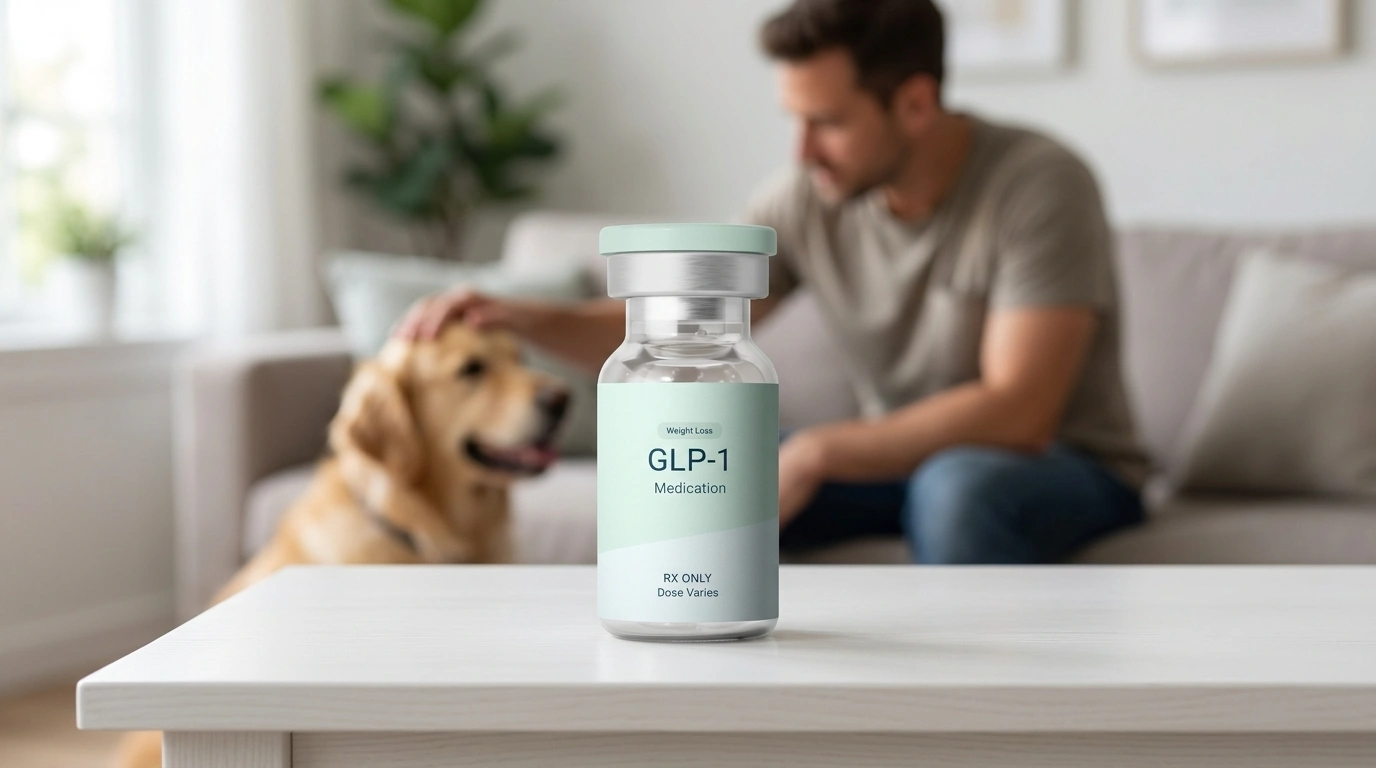
To understand why bruising occurs, it helps to know how semaglutide enters your system. Semaglutide is administered as a subcutaneous injection, which means it is delivered into the fatty tissue layer just beneath the skin. This layer sits above the muscle and contains fewer large blood vessels, making it the ideal spot for medications that need to be absorbed slowly and steadily by the body.
Even though the needles used for these injections are incredibly thin, they must still pass through the dermis and into the fatty tissue. Your skin and the underlying tissue are filled with a vast network of tiny blood vessels called capillaries. When a needle is inserted, there is always a small chance it might graze or puncture one of these microscopic vessels. When this happens, a tiny amount of blood leaks into the surrounding tissue, creating the visible mark we know as a bruise.
For more information about recommended injection areas and proper administration, review this guide to semaglutide injection sites and techniques.
Clinical data suggests that injection site reactions, including bruising, are relatively rare. For example, in clinical trials for branded medications like Ozempic® and Wegovy®, only a very small percentage of participants—often less than 1%—reported significant injection site reactions. However, because these medications are self-administered once a week over long periods, many individuals will encounter a minor bruise at some point during their treatment.
Common Reasons for Bruising After Injection
The most frequent cause of bruising is simply the physical act of the needle entering the skin. It is not a sign that the medication is “bad” or that your body is rejecting it. Instead, it is typically a localized response to minor tissue trauma.
Accidental Capillary Damage
As mentioned, your skin is highly vascular. Even if you cannot see a vein on the surface, there are thousands of tiny capillaries just beneath. If the needle tip happens to hit one, a bruise will form. This is often just a matter of “bad luck” regarding the specific millimeter of skin you chose for that week’s dose.
Applying Too Much Pressure
Many people feel they need to press the injection pen or syringe firmly against their skin to ensure the medication goes in. However, pushing too hard can compress the tissue and increase the likelihood of damaging small vessels. The device only needs to make firm contact with the skin to function correctly; excessive force is not necessary and often leads to more significant bruising.
Incorrect Injection Angle
For the medication to reach the subcutaneous fat layer properly, the needle should typically go in at a 90-degree angle. If the needle enters at a shallow or diagonal angle, it travels through more of the skin’s surface layers. This increases the surface area of tissue affected and makes it more likely that you will disrupt the small vessels located in the upper layers of the dermis.
Lack of Site Rotation
Injecting into the exact same spot every week can cause the tissue to become irritated or even develop small amounts of scar tissue. This is known as lipohypertrophy. Irritated tissue is more prone to bleeding and bruising. Rotating your injection site is one of the most effective ways to keep the skin healthy and reduce the risk of visible marks.
For additional guidance on changing injection locations, see this complete guide to GLP-1 injection sites.
Key Takeaway: Bruising is almost always a result of the needle’s interaction with tiny blood vessels in the skin, not a reaction to the semaglutide itself. Improving your technique and rotating sites are the best ways to prevent it.
External Factors That Increase Bruising Risk
Sometimes, the reason you are bruising has more to do with what is in your system than how you are injecting. Certain medications and supplements can act as mild blood thinners, making your capillaries more fragile or causing them to bleed more easily when nicked.
- NSAIDs: Over-the-counter pain relievers like ibuprofen or aspirin can thin the blood slightly, increasing the risk of a bruise after any kind of injection.
- Supplements: Common supplements such as Vitamin E, garlic, ginger, and Omega-3 fatty acids (fish oil) are known to have mild anticoagulant effects.
- Prescription Blood Thinners: If you are taking prescription anticoagulants, you are much more likely to experience bruising at injection sites.
It is important to discuss all medications and supplements you are taking with a healthcare provider. When you use a platform like ours, the licensed providers review your medical history to ensure your personalized program is safe and effective for your specific health profile.
How to Prevent Bruising: A Step-by-Step Guide
Refining your injection technique can significantly reduce the frequency and size of any bruises. Most people find that as they become more comfortable with the process, the number of injection site reactions they experience decreases.
Step 1: Choose a High-Fat Area
Identify an area with a sufficient layer of subcutaneous fat. The most common and recommended sites are the abdomen (at least two inches away from the belly button), the front of the thighs, or the back of the upper arms. Avoid areas where the skin is thin or where you can feel muscle immediately beneath the surface.
Step 2: Prepare the Skin
Clean the area with an alcohol swab and allow it to air dry completely. Injecting through wet alcohol can cause a stinging sensation and may irritate the skin further, although it does not directly cause bruising.
Step 3: Use the “Pinch” Method
Lightly pinch about an inch of fatty tissue between your thumb and forefinger. This pulls the fat away from the underlying muscle and provides a stable “target” for the needle. Be careful not to pinch so hard that you cause a bruise yourself; a gentle lift is all that is required.
Step 4: Inject at a 90-Degree Angle
Hold the pen or syringe perpendicular to the skin. Insert the needle in one smooth motion. Avoid “fanning” the needle or moving it side-to-side once it is under the skin, as this motion can tear tiny vessels and lead to larger bruises.
Step 5: Maintain Gentle Pressure
After the injection is complete and the needle is removed, you may feel the urge to rub the spot. Do not rub the injection site. Rubbing can spread any tiny amount of leaked blood further under the skin, making a bruise look much larger than it would have been otherwise. Instead, apply very gentle pressure with a clean cotton ball or gauze for a few seconds if there is a tiny drop of blood.
Step 6: Rotate Every Week
Never use the exact same spot two weeks in a row. A good rule of thumb is to stay at least one inch away from your previous injection site. Many people find success by “moving around the clock” on their abdomen or alternating between the left and right thigh each week.
If you are ready to discuss whether a medically supervised program may fit your goals, you can take the free assessment quiz.
Normal vs. Abnormal: When to Contact a Provider
While most bruises are harmless, it is important to know the difference between a minor injection site reaction and something that requires medical attention. A typical bruise will be small (usually the size of a coin or smaller), may change colors from blue to green to yellow over a week, and should not be significantly painful.
For a broader overview of localized reactions, read about semaglutide injection site reactions.
Signs of a Normal Reaction
- A small, flat bruise that appears shortly after injection.
- Minor redness that fades within a few hours.
- A tiny, firm lump under the skin (this is often just the medication being absorbed and usually disappears in a day or two).
Signs That Require Professional Guidance
- Spreading Redness: If the redness at the site is expanding or feels hot to the touch, it could be a sign of a localized infection.
- Severe Pain: Intense pain, throbbing, or significant swelling at the site is not normal.
- Systemic Symptoms: If you experience hives, a widespread rash, difficulty breathing, or swelling of the face and throat, seek emergency medical care immediately, as these are signs of a rare but serious allergic reaction.
- Unexplained Bruising: If you notice large bruises appearing on parts of your body where you did not inject, this may indicate a systemic issue with blood clotting and should be evaluated by a doctor.
Note: If you are concerned about any skin reaction, take a photo of the area. This can help your healthcare provider track the progress of the mark and determine if further action is needed.
Maximizing Your Comfort on Semaglutide
Beyond just managing the injection itself, supporting your overall metabolic health can make the experience smoother. At TrimRx, we focus on a personalized approach that goes beyond just the medication. We understand that your body is undergoing a significant transition as you optimize your metabolic pathways.
If you find that your skin is particularly sensitive, using a cold compress can be very effective. Applying a cold pack to the area for a minute or two before you inject can slightly numb the skin and cause blood vessels to constrict (narrow), which reduces the chance of bleeding and bruising.
Nutritional support is also a key component of a successful program. Ensuring you have adequate intake of vitamins and minerals helps your body repair tissue and maintain healthy blood vessels. Our GLP-1 Daily Support supplement is designed specifically to help fill nutrient gaps and support the body’s natural processes during weight loss.
Understanding Your Medication Options
Whether you are using compounded semaglutide or a branded version like Wegovy® or Ozempic®, the risk of bruising remains similar because the delivery method is the same.
It is important to understand the distinction between these options:
- Branded Medications: Ozempic®, Wegovy®, Mounjaro®, and Zepbound® are FDA-approved for specific uses like Type 2 diabetes or chronic weight management.
- Compounded Medications: Compounded semaglutide and compounded tirzepatide are prepared by FDA-registered and inspected compounding pharmacies. These are often used when patients need a specific dosage or when branded medications are in short supply. While compounded medications themselves are not FDA-approved, they are a common part of personalized telehealth programs.
We provide access to healthcare providers who can determine which path is right for you. Our platform connects you with the medical expertise needed to navigate these choices, ensuring your treatment is tailored to your health profile and goals. All medications in our programs are shipped from licensed, high-quality pharmacies to your door.
Myth: Bruising means the medication isn’t being absorbed correctly.
Fact: A bruise is simply a sign of minor skin trauma. The medication is still in the subcutaneous fat layer and will be absorbed by your body as intended.
Managing the Emotional Side of the Journey
Weight loss is about more than just numbers on a scale; it is about how you feel in your own skin. Seeing a bruise can sometimes feel like a setback or a reminder of the “work” involved in your health journey. We want to remind you that these small marks are temporary. They represent the commitment you are making to your future self.
Frustration with side effects is a valid part of the process. Whether it is nausea or a small bruise on your thigh, these experiences are real. The key is to have a support system that helps you navigate them. Our team and the providers we partner with are here to ensure you never feel like you are doing this alone. We provide 24/7 access to specialists who can answer your questions and help you adjust your technique or program as needed.
Summary Table: Bruising Prevention Checklist
| Strategy | Why It Works | How to Do It |
|---|---|---|
| Site Rotation | Prevents tissue irritation and scarring. | Move at least 1 inch from the last spot every week. |
| Correct Angle | Ensures the needle reaches fat without excess tissue damage. | Insert the needle straight in at a 90-degree angle. |
| Cold Compress | Numbs the skin and constricts blood vessels. | Apply ice (wrapped in cloth) for 60 seconds before injecting. |
| Pinch Technique | Isolates the subcutaneous fat layer. | Gently lift 1 inch of skin/fat between two fingers. |
| No Rubbing | Prevents the spread of blood under the skin. | Apply gentle, stationary pressure only if bleeding occurs. |
Conclusion
Bruising after a semaglutide injection is a minor hurdle that many people face on their path to better metabolic health. In the vast majority of cases, it is a simple result of a needle meeting a tiny capillary and has no impact on the effectiveness of your treatment. By refining your technique, rotating your sites, and being mindful of how you handle the injection area, you can significantly reduce these marks.
Our mission at TrimRx is to provide a science-backed, empathetic environment where your health goals are supported by clinical expertise and modern technology. We believe that weight loss should be a personalized experience, not a one-size-fits-all solution. By combining medical supervision with a transparent, telehealth-first approach, we help you focus on the progress you are making rather than the small bumps—or bruises—along the way.
If you are ready to take the next step in your health journey, the first move is simple. You can complete a free health assessment to see which personalized program is right for your needs.
Bottom line: A small bruise is a temporary mark on a journey toward long-term health. Practice patience with your body and your technique, and don’t hesitate to reach out for support whenever you need it.
FAQ
Is it normal to have a hard lump under the skin after my injection?
Yes, a small, firm lump (sometimes called a “wheal”) can occur if the medication is sitting in the subcutaneous tissue before being fully absorbed. This is usually not a cause for concern and typically disappears within 24 to 48 hours as the body processes the semaglutide.
Should I skip my dose if I still have a bruise from last week?
No, you should not skip your dose because of a bruise unless instructed by your healthcare provider. Simply choose a new injection site that is at least one inch away from the bruised area to allow the skin time to heal properly.
Does bruising mean I injected into a muscle?
Not necessarily, but it is possible. Injecting into a muscle is usually more painful than a subcutaneous injection and may cause more significant bruising; however, most bruises on the abdomen or thigh are simply from surface capillaries.
Can I put a heating pad on the bruise to make it go away faster?
It is better to use a cold compress immediately after the injection to minimize the bruise’s initial size. Once the bruise has formed, you can use warm compresses a day or two later to help increase circulation and speed up the reabsorption of the blood, but always check with a professional if the area is painful.
If you want help reviewing your injection routine or exploring treatment options, you can find out if GLP-1 medications may be right for you.
Disclaimer: This content is for informational purposes only and does not constitute medical advice. It is not intended to diagnose, treat, cure, or prevent any disease or condition. Individual results may vary. Always consult a qualified healthcare professional before starting any weight loss program or medication.

Transforming Lives, One Step at a Time
Keep reading

How to Get Through a Tasting Menu on Semaglutide
Call the restaurant before you go. That single step solves most of this, and almost nobody does it. Tasting menus are the one dining…

How to Manage a Cruise While Taking Semaglutide
Two things need planning before you board, and neither is the food. Motion sickness medication, because the usual options interact awkwardly with what this…
How to Get Through a Wedding Reception on Semaglutide
The difficulty at a wedding is rarely the food itself. It is the shape of the day: long stretches with nothing available, followed by…


