Can I Share My Ozempic Pen? Important Safety and Health Risks
Introduction
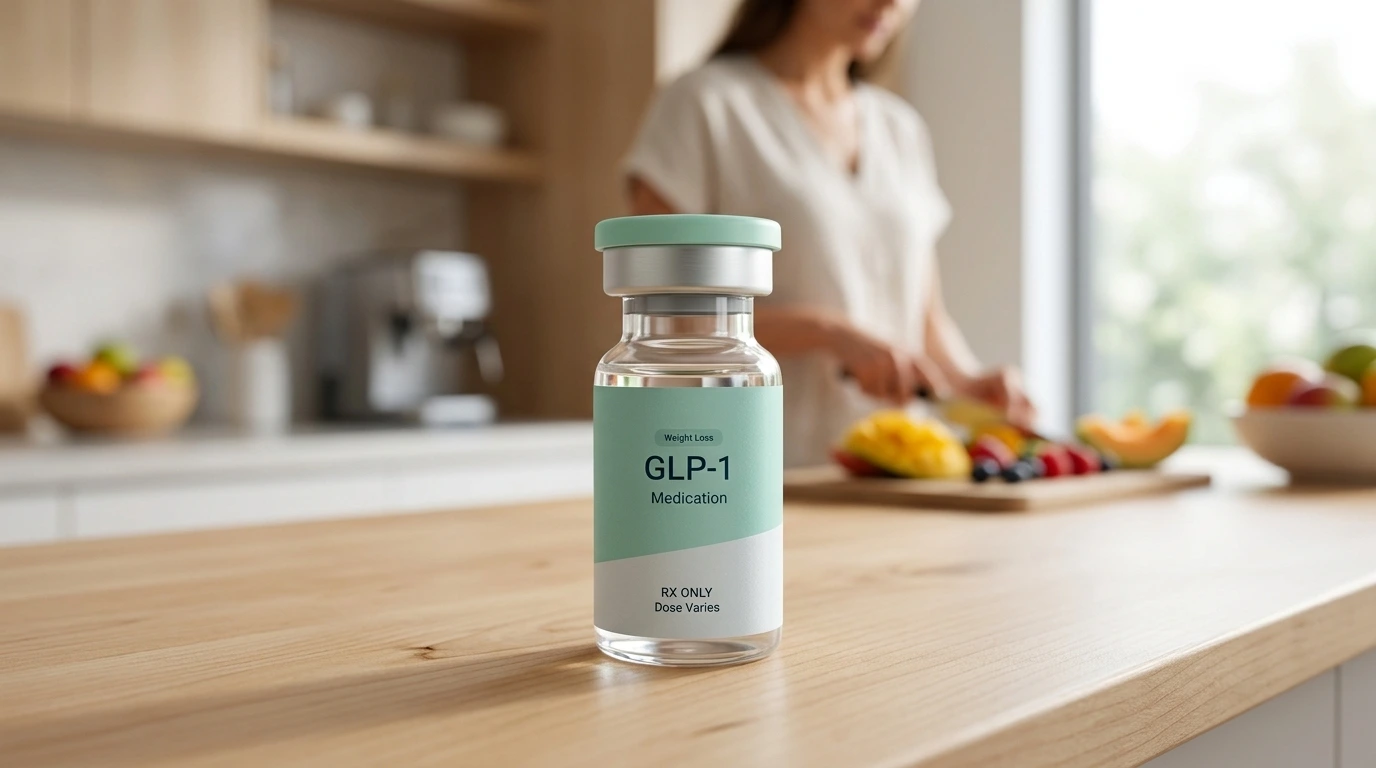
It is a common scenario: a friend or family member is curious about your weight loss progress and asks if they can “just try one dose” from your prescription. With the high demand for GLP-1 medications and the logistical challenges of obtaining them, the idea of sharing a multi-dose pen might seem like a helpful gesture. However, this is a dangerous practice that poses significant health risks. At TrimRx, we prioritize your safety and the integrity of your treatment above all else. This article will explain why you should never share your Ozempic® pen, the medical risks involved, and how our platform provides a safer, personalized path to weight management. Sharing medication is never the answer, but understanding the science behind injection safety can help you protect yourself and others.
Quick Answer: No, you should never share an Ozempic® pen with another person, even if you change the needle. Sharing pens can transmit serious bloodborne infections and lead to dangerous dosing errors or medical complications.
If you are considering prescription treatment for yourself, you can complete a free eligibility assessment to see whether a personalized program may be appropriate.
The Absolute Rule Against Sharing Pens
The medical community and the manufacturer of Ozempic® are clear: a single pen is intended for a single patient only. While many modern medications come in multi-dose delivery systems, these are not designed for multi-person use. The device is a sophisticated medical tool calibrated for one individual’s treatment plan.
Even if you have extra doses left in your pen or if you use a fresh, sterile needle for every injection, the risk remains. The prohibition against sharing is not just about the needle itself; it is about the internal mechanism of the pen and the potential for microscopic contamination that the naked eye cannot see.
For additional guidance, review this explanation of why Ozempic pens must never be shared.
Why Changing the Needle Isn’t Enough
The most common misconception is that changing the needle makes the pen safe for another person. This is incorrect. When a needle is attached to the pen and inserted into the skin, a phenomenon called “backflow” can occur. During the injection process, microscopic amounts of blood, tissue, or fluid can be drawn back into the needle and, subsequently, into the medication reservoir or the internal components of the pen.
Because these contaminants are microscopic, the medication may still look clear and colorless. However, once the internal chamber is contaminated, every subsequent dose delivered by that pen—even with a brand-new needle—carries the risk of transmitting infections to whoever uses it next.
You can also review this step-by-step guide to safe Ozempic pen use.
Understanding the Risk of Bloodborne Pathogens
Sharing an injection pen is functionally similar to sharing a needle, which is a well-known vector for serious diseases. Bloodborne pathogens are microorganisms such as viruses or bacteria that are carried in the blood and can cause disease in humans.
Viral Infections
The primary concern with sharing injection devices is the transmission of chronic viral infections. These include:
- Hepatitis B (HBV): A highly contagious virus that affects the liver. It can survive outside the body for seven days or more, making it a significant risk in shared medical devices.
- Hepatitis C (HCV): Another liver-targeting virus that can lead to chronic illness and liver damage. It is frequently transmitted through shared injection equipment.
- Human Immunodeficiency Virus (HIV): The virus that causes AIDS. While HIV does not survive as long outside the body as Hepatitis, any risk of transmission through blood backflow is a critical medical emergency.
Bacterial Contamination
Beyond viruses, sharing a pen introduces the risk of skin infections and systemic bacterial issues. Each person has a unique “microbiome” or set of bacteria living on their skin. Introducing another person’s skin bacteria into your injection site can lead to abscesses, cellulitis, or even sepsis in extreme cases.
For related injection precautions, see this guide to taking Ozempic safely at home.
The Dangers of Unsupervised Dosing
Aside from the risk of infection, sharing Ozempic® involves the unauthorized distribution of a prescription medication. These drugs are not “one size fits all.” A dose that is appropriate for you may be dangerous for someone else.
Lack of Medical Screening
When you join a program like ours, you undergo a health assessment. This process ensures the medication is safe for your specific health profile. A friend who “borrows” a dose has not been screened for contraindications. For example, individuals with a personal or family history of medullary thyroid carcinoma (MTC) or Multiple Endocrine Neoplasia syndrome type 2 (MEN 2) should not use these medications.
Side Effect Management
GLP-1 medications, which stand for glucagon-like peptide-1 receptor agonists, work by mimicking a hormone that regulates appetite and blood sugar. While effective, they can cause side effects like nausea, vomiting, diarrhea, or more serious issues like pancreatitis. When someone takes the medication without a prescription, they lack the professional guidance needed to manage these symptoms or recognize when a side effect has become a medical emergency.
You can learn more about common GLP-1 injection side effects.
Key Takeaway: Sharing a prescription pen removes the vital safety net of medical supervision, leaving the unauthorized user vulnerable to severe side effects and undiagnosed medical contraindications.
If you need individualized guidance, see if you qualify for a personalized treatment program.
How the Ozempic® Pen is Designed
To understand why sharing is so risky, it helps to look at how the pen is constructed. Ozempic® comes in a pre-filled, multi-dose pen. This means one pen contains enough medication for several weeks of treatment.
The Internal Mechanism
The pen uses a piston-driven system to push a specific amount of liquid through the needle. When the pressure is released after an injection, there is a momentary vacuum effect. This is the point where microscopic cellular material can be pulled into the pen. Because the pen is a closed system, there is no way to clean or sterilize the internal reservoir once it has been used.
Dosage Accuracy
Each pen is color-coded and labeled for specific doses, such as 0.25 mg, 0.5 mg, 1 mg, or 2 mg. If you share a pen with someone who requires a different dose than you, the risk of a dosing error is high. Taking too much medication can lead to severe gastrointestinal distress and dehydration, while taking too little may yield no benefit while still exposing the person to the risks of injection.
This overview of Ozempic pen types and packaging provides additional information about pen design and dosing.
Legal and Ethical Considerations
In the United States, Ozempic® is a prescription-only medication regulated by the FDA. Giving your prescription medication to another person is technically illegal. While it may feel like a private matter between friends, the legal framework exists to prevent the harm that comes from the misuse of potent medical treatments.
Furthermore, if the person you share with has a severe allergic reaction or an adverse event, you could be held liable for providing the substance. It is always better to direct friends or family members to a legitimate telehealth platform where they can receive their own medical evaluation and prescription.
Better Ways to Help a Friend
If someone you know is struggling with their weight or is interested in GLP-1 therapy, the best thing you can do is help them find a safe, legal, and supervised way to access treatment.
Directing Them to Professional Care
Rather than sharing your medication, encourage them to take a free assessment quiz. At TrimRx, we provide access to licensed healthcare providers who can evaluate their medical history and determine if they are a candidate for treatment. This ensures they receive a program tailored to their specific needs, complete with the necessary support and monitoring.
For more information about accessing GLP-1 care through telehealth, read this guide to finding personalized GLP-1 treatment.
Explaining the Personalized Approach
Every weight loss journey is different. Our programs include more than just medication; they involve ongoing support and a transparent process. By helping a friend start their own program, you are supporting their long-term success rather than providing a temporary, risky “fix.”
How TrimRx Supports Safe Weight Loss
We believe that everyone deserves access to effective weight management tools, but this access must never come at the expense of safety. Our platform is designed to make the process of getting medical support easy and transparent, removing the need for people to resort to sharing medication.
The Personalized Program
When you work with us, your program is built around you. This includes:
- Doctor Consultations: Connecting you with providers who understand metabolic health.
- Lab Work Coordination: Ensuring your body is ready for the medication.
- Compounded Options: We connect patients with FDA-registered, inspected compounding pharmacies. These pharmacies can provide compounded Semaglutide or compounded Tirzepatide, which may be an option for some patients after a clinical evaluation.
- Ongoing Support: Access to specialists to answer questions about your treatment or any side effects you may experience.
Our personalized Ozempic care guide explains how supervised treatment can be tailored to an individual’s health profile.
Shipping and Supplies
We ensure that your medication is shipped directly to your door with all the necessary supplies, including sterile needles and alcohol swabs. This eliminates confusion over where to get supplies and reduces the temptation to “stretch” a prescription or share with others.
Bottom line: Safety in weight loss comes from medical supervision and the use of personal, unshared medical devices.
Proper Storage and Disposal of Pens
Maintaining the safety of your medication also involves how you handle the pen when you are not using it. Proper hygiene and disposal prevent accidental exposure to others in your household.
Storage Guidelines
- Refrigeration: Unused pens should be kept in the refrigerator. Once a pen is in use, it can typically be kept at room temperature (59°F to 86°F) for up to 56 days.
- Keep the Cap On: Always store the pen with the cap on to protect the medication from light and to keep the needle attachment area clean.
- Avoid Extreme Temperatures: Never freeze your medication. If a pen has been frozen or exposed to extreme heat, such as in a hot car, it should be discarded.
Safe Disposal Steps
When your pen is empty, or if it has reached the 56-day limit after its first use, you must dispose of it correctly.
- Use a Sharps Container: Never throw used needles or pens in the regular trash. Use an FDA-cleared sharps disposal container. If you do not have one, a heavy-duty plastic household container with a tight-fitting lid, like a laundry detergent bottle, can work.
- Label the Container: Clearly mark the container as “Biohazard” or “Sharps.”
- Check Local Regulations: Different states have different rules for how to dispose of sharps containers. Some allow them to be placed in the trash once sealed and labeled, while others require them to be taken to a collection site.
Managing Supply Frustrations
We understand that the desire to share often comes from frustration with access to treatment. Pharmacy shortages can leave many people feeling desperate.
Why Compounded Medications are an Alternative
Because we work with FDA-registered compounding pharmacies, we can help bridge the gap for those who cannot find branded options.
- Compounded Semaglutide and Compounded Tirzepatide are prepared by pharmacists to meet a specific prescription.
- While these are not FDA-approved in the same way a mass-produced branded drug is, the pharmacies themselves are highly regulated and inspected.
- This may provide an alternative to the dangerous practice of sharing pens or obtaining medications from unverified sources.
Identifying Counterfeit or Tampered Pens
If you obtain a pen from a source other than a licensed pharmacy—such as from a friend—you also run the risk of using a counterfeit product. There have been reports of fake Ozempic® pens entering the market. These may contain the wrong medication, an incorrect dose, or harmful substances.
Signs of a legitimate pen include:
- The medication is clear and colorless.
- The box and pen have matching lot numbers and expiration dates.
- The pen dial moves smoothly and clicks at the correct intervals.
- The packaging is professionally printed with no spelling errors.
If you are ever in doubt about the authenticity of your medication, consult your healthcare provider or a pharmacist immediately.
The Role of Education in Sustainable Weight Loss
At TrimRx, our mission is to help individuals embrace healthier lifestyles through science, empathy, and a transparent approach. Part of that mission is education. Understanding that sharing a pen is a health hazard is the first step toward a more responsible and successful weight loss journey.
Sustainable weight loss is not just about the medication; it is about the entire ecosystem of care. This includes proper nutrition, physical activity, and medical guidance. When you have your own prescription and your own clinical team, you are much more likely to achieve the results you want without the fear of infection or injury.
Next Steps for Your Journey
If you are currently sharing a pen or thinking about it, please stop. Your health is worth more than the cost of a single dose.
- Dispose of the shared pen: If a pen has been used by more than one person, it is contaminated. Dispose of it safely in a sharps container.
- Consult a provider: If you have already used a shared pen, speak with a doctor about your risk of bloodborne infections.
- Start your own program: Take the first step toward a safe, personalized treatment plan by completing the online assessment.
Conclusion
Sharing an Ozempic® pen is a risk that is never worth taking. From the threat of serious infections like Hepatitis and HIV to the dangers of incorrect dosing and lack of medical supervision, the consequences can be life-altering. The sophisticated design of these pens makes them unsafe for multi-person use, regardless of whether the needle is changed.
We are committed to helping you find a safe and sustainable path to health. By choosing a personalized program, you ensure that you are receiving the right medication, at the right dose, with the right support. Don’t let a shortcut derail your progress or compromise your safety.
Key Takeaway: Protect your health by keeping your medication private. A personalized, medically supervised program is the only safe way to use GLP-1 medications for weight loss.
If you are ready to start your own journey with the support of a dedicated clinical team, the best way to begin is through our free assessment process. This will help determine the best path forward for your unique metabolic health needs.
FAQ
Can I share my Ozempic pen if I use a brand new needle?
No, you should never share your pen even with a new needle. Microscopic amounts of blood and tissue can be drawn into the pen’s internal reservoir during an injection through a process called backflow, which can then contaminate the entire pen and infect the next user. This Ozempic pen safety overview explains the contamination risk in greater detail.
What diseases can be spread by sharing an injection pen?
Sharing an injection pen can transmit serious bloodborne pathogens, including Hepatitis B, Hepatitis C, and HIV. Additionally, it can lead to bacterial skin infections or systemic infections because the device becomes a carrier for another person’s biological material.
Is it safe to give my friend just one dose from my pen?
It is not safe for your friend or for you. Your friend has not been medically screened for contraindications or allergies, and you run the risk of contaminating your remaining supply or facing legal issues for distributing a prescription medication without a license. Anyone considering GLP-1 treatment should begin with a personalized eligibility assessment.
How should I dispose of a pen that someone else accidentally used?
If someone else has used your pen, it must be considered contaminated and should be disposed of immediately in a sharps container. Do not attempt to “clean” the pen, as the contamination is inside the mechanism where it cannot be reached or sterilized. For additional handling instructions, review this safe Ozempic administration guide.
Disclaimer: This content is for informational purposes only and does not constitute medical advice. It is not intended to diagnose, treat, cure, or prevent any disease or condition. Individual results may vary. Always consult a qualified healthcare professional before starting any weight loss program or medication.

Transforming Lives, One Step at a Time
Keep reading

Ozempic and Social Isolation: When Food Was How You Connected
This is a real cost of treatment and it does not get discussed much, partly because it sounds minor next to the medical benefits….
Can’t Comfort Eat on Ozempic and Don’t Feel Better? Why That Happens
Because the eating was doing a job, and removing your capacity to do it does not remove the need it was meeting. That is…
Food Noise Came Back on Ozempic? Whether It’s Your Dose or Your Stress
The pattern tells you more than the intensity does. Food noise that returns gradually over weeks and stays constant points toward the medication. Food…


