Can You Take Wegovy with AFib? What You Need to Know
Introduction
Finding a weight loss solution that feels both effective and safe can be a daunting task, especially when you are managing a pre-existing heart condition. You may have spent years trying various diets and exercise routines, only to find that the weight remains stubborn while your heart health feels increasingly fragile. If you have been diagnosed with Atrial Fibrillation (AFib)—a common type of irregular heartbeat—you might be curious if the highly discussed medication Wegovy® is a safe option for you. At TrimRx, we believe that understanding the intersection of metabolic health and cardiovascular safety is essential for anyone starting a weight loss journey. This post will cover the clinical considerations of using GLP-1 medications while managing AFib, the potential benefits for your heart, and the safety precautions you should discuss with a healthcare provider. Taking Wegovy® with AFib is generally considered safe and potentially beneficial under medical supervision, provided your specific heart health profile is carefully monitored.
If you’re wondering whether a prescription weight loss program could fit your situation, you can take the free assessment quiz to see whether you may be a candidate for a personalized plan.
Understanding the Link Between Weight and AFib
Atrial Fibrillation, often called AFib, is a condition where the upper chambers of the heart beat irregularly. This can lead to symptoms like palpitations, shortness of breath, and fatigue. While there are many causes for this rhythm disturbance, clinical research has consistently shown that excess weight is one of the most significant modifiable risk factors.
When the body carries excess weight, the heart has to work harder to pump blood. This increased workload can lead to structural changes in the heart, such as the enlargement of the left atrium. Additionally, obesity is often associated with systemic inflammation. This inflammation can “irritate” the electrical pathways of the heart, making an episode of AFib more likely to occur.
Losing weight is frequently recommended as a primary treatment strategy for AFib patients. Studies have suggested that even a 10% reduction in body weight can significantly reduce the frequency and severity of AFib episodes. For many, weight loss isn’t just about aesthetics; it is a critical component of heart rhythm management.
How Wegovy® Interacts with the Body
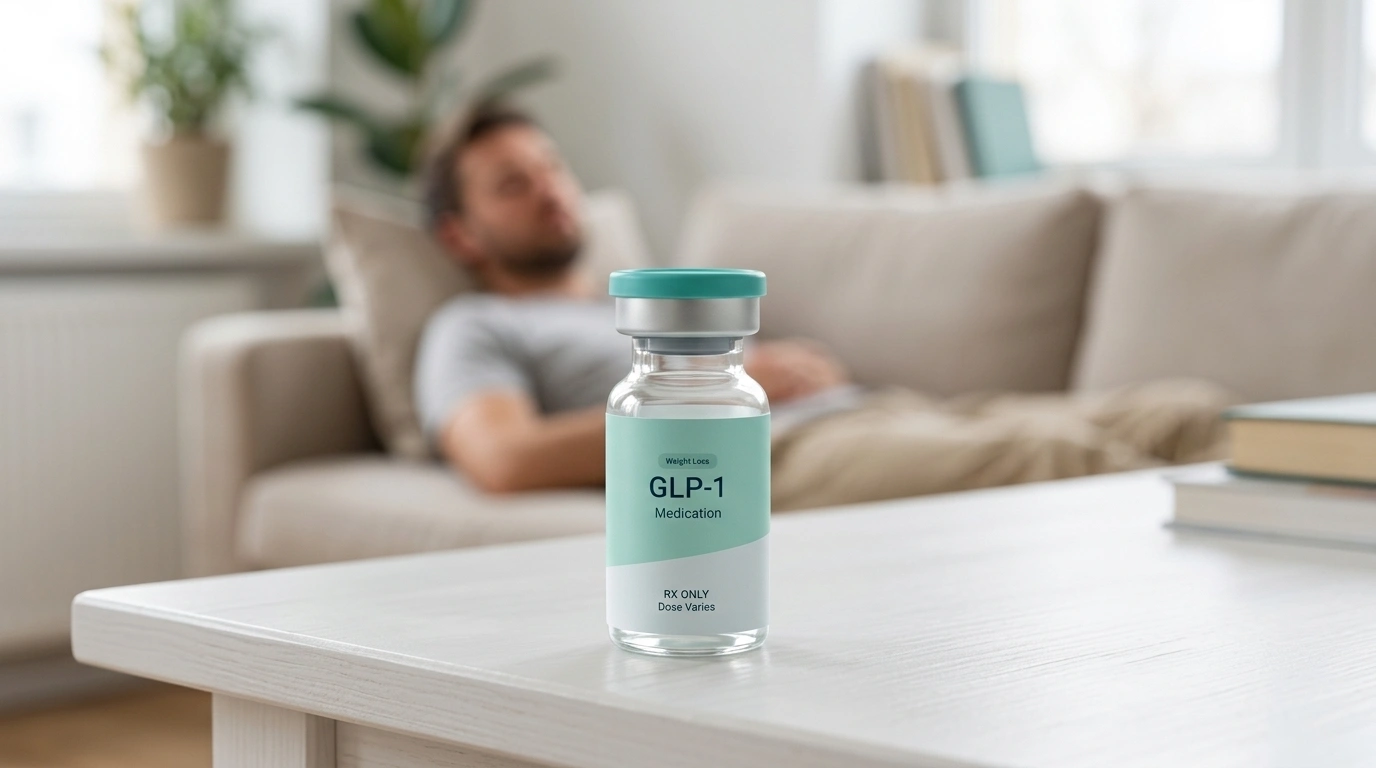
Wegovy® is a brand-name medication that contains semaglutide. Semaglutide belongs to a class of drugs known as glucagon-like peptide-1 (GLP-1) receptor agonists. These medications mimic a hormone naturally produced in your gut that signals to your brain when you are full.
By activating these GLP-1 receptors, the medication slows down stomach emptying and reduces appetite. This helps individuals maintain a calorie deficit more easily than they might through willpower alone. Beyond weight loss, semaglutide has been shown to have various effects on the cardiovascular system, including improvements in blood pressure and a reduction in systemic inflammation.
For a deeper look at how this medication class works, you can explore our guide on what GLP-1 support is and how it can transform your weight loss journey.
The FDA’s New Stance on Wegovy® and Heart Health
In early 2024, the U.S. Food and Drug Administration (FDA) expanded the approved use of Wegovy®. It is now officially indicated to reduce the risk of cardiovascular death, heart attack, and stroke in adults who have cardiovascular disease and are either obese or overweight.
This approval was based on a major clinical trial known as the SELECT trial. The study found that participants taking the medication had a 20% lower risk of major adverse cardiovascular events compared to those taking a placebo. While the trial focused on general cardiovascular disease rather than AFib specifically, the findings are highly relevant. Since many people with AFib also have other cardiovascular risks, the protective nature of this medication is an encouraging sign for heart patients.
Potential Benefits of Taking Wegovy® with AFib
For someone living with AFib, the primary goal of any weight loss intervention is to reduce the “burden” on the heart. Using a GLP-1 medication may provide several indirect benefits:
- Reduction in Heart Strain: As the numbers on the scale go down, the heart does not have to pump as forcefully to move blood through the body, which can reduce the stretching of the heart chambers.
- Improved Sleep Apnea: Obesity is a leading cause of obstructive sleep apnea, which is a major trigger for AFib. Weight loss often improves breathing during sleep, which in turn stabilizes heart rhythms.
- Blood Pressure Management: High blood pressure is a key driver of AFib. Semaglutide often leads to modest reductions in both systolic and diastolic blood pressure.
- Inflammation Control: By reducing visceral fat (the dangerous fat around organs), the medication helps lower the inflammatory markers that can disrupt the heart’s electrical signals.
If you want to understand the broader weight-management picture, our article on why weight loss is so hard can help put the challenge in context.
Critical Precautions for AFib Patients
While the general outlook is positive, there are specific factors that anyone with an irregular heartbeat must consider before starting a GLP-1 program.
Resting Heart Rate Changes
One of the known effects of medications like Wegovy® is a slight increase in resting heart rate. On average, patients may see an increase of 1 to 4 beats per minute. For a healthy person, this is usually negligible. However, for someone with AFib, whose heart rate may already be difficult to control, any increase needs to be monitored by a doctor to ensure it doesn’t trigger an episode of tachycardia (a fast heart rate).
Dehydration and Electrolytes
The most common side effects of semaglutide are gastrointestinal, such as nausea, vomiting, or diarrhea. If these side effects become severe, they can lead to dehydration and an imbalance in electrolytes like potassium and magnesium. Electrolytes are essential for maintaining a steady heart rhythm. A significant drop in these minerals can directly trigger an AFib episode.
Medication Interactions
Patients with AFib are often on blood thinners (anticoagulants) or rate-control medications (like beta-blockers). While there are no direct contraindications between Wegovy® and these drugs, the slowed digestion caused by GLP-1s can sometimes affect how other oral medications are absorbed. It is vital to have your medication list reviewed by a licensed provider.
Managing Side Effects Safely
If you and your provider decide to proceed with a weight loss program, managing side effects is the key to protecting your heart rhythm. At our platform, we emphasize a personalized approach where your unique health history dictates your care plan.
Step 1: Gradual Dosing
Starting at the lowest possible dose and increasing slowly helps the body—and the heart—adjust to the medication. This minimizes the risk of sudden heart rate spikes or severe GI distress.
Step 2: Vigilant Hydration
We recommend that patients with heart conditions drink plenty of fluids and consider electrolyte supplements if they experience any nausea or diarrhea. This keeps the heart’s electrical environment stable.
Step 3: Consistent Monitoring
Using a home blood pressure cuff or a wearable device to track your heart rate can provide valuable data for your healthcare team. If you notice your resting heart rate climbing significantly, your provider may need to adjust your dose.
If you’re looking for nutritional support while managing appetite changes, our GLP-1 Daily Support supplement is designed to help support your routine during treatment.
Comparing Options: Branded vs. Compounded
When looking for weight loss support, you will likely encounter both branded medications and compounded alternatives. It is important to understand the differences so you can make an informed choice.
| Feature | Wegovy® / Ozempic® | Compounded Semaglutide |
|---|---|---|
| Manufacturer | Novo Nordisk | Specialized Compounding Pharmacies |
| FDA Status | FDA-approved for specific uses | Not FDA-approved |
| Availability | Often subject to national shortages | Prepared to order by licensed pharmacies |
| Administration | Pre-filled auto-injector pens | Usually multi-dose vials with syringes |
| Clinical Trials | Extensive proprietary data | Based on data for the base active ingredient |
At our platform, we connect patients with licensed providers who can prescribe personalized treatments. We use FDA-registered and inspected compounding pharmacies to ensure high standards of preparation, though it is important to remember that compounded medications themselves do not carry a standalone FDA approval like branded Wegovy®.
For more context on semaglutide access and eligibility, our post on how to get semaglutide for weight loss walks through the process in detail.
The TrimRx Approach to Heart-Safe Weight Loss
We understand that weight loss is not a one-size-fits-all journey, especially when heart health is involved. Our telehealth model is designed to provide the supervision necessary for people with complex health profiles.
When you join us, our process begins with a comprehensive assessment. We look at your medical history, including your AFib diagnosis and any medications you are currently taking. This allows the licensed providers on our platform to determine if a GLP-1 medication is the right fit for you.
If you’re ready to see whether a medically supervised plan makes sense for you, complete the free assessment quiz to get started.
Our programs are built on the foundation of transparency. We provide 24/7 access to specialists who can answer your questions about side effects or heart rate changes. Our goal is to help you achieve sustainable weight loss while keeping your heart’s safety at the forefront of every decision.
Questions to Ask Your Doctor
Before starting Wegovy® or any similar medication, we encourage you to have an open conversation with your cardiologist or electrophysiologist. Consider asking:
- Is my AFib currently stable enough to begin a weight loss medication?
- What heart rate range should I stay within while on this medication?
- Will the slowed digestion of this drug affect my blood thinners or rhythm medications?
- What should I do if I experience severe nausea or dehydration?
If you’re still comparing treatment paths, our article on what GLP-1 medications are and how they work can help you talk with your doctor from a more informed place.
Why Personalization Matters
Every heart is different. An individual who has paroxysmal AFib (occasional episodes) may have a different experience than someone with permanent AFib. Furthermore, your current BMI and other metabolic factors, such as the presence of Type 2 diabetes, play a role in how your body will respond to treatment.
This is why we move away from the “one-size-fits-all” mentality. Our personalized programs are designed to meet you where you are. Whether you are looking for an injectable semaglutide or an oral tirzepatide option, the providers we work with prioritize your safety and long-term health over quick fixes.
Moving Forward with Confidence
Living with AFib can feel like you are constantly walking a tightrope, but weight management doesn’t have to be another source of stress. The clinical evidence suggests that the active ingredients in medications like Wegovy® can be a powerful tool for improving heart health by addressing the root cause of many cardiac issues: excess weight.
By working with a platform like ours, you gain access to a dedicated team that understands these nuances. We provide the clinical framework, the medication access through regulated pharmacies, and the ongoing support needed to help you reach your goals safely.
Conclusion
Taking Wegovy® with AFib is a decision that should be made in partnership with a healthcare professional, but for the majority of people, it is a viable and often beneficial path. The ability to reduce cardiovascular risk and improve the structural health of the heart makes these medications a major advancement in the management of obesity-related heart conditions.
Our mission at TrimRx is to bridge the gap between advanced science and empathetic, personalized care. We believe everyone deserves a weight loss program that respects their medical history while providing modern, effective tools for success. If you are ready to see how a medically supervised program can work for your specific needs, your next step is simple.
Start by taking our free assessment quiz to see if you qualify for a personalized treatment plan. For those looking for extra support during their journey, you can also explore our GLP-1 Daily Support supplement to help maintain your nutritional balance.
FAQ
Can Wegovy® cause an AFib flare-up?
While Wegovy® does not directly cause AFib, it can slightly increase your resting heart rate. Additionally, if the medication leads to severe dehydration or electrolyte imbalances due to GI side effects, these factors can trigger an AFib episode. It is important to stay hydrated and monitor your heart rate closely.
Do I need to see a cardiologist before starting a weight loss program?
If you have a history of AFib, it is highly recommended that you consult your cardiologist or electrophysiologist. They can ensure your heart rhythm is stable enough for the medication and advise you on how to monitor your symptoms as you begin your program. If you want a quick way to see whether you may qualify before that visit, you can take the assessment quiz.
Is compounded semaglutide safe for heart patients?
Compounded semaglutide contains the same active base ingredient as the branded versions, which have shown cardiovascular benefits. However, compounded medications are not FDA-approved, so it is crucial to receive them from a reputable platform like ours that uses FDA-registered and inspected compounding pharmacies.
What should I do if my heart rate increases on Wegovy®?
A small increase in resting heart rate is common and usually not a cause for concern. However, if you feel palpitations, dizziness, or if your heart rate remains significantly higher than your baseline, you should contact your healthcare provider immediately to discuss a dose adjustment or further evaluation. For broader side-effect guidance, our article on whether GLP-1s are bad for you may also be helpful.
Disclaimer: This content is for informational purposes only and does not constitute medical advice. It is not intended to diagnose, treat, cure, or prevent any disease or condition. Individual results may vary. Always consult a qualified healthcare professional before starting any weight loss program or medication.

Transforming Lives, One Step at a Time
Keep reading

Wegovy Alternatives: What Else Works for Weight Loss
If Wegovy isn’t working out, the strongest alternative is tirzepatide (Zepbound), which tends to produce more weight loss, followed by other GLP-1 options and…

VK2735 vs Wegovy: Investigational Contender vs Proven Semaglutide
VK2735 and Wegovy sit at different stages of development. VK2735, an investigational drug from Viking Therapeutics, comes in both injectable and oral forms and…

Mazdutide vs Wegovy: How the Two Compare
Mazdutide and Wegovy are both injectable weight-loss drugs, but they are worlds apart on availability. Mazdutide, a dual glucagon and GLP-1 agonist, is approved…


