What Color Is Tirzepatide Injection?
Introduction
You have taken the first step toward a healthier version of yourself, and your medication has finally arrived. As you prepare for your first dose, it is completely normal to pause and look closely at the liquid inside the vial or pen. You want to be sure that what you are about to put into your body is safe, effective, and exactly what the doctor ordered. At TrimRx, we understand that these small details can cause significant anxiety during a weight loss journey. Knowing the correct appearance of your medication is a vital part of being an informed patient. This article will clarify what color tirzepatide injection should be, why certain variations might occur, and when a change in appearance means you should reach out to a professional.
Quick Answer: In its standard form, tirzepatide is a clear and colorless liquid. It should look like plain water and be free of any visible particles or cloudiness.
The Standard Appearance of Tirzepatide
Tirzepatide is a dual-agonist medication that mimics two natural hormones in the body. These hormones are glucagon-like peptide-1 (GLP-1) and glucose-dependent insulinotropic polypeptide (GIP). By activating these receptors, the medication helps regulate blood sugar and slows down stomach emptying, which can help you feel full for longer periods.
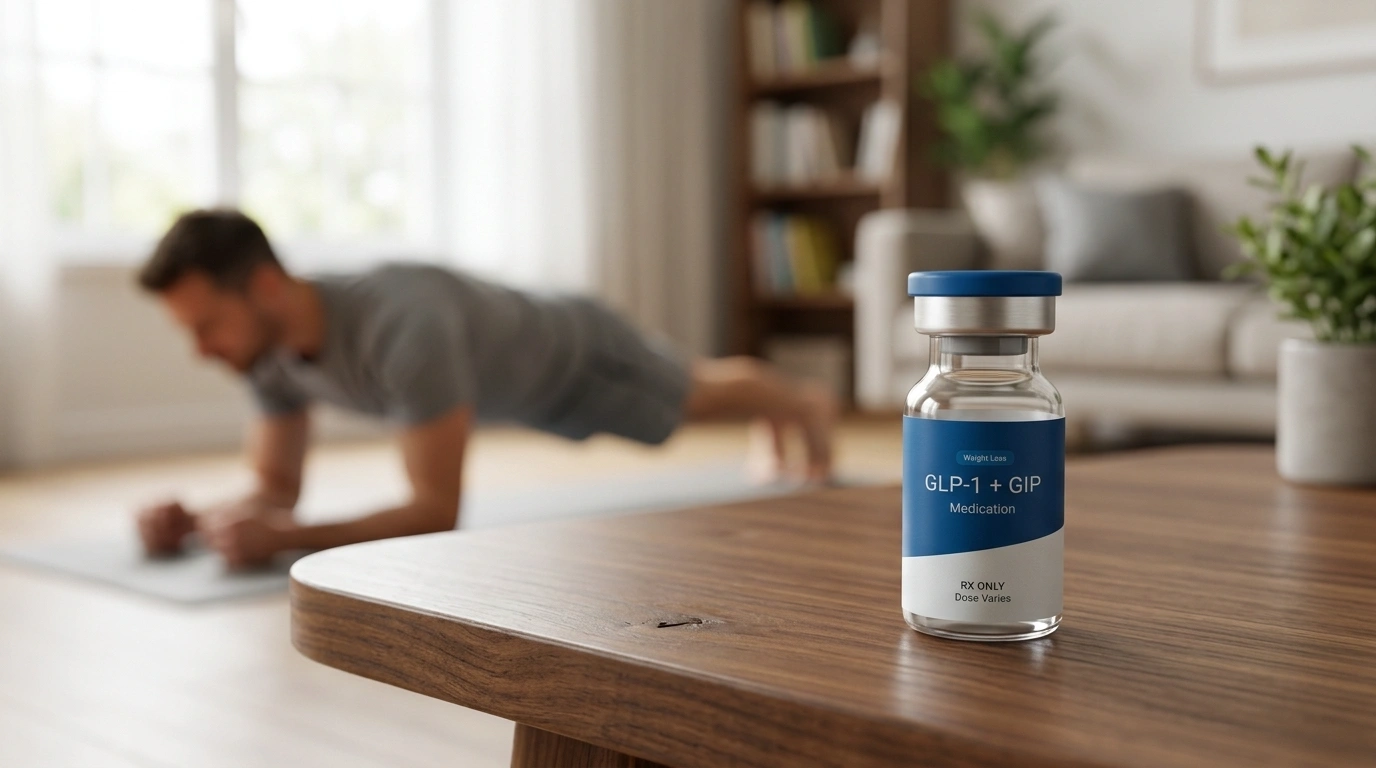
When you receive tirzepatide, the liquid should be perfectly clear. Whether you are using a pre-filled single-dose pen or a vial for use with a syringe, the base medication is processed to be transparent. It should not have a “tint” or a “haze.” If you hold the vial up to a bright light, you should be able to see through it as easily as you would a glass of water. For additional context, review this guide to what color tirzepatide injection should be.
The texture of the liquid is also important for safety. It should be thin and watery, not thick, syrupy, or “stringy.” While you might see a few tiny air bubbles after handling the vial, these are normal and should dissipate quickly. What you should never see are solid white flakes, “crystals,” or any sediment at the bottom of the container.
Branded vs. Compounded Tirzepatide Appearance
It is important to understand the difference between branded medications and compounded versions when it comes to visual inspection. Branded medications like Mounjaro® and Zepbound® are produced in strictly controlled manufacturing facilities and are always clear and colorless.
Compounded tirzepatide is prepared by specialized pharmacies. While TrimRx connects patients with licensed, FDA-registered, and inspected compounding pharmacies, these pharmacies may sometimes add other beneficial ingredients to the mixture. This is often referred to as “compounding.”
Why Compounded Medication Might Have Color
The most common reason for a color change in compounded tirzepatide is the addition of vitamins. Many healthcare providers choose to add Cyanocobalamin, which is a form of Vitamin B12, to the injection. Vitamin B12 is naturally a very vibrant red color.
When B12 is mixed with tirzepatide, the resulting liquid will turn pink or red. This is a normal result of the mixture and does not indicate that the medication is “spoiled.” However, this should always be noted on the labeling provided by the pharmacy. If your medication is pink and your prescription does not list Vitamin B12 or another additive, you should verify the contents with your provider before proceeding. You can also review this explanation of compounded tirzepatide color variations.
Clarity Remains the Standard
Even if the medication has a pink tint due to additives, it must still be clear. “Clear” means that even though the liquid has a color, it is not “cloudy.” You should still be able to see through the pink liquid. If a pink or red medication looks “milky” or “muddy,” it is no longer safe to use.
Key Takeaway: Standard tirzepatide is clear and colorless, looking exactly like water. The only exception is compounded tirzepatide containing additives like Vitamin B12, which can turn the liquid a clear pink or red.
Why Your Medication Might Change Color
Tirzepatide is a peptide, which is a specific chain of amino acids. Peptides are notoriously fragile molecules. They are sensitive to their environment, and when they are exposed to certain conditions, the chemical bonds can break down. This process is known as degradation. When a peptide degrades, it often changes its physical appearance.
Heat Exposure
Temperature control is critical for maintaining the integrity of tirzepatide. Most GLP-1 and GIP medications must be kept refrigerated between 36°F and 46°F. If the medication gets too hot—such as being left in a warm car or sitting on a porch in the sun—the proteins can “denature.” This often causes the liquid to turn a slight yellow or brownish color. It may also become cloudy. For more guidance, read about what happens when tirzepatide gets warm.
Light Sensitivity
Direct sunlight or even strong indoor UV light can damage the medication. This is why many vials are made of amber glass or are meant to be stored inside their original cardboard box. Prolonged light exposure can cause a chemical reaction that discolors the liquid. If your clear medication begins to look straw-colored or amber, it may have lost its potency due to light damage.
Freezing
Freezing is just as damaging as excessive heat. If the liquid in your vial or pen has frozen and then thawed, you may notice “floaties” or a cloudy appearance. Freezing breaks the delicate structure of the tirzepatide molecule. Once frozen, the medication is no longer effective and should be discarded. Learn more about what happens if tirzepatide freezes.
Expiration
All medications have a “use-by” or “beyond-use” date. As the medication nears or passes this date, the preservatives may begin to fail, and the tirzepatide itself may start to break down. This can lead to a change in the pH of the liquid, which sometimes results in a subtle shift from colorless to a faint yellow.
Visual Inspection Checklist
Before every single injection, you should perform a quick visual “safety check.” This only takes a few seconds but is the best way to ensure you are getting a safe dose.
Follow these steps for a proper inspection:
- Step 1: Check the lighting. Hold the vial or pen up to a window or a bright lamp.
- Step 2: Check for clarity. Ensure the liquid is transparent and not “milky” or “foggy.”
- Step 3: Check for particles. Look for any tiny white specks, crystals, or “clumps” floating in the liquid.
- Step 4: Confirm the color. Ensure it is either colorless (standard) or a clear pink (if B12 is added).
- Step 5: Check the date. Verify that the medication is not past its expiration or beyond-use date.
Bottom line: If the liquid fails any part of this visual inspection—if it is cloudy, discolored (yellow/brown), or contains particles—do not inject it. It is always better to skip a dose and wait for a replacement than to risk an adverse reaction.
What to Do if the Color Is Wrong
If you notice that your tirzepatide has changed color or looks “off,” the first rule is: do not use it. Injecting degraded or contaminated medication can lead to skin infections, localized reactions, or simply a lack of clinical effect because the medication is no longer active.
The next step is to document the issue. Take a clear photo of the vial or pen against a white background to show the discoloration or cloudiness. Note the lot number and the expiration date on the label.
Contact your healthcare provider or the pharmacy immediately. If you are using our platform, you have access to a dedicated team of specialists who can help you determine if the medication is safe or if a replacement is needed. We prioritize your safety and want to ensure that every dose you take is of the highest quality.
Do not attempt to “fix” the medication. Some people believe that shaking a cloudy vial will make it clear again. This is incorrect. Shaking can actually cause further damage to the delicate peptide molecules. Similarly, do not try to “warm up” a frozen vial to reuse it.
Understanding Safety and Compounding
When you choose a program through a platform like ours, you are opting for a medically supervised experience. We believe that transparency is the foundation of trust.
Compounded medications are a vital tool in the modern weight loss landscape, especially during periods of branded medication shortages. Because these are prepared by pharmacists, they offer the flexibility to add nutrients like B12 that may support energy levels during a calorie deficit. However, because they are prepared in a pharmacy rather than a mass-production factory, the “beyond-use” dates are typically shorter than branded products. This makes your regular visual inspections even more important. Patients considering prescription treatment can complete a free eligibility assessment to learn whether a personalized program may be appropriate.
Storage Tips for Maintaining Color and Potency
To keep your tirzepatide clear and effective for as long as possible, you must follow strict storage guidelines. For a broader overview, see this guide to tirzepatide storage, travel, and handling.
- Keep it cold: Store your vials or pens in the main body of the refrigerator, not the door (where the temperature fluctuates).
- Protect from light: Keep the medication in its original box to shield it from light every time the refrigerator door opens.
- Avoid the “freeze zone”: Ensure the vial is not pushed all the way to the back of the fridge where it might accidentally freeze.
- Travel carefully: If you are traveling, use a medical-grade cooling pouch. Never leave your medication in a checked bag on an airplane where temperatures are not controlled.
The Role of Personalized Programs
Weight loss is not a “one size fits all” process. What works for one person might not be the right fit for another. This is why we focus on personalized programs that look at your entire health profile.
When you engage with a platform like ours, you aren’t just getting a prescription; you are getting a support system. Whether you are curious about the color of your medication, managing side effects, or wondering if you should adjust your dosage, having 24/7 access to specialists removes the guesswork. This clinical oversight is what makes a telehealth-based program a sustainable choice for long-term health. If you are exploring whether treatment may fit your goals, you can take the free assessment quiz to get started.
Potential Side Effects and Safety
While the color of the medication is a primary safety check, you should also be aware of what to expect after the injection. Tirzepatide is generally well-tolerated, but because it affects the digestive system, some people experience:
- Nausea or upset stomach
- Diarrhea or constipation
- Decreased appetite (the intended effect)
- Mild redness at the injection site
For more information about common reactions, review this guide to compounded tirzepatide side effects.
If you experience a change in the color of your medication and an increase in injection site reactions, stop use immediately. A change in the liquid’s appearance combined with a physical reaction could indicate that the medication has spoiled or become contaminated. Always consult with a licensed healthcare provider if you have concerns about how your body is reacting to the treatment.
Note: If you have a history of medullary thyroid carcinoma (MTC) or Multiple Endocrine Neoplasia syndrome type 2 (MEN 2), you should discuss this with your provider before starting tirzepatide, as it may not be suitable for you.
Conclusion
The color of your tirzepatide injection is a simple but powerful indicator of its safety and potency. In almost all cases, the liquid should be as clear and colorless as water. The only common exception is a clear pink or red tint in compounded versions that include Vitamin B12. By performing a five-second visual check before every dose, you protect your health and ensure your weight loss journey stays on track.
At TrimRx, our mission is to help you navigate the complexities of modern weight loss with science, empathy, and total transparency. We are here to support you every step of the way—from your initial assessment to your long-term success.
- Always check for clarity: Avoid cloudy or “milky” liquids.
- Watch for “floaties”: Do not use medication with visible particles.
- Respect the cold chain: Keep your medication refrigerated and away from light.
- Trust your gut: If it looks wrong, ask a professional.
If you are ready to start a program that prioritizes your safety and provides the expert guidance you deserve, your next step is simple. You can take our free assessment quiz to see which personalized program is the right fit for your health goals.
FAQ
Is it normal for tirzepatide to be cloudy?
No, tirzepatide should never be cloudy. Whether you are using a branded product or a compounded version, the liquid must be transparent. Cloudiness usually indicates that the medication has been exposed to extreme temperatures or has begun to grow bacteria, and it should not be used.
Why is my compounded tirzepatide pink?
Your compounded tirzepatide is likely pink because the pharmacy added Vitamin B12 (Cyanocobalamin) to the mixture. Vitamin B12 has a naturally deep red color, which turns the liquid pink when diluted. As long as the pink liquid is still clear and not cloudy, it is generally normal for that specific formulation.
Can I still use tirzepatide if it has a yellowish tint?
A yellow or straw-colored tint usually suggests that the peptide has degraded due to heat or light exposure. While it might not be “toxic,” it is likely much less effective and could potentially cause a skin reaction. It is best to contact your provider for a replacement rather than using discolored medication.
What should I do if I see small white flakes in the vial?
If you see white flakes, crystals, or any solid particles in your medication, do not inject it. This is often a sign that the medication was frozen and thawed or that the proteins have clumped together (precipitated). This medication is no longer safe or effective for weight loss treatment.
If you are considering prescription treatment, you can see if you qualify for a personalized program before moving forward.
Disclaimer: This content is for informational purposes only and does not constitute medical advice. It is not intended to diagnose, treat, cure, or prevent any disease or condition. Individual results may vary. Always consult a qualified healthcare professional before starting any weight loss program or medication.

Transforming Lives, One Step at a Time
Keep reading

Starting Tirzepatide While on the Pill: The First Four Weeks
You have your first box and you take an oral contraceptive. There is a labeled instruction that applies to you, and the mistake almost…

Marathon Training on Tirzepatide When You Can’t Fuel
You have a plan on the fridge and a medication that has made eating feel optional. Those two things are in genuine conflict, and…

Paying Cash for Tirzepatide? Don’t Stretch Your Supply
When every vial comes out of your own pocket, the arithmetic is hard to ignore. If a month’s supply costs what it costs, and…


