What Does Taking Ozempic Feel Like? A Guide to the Experience

Introduction
Starting a medical weight loss journey often begins with a mix of hope and uncertainty. You have likely heard the buzz surrounding GLP-1 medications, but the most common question remains: what does taking Ozempic® actually feel like on a daily basis? It is one thing to read clinical data, but it is another to understand how your relationship with food, your energy levels, and your physical sensations might shift once you begin.
At TrimRx, we believe that transparency is the first step toward a successful health transformation. If you are still deciding whether a prescription program makes sense, you can see if you qualify for a personalized program before you read on. Understanding the sensory and emotional experience of these medications helps you prepare for the journey ahead and manage expectations. This post covers the physical sensations of the injection, the mental shift in how you perceive hunger, and the common side effects you might encounter as your body adjusts to the treatment. By the end, you will have a clear picture of what a typical day might look like while navigating this path toward sustainable health.
The Mental Shift: Silencing the Food Noise
For many people, the most profound change after starting a GLP-1 medication like Ozempic® (semaglutide) is not physical, but mental. This is often described as the “silencing of food noise.”
Food noise refers to the constant, intrusive thoughts about eating, planning the next meal, or craving specific snacks that many individuals struggle with. In a typical day, this “noise” can be exhausting, making it difficult to stick to a nutritional plan. When the medication begins to work, many patients report that these thoughts simply fade into the background.
Many readers find it helpful to pair that mental shift with a practical routine, and 7 Tips to Maximize GLP-1 Weight Loss Results offers a simple follow-up framework.
Redefining Hunger and Cravings
When the medication enters your system, it mimics a natural hormone called glucagon-like peptide-1 (GLP-1). This hormone targets the areas of the brain responsible for appetite and reward.
- Decreased Urgency: You may find that you no longer feel a “need” to eat immediately when you see food.
- Apathy Toward Cravings: Foods that used to feel irresistible—like salty snacks or sweets—may suddenly look like any other inanimate object.
- Mental Freedom: Many people find they have more “brain space” to focus on work, hobbies, or family because they aren’t constantly managing hunger signals.
Key Takeaway: The “food noise” reduction is often the first sign the medication is working, allowing the brain to focus on things other than the next meal.
The Physical Sensation of Fullness
The physical feeling of being on Ozempic® is largely defined by how your stomach processes food. The medication belongs to a class of drugs called GLP-1 receptor agonists. One of its primary functions is to slow down gastric emptying, which is the speed at which food leaves your stomach and enters the small intestine.
Feeling “Full” Faster
Because the “exit door” of your stomach stays closed longer, you will likely feel physically full much sooner than you are used to.
- The Half-Meal Mark: You might sit down with a standard portion of food only to realize you are completely satisfied after just a few bites.
- The “Stop” Signal: Unlike a traditional diet where you might eat until the plate is empty, the medication reinforces a very clear physical signal that you have had enough.
- Sustained Satiety: Because food stays in the stomach longer, that feeling of being full can last for several hours, often eliminating the desire for mid-afternoon or late-night snacks.
The Digestive Transition
As your body adjusts to this slower pace, you might experience a sensation of “heaviness” in the upper abdomen if you eat too quickly or consume high-fat foods. This is your body’s way of communicating that the digestive process has changed. Learning to listen to these early signals is a key part of the adjustment period.
For a closer look at that side effect, see Does Tirzepatide Cause Constipation? What You Need to Know.
The Injection Experience: What to Expect
For those who have never used an injectable medication, the thought of a weekly shot can be intimidating. However, most patients find the actual process much simpler and less painful than they imagined.
The First Dose
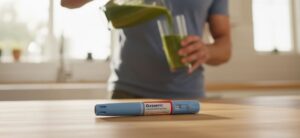
Ozempic® is administered once weekly via a pre-filled pen. The needle is extremely thin—often compared to the thickness of a human hair.
- Preparation: You typically clean the injection site (thigh, abdomen, or upper arm) with alcohol.
- The Pinch: Most people report feeling a very slight “pinch” or nothing at all. Because the injection is subcutaneous (into the fatty tissue rather than the muscle), it is generally painless.
- The Click: You press a button on the pen, hear a click, and hold it for a few seconds.
- Post-Injection: There is usually no lingering pain, though some people may notice very slight redness at the site for an hour or two.
Mental Readiness
The “feeling” of taking the medication also includes the psychological hurdle of the first few doses. It is normal to feel nervous. However, once the first dose is completed, many people realize the process takes less than a minute and becomes a routine part of their week, much like brushing their teeth or taking a vitamin.
Navigating the “Ozempic Flu”: Common Side Effects
It is important to be realistic: your body is undergoing a significant metabolic shift, and that can come with some physical discomfort, especially in the first few weeks. Some people refer to the initial adjustment period as the “Ozempic flu,” though it is not a virus.
Nausea and Stomach Discomfort
Nausea is the most frequently reported side effect. It often feels like a mild “seasickness” or a general sense of unease in the stomach.
- When it happens: Nausea usually peaks 24 to 48 hours after the weekly injection as the medication levels reach their highest point in the bloodstream.
- Why it happens: Your brain is receiving “fullness” signals while your stomach is physically processing food more slowly.
- How it feels: It may be triggered by certain smells or the thought of heavy, greasy foods.
Fatigue and Energy Shifts
Some individuals feel a sense of lethargy or tiredness during the first month. This can happen for two reasons:
- Caloric Reduction: Your body is suddenly taking in significantly fewer calories, and it takes time for your metabolism to switch to burning stored fat more efficiently.
- Blood Sugar Stabilization: As the medication helps regulate glucose, your body is finding a new “normal” for energy levels.
If low energy is your biggest concern, Weight Loss Boost supplement is designed to support that part of the transition.
Digestive Changes
Because the medication slows the gut, you may experience changes in your bathroom habits.
- Constipation: This is common because the digestive tract is moving more slowly. It can feel like bloating or a “heavy” lower abdomen.
- Reflux and Burping: Some patients report “sulfur burps” or acid reflux. This happens because food sits in the stomach longer, which can lead to gas buildup.
Bottom line: Most side effects are mild to moderate and tend to dissipate as the body acclimates to the medication and the dosage remains steady.
A Day in the Life: Morning to Night
To give you a better sense of the experience, here is a general overview of how a typical day might feel once you have reached a steady dose.
Morning
You wake up without the immediate, urgent “hunger pangs” that may have driven you to the kitchen in the past. You might have a light breakfast, like a piece of fruit or yogurt, and feel perfectly satisfied. You likely won’t find yourself thinking about what you are going to have for lunch by 10:00 AM.
Afternoon
Lunch arrives, and you choose a smaller portion than usual. Halfway through the meal, you feel a clear “stop” signal. There is no desire to finish the plate just because the food is there. You have steady energy throughout the afternoon without the typical “3:00 PM crash” because your blood sugar is remaining more consistent.
Evening
Dinner is a social or family event, but food is no longer the main attraction. You might notice that your interest in alcohol has decreased; many patients report that a glass of wine or a beer no longer tastes as appealing or makes them feel “too full” very quickly. You go to bed feeling light rather than weighed down by a heavy meal.
How the Experience Varies by Medication
While the general feelings of satiety and reduced food noise are common across the GLP-1 class, there are slight differences depending on the specific medication your provider prescribes.
| Feature | Semaglutide (Ozempic®, Wegovy®) | Tirzepatide (Mounjaro®, Zepbound®) |
|---|---|---|
| Mechanism | GLP-1 Receptor Agonist | Dual GLP-1 and GIP Receptor Agonist |
| Primary Sensation | Strong appetite suppression and fullness. | Often reported as “stronger” satiety and metabolic boost. |
| Common Side Effect | Nausea and constipation are primary. | Similar, though some report slightly more fatigue initially. |
| Dosing Frequency | Once weekly injection. | Once weekly injection. |
Note: While the branded medications Ozempic®, Wegovy®, Mounjaro®, and Zepbound® are FDA-approved for specific conditions, many patients access these same active ingredients through compounded versions. Compounded Semaglutide and Compounded Tirzepatide are prepared by FDA-registered, inspected compounding pharmacies to help meet patient needs during shortages. However, it is important to know that compounded medications themselves are not FDA-approved.
Managing the Transition: Tips for a Better Experience
If you decide to pursue a weight loss program, there are several ways to ensure the “feeling” of the medication remains positive and manageable. We often recommend a proactive approach to support your body during this transition.
- Prioritize Hydration: Many of the side effects, like headaches and fatigue, are actually related to dehydration. Aim for consistent water intake throughout the day.
- Eat Small, Frequent Meals: Instead of three large meals, try five small ones. This prevents the stomach from feeling over-stretched and reduces nausea.
- Focus on Protein: Since you will be eating less, it is vital to ensure the food you do eat is nutrient-dense to maintain muscle mass and energy.
- Limit High-Fat Foods: Greasy or fried foods are the most common triggers for nausea and reflux while on these medications.
- Consider Supplements: For those looking for extra support, the GLP-1 Daily Support supplement can help manage digestive comfort and nutrient intake.
If you want a deeper look at preserving lean mass, Can You Gain Muscle on GLP-1? Exploring the Relationship Between GLP-1 Agonists and Muscle Development is a helpful companion read.
The Emotional Journey
Beyond the physical, taking a medication like Ozempic® often brings an emotional sense of relief. For many who have struggled with their weight for decades, realizing that hunger was a biological signal—not a lack of willpower—can be life-changing.
Overcoming “Willpower” Guilt
When the food noise stops, many people realize that their previous struggles with dieting weren’t because they weren’t “trying hard enough.” They were fighting against their own hormones. The medication levels the playing field, making it possible to make healthy choices without a constant internal battle.
The Challenge of Changing Habits
While the medication handles the hunger, you still have to navigate the habits. You might feel “bored” or “empty” during times you used to spend eating for comfort or entertainment. This is a normal part of the process. Finding new ways to manage stress or celebrate occasions—without food being the center—is a key part of long-term success.
Starting Your Program with TrimRx
At TrimRx, we understand that every individual’s body reacts differently to medication. Our approach is built on the belief that weight loss is not a one-size-fits-all solution. When you join our platform, you can complete the free assessment quiz to begin a personalized program designed to help you navigate these feelings and physical shifts safely.
We connect you with licensed healthcare providers who oversee your progress through a telehealth-first model. This means you can manage your treatment from the comfort of your home, without the stress of waiting rooms or in-person visits. Our programs include:
- A Comprehensive Assessment: We start with a free health quiz to understand your medical history and goals.
- Provider Consultation: A licensed clinician reviews your profile to determine if a GLP-1 medication is right for you.
- Ongoing Support: We provide 24/7 access to specialists who can help you manage side effects and adjust your program as needed.
- Flexible Program Support: We provide ongoing care as your needs evolve.
Our mission is to help you embrace a healthier lifestyle through science and empathy. We provide access to Compounded Semaglutide and Compounded Tirzepatide, shipped directly from FDA-registered, inspected compounding pharmacies, ensuring you have the tools you need even when branded options are in short supply.
What Happens if You Stop?
One of the most important things to understand about the Ozempic® experience is that it is often a long-term commitment. If you want a deeper explanation of discontinuation, Can You Stop Taking GLP-1 Medications? Understanding the Implications is a useful companion read. Research and clinical observation suggest that the “feeling” of hunger and food noise usually returns once the medication is discontinued.
The Rebound Effect
- Appetite Return: Most people report that their appetite returns to its baseline level within a week or two of the last dose.
- Cravings: The food noise that was silenced may return, sometimes feeling more intense as the body tries to compensate for the weight lost.
- Weight Management: Without the hormonal support of the medication, maintaining weight loss requires extreme diligence with diet and exercise.
This is why we focus on sustainable lifestyle changes alongside medical treatment. The goal is to use the medication as a tool to build healthy habits that can last a lifetime.
Conclusion
Taking Ozempic® or a similar GLP-1 medication is a transformative experience that affects the mind as much as the body. It feels like a quieted brain, a stomach that is easily satisfied, and a new sense of control over your nutritional choices. While the journey may include an adjustment period of mild nausea or fatigue, the result for many is a significant improvement in metabolic health and quality of life.
At TrimRx, we are here to guide you through every step of that experience, from the first “pinch” of the injection to the long-term maintenance of your results. If you are ready to see how a personalized, medically supervised program can change your life, the first step is simple.
Take the next step toward your health goals:
- Complete our free online assessment quiz to see if you are eligible for our personalized weight loss program.
- Consult with a licensed provider to discuss your options for Compounded Semaglutide or Tirzepatide.
- Explore our quick-access supplements to support your journey from day one.
FAQ
How soon will I feel the effects of the medication?
Many people notice a decrease in food noise and a shift in appetite within the first 3 to 5 days after their very first dose. However, it can take several weeks of consistent use and dosage increases for the full physical sensations of satiety to become a regular part of your daily life. Your body needs time to adjust to the hormonal shifts and the slower digestive pace.
Does the injection itself hurt?
Most patients are surprised by how little they feel during the injection. The needles used for GLP-1 pens are extremely small and thin, designed for comfort. Most describe it as a minor prick or pinch, similar to a mosquito bite, and many report feeling nothing at all. Injecting into a fatty area like the abdomen or thigh further minimizes any potential discomfort.
Will the nausea last the entire time I am on the medication?
For the vast majority of people, nausea is a temporary side effect that occurs primarily during the first few weeks or when the dosage is increased. As your body becomes accustomed to the medication, these symptoms typically fade. Managing your diet by avoiding greasy foods and eating smaller portions can significantly reduce the intensity of any stomach upset during the transition.
Can I still enjoy food while taking Ozempic®?
Yes, you can still enjoy food, but your relationship with it will likely change. Many people find they actually enjoy the taste of high-quality, nutritious food more because they aren’t eating out of “starvation” or intense cravings. While you will eat much smaller portions and may lose interest in “junk” food, the experience of eating becomes more about nourishment and social connection than fulfilling an urgent biological drive.
Can I take the TrimRx assessment quiz if I’m currently on GLP-1 medications?
Yes! Our assessment quiz is designed to help you explore your options, whether you are currently on GLP-1 medications or considering them. It will help tailor a weight loss solution that fits your unique needs.
Disclaimer: This content is for informational purposes only and does not constitute medical advice. It is not intended to diagnose, treat, cure, or prevent any disease or condition. Individual results may vary. Always consult a qualified healthcare professional before starting any weight loss program or medication.

Transforming Lives, One Step at a Time
Keep reading
I Took My Ozempic Two Days in a Row by Accident
Call for guidance now rather than waiting to see how you feel. In the United States, Poison Control is available free and around the…

Why Does My Ozempic Injection Sting More Some Weeks Than Others?
Because more variables change between injections than most people realize. Temperature of the medication, which site you used, how deep the needle went, how…

How to Store Your Ozempic Pen During a Power Outage
Keep the refrigerator door closed. An unopened refrigerator holds a safe temperature for roughly four hours, and a full freezer holds for considerably longer….


