What Happens If Compounded Tirzepatide Freezes
Introduction
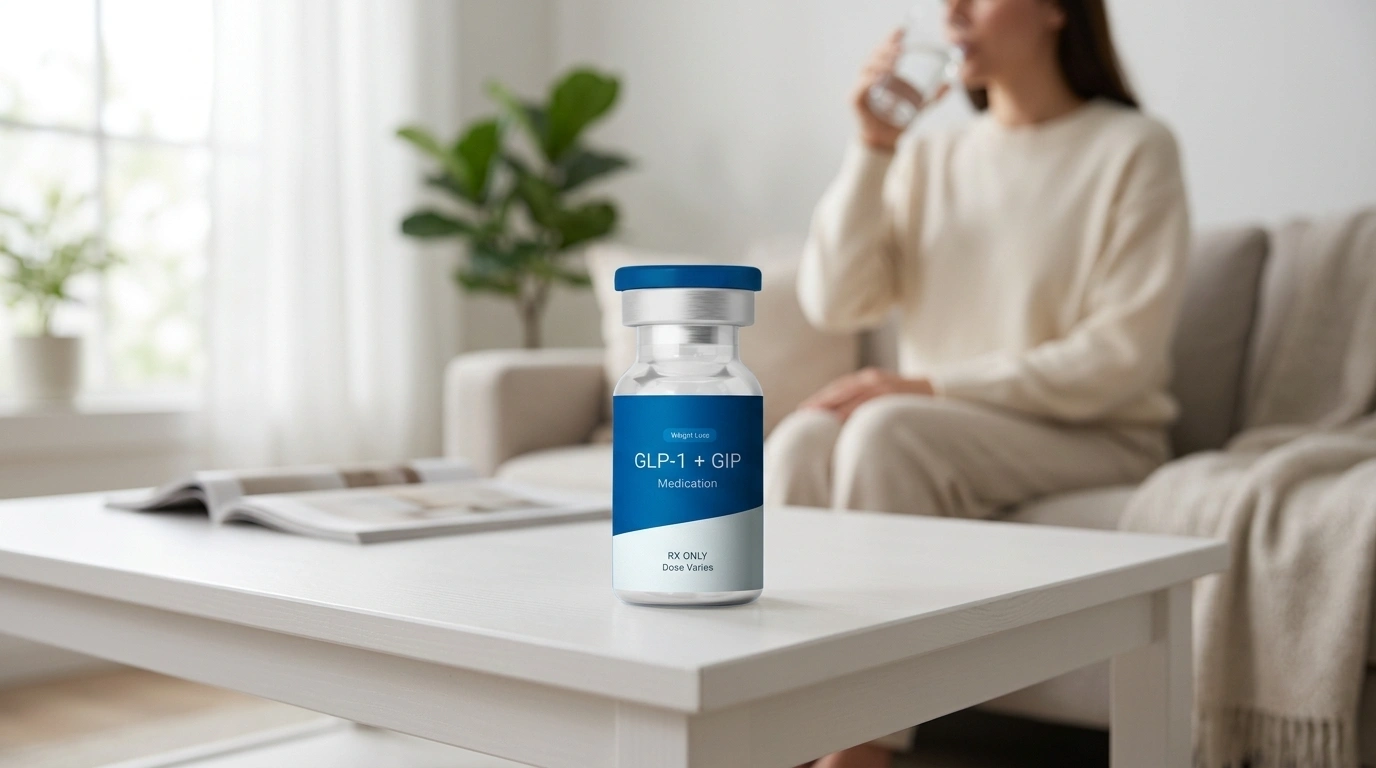
It is a moment of immediate concern: you reach into the back of your refrigerator or open a newly delivered package only to find that your medication has turned into ice. For many individuals using compounded tirzepatide to manage their weight loss journey, this discovery leads to a series of urgent questions. Is the medication still safe? Will it still work as intended? At TrimRx, we understand that your weight loss program is a significant investment in your health and well-being. Ensuring the integrity of your medication is essential for maintaining the progress you have worked so hard to achieve.
This article examines the science behind why cold temperatures matter, how freezing affects the molecular structure of tirzepatide, and the specific steps you should take if your vial or syringe freezes. Our goal is to provide you with the clinical clarity needed to handle your medication safely and effectively. Maintaining the potency of your treatment is a collaborative effort between you, your healthcare provider, and the pharmacy.
Understanding the Structure of Tirzepatide
To understand why freezing is problematic, it is helpful to know exactly what tirzepatide is. Tirzepatide is a dual-receptor agonist. This means it is a medication designed to mimic two natural hormones in the body: glucagon-like peptide-1 (GLP-1) and glucose-dependent insulinotropic polypeptide (GIP). By activating these two receptors, the medication helps regulate blood sugar, slow stomach emptying, and signal to the brain that the body is full.
At its core, tirzepatide is a peptide. A peptide is a short chain of amino acids linked together in a very specific sequence and shape. The “shape” of this molecule is the most important factor in how it works. In medicine, this is often referred to as a “lock and key” mechanism. The tirzepatide molecule (the key) must be shaped perfectly to fit into the GLP-1 and GIP receptors (the locks) in your body. If the shape of the molecule changes, it can no longer activate the receptors effectively.
Key Takeaway: Tirzepatide is a delicate peptide that relies on its specific molecular shape to interact with your body’s receptors. Any physical change to this shape can prevent the medication from working.
For additional context, review this guide to how tirzepatide’s peptide structure responds to temperature changes.
The Impact of Freezing on Peptide Stability
When a liquid medication containing peptides is exposed to freezing temperatures, the water molecules within the solution begin to form ice crystals. As these crystals expand and harden, they create physical stress on the peptide chains. This process can lead to what scientists call protein denaturation.
Denaturation is the process where a protein or peptide loses its structural integrity. When tirzepatide denatures, the delicate bonds holding the amino acid chain in its specific shape are broken or rearranged. Think of it like a piece of origami that has been unfolded and crumpled; even if you have the same paper, it no longer functions as the original shape.
Freezing can cause the tirzepatide molecules to clump together. This is known as aggregation. Once the peptides aggregate, they rarely return to their original, functional state upon thawing. While the medication may not necessarily become “toxic” in the traditional sense, it becomes biologically inactive. This means that if you inject frozen and thawed tirzepatide, your body may not recognize it or respond to it, leading to a total loss of the medication’s weight loss benefits.
How to Identify Frozen Medication
Sometimes it is obvious that a vial has frozen, but other times the changes are subtle. If you suspect your medication has been exposed to temperatures below 36°F (2°C), you should perform a careful visual inspection before use.
Visual Cues of Damage
The most common sign that a peptide has been damaged by freezing is a change in the clarity of the liquid. Compounded tirzepatide should be a clear, colorless to slightly yellowish liquid. If you notice any of the following, the medication has likely been compromised:
- Cloudiness: If the solution looks milky or opaque after thawing, the peptides have likely clumped together.
- Particulates: You might see tiny white flakes, “floaties,” or crystals that do not disappear when the vial reaches room temperature.
- Stringy textures: Sometimes the denatured proteins will form visible strands or fibers within the liquid.
- Persistent ice: If there is any slush or solid ice remaining in the vial, do not attempt to heat it to speed up the melting process.
For a broader checklist, compare these signs with common indicators of compromised tirzepatide.
The Clear Solution Trap
It is important to note that a solution can sometimes look clear even if it has been frozen. A clear appearance does not guarantee that the medication is still potent. If you know for a fact that the vial reached a solid frozen state, the internal structural damage has likely already occurred. Peptides are invisible to the naked eye, and molecular-level denaturation does not always create visible debris.
Quick Answer: If compounded tirzepatide freezes, it usually undergoes denaturation, meaning the medication loses its shape and effectiveness. You should not use medication that has been frozen, as it may no longer support your weight loss goals.
Why You Should Not Use Frozen Tirzepatide
The primary risk of using frozen and thawed tirzepatide is the loss of efficacy. When you are on a structured weight loss program, consistency is vital. Injecting a “dead” or inactive dose can lead to several setbacks in your health journey.
A missed or inactive dose can lead to a return of hunger. Because tirzepatide works by suppressing appetite and slowing digestion, an ineffective dose allows these biological processes to return to their baseline. This can lead to “food noise” returning, making it much harder to stick to your nutritional goals.
Using ineffective medication disrupts your dosing schedule. Most GLP-1 medications are administered on a weekly titration schedule. If you take an inactive dose one week and then a potent dose the next, your body may experience more significant side effects as it tries to readjust. Maintaining a steady level of the active medication in your system is the best way to minimize nausea and other common GI symptoms.
Note: While injecting denatured peptides is generally not considered life-threatening, it can occasionally cause localized injection site reactions, such as redness, itching, or swelling, as the body’s immune system reacts to the “broken” protein structures.
If you are considering prescription weight loss treatment, you can complete a free eligibility assessment to determine whether a personalized program may fit your needs.
Proper Storage Requirements for Tirzepatide
To avoid the frustration of frozen medication, you must adhere to strict storage guidelines. Whether you are using compounded tirzepatide or branded versions like Mounjaro® or Zepbound®, temperature control is the most critical aspect of medication maintenance.
The Ideal Temperature Range
Most compounded tirzepatide should be stored in the refrigerator between 36°F and 46°F (2°C to 8°C). This range is cold enough to prevent bacterial growth and slow the natural degradation of the peptide, but warm enough to prevent ice crystal formation.
- Avoid the “Cold Spots”: Do not store your medication in the very back of the refrigerator or near the cooling element/vent. These areas are prone to fluctuations and are often much colder than the rest of the unit.
- Door Storage Cautions: Avoid storing vials in the refrigerator door. The temperature in the door fluctuates every time you open it, which can reduce the shelf life of the medication.
- Use a Thermometer: If you want to be certain, place a small refrigerator thermometer near your medication to ensure the environment remains stable.
For more detailed placement and refrigeration guidance, read about proper tirzepatide storage and shelf life.
Protecting Your Shipment
Since TrimRx connects you with pharmacies that ship medication directly to your door, the transition from the pharmacy to your home is a critical window. Compounded medications are shipped in temperature-controlled packaging, typically with cold packs.
Upon receiving your shipment, you should open it immediately. Feel the vial or the interior of the package. It should be cool to the touch. If the package was delayed during shipping and arrived at room temperature, or if it was left outside in freezing winter weather and arrived frozen, you must contact the pharmacy or your support team immediately.
Step-by-Step: What to Do if Your Medication Freezes
If you find that your compounded tirzepatide has frozen, do not panic. Follow these steps to handle the situation safely and keep your weight loss progress on track.
Step 1: Do not inject the medication. Even if the medication thaws and looks clear, the risk of it being inactive is too high. Using it could cause you to lose a week of progress or experience unnecessary side effects when you return to a potent dose later.
Step 2: Do not attempt to “fix” the medication. Never put a frozen vial in the microwave, under hot water, or in direct sunlight. Rapid temperature changes further damage the peptide structure. Even if you were hoping to “save” it, heat is just as damaging to tirzepatide as extreme cold.
Step 3: Document the situation. Take a photo of the frozen vial or any visible crystals/cloudiness. Note the date and how long you believe the medication was exposed to the cold. This information is helpful when you speak with the pharmacy or your provider.
Step 4: Contact your provider or the pharmacy. Reach out to the team that manages your program. They can advise you on whether a replacement vial is necessary and help you navigate your dosing schedule. If you are using our platform, our support team can help guide you through the process of reporting a shipping or storage issue.
Bottom line: When in doubt, throw it out—but only after consulting with your provider. Using compromised medication is never worth the risk of stalling your metabolic health progress.
For a practical overview of handling temperature problems, see this tirzepatide storage, travel, and handling guide.
Traveling with Compounded Tirzepatide
Travel is a common time for medication to accidentally freeze or overheat. Whether you are flying or driving, you need a plan to keep your tirzepatide within the safe temperature zone.
If you are flying, keep your medication in your carry-on bag. The cargo hold of an airplane is not temperature-controlled and can reach freezing temperatures during flight. Furthermore, keeping it with you prevents the medication from being lost if your luggage is misplaced.
Use a medical-grade travel cooler. There are many small, insulated cases designed specifically for insulin or GLP-1 pens and vials. These cases often include gel packs that stay cool for several hours. Ensure the vial does not directly touch the frozen gel pack; wrap the vial in a small piece of cloth or paper towel to provide a buffer against the direct cold.
For additional cold-weather precautions, review these GLP-1 medication storage and injection tips.
The Role of Compounded Medications in Weight Loss
Compounded tirzepatide is a popular choice for many individuals because it offers a way to access the benefits of GLP-1 and GIP therapy when branded medications are in short supply or otherwise inaccessible. It is important to remember that compounded medications are prepared by licensed pharmacists in specialized facilities.
Compounded tirzepatide is not FDA-approved. However, it is prepared by FDA-registered and inspected compounding pharmacies. These pharmacies follow strict guidelines to ensure the quality and purity of the medication they produce. Because these medications do not contain the same preservatives or stabilizing delivery systems as some branded pens, they can sometimes be even more sensitive to temperature extremes.
At TrimRx, we prioritize your safety by ensuring that the pharmacies we work with use high-quality shipping materials designed to withstand the elements. However, once the package reaches your porch, the responsibility for storage shifts to you. Being diligent about checking your mail and monitoring your refrigerator settings is a small but vital part of your treatment.
Common Myths About Frozen Peptides
There is a lot of misinformation online regarding how to “revive” frozen medications. It is important to separate fact from fiction to protect your health.
Myth: “If I shake the vial and the crystals disappear, it’s fine to use.” Fact: Shaking can actually cause further damage. Peptides are sensitive to mechanical stress. If you see crystals, the proteins have already denatured or aggregated. Shaking them doesn’t “un-denature” them.
Myth: “A frozen dose is better than no dose at all.” Fact: This is incorrect. An inactive dose can cause a dip in the medication levels in your blood, leading to a surge in appetite. It is often better to wait for a fresh, potent dose than to inject something that may not work and could cause an injection site reaction.
Myth: “Branded pens like Wegovy® or Mounjaro® are immune to freezing.” Fact: No GLP-1 or GIP medication is immune to freezing. While the plastic housing of a pen provides a tiny bit of insulation, the liquid inside is just as susceptible to protein denaturation as the liquid in a glass vial.
Maximizing Your Results with TrimRx
Successful weight loss is about more than just the medication itself; it is about the system of support around you. We believe that a personalized approach is the only way to achieve sustainable results. This means having access to medical professionals who can answer your questions when things go wrong—like a frozen vial.
When you join a program through our platform, you aren’t just getting a prescription. You are getting a comprehensive telehealth experience. This includes:
- Personalized Programs: Your treatment plan is based on your unique health profile, medical history, and goals.
- Expert Guidance: You have access to licensed providers who understand the nuances of GLP-1 therapy.
- Ongoing Support: From managing side effects to troubleshooting storage issues, we are with you every step of the way.
If you are just starting your journey or looking for a more supportive experience, taking our free assessment quiz is the first step. This helps us understand if you are a candidate for compounded semaglutide, compounded tirzepatide, or other options that may fit your needs.
Optimizing Your Metabolic Health
While medications like tirzepatide are powerful tools, they work best when supported by a healthy lifestyle. If you ever have to wait for a replacement vial due to a freezing incident, use that time to focus on the other pillars of your program: protein intake, hydration, and movement.
We also offer quick-access supplements like GLP-1 Daily Support and Weight Loss Boost. These are designed to complement your program and can be purchased without a prescription. They help provide the nutritional foundation your body needs while navigating the metabolic changes that occur during weight loss. Maintaining your nutrient levels is especially important if your dosing schedule is interrupted, as it helps your body remain resilient.
For additional energy and metabolic support during weight loss, explore the Weight Loss Boost supplement.
Conclusion
Finding that your compounded tirzepatide has frozen is undoubtedly frustrating, but it is a hurdle that can be managed with the right knowledge. The science is clear: freezing damages the delicate peptide structure, likely rendering the medication ineffective. To protect your progress, always inspect your medication, store it in the center of your refrigerator, and never use a vial that has reached a solid frozen state.
At TrimRx, our mission is to provide you with the tools, medication, and clinical expertise needed to transform your health through a transparent and empathetic telehealth platform. We are committed to helping you navigate every part of this journey, from the first dose to your final goal.
Final Takeaway: Protect your medication like the valuable tool it is. Keep it cool, but never frozen, and always reach out to your support team if you suspect its integrity has been compromised.
If you are ready to start a science-backed weight loss journey tailored specifically to you, the best next step is to complete our online assessment. This quiz allows our partner providers to review your health needs and determine the best path forward for your sustainable success.
FAQ
Can I use tirzepatide if it was frozen for only an hour?
Even brief exposure to freezing temperatures can initiate the formation of ice crystals that damage peptide bonds. If the liquid has turned to slush or ice, the molecular structure is likely compromised. It is safest to consult your provider or pharmacy before attempting to use it.
What should I do if my medication was delivered frozen?
If your shipment arrives frozen due to extreme weather or shipping delays, do not open the vial or attempt to thaw it. Take a photograph of the package and the medication, then contact the pharmacy or our support team immediately to arrange for a replacement.
Does freezing make tirzepatide dangerous or toxic?
Freezing does not typically make the medication toxic, but it does make it ineffective through protein denaturation. The main “danger” is that you will be injecting an inactive substance, which will stall your weight loss progress and may cause a return of hunger and food noise.
How can I tell if my refrigerator is too cold for my medication?
The best way to monitor your refrigerator is to use a dedicated appliance thermometer placed right next to your medication. If you notice that other liquids in your fridge, like milk or water, are developing ice crystals, your refrigerator is likely set too low for safe peptide storage.
If you need help determining whether a personalized prescription program may be appropriate, complete a free eligibility assessment.
Disclaimer: This content is for informational purposes only and does not constitute medical advice. It is not intended to diagnose, treat, cure, or prevent any disease or condition. Individual results may vary. Always consult a qualified healthcare professional before starting any weight loss program or medication.

Transforming Lives, One Step at a Time
Keep reading
How Long Does a FRIO Pouch Keep Tirzepatide Cold?
Around 45 hours per soak, and it can be kept active for weeks by re-soaking every couple of days. That is the headline figure…

What Happens If Your Telehealth Provider Stops Offering Tirzepatide?
Get a copy of your records before the account closes, then transfer to a provider who can continue you. The records step is the…

Why Are My Lips Always Dry on Tirzepatide?
Almost always because you are drinking less than you used to, and you have probably not noticed. Appetite suppression reduces how much you eat…


