What Happens if I Inject Semaglutide Into My Muscle
Introduction
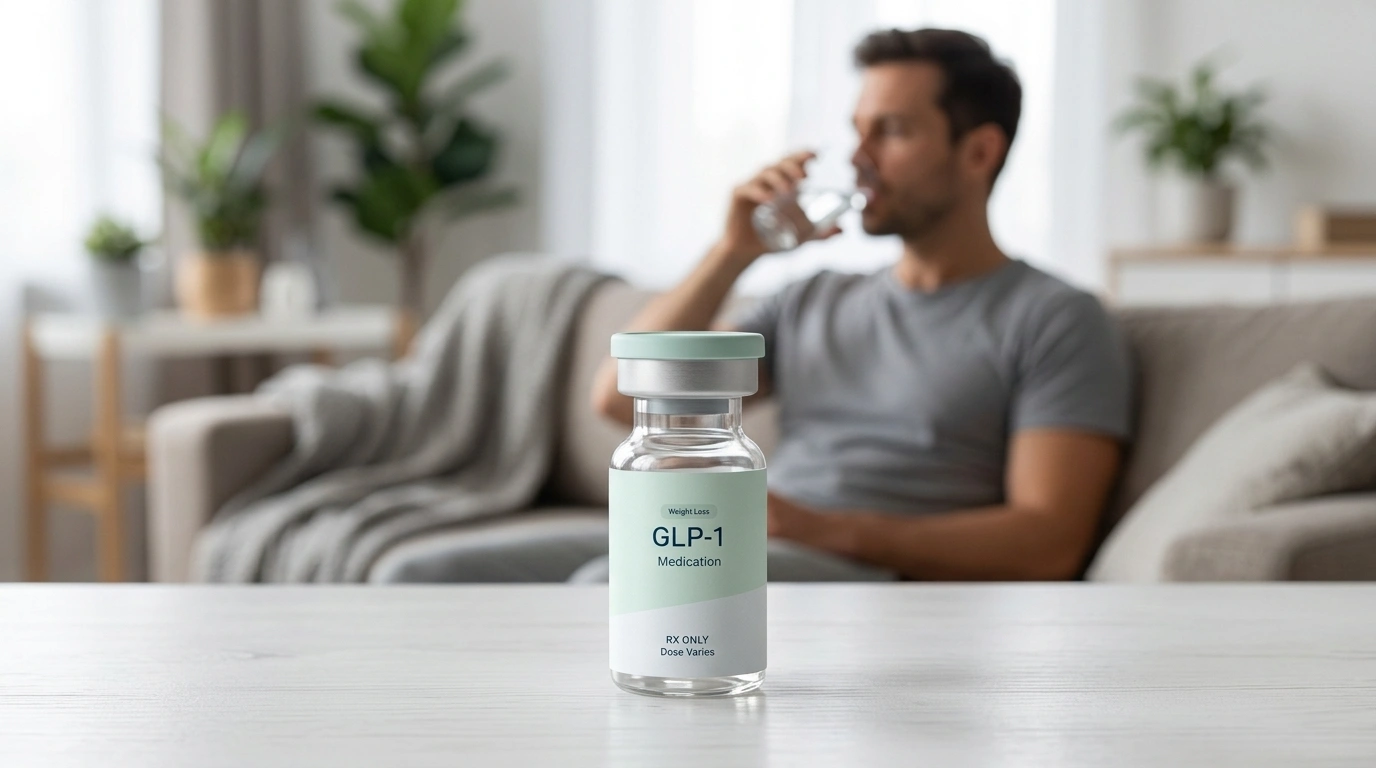
The first time you hold a semaglutide injection pen, it is natural to feel a mix of hope and hesitation. For many of us, the transition from traditional weight loss methods to a clinical program involves a learning curve, particularly when it comes to self-administration. A common concern that arises during this process is the “missed mark”—specifically, what happens if the needle goes deeper than intended and reaches the muscle instead of the fatty tissue. At TrimRx, we believe that confidence comes from understanding the “why” behind your treatment. This article provides a detailed look at the physical and metabolic effects of an accidental intramuscular injection, how to recognize the signs of an incorrect administration, and the steps you can take to ensure your next dose is delivered perfectly. While an occasional technique error is rarely a cause for alarm, mastering the subcutaneous method is key to a comfortable and effective weight loss journey. If you want personalized guidance from the start, you can take the free assessment quiz.
Quick Answer: Injecting semaglutide into the muscle may cause increased pain at the site and could theoretically lead to faster medication absorption. While not typically a medical emergency, semaglutide is designed and FDA-approved only for subcutaneous (under-the-skin) use to ensure a slow, steady release into the bloodstream.
Subcutaneous vs. Intramuscular Injections: The Critical Difference
To understand why the injection depth matters, we must first look at the anatomy of where the medication is supposed to go. Semaglutide is a GLP-1 receptor agonist—a type of medication that mimics the glucagon-like peptide-1 hormone in your body to help manage appetite and blood sugar. These medications are specifically formulated for subcutaneous injection, which means they are meant to be delivered into the layer of fat located directly beneath the skin but above the muscle.
The fatty tissue layer, known as the subcutis, has fewer blood vessels than muscle tissue. This lack of heavy vascularization is intentional. When semaglutide is deposited into fat, it is absorbed slowly and steadily into the system. This gradual release allows the medication to maintain consistent levels in your body throughout the week, which is vital for its effectiveness in appetite suppression and metabolic support.
Intramuscular (IM) injections, on the other hand, deliver medication directly into the muscle. Muscle tissue is highly vascularized, meaning it is packed with blood vessels. Medications injected here usually enter the bloodstream much faster. While some drugs, like certain vaccines or pain relievers, are designed for this “fast track,” semaglutide is not. The clinical trials for branded medications like Ozempic® and Wegovy® were conducted using only subcutaneous administration. Consequently, the safety and efficacy of injecting these drugs into the muscle have not been formally established. For a deeper breakdown of approved sites and rotation, see our where to inject semaglutide.
What Happens if You Accurately Hit the Muscle?
If you accidentally inject semaglutide into a muscle—perhaps because you chose a site with very little body fat or used an incorrect angle—the most immediate difference you will notice is the sensation. Muscle tissue contains a much higher density of sensory nerves than the fatty layer. A needle entering a muscle often triggers a sharper, more localized pain compared to the dull “pinch” of a standard subcutaneous injection.
Changes in Absorption Kinetics
The primary scientific concern with an intramuscular injection of semaglutide is the speed of absorption. Because the muscle has such a rich blood supply, the medication may reach its “peak” concentration in your blood much sooner than intended. Instead of a slow, rolling release over several days, your body might receive a more sudden surge of the hormone mimic.
This rapid uptake can lead to an increase in the severity of side effects. Since semaglutide primarily affects the gastrointestinal system, a faster absorption rate might trigger more intense nausea, vomiting, or stomach discomfort in the hours following the injection. For a more detailed technique refresher, our how to inject semaglutide safely guide breaks down the steps.
Risk of Hypoglycemia
For individuals who are using semaglutide to manage type 2 diabetes alongside other medications like insulin, a sudden spike in semaglutide levels could potentially lead to hypoglycemia, or low blood sugar. While semaglutide itself is glucose-dependent (meaning it usually only triggers insulin when your sugar is high), the unpredictability of intramuscular absorption makes it important to monitor your levels more closely if you suspect an administration error.
Key Takeaway: Subcutaneous fat acts as a “slow-release reservoir” for semaglutide. Injecting into muscle bypasses this reservoir, potentially leading to faster absorption and more intense gastrointestinal side effects.
Physical Signs of an Incorrect Injection
How do you know if you’ve missed the fatty layer? While you cannot see exactly where the needle landed, your body provides several clues. Recognizing these signs can help you adjust your technique for future doses.
- Sharp, Radiating Pain: A subcutaneous injection usually feels like a tiny prick. If you feel a sharp, “electric,” or deep aching sensation during the injection, the needle may have reached the muscle.
- Significant Bleeding: While a single drop of blood is common after any injection, more persistent bleeding may indicate the needle hit the more vascularized muscle tissue.
- Localized Soreness: Muscle injections often leave the area feeling sore for several days, similar to the feeling of a “charley horse” or the soreness after a flu shot.
- Deep Bruising: If a bruise develops that feels deep within the tissue rather than just on the surface, it may be a sign of intramuscular trauma.
Note: If you experience any signs of a severe allergic reaction—such as hives, swelling of the face or throat, or difficulty breathing—seek emergency medical care immediately, regardless of where the injection was placed.
What to Do If You Suspect a Muscle Injection
If you realize mid-injection or shortly after that you have likely hit the muscle, the first and most important step is: Do not panic. While semaglutide was not designed for the muscle, an occasional error is generally well-tolerated by the body.
1. Do Not Administer a Second Dose Even if you are worried the medication won’t “work” because it hit the muscle, never give yourself a “makeup” dose. This could lead to a dangerous amount of medication in your system. Your body will still process the dose you took; it may just process it at a different rate.
2. Monitor Your Symptoms Stay hydrated and be prepared for potential nausea. If you have anti-nausea medication prescribed by your healthcare provider, keep it nearby. If you are managing diabetes, check your blood glucose levels more frequently over the next 24 to 48 hours.
3. Manage Site Discomfort If the area is sore, you can apply a cold compress to the site for 10–15 minutes to reduce inflammation. Avoid massaging the area, as this can further accelerate the absorption of the medication.
4. Contact Your Care Team If you experience severe abdominal pain that does not go away, or if you find yourself unable to keep liquids down due to vomiting, reach out to your licensed healthcare provider. At TrimRx, we emphasize the importance of having a dedicated team to turn to when these questions arise. If you want to understand whether a personalized program is right for you, you can check your eligibility.
Mastering the Proper Subcutaneous Technique
Preventing intramuscular injection is mostly a matter of proper site selection and needle angle. Most modern semaglutide pens use very short, thin needles (often 4mm to 6mm) specifically designed to stay within the fatty layer. However, if you are very lean, you may still need to take extra care. Our GLP-1 injection sites guide can help reinforce the basics.
Step-by-Step: Ensuring a Safe Injection
- Step 1: Choose a High-Fat Area. The most reliable sites are the abdomen (at least two inches away from the belly button), the front of the thighs, or the back of the upper arm.
- Step 2: Clean the Site. Use an alcohol swab to clean the skin and let it air dry. Injecting through wet alcohol can cause unnecessary stinging.
- Step 3: The “Pinch” Technique. If you have a lower body fat percentage, use your thumb and forefinger to gently pinch an inch of skin and fat. This pulls the subcutaneous layer away from the underlying muscle, creating a safer “target” for the needle.
- Step 4: The 90-Degree Angle. Insert the needle straight into the pinched skin. Because semaglutide needles are so short, a 90-degree angle is usually best for reaching the fatty layer without going too deep.
- Step 5: Hold and Count. Once the dose is delivered, keep the needle in place and count to ten. This ensures the full dose is absorbed and prevents the medication from leaking back out of the injection track.
The Importance of Site Rotation
You should never inject into the exact same spot every week. Repeated injections in one small area can lead to lipohypertrophy, a condition where clumps of fatty tissue form under the skin. These clumps can feel hard or rubbery and can significantly interfere with how your body absorbs the medication. Imagine your injection sites like a clock; move the “hands” of the clock each week to give your tissue time to heal and stay healthy. For more on rotating approved areas, our rotating GLP-1 injection sites guide is a useful companion.
Myth: “Injecting into the muscle makes the weight loss medication work faster and better.” Fact: Faster absorption is not better for GLP-1 medications. The goal is a steady, sustained level of medication to keep hunger suppressed all week long. Intramuscular injection disrupts this balance and increases the risk of side effects.
How Personalized Programs Minimize Risk
Navigating the world of GLP-1 medications can feel overwhelming, especially with the different options available today. Many patients choose between branded options like Ozempic® or Wegovy® and compounded semaglutide. It is important to remember that while branded medications are FDA-approved, compounded semaglutide—which is prepared by FDA-registered, inspected compounding pharmacies—is not. However, both require the same careful subcutaneous injection technique.
Our platform focuses on removing the guesswork from this process. We provide access to licensed providers who can guide you through the nuances of administration. When you participate in a personalized program through us, you aren’t just getting a prescription; you are getting a comprehensive support system designed to help you avoid common pitfalls like incorrect injection techniques. If you are curious whether prescription GLP-1 treatment is a fit for you, see if you qualify for personalized care.
Maximizing the Efficacy of Your Program
While the injection technique is a vital part of the “how,” the “what” you do between injections matters just as much. Weight loss is a holistic process, and semaglutide is a tool that works best when supported by other healthy habits.
Supporting Your Body’s Natural Pathways
Because semaglutide impacts your digestion, focusing on nutrient density is essential. Many people on GLP-1 medications find that their appetite decreases so significantly that they struggle to get enough protein or fiber. Supporting your body with targeted supplements, such as our GLP-1 Daily Support supplement, can help bridge the nutritional gap and keep your energy levels stable as your body adjusts to the medication.
For an additional option during active weight loss, our Weight Loss Boost supplement can fit alongside healthy habits.
The Role of Hydration
Whether you inject into the fat or accidentally hit the muscle, hydration is your best friend. GLP-1 medications can sometimes slow down the movement of food through your stomach. Drinking plenty of water helps manage this “gastric emptying” process and can mitigate many of the common side effects associated with the medication. If nausea becomes a recurring issue, our nausea and GLP-1 medications guide outlines practical ways to manage it.
Bottom line: Proper injection technique ensures that semaglutide is absorbed at the correct rate, maximizing your weight loss results while keeping uncomfortable side effects to a minimum.
Conclusion
Accidentally injecting semaglutide into your muscle is a common worry, but it is rarely a reason to stop your treatment. By understanding that the fatty tissue serves as a necessary buffer for slow medication release, you can see why the subcutaneous method is the gold standard for GLP-1 therapy. The sharper pain or increased nausea that may follow a muscle injection serves as a signal to refine your technique, rotate your sites, and perhaps use a “pinch” method during your next dose.
At TrimRx, our mission is to empower you with the science and support needed to navigate your health journey with confidence. We combine medical expertise with a telehealth-first approach, ensuring you have the tools to achieve sustainable, meaningful results from the comfort of your home. If you are ready to take the next step in your personalized weight loss plan, your journey begins with a simple assessment.
Ready to see if a personalized GLP-1 program is right for you?
Take our free assessment quiz today to explore your options and connect with a licensed healthcare provider who can tailor a program to your specific needs. You can start with the free assessment quiz.
FAQ
Can an intramuscular injection of semaglutide cause permanent damage?
In most cases, no. While injecting into a muscle can cause temporary soreness, bruising, or a localized ache, it is unlikely to cause long-term injury. The main concern is the change in how the medication is absorbed, which might lead to a temporary increase in side effects like nausea or dizziness. For a broader overview of common reactions, see our GLP-1 side effects in 2026.
Should I change my injection site if I am very lean?
If you have very little subcutaneous fat, you should be extra careful to use the “pinch” technique. By gently pulling the skin and fat away from the muscle, you create a deeper target area for the needle. You might also find that the abdomen has more usable fatty tissue than the thigh or arm. If you want more detail on site selection, our GLP-1 injection sites guide is a helpful reference.
What should I do if the injection site is bleeding or leaking?
A small drop of blood or a tiny bead of clear liquid at the site is normal and usually doesn’t mean you lost your dose. To minimize this, ensure you are holding the needle in place for a full ten seconds after the plunger is depressed. If bleeding persists, apply gentle pressure with a clean tissue, but do not rub the area.
Is it okay to use a longer needle to make sure the medication “gets in”?
No, you should only use the needles provided or recommended by your healthcare provider. For semaglutide, shorter needles (typically 4mm or 6mm) are preferred precisely because they are designed to stop in the subcutaneous fat layer and avoid the muscle entirely. Using a longer needle unnecessarily increases the risk of reaching the muscle tissue.
Disclaimer: This content is for informational purposes only and does not constitute medical advice. It is not intended to diagnose, treat, cure, or prevent any disease or condition. Individual results may vary. Always consult a qualified healthcare professional before starting any weight loss program or medication.

Transforming Lives, One Step at a Time
Keep reading
Semaglutide vs Tirzepatide: Comparing Weight Loss, Blood Sugar, and Side Effects
Semaglutide and Tirzepatide are one of the most common comparisons in medical weight loss. The two medications share a clear family resemblance. Both are…

How Much Weight Can You Lose on Semaglutide?
How much weight can you lose on semaglutide? The answer varies depending on your starting weight, dosage, treatment duration, and individual response to the…

Hair Shedding Months Into Semaglutide
It shows up in the shower drain first, then on the pillow, then in the brush. By the time most people search this, they…


