What Happens if I Take Expired Ozempic? Potential Risks Explained
Introduction
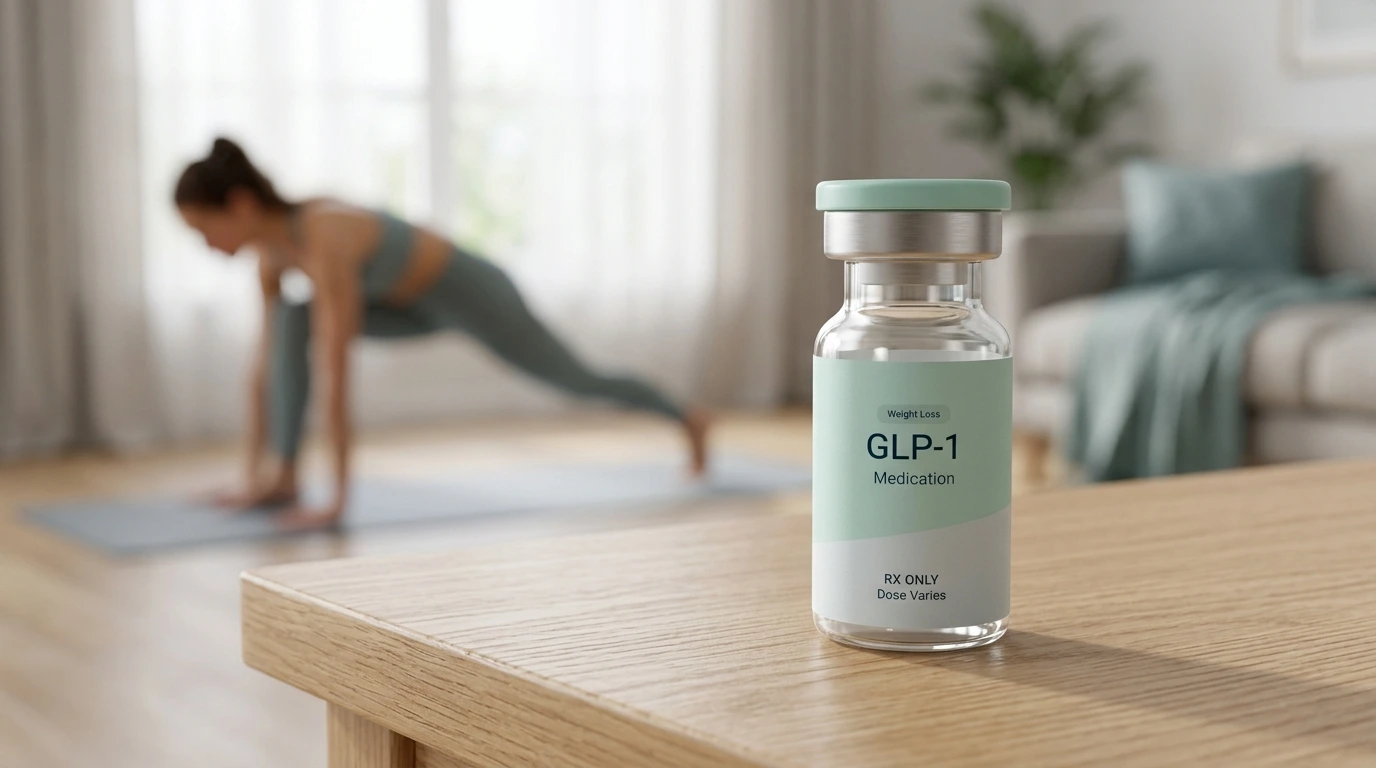
Finding an old medication pen at the back of the refrigerator can spark a mix of relief and hesitation. Given the demand for GLP-1 medications and the dedication required to maintain a consistent routine, the thought of wasting a single dose is frustrating. If you’re just getting started, take the free assessment quiz to see whether a personalized program is the right fit. In this article, we will explore the risks of using semaglutide beyond its shelf life, how the medication changes over time, and what you should do if you realize your pen has expired. Using expired Ozempic® or any semaglutide product is generally not recommended because it can compromise your safety and stall your progress toward your health goals.
The Difference Between Expiration and Beyond-Use Dates
Before evaluating the risks, it is helpful to understand the two different timelines that govern your medication. The first is the manufacturer’s expiration date, which you can typically find printed on the side of the box or the pen itself. This date represents how long the medication remains stable and potent if it stays unopened and is stored in the refrigerator. For a deeper look at how these timelines work, see our guide to Ozempic pen expiration and storage.
The second timeline is the beyond-use date. This is the clock that starts ticking the moment you use the pen for the first time or remove it from the refrigerator for long-term storage. Once an Ozempic® pen is opened, it is only considered safe and effective for 56 days. This remains true even if the manufacturer’s expiration date is still months away.
Quick Answer: Taking expired Ozempic® is unlikely to be immediately toxic, but it carries a high risk of being ineffective. The medication may lose its potency, meaning it won’t manage blood sugar or support weight loss, and it may also carry an increased risk of bacterial contamination.
Why Semaglutide Is More Fragile Than Other Meds
You might be used to taking a shelf-stable headache tablet that is a few months past its prime without a second thought. However, semaglutide is a biologic medication. Biologics are drugs derived from living organisms, and they are much more complex and “fragile” than traditional chemically synthesized pills.
Semaglutide is a protein-based hormone. If you want a refresher on the hormone itself, our What is GLP-1? breakdown explains how it works in the body. Like the proteins found in food, these medicinal proteins can break down, or “denature,” when they are exposed to time, light, or temperature fluctuations. When the protein structure of the medication changes, it can no longer fit into the receptors in your body properly. This process is called protein aggregation, where the molecules clump together and lose their biological activity.
Key Takeaway: Because semaglutide is a protein-based biologic, it is highly sensitive to environmental changes and loses its effectiveness much faster than traditional chemical medications.
What Happens if You Use Expired Ozempic?
If you accidentally or intentionally use a dose that has passed its expiration or beyond-use date, several things can happen. While the medication does not usually turn into a “poison” overnight, the consequences are significant enough to impact your clinical outcomes.
Loss of Potency and Effectiveness
The most common result of using expired medication is that it simply stops working as intended. The benefits of semaglutide are dose-dependent. This means that to see the results demonstrated in clinical trials—such as reduced appetite and better metabolic health—you need the full, active dose.
When a pen expires, the active semaglutide begins to degrade. If you inject a 0.5 mg dose from an expired pen, you might only be receiving a fraction of that amount in active medication. For an individual who is managing a condition like Type 2 diabetes, this can lead to unexpected spikes in blood sugar. For those on a weight loss journey, it may lead to a sudden return of “food noise” or a plateau in progress.
Increased Risk of Infection
Every time you attach a needle to a multi-dose pen, there is a microscopic risk of introducing environmental contaminants into the reservoir. These pens contain preservatives to keep the liquid sterile for the duration of the 56-day use period. However, these preservatives also have an expiration date. Once they break down, they can no longer prevent the growth of bacteria or fungi. For more detail on storage-related risks, our semaglutide storage, travel, and handling guide covers the basics. Injecting a contaminated solution can lead to:
- Redness and swelling at the injection site
- Abscesses (pockets of infection)
- Systemic infections in rare, severe cases
Potential Immune Responses
When proteins in a medication clump together or aggregate due to age, the body may no longer recognize them as the intended hormone. In some cases, the immune system might flag these clumps as “foreign.” This can potentially lead to localized allergic reactions or an immune response that makes the medication even less effective in the future.
How to Spot “Bad” Medication
You should always perform a visual inspection of your medication before every injection. Even if a pen is not technically expired, it may have “gone bad” due to poor storage conditions, such as being left in a hot car or being pushed to the back of the fridge where it accidentally froze. If you want a more detailed storage checklist, our Ozempic pen storage guide walks through the key handling rules.
Signs your semaglutide should be discarded:
- Cloudiness: The liquid should always be crystal clear. If it looks milky, hazy, or cloudy, the proteins have likely degraded.
- Particles: If you see “floaties,” flakes, or tiny crystals inside the liquid, the medication is no longer safe to use.
- Color Changes: Semaglutide should be colorless. Any tint of yellow, brown, or pink is a sign of chemical breakdown.
- Frozen Liquid: If the medication has ever been frozen, even if it has since thawed, it must be thrown away. Freezing permanently destroys the protein structure.
Proper Storage to Prevent Early Expiration
To ensure your medication remains effective until the very last day of its shelf life, you must follow strict storage protocols. At TrimRx, we emphasize that proper handling is just as important as the injection itself.
Storage Before First Use: Keep all unopened pens in the refrigerator at a temperature between 36°F and 46°F. Do not store them in the door of the refrigerator, as the temperature fluctuates every time the door is opened. Instead, place them on a middle shelf toward the center.
Storage After First Use: Once you have used the pen for the first time, you have two options. You can keep it in the refrigerator or store it at room temperature (below 86°F). Regardless of which you choose, the pen must be discarded 56 days after that first use.
Important Notes for Travel:
- Always use a dedicated travel cooler or insulated bag if you will be away from a refrigerator for more than a few hours.
- Never leave your medication in a car, as temperatures can quickly exceed safe limits, even on a mild day.
- If you are flying, keep your medication in your carry-on luggage. The cargo hold of a plane can experience extreme temperature drops that might freeze the pen.
What to Do if You Used Expired Medication
If you realize you have just injected a dose from an expired pen, do not panic. Most people do not experience severe adverse effects from a single expired dose. However, you should take the following steps to ensure your health remains on track:
- Monitor Your Symptoms: If you are using the medication for blood sugar management, check your glucose levels more frequently over the next 48 hours. If you are using it for weight loss, pay attention to any return of hunger or unusual side effects.
- Watch the Injection Site: Check for signs of infection, such as increasing pain, spreading redness, or warmth at the site.
- Contact Your Provider: Reach out to a licensed healthcare professional to let them know. They can advise you on whether to wait until your next scheduled dose or if you need a replacement prescription immediately.
- Dispose of the Pen: Mark the pen as expired and place it in a sharps container so you do not accidentally use it again.
bottom line: While a single expired dose is rarely a medical emergency, it is clinically ineffective. You should prioritize getting a fresh prescription to maintain the momentum of your treatment.
How TrimRx Supports Your Journey
We understand that navigating the logistics of GLP-1 medications—from storage rules to managing refills—can feel overwhelming. Our mission is to provide a personalized, supportive environment where you can focus on your health while we handle the complexities of your program.
When you join our platform, you aren’t just getting a prescription; you are getting a dedicated team. We provide fully personalized programs based on your unique health profile and medical history. We work with licensed compounding pharmacies to ensure that the compounded semaglutide or compounded tirzepatide you receive is prepared with care and attention to safety.
Our telehealth-first model means you can access specialists from the comfort of your home. If you have questions about a pen that looks cloudy or if you’re unsure about an expiration date, our team is available to provide guidance. If you’re ready to see whether medication support is the right next step, complete the free assessment quiz to get started.
Safe Disposal of Expired Medication
You should never throw expired pens or needles into the regular household trash. This poses a safety risk to sanitation workers and your community.
The Sharps Container Method: Place all expired pens and used needles into an FDA-cleared sharps disposal container. If you do not have one, you can use a heavy-duty plastic container, such as an empty laundry detergent bottle. Ensure the lid is screwed on tightly and reinforced with heavy-duty tape. Label the container clearly with “SHARPS – DO NOT RECYCLE.”
Drug Take-Back Programs: Many local pharmacies and police stations have “take-back” kiosks where you can safely dispose of expired medications. This is the most environmentally friendly way to handle unused drugs. For the tablets (like Rybelsus®), you can often mix them with an unappealing substance like coffee grounds or kitty litter in a sealed bag before placing them in the trash, but the take-back program remains the gold standard.
Conclusion
Managing your health with GLP-1 medications requires attention to detail, but the results are worth the effort. Taking expired Ozempic® or semaglutide isn’t just a matter of “old” medicine; it is a matter of biology. Because these are protein-based drugs, they lose the ability to help you manage your weight and metabolic health once they break down. If you want a broader overview of medication support during treatment, our GLP-1 support explainer may also be helpful.
At TrimRx, we are here to ensure you never have to guess about your treatment. By combining clinical expertise with a transparent, telehealth-based approach, we help you stay consistent and safe. If you find yourself with an expired pen, the best next step is to dispose of it properly and consult with a provider to get back on track.
If you are ready to start a weight loss program designed around your specific needs, the first step is simple. Take our free assessment quiz to see which personalized program is right for you. Whether you are looking for compounded medications or targeted support, we are here to help you move forward with confidence.
FAQ
Can I use Ozempic if it was left out of the fridge overnight?
If the pen has already been opened, it is safe to keep at room temperature (up to 86°F) for up to 56 days. If the pen was unopened and left out overnight, it is generally still safe to use as long as the room temperature did not exceed 86°F, but you should prioritize using that pen first and consult your pharmacist to be sure.
Why does Ozempic only last 56 days after opening?
The 56-day limit is based on two factors: the stability of the semaglutide protein and the effectiveness of the preservatives. After 56 days, the manufacturer can no longer guarantee that the medication is potent or that the preservatives are successfully preventing bacterial growth within the pen.
What should I do if my Ozempic looks cloudy but isn’t expired?
Do not use the medication. Cloudiness is a clear sign that the proteins have broken down or aggregated, which can happen if the pen was exposed to heat or direct sunlight. Using cloudy semaglutide can be ineffective and may cause an adverse reaction.
Is it okay to use expired semaglutide if I double the dose?
No, you should never attempt to “compensate” for expired medication by increasing the dose. Because the rate of degradation is unpredictable, you have no way of knowing how much active medication you are receiving. Doubling an expired dose could result in receiving too much or too little, leading to severe side effects or dangerous blood sugar fluctuations.
Disclaimer: This content is for informational purposes only and does not constitute medical advice. It is not intended to diagnose, treat, cure, or prevent any disease or condition. Individual results may vary. Always consult a qualified healthcare professional before starting any weight loss program or medication.

Transforming Lives, One Step at a Time
Keep reading
Ozempic Changed How You and Your Partner Spend Time
Friday night was a place you both liked and a bottle of something. Sunday was a long breakfast. Holidays were planned around restaurants. That…

Partner Says You’re Not Eating Enough on Ozempic?
It has become a thing at dinner. They watch your plate. You feel watched. Something gets said, or pointedly not said, and the meal…

Weekly Client Dinners on Ozempic: A Plan for Recurring Work Meals
Managing one difficult dinner is a matter of ordering well. Managing four a week indefinitely is a different problem, because anything that relies on…


