What Happens Stop Taking Ozempic: A Guide to the Transition
Introduction
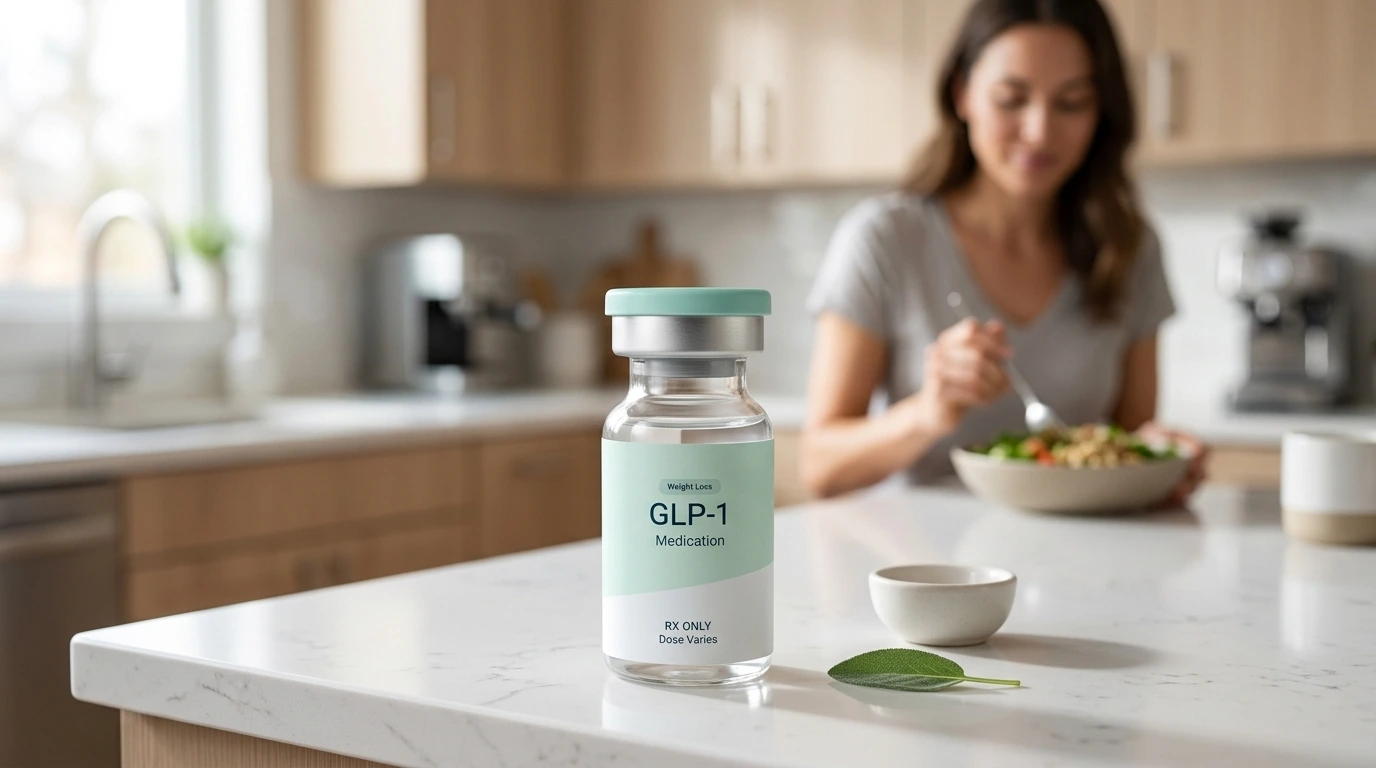
Reaching your goal weight is a milestone worth celebrating, but for many using GLP-1 medications, that success comes with a new set of questions. You might wonder if the progress you have made will last or how your body will react once the weekly injections end. At TrimRx, we believe that the end of a medication cycle should not be the end of your health journey. Whether you are stopping due to reaching your target, managing costs, or navigating supply shortages, understanding what happens when you stop taking Ozempic is essential for protecting your metabolic health. This article explores the physiological shifts, appetite changes, and weight management strategies you need to know. Our goal is to provide you with the clarity and support required to transition into a sustainable maintenance phase with confidence. If you are considering next steps, you can take the free assessment quiz to explore whether a personalized program is a fit.
Quick Answer: When you stop taking Ozempic®, the semaglutide (a GLP-1 receptor agonist) slowly leaves your system, leading to a return of natural hunger signals and “food noise.” Most individuals experience an increase in appetite, a potential rise in blood sugar, and a risk of weight regain if a comprehensive maintenance plan is not in place.
The Role of GLP-1 in Your Body
To understand what happens when the medication stops, it is helpful to briefly recap what it does while you are on it. Ozempic® is a brand-name medication containing semaglutide, which belongs to a class of drugs called GLP-1 receptor agonists. GLP-1 stands for glucagon-like peptide-1, a hormone your body naturally produces in the gut. If you want a deeper look at the hormone itself, our guide on what a natural GLP-1 is is a helpful place to start.
This hormone performs three primary roles: it tells your brain you are full, it slows down how quickly your stomach empties, and it helps your pancreas release the right amount of insulin. When you take a GLP-1 medication, you are essentially giving your body a much stronger, longer-lasting version of this signal. This is why many people report that “food noise”—the constant intrusive thoughts about eating—finally goes quiet.
When the medication is discontinued, these signals begin to fade. The “volume” on your hunger cues gradually turns back up as the synthetic hormone leaves your receptors.
The Immediate Physiological Shift
The Tapering Effect
You will not notice a change the moment you skip your first dose. Semaglutide has a relatively long half-life of about seven days. This means it takes about five weeks for the medication to be entirely cleared from your system. During the first week or two, you may still feel some of the lingering effects of suppressed appetite and delayed gastric emptying. For a closer look at how appetite changes during treatment, read our guide on what to expect from semaglutide and your appetite.
The Return of Food Noise
As the levels of medication drop, the most immediate change is usually psychological and sensory. Many people describe the return of “food noise” as the most challenging part of stopping. You may find yourself thinking about your next meal more often or noticing cravings for high-calorie foods that you previously found easy to ignore. We also break down that experience in our article on how GLP-1 medications quiet food noise.
Changes in Digestion
While on the medication, your digestion slows significantly, which is why you feel full on smaller portions. When you stop, your gastric emptying returns to its baseline speed. This means food moves through your stomach faster, and the physical sensation of fullness does not last nearly as long as it did during treatment.
Key Takeaway: The transition off GLP-1 medication is a gradual process lasting several weeks, characterized primarily by the return of baseline hunger signals and the disappearance of chemically induced satiety.
Weight Regain and the Rebound Effect
Why Weight Regain Occurs
One of the most frequent concerns regarding what happens when you stop taking Ozempic is the “rebound” effect. Clinical studies have shown that many individuals regain a portion of their lost weight within a year of stopping the medication. This happens because obesity is often a chronic metabolic condition rather than a temporary issue of willpower. If you want a broader perspective on why this happens, our overview of common misconceptions about GLP-1 weight loss is worth reading.
When you lose weight rapidly, your body’s natural defense mechanism—homeostasis—tries to pull you back to your previous “set point.” Without the GLP-1 medication to suppress these signals, your body may increase hunger hormones like ghrelin to encourage you to eat and replenish the lost fat stores.
The Quality of Weight Regain
When weight is lost on a GLP-1, a portion of that loss often includes skeletal muscle along with body fat. If weight is regained quickly after stopping, it is frequently regained as fat rather than muscle. This can shift your body composition in an unfavorable direction, potentially lowering your metabolic rate. This is why we emphasize the importance of resistance training and high protein intake both during and after your program.
Comparison: On Medication vs. Post-Medication
| Feature | While on Ozempic® | After Stopping |
|---|---|---|
| Appetite | Significantly suppressed | Returns to baseline levels |
| Food Noise | Minimal or absent | Likely to return |
| Digestion | Slowed (feel full longer) | Returns to normal speed |
| Blood Sugar | Stabilized and lowered | May rise (especially in diabetics) |
| Weight | Generally decreasing or stable | Potential for regain without a plan |
Impact on Blood Sugar and Metabolic Markers
For individuals using GLP-1 medications to manage Type 2 diabetes or insulin resistance, stopping the medication has direct implications for blood glucose levels.
Blood Glucose Rebound
The medication helps the pancreas secrete insulin more effectively in response to meals. When you stop, this assistance disappears. Many patients see their HbA1c levels and fasting blood sugar climb back toward their pre-medication levels. If you have a history of diabetes, it is critical to work closely with a healthcare provider to transition to a different management strategy.
Blood Pressure and Cholesterol
Weight loss generally leads to improvements in blood pressure and lipid profiles. While some of these benefits may persist if you maintain your lower weight through lifestyle changes, a significant regain in weight can cause blood pressure and cholesterol levels to rise again.
Note: If you are managing a chronic condition like Type 2 diabetes, never stop your medication without a clear transition plan from a licensed healthcare professional.
The Disappearance of Side Effects
While the return of hunger is a challenge, there is a silver lining for those who struggled with the medication’s side effects. For more detail on the most common symptoms, see our guide to common GLP-1 side effects.
Gastrointestinal Relief
Common side effects such as nausea, constipation, diarrhea, and bloating typically resolve within a few weeks of the last dose. For the roughly 10% to 15% of people who stop the medication specifically because of these discomforts, the transition off the drug often brings a welcome return to feeling physically “normal.”
Resolution of “Ozempic Face”
The term “Ozempic face” refers to the gaunt or hollowed appearance that can occur with rapid weight loss. When an individual stops the medication and regains even a small amount of weight, facial volume is often one of the first things to return. This can lead to a more hydrated and youthful appearance in the skin, which some find to be a positive side effect of the transition.
Why People Choose to Stop
There are several valid reasons why an individual might decide to end their GLP-1 therapy. Understanding these can help you feel less alone in your decision.
- Achieving Goal Weight: Many people view these medications as a “jumpstart” and feel ready to maintain their progress through lifestyle alone.
- Cost and Coverage: Changes in insurance or the high cost of branded medications can make long-term use difficult.
- Supply Issues: Persistent shortages of branded medications like Wegovy® or Ozempic® can force a gap in treatment.
- Tolerability: Persistent side effects may outweigh the benefits for some users.
At TrimRx, we help patients navigate these hurdles by offering access to Compounded Semaglutide and Compounded Tirzepatide. These options, prepared by FDA-registered and inspected compounding pharmacies, can provide a more accessible and consistent alternative for those who find the branded versions difficult to obtain or afford.
Strategies for a Successful Transition
If you are planning to stop your medication, a “cold turkey” approach is often less successful than a structured transition. Here is a step-by-step framework for maintaining your progress.
Step 1: Consult Your Provider
Discuss a tapering schedule. Some providers suggest gradually lowering the dose over several weeks to let your hunger signals return more slowly rather than all at once. If you want a simple place to start, you can complete the free assessment quiz and see whether a personalized program makes sense for you.
Step 2: Prioritize Protein and Fiber
Since your chemical satiety is fading, you must rely on physical satiety. Protein and fiber are the two most satiating nutrients. Aim for a high-protein goal at every meal to keep your muscles fed and your stomach feeling full. Our article on the best protein for weight loss offers a deeper look at how to make that practical.
Step 3: Increase Resistance Training
To prevent your metabolism from slowing down, you must protect your muscle mass. Lifting weights or doing bodyweight exercises tells your body to keep its calorie-burning muscle even as your weight stabilizes. If you want more guidance, read about how to build muscle while on GLP-1.
Step 4: Use Supportive Supplements
Transitioning off a GLP-1 can be taxing on your system. We often recommend targeted support to help bridge the gap. For example, our GLP-1 Daily Support is designed to provide essential nutrients that support metabolic health.
If you also want help maintaining energy levels as you adjust your caloric intake, Weight Loss Boost can be a useful option during the transition.
Step 5: Monitor Your Data
Continue weighing yourself or measuring your waist circumference weekly. Catching a 3-to-5-pound gain early allows you to adjust your habits before it becomes a 20-pound regain.
Myth: “Once you stop Ozempic®, you are guaranteed to gain all the weight back.”
Fact: While regain is common, it is not inevitable. Individuals who combine medication with permanent lifestyle changes, consistent exercise, and a high-protein diet are much more likely to maintain their new weight.
Managing the Psychological Aspect
The mental shift after stopping medication is often overlooked. When the “food noise” returns, it can feel like a personal failure or a loss of willpower. It is important to remember that this is a biological response, not a character flaw.
Practice Mindful Eating
Without the medication to tell you when to stop, you must become more in tune with your body’s subtle fullness cues. Eating slowly, removing distractions like phones or TV during meals, and chewing thoroughly can help your brain register satiety.
Build a Support System
Weight management is a long-term journey. Having access to a dedicated team of specialists can make a significant difference. Our platform provides 24/7 access to support, ensuring you never have to navigate these metabolic shifts alone.
Sustaining Your Success with TrimRx
Sustainable weight loss is rarely a straight line. It is a process of learning how your body responds to different inputs. Our personalized programs are designed to meet you wherever you are—whether you are just starting your journey or looking for a way to maintain your results after stopping a branded medication. If you are ready for a personalized next step, you can see if you qualify for a personalized program.
We offer a telehealth-first approach, meaning you can manage your metabolic health from the comfort of your home. By connecting you with licensed providers who understand the nuances of GLP-1 therapy, we ensure that your transition off or between medications is handled with clinical expertise and empathy.
Key Takeaway: Success after GLP-1 therapy depends on replacing the medication’s biological signals with robust lifestyle habits and professional support.
Final Thoughts on the Post-Medication Journey
Stopping Ozempic® is a significant transition, but it does not have to mean the end of your progress. By understanding the timeline of how the medication leaves your body, preparing for the return of hunger cues, and doubling down on protein and resistance training, you can protect the investment you have made in your health.
Obesity and weight management are chronic journeys. For many, this means that some form of support—whether it is through specialized supplements, periodic medication cycles, or continuous clinical coaching—is a long-term reality. We are here to provide that support in a way that is transparent, affordable, and personalized to your unique health profile.
Bottom line: Preparation is the key to preventing the “Ozempic rebound.” Focus on muscle preservation, metabolic nutrition, and consistent monitoring to keep your results for the long term.
FAQ
Will I feel withdrawal symptoms when I stop taking Ozempic®?
There are no traditional “withdrawal” symptoms associated with stopping semaglutide. However, you will likely experience the return of your original appetite and cravings as the medication leaves your system. If you have Type 2 diabetes, you may also experience symptoms of rising blood sugar, such as increased thirst or fatigue.
How quickly will the weight come back after I stop?
Weight regain typically happens gradually over several months as your hunger signals return and your metabolism adjusts. Research suggests that without lifestyle interventions, many people regain a significant portion of their weight within the first year. Consistent exercise and high protein intake are the best defenses against rapid regain.
Can I stop Ozempic® “cold turkey” or should I taper?
While it is physically safe for most people to stop without tapering, many healthcare providers recommend a gradual reduction in dosage. This tapering can help your appetite return more slowly, giving you more time to adjust your eating habits. Always consult with your provider before changing your dosing schedule.
Does “Ozempic face” go away if I stop the medication?
In many cases, yes. “Ozempic face” is caused by a loss of fat volume in the facial pads due to rapid weight loss. If you regain a small amount of weight or simply stabilize at your new weight, your skin may regain some elasticity and volume, leading to a fuller appearance.
Disclaimer: This content is for informational purposes only and does not constitute medical advice. It is not intended to diagnose, treat, cure, or prevent any disease or condition. Individual results may vary. Always consult a qualified healthcare professional before starting any weight loss program or medication.

Transforming Lives, One Step at a Time
Keep reading

Lunar New Year on Ozempic: Reunion Dinner and Family Visits
For many families, Lunar New Year is the biggest celebration of the year. It begins with a reunion dinner on New Year’s Eve, often…

Passover on Ozempic: The Seder, Matzah and Constipation
Passover brings two challenges for people on Ozempic or another GLP-1. The first is the seder: a long evening meal, often starting late, with…
Getting a Tattoo on Ozempic
Tattoo artists know the signs well: a client who came in without eating, sits for a few hours, goes pale, and starts to feel…


