What Happens When You Reach Your Goal Weight on Zepbound
Introduction
Standing on the scale and seeing your goal weight for the first time is a moment of pure triumph. After months of dedication, lifestyle changes, and the support of Zepbound®, you have reached the finish line of your initial weight loss phase. However, many people find that hitting this milestone brings a new wave of questions and a touch of anxiety. You might wonder if you can stop the medication, whether the weight will return, or how your body will react to a “maintenance” phase.
At TrimRx, we believe that reaching your goal is just the beginning of a lifelong journey toward metabolic health. This transition requires a shift in strategy from active weight loss to long-term sustainability. In this post, we will cover the biological changes that occur when you hit your target, the reality of “food noise” returning, and how personalized programs can help you navigate the path ahead. Reaching your goal is a major achievement, and having a plan for what comes next is the key to making those results last. If you are considering your next step, you can complete a free eligibility assessment to discuss your options with a licensed provider.
The Biology of Reaching Your Goal
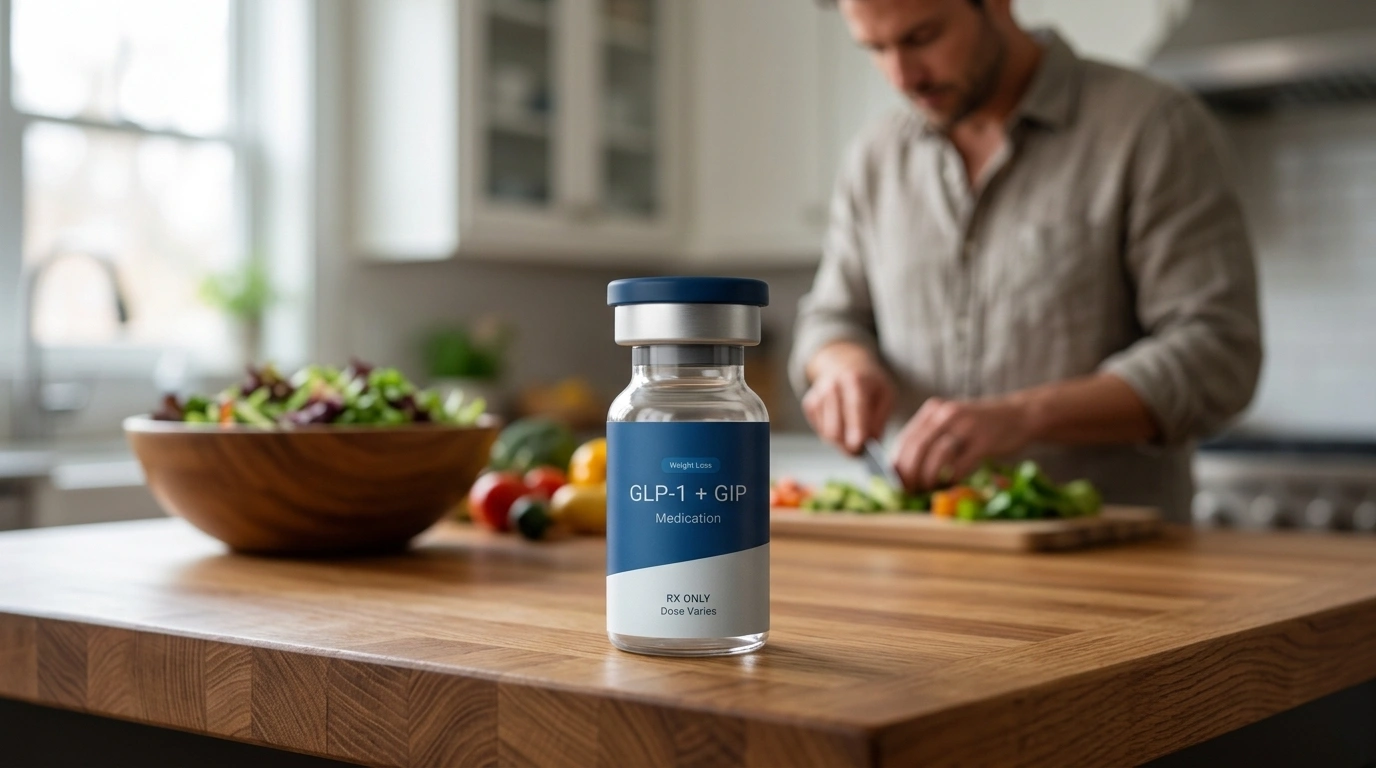
When you reach your goal weight while using Zepbound®, your body is in a significantly different state than when you began. Zepbound® contains tirzepatide, a dual-acting medication that mimics two natural hormones: glucagon-like peptide-1 (GLP-1) and glucose-dependent insulinotropic polypeptide (GIP). These receptor agonists work together to regulate your appetite, slow down how quickly your stomach empties, and help your body manage insulin more effectively.
By the time you reach your goal, your metabolic markers—such as blood pressure, cholesterol levels, and blood sugar—have likely improved. However, your body has also undergone hormonal shifts in response to weight loss. Your “set-point,” which is the weight your body naturally tries to maintain, may still be anchored at your higher starting weight.
Understanding the Set-Point Theory
The human body has evolved to survive periods of food scarcity. When you lose a significant amount of weight, your internal systems often perceive this as a threat. In response, your body may lower its resting metabolic rate (how many calories you burn at rest) and increase the production of ghrelin, the hormone that triggers hunger. Simultaneously, levels of leptin, the hormone that signals fullness, often drop.
Key Takeaway: Your body may actively fight to regain lost weight by increasing hunger signals and slowing metabolism, a biological process known as metabolic adaptation.
For a deeper look at the biological pressure behind regain, read how GLP-1 medications can affect weight maintenance after stopping treatment.
The Reality of Stopping vs. Maintaining
A common question is whether you can simply stop taking the medication once the goal weight is reached. Clinical research, including the SURMOUNT-4 trial, provides important insights into this transition. In this study, participants who hit their weight loss goals were either kept on the medication or switched to a placebo.
The results showed a stark difference. Those who remained on the medication continued to maintain or even slightly increase their weight loss. On the other hand, many individuals who stopped the medication experienced a significant return of weight over the following year. This suggests that for many, obesity is a chronic condition that requires ongoing management rather than a short-term fix. If you are weighing continued treatment against stopping, you can take the free assessment quiz to begin a conversation about your maintenance options.
For additional context, see this guide to stopping Zepbound and managing the transition.
The Return of Food Noise
One of the most profound effects of tirzepatide is the reduction of “food noise.” This term refers to the constant, intrusive thoughts about food, cravings, and the mental energy spent planning the next meal. For many, this noise disappears while on the medication, allowing them to make healthier choices with ease.
When the medication is discontinued, that food noise often returns. This is not a failure of willpower; it is a biological response. Without the hormonal support of the medication, the brain’s reward centers and hunger signals revert to their previous state, making it much harder to resist cravings or maintain smaller portion sizes.
You can also explore what to expect from Zepbound withdrawal symptoms and returning appetite.
Maintenance Dosing Strategies
Rather than stopping abruptly, many healthcare providers recommend a maintenance dose. This involves finding the lowest possible dose that prevents weight regain and keeps hunger manageable. This approach allows the body to stabilize at its new weight while still receiving the hormonal support it needs to combat metabolic adaptation.
Step 1: Consult with your provider. / Your licensed healthcare professional will review your progress and determine if a lower dose is appropriate for your maintenance phase.
Step 2: Monitor weight and hunger. / Keep a close eye on how your body responds to dose changes, noting any return of intense cravings or rapid weight fluctuations.
Step 3: Adjust lifestyle foundations. / Use the reduced hunger from a maintenance dose to solidify habits like high-protein intake and regular movement.
Note: Any changes to your medication schedule or dosage must be done under the direct supervision of a licensed healthcare provider to ensure safety and effectiveness.
For more information about the transition process, review this guide to what can happen after stopping Zepbound.
The Role of Lifestyle in the Maintenance Phase
While Zepbound® is a powerful tool, it works best when paired with a sustainable lifestyle. Once you reach your goal, the “how” of your daily routine becomes even more important. Research suggests that those who successfully keep weight off long-term often focus on two pillars: protein intake and physical activity.
Protecting Lean Muscle Mass
During significant weight loss, the body can lose muscle along with fat. Muscle is metabolically active tissue, meaning it helps you burn more calories even when you are sitting still. To maintain your goal weight, it is essential to prioritize protein. Aim for high-quality protein sources at every meal to help preserve your lean muscle and support satiety, the feeling of being full and satisfied.
Moving for Maintenance
While diet is the primary driver of weight loss, exercise is the primary driver of weight maintenance. Physical activity helps counter the metabolic slowdown that often follows weight loss. It also improves insulin sensitivity and can help regulate your mood, which reduces the likelihood of emotional eating.
Bottom line: Transitioning to maintenance is not about “going off a diet,” but about finding a “high energy flux” state where you move more and eat nutrient-dense foods to fuel that movement.
Psychological Transitions at the Goal Weight
Reaching your goal is an emotional experience. You may feel a new sense of confidence and freedom, but you might also feel a sense of loss or confusion. For years, your identity may have been tied to “losing weight.” When that goal is met, you have to redefine your relationship with your body and food.
Some individuals find that they miss the enjoyment of food or the social aspects of eating that were dampened by the medication. Others struggle with the fear of regain, leading to obsessive weighing or restrictive behaviors. This is where a personalized program, like the ones supported by TrimRx, becomes invaluable. Access to a team that understands the emotional weight of this journey can help you build resilience and a healthy mindset for the years ahead.
Health Benefits Beyond the Scale
It is important to remember that the goal weight is just one metric of success. The true “win” is the improvement in your overall health. When you maintain your weight loss, you are reducing your long-term risk for various conditions:
- Cardiovascular Health: Many patients see significant drops in blood pressure and improved cholesterol profiles.
- Joint Health: Losing weight reduces the physical stress on your knees, hips, and lower back.
- Sleep Quality: Weight loss is a primary treatment for obstructive sleep apnea.
- Metabolic Stability: Maintaining a lower weight helps keep blood sugar levels in a healthy range.
If you stop the medication and the weight returns, many of these health benefits may also begin to reverse. This is why many clinicians view GLP-1 and GIP medications as long-term support for systemic health rather than just a cosmetic intervention.
Personalized Approaches to the Long Game
There is no one-size-fits-all answer for what happens after you hit your goal. Some people may eventually taper off the medication entirely and maintain their weight through rigorous lifestyle changes. Others may find that they need a low-dose maintenance plan indefinitely to keep their biology in balance.
At TrimRx, our platform connects you with licensed providers who look at your entire health profile. Whether you are using compounded tirzepatide or navigating the transition from a branded medication, our goal is to ensure you aren’t doing it alone. We offer a comprehensive service model that includes doctor consultations and ongoing support to help you figure out which maintenance path is right for you.
Myth: Stopping Zepbound® means you will automatically regain all the weight. Fact: While many people do experience regain, about 1 in 6 participants in some studies were able to maintain their weight loss through intensive lifestyle changes. However, the majority benefit from some level of ongoing medical support.
Managing Potential Side Effects in Maintenance
Even at a maintenance dose, some individuals may still experience side effects. Common issues include nausea, constipation, or indigestion. These often occur because the medication slows down gastric emptying (how fast food leaves the stomach).
If you are struggling with these symptoms during your maintenance phase, it is important to speak with your provider. They may suggest adjusting your dose or incorporating supportive supplements. For more information, review this guide to common GLP-1 side effects and ways to manage them.
Navigating the TrimRx Process for Maintenance
If you have reached your goal and are wondering about your next steps, our process is designed to be simple and supportive. We focus on a telehealth-first approach, meaning you don’t have to spend time in waiting rooms to get the guidance you need.
- Take the Assessment Quiz: This free tool helps us understand where you are in your journey and what your current goals are.
- Consult with a Specialist: You will be connected with a licensed provider to discuss your maintenance options, including potential dose adjustments.
- Receive Your Personalized Plan: If a prescription is appropriate, your medication will be shipped from an FDA-registered, inspected compounding pharmacy directly to your door.
- Continuous Support: You have 24/7 access to our team to answer questions about side effects, nutrition, or mindset shifts as you navigate life at your goal weight.
Conclusion
Reaching your goal weight on Zepbound® is a monumental milestone that deserves celebration. It represents a significant improvement in your health and a new chapter in your life. However, the biological reality of weight loss means that the maintenance phase requires just as much intention and strategy as the weight loss phase itself. Whether it involves a maintenance dose, a focus on high-protein nutrition, or a new commitment to physical activity, your plan should be as unique as you are.
Our mission at TrimRx is to help you embrace a healthier lifestyle through science, empathy, and a transparent approach to sustainable weight management. We are here to provide the clinical expertise and personalized support you need to ensure that the weight you’ve lost stays off for good.
Ready to build your long-term maintenance strategy? Take our free assessment quiz today to connect with a specialist and discover the best path forward for your unique health profile.
FAQ
Will I immediately regain weight if I stop taking Zepbound?
While weight regain is common after stopping Zepbound®, it is not always immediate or total. Research suggests that many people regain about half of their lost weight within a year if they do not have a strong maintenance strategy in place. Continuing with a personalized plan and lifestyle modifications can help mitigate this risk. You can read more about what to expect after stopping tirzepatide.
Can I just take a lower dose of Zepbound for maintenance?
Many healthcare providers recommend a maintenance dose, which is a lower amount of the medication used to keep hunger signals and “food noise” at bay. This helps stabilize your weight without the same intensity as the initial weight loss doses. You should only adjust your dosage under the guidance of a licensed professional.
Does “food noise” always come back after stopping the medication?
For the majority of people, the intrusive thoughts about food and intense cravings do return once the medication leaves the system. This is because the medication was chemically helping to regulate the brain’s hunger and reward centers. Maintaining a healthy lifestyle and potentially a lower maintenance dose can help manage these signals.
How does TrimRx help with the maintenance phase?
TrimRx connects you with licensed providers who can create a personalized maintenance plan tailored to your health history and goals. Our program includes ongoing medical consultations, access to medications from FDA-registered compounding pharmacies, and 24/7 specialist support to help you sustain your results long-term. If you are ready to discuss your eligibility, complete the free assessment.
Disclaimer: This content is for informational purposes only and does not constitute medical advice. It is not intended to diagnose, treat, cure, or prevent any disease or condition. Individual results may vary. Always consult a qualified healthcare professional before starting any weight loss program or medication.

Transforming Lives, One Step at a Time
Keep reading
Moving In With Your Partner on Zepbound
Moving in together changes the rhythm of daily life: who cooks, when you eat, what is in the fridge, and how you spend evenings….

Living With Roommates on Zepbound
Sharing an apartment or house means sharing a fridge, a kitchen, a bathroom, and often more of your life than you planned. If you…

A Fan Convention on Zepbound: Lines, Cosplay, and Convention Food
Big fan conventions are a marathon disguised as a party. You queue before dawn for a panel, walk miles of exhibit hall, stand in…


