What If You Accidentally Inject Semaglutide into a Vein

Table of Contents
- Introduction
- Understanding Subcutaneous vs. Intravenous Delivery
- What Happens During an Accidental Vein Injection?
- Signs and Symptoms to Monitor
- Why Hitting a Vein Is Actually Rare
- Proper Injection Technique to Minimize Risk
- What to Do If You Suspect an Injection Error
- Long-Term Management and Prevention
- The Role of Personalized Weight Loss Programs
- FAQ
Introduction
Learning to self-administer a weight loss medication can feel like a significant hurdle. For many, the initial anxiety does not come from the medication itself but from the mechanics of the needle. A common fear among those starting their journey is the risk of an accidental injection into a vein rather than the intended fatty tissue. At TrimRx, we believe that education is the foundation of a safe and successful health transformation. This post covers the physiological differences between subcutaneous and intravenous delivery, the potential side effects of an accidental vein injection, and how to ensure you are using the correct technique. While semaglutide is highly effective for weight management, using the proper administration method is essential for its safety and efficacy. Understanding how to handle an injection error can replace fear with confidence as you pursue your health goals.
Quick Answer: If you accidentally inject semaglutide into a vein, the medication enters your bloodstream all at once instead of absorbing slowly over several days. While this is rarely a medical emergency for most people, it can lead to more intense side effects like severe nausea, dizziness, or a rapid drop in blood sugar.
Understanding Subcutaneous vs. Intravenous Delivery
To understand why the injection site matters, it helps to look at how semaglutide is designed to work within the body. Semaglutide is a glucagon-like peptide-1 (GLP-1) receptor agonist. A receptor agonist is a substance that mimics a naturally occurring hormone—in this case, the GLP-1 hormone your body releases after eating—to produce a specific response. This response includes signaling the brain to feel full and slowing down the rate at which the stomach empties. For a broader overview, read this guide to how GLP-1 injections work.
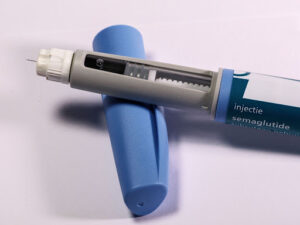
The design of this medication is specifically for subcutaneous injection. Subcutaneous means “under the skin.” This method targets the layer of fat located between the skin and the muscle. This layer has fewer blood vessels than muscle or the circulatory system itself, which is critical for how the medication enters your system.
The Role of Adipose Tissue
Fat tissue, also known as adipose tissue, acts as a sort of reservoir. When you inject into this layer, the medication does not enter the bloodstream immediately. Instead, it seeps slowly into the small capillaries in the fat over several days. This slow-release mechanism is why many GLP-1 medications only need to be administered once per week. It maintains a steady level of the hormone in your system, which helps manage appetite consistently without the “peaks and valleys” that come with faster absorption methods.
Why Veins Are Different
Intravenous (IV) delivery involves placing a substance directly into a vein, where it is instantly carried throughout the entire circulatory system. When a medication designed for a seven-day slow release is suddenly introduced all at once, the concentration in the blood spikes far higher than intended. This bypasses the natural “buffer” of the fat layer. Because the body is not prepared for this sudden surge of GLP-1, the reaction can be much more intense than a standard dose.
Key Takeaway: Subcutaneous injections provide a slow, steady release of medication into the body, while intravenous injections result in immediate systemic exposure, which can amplify side effects.
What Happens During an Accidental Vein Injection?
If you happen to inject semaglutide into a vein, the medication will reach your systemic circulation much faster than intended. Because the medication was not designed for this route, the body may react to the sudden “spike” in GLP-1 levels. For most individuals, this does not result in a life-threatening emergency, but it can be a very uncomfortable experience. If you are considering a prescription program, you can complete a free eligibility assessment.
Immediate Physiological Responses
The most likely immediate response is a sudden onset of severe nausea. Since GLP-1 receptors are located in the area of the brain that controls vomiting, known as the area postrema, a sudden surge can trigger a strong urge to vomit. This is essentially the brain overreacting to the high level of the hormone.
You may also experience a rapid drop in blood sugar, although this is less common in people who do not have type 2 diabetes. Semaglutide is “glucose-dependent,” meaning it primarily stimulates insulin when blood sugar is high. However, a massive, sudden dose might still cause a temporary dip in glucose levels, leading to dizziness or lightheadedness.
| Feature | Subcutaneous (Intended) | Intravenous (Accidental) |
|---|---|---|
| Target Tissue | Adipose (fat) layer | Bloodstream |
| Absorption Speed | Slow (several days) | Instant |
| Peak Concentration | 1–3 days post-injection | Immediate |
| Primary Risk | Mild gastrointestinal upset | Intense nausea and dizziness |
| Duration of Effect | Full week | Potentially shorter/less predictable |
Signs and Symptoms to Monitor
If you suspect you have hit a vein, you should stay alert for specific symptoms over the next 24 to 48 hours. Most people will know almost immediately if the injection went into a vein because the onset of symptoms is much faster than the usual 12 to 24-hour window seen with subcutaneous shots. You can also review this guide to common GLP-1 injection side effects.
Gastrointestinal Distress
Extreme nausea or vomiting is often the first sign that the medication has entered the system too quickly. This may be accompanied by intense abdominal cramping or a feeling of “fullness” that comes on within minutes rather than hours. While these symptoms are common side effects of the medication in general, their intensity and rapid onset are the key indicators of an injection error.
Neurological and Cardiovascular Signs
- Dizziness and Vertigo: A sudden change in blood pressure or blood sugar can make the room feel like it is spinning.
- Rapid Heart Rate: Some people report a fluttering sensation in the chest or a racing pulse as the body reacts to the sudden hormonal shift.
- Headache: A sharp or throbbing headache may develop shortly after the injection.
The Risk of Hypoglycemia
Hypoglycemia, or low blood sugar, occurs when blood glucose levels fall below 70 mg/dL. While the risk is generally low with GLP-1 medications, an intravenous injection changes the risk profile. Symptoms of low blood sugar include:
- Shakiness or tremors
- Sudden sweating or chills
- Confusion or irritability
- Extreme weakness
If you feel these symptoms, consuming a fast-acting carbohydrate, such as four ounces of fruit juice or glucose tablets, may help stabilize your levels. Always consult a healthcare provider for guidance on managing blood sugar fluctuations.
Why Hitting a Vein Is Actually Rare
It is important to remember that hitting a vein with a subcutaneous needle is quite difficult. The needles used for GLP-1 medications, such as those used for Compounded Semaglutide, are very short and thin. They are designed specifically to reach the fat layer just beneath the skin and are generally too short to reach deep veins. For more detail, read about the best places to inject semaglutide.
The areas recommended for injection—the abdomen, the outer thigh, and the back of the upper arm—are chosen because they have significant fat stores and few superficial veins. When you follow the standard “pinch” technique, you are lifting the fat away from the underlying muscle and vessels, further reducing the risk.
Note: Most injection pens use needles that are only 4mm to 8mm long. In most adults, the distance from the skin surface to a major vein is significantly deeper than this, making accidental intravenous entry a rare event.
Proper Injection Technique to Minimize Risk
At TrimRx, our personalized programs emphasize the importance of mastering the correct administration process. Taking an extra minute to prepare can ensure your safety and the effectiveness of your program. If you are unsure of your technique, you can always reach out to our team of specialists for guidance. This step-by-step semaglutide injection guide provides additional instruction.
Choosing the Right Site
The three primary sites for subcutaneous injection are:
- The Abdomen: At least two inches away from the belly button. This is often the preferred site because it is easy to reach and has ample fat tissue.
- The Front of the Thigh: The middle third of the outer thigh is a stable area for injection.
- The Upper Arm: This usually requires the assistance of another person to ensure the needle enters the fatty area on the back of the arm.
Step-by-Step Injection Process
Step 1: Clean the site. / Use an alcohol swab to clean the skin and let it air dry completely. Injecting through wet alcohol can cause unnecessary stinging.
Step 2: Pinch the skin. / Use your thumb and forefinger to gently pull up about an inch of fatty tissue. This creates a clear target and moves the fat away from the muscle and blood vessels.
Step 3: Insert at a 90-degree angle. / Hold the pen or syringe like a dart and insert the needle straight into the pinched skin. Do not insert at a shallow angle, as this might keep the medication too close to the surface.
Step 4: Deliver the dose. / Depress the plunger or button fully. If using a pen, you will usually hear a click.
Step 5: Wait and withdraw. / Count to ten before removing the needle. This ensures all the medication has left the needle and stayed in the fat layer.
Step 6: Apply gentle pressure. / Use a clean cotton ball or gauze to press on the site for a few seconds. Do not rub the area, as this can irritate the tissue.
Key Takeaway: Using the “pinch and 90-degree” method is the most effective way to ensure the medication stays in the subcutaneous fat layer and avoids any accidental contact with veins or muscle.
What to Do If You Suspect an Injection Error
If you believe you have accidentally injected semaglutide into a vein, the most important first step is to remain calm. Panicking can increase your heart rate and worsen symptoms like dizziness or nausea. If you have questions about whether prescription treatment is appropriate for you, you can take the free assessment quiz.
Immediate Action Steps
- Stop the injection: If you see blood entering the syringe or feel a sharp, unusual pain, stop immediately and withdraw the needle.
- Apply pressure: Use gauze to hold pressure on the site for 1–2 minutes. This helps prevent bruising.
- Monitor your vitals: Sit or lie down in a safe place. If you have a blood glucose monitor, check your levels to ensure you aren’t experiencing hypoglycemia.
- Hydrate: Sip water or an electrolyte drink. This is especially important if you begin to experience vomiting, as dehydration can worsen the feeling of dizziness.
- Contact your provider: Reach out to the clinical team associated with your program. They can provide specific guidance based on your medical history and the dosage you were taking.
When to Seek Emergency Care
While most injection errors result in temporary discomfort, certain symptoms require immediate medical attention. Seek emergency care if you experience:
- Signs of an allergic reaction (swelling of the face, tongue, or throat)
- Difficulty breathing or severe shortness of breath
- Persistent, uncontrollable vomiting that prevents you from keeping fluids down
- Severe abdominal pain that radiates to the back (which can be a sign of pancreatitis)
- Fainting or loss of consciousness
Long-Term Management and Prevention
One accidental injection error does not mean your weight loss journey is over. It is a learning moment that highlights the importance of technique. To prevent future issues, consider keeping an injection log. Note the date, time, dose, and specific site you used.
Rotating Injection Sites
Rotating your injection site is not just about avoiding veins; it is about keeping the skin and fat tissue healthy. If you inject into the exact same spot every week, you may develop lipodystrophy, which is a localized thickening or pitting of the fat tissue. This can lead to inconsistent absorption of the medication. We recommend moving at least one inch away from your previous site every week. Learn more about rotating semaglutide injection sites.
Education and Support
A personalized program is about more than just a prescription. It is about having access to the right information and professional support. Many individuals find that their confidence grows after the first few successful injections. If you are struggling with needle anxiety or technique, our specialists are available to provide the reassurance and education you need to stay on track.
Bottom line: While injecting semaglutide into a vein is technically possible, it is extremely rare when using standard subcutaneous needles and proper technique. If it does happen, the primary result is usually an increase in temporary side effects that can be managed with hydration, rest, and professional guidance.
The Role of Personalized Weight Loss Programs
Navigating the world of GLP-1 medications like Ozempic®, Wegovy®, or compounded alternatives can feel overwhelming. This is why a telehealth-first approach is so valuable. You get the clinical expertise and medically supervised guidance you need without the stress of a waiting room. Our mission is to help you embrace a healthier lifestyle through a transparent, personalized approach to sustainable weight loss.
By starting with a free assessment quiz, you can determine which options are best suited for your health profile. Whether it is Compounded Semaglutide or other support options, we provide a comprehensive service model that includes doctor consultations and unlimited support. This ensures that if you ever have questions about your injection technique or side effects, you are never alone in your journey.
FAQ
Can hitting a vein cause a semaglutide overdose?
It is not an overdose in the sense of taking too much medication, but it is a “delivery error” that causes the medication to hit your system all at once. This mimics the effects of a high dose because the peak concentration happens instantly rather than over several days.
What should I do if I see blood after my injection?
A small drop of blood is common and usually means you nicked a tiny capillary near the surface of the skin, not a major vein. Simply wipe it away with a cotton ball and apply light pressure; it does not typically affect how the medication is absorbed.
How can I tell the difference between fat and muscle for an injection?
The “pinch” technique is the best way to distinguish between the two. When you gently pinch the skin on your abdomen or thigh, the soft tissue that pulls away from your body is the subcutaneous fat. The firm, harder tissue beneath it is the muscle.
Should I skip my next dose if I had an injection error?
You should never change your dosing schedule without consulting your healthcare provider. If you experience intense side effects from an injection error, your provider may suggest waiting until symptoms subside, but always seek professional guidance before making that decision. If you are still deciding whether a prescription GLP-1 program is right for you, complete a free eligibility assessment.
Disclaimer: This content is for informational purposes only and does not constitute medical advice. It is not intended to diagnose, treat, cure, or prevent any disease or condition. Individual results may vary. Always consult a qualified healthcare professional before starting any weight loss program or medication.

Transforming Lives, One Step at a Time
Keep reading
Semaglutide vs Tirzepatide: Comparing Weight Loss, Blood Sugar, and Side Effects
Semaglutide and Tirzepatide are one of the most common comparisons in medical weight loss. The two medications share a clear family resemblance. Both are…

How Much Weight Can You Lose on Semaglutide?
How much weight can you lose on semaglutide? The answer varies depending on your starting weight, dosage, treatment duration, and individual response to the…

Hair Shedding Months Into Semaglutide
It shows up in the shower drain first, then on the pillow, then in the brush. By the time most people search this, they…


