What Is Compounded Semaglutide Made Of?
Introduction
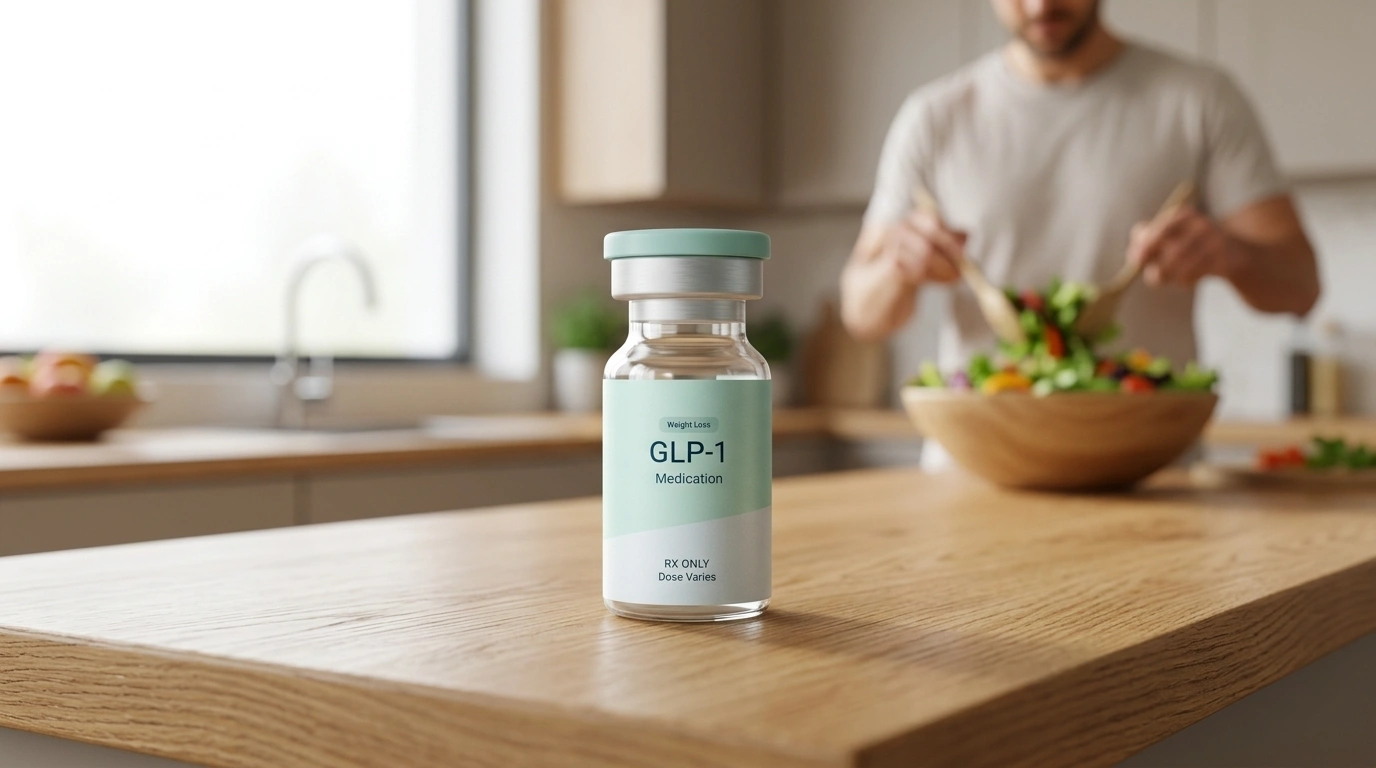
Deciding to start a medical weight loss journey is a significant step toward better health, but it often comes with a list of technical questions. You might have heard about GLP-1 medications and wondered exactly what goes into the vial when it is prepared specifically for you. Understanding what is compounded semaglutide made of is essential for feeling confident and informed about your treatment plan. At TrimRx, we believe that transparency is the foundation of a successful health transformation. This article will break down the primary active ingredients, the common additives used to support your body, and how specialized pharmacies ensure these preparations meet high standards of quality. By the end of this guide, you will have a clear picture of the science behind your medication and how it works to support your long-term wellness goals. If you are considering prescription treatment, you can complete a free eligibility assessment.
The Primary Active Ingredient: Semaglutide
The core component of any compounded semaglutide preparation is the semaglutide molecule itself. This substance belongs to a class of drugs known as glucagon-like peptide-1 (GLP-1) receptor agonists. In plain English, a GLP-1 receptor agonist is a compound that mimics a hormone your body naturally produces after you eat. This hormone tells your brain that you are full and signals your stomach to slow down digestion.
Semaglutide is a complex protein sequence designed to stay in the body longer than the natural hormone. While the GLP-1 your body makes naturally lasts only a few minutes, the semaglutide molecule is engineered to circulate for about a week. This allows for a consistent effect on appetite and blood sugar management. When a compounding pharmacy creates a personalized version of this medication, they start with this high-purity active pharmaceutical ingredient (API). For more background, read this overview of compounded semaglutide ingredients.
Key Takeaway: The active ingredient is a synthetic version of a natural hormone that helps regulate hunger and fullness signals in the brain and gut.
The Base: Sterile Solutions and Preservatives
Because semaglutide is typically administered via a small subcutaneous injection, it must be dissolved in a liquid base. This base is not just plain water; it is a specialized, sterile solution designed to be safe for injection. Most often, compounding pharmacies use bacteriostatic water or sterile saline as the carrier for the active medication.
Bacteriostatic water contains a very small amount of benzyl alcohol, which acts as a preservative. This ingredient is crucial because it prevents the growth of bacteria inside the vial after the seal has been punctured for the first dose. This allows the medication to remain safe and effective for multiple uses over several weeks. Without these stabilizing ingredients, the protein-based semaglutide molecule could break down or become contaminated, rendering the treatment ineffective or unsafe. You can also review this breakdown of semaglutide compound ingredients.
Common Additives: Why B Vitamins Are Included
Many healthcare providers choose to include specific vitamins in compounded semaglutide formulas to help manage side effects. The most common additions are Vitamin B12 (cyanocobalamin) or Vitamin B6 (pyridoxine). These are not fillers; they serve a distinct clinical purpose based on how the body reacts to GLP-1 medications.
Vitamin B12 is frequently added because it may help reduce the fatigue that some people feel when they begin a weight loss program. Since semaglutide changes how your body processes energy and reduces your caloric intake, a boost of B12 can support metabolic health and energy levels. Furthermore, both B12 and B6 are known to help alleviate nausea, which is the most common side effect reported by individuals starting GLP-1 therapy. By mixing these vitamins directly into the semaglutide solution, the pharmacy creates a “combination” medication designed to provide a more comfortable experience for the patient. For additional context, see this guide to Vitamin B12 and semaglutide.
Quick Answer: Compounded semaglutide is made of the active ingredient semaglutide, a sterile liquid base like bacteriostatic water, and often includes B vitamins like B12 to help manage nausea and energy levels.
How Compounding Pharmacies Ensure Ingredient Quality
The quality of what is inside the vial depends entirely on the standards of the pharmacy preparing it. It is important to note that compounded semaglutide is not FDA-approved in the same way that brand-name drugs are. However, the pharmacies that TrimRx partners with are FDA-registered and strictly inspected. These facilities must follow stringent guidelines known as USP <797> and USP <795> standards, which govern the sterile preparation of medications.
Every batch of ingredients used in compounding must be accompanied by a Certificate of Analysis (CoA). This document proves that the semaglutide API has been tested for purity, potency, and the absence of contaminants like heavy metals or bacteria. Before the final product is shipped to a patient, many high-end compounding pharmacies also perform third-party potency testing. This ensures that the concentration of semaglutide in the vial matches exactly what the doctor prescribed, providing a reliable and consistent dose every time. Learn more in this guide to compounded semaglutide pharmacy quality.
Compounded vs. Branded Ingredients
While the active ingredient is the same, there are differences in the inactive ingredients between compounded and branded versions. Branded medications like Wegovy® or Ozempic® are mass-produced in fixed doses and come in pre-filled, proprietary injection pens. These branded products contain their own specific stabilizers and buffering agents, such as disodium phosphate dihydrate and propylene glycol, which are chosen for long-term shelf stability in a commercial setting.
Compounded semaglutide offers a different level of flexibility in its composition. Because a licensed pharmacist mixes the medication for an individual patient, they can adjust the concentration or add the aforementioned B vitamins. Compounded versions are typically provided in a multi-dose vial, and the patient draws the medication into a syringe themselves. This “traditional” method of delivery allows for precise dosage adjustments that may not be possible with the fixed-click settings of a branded pen. For more information, read this comparison of compounded and branded semaglutide.
Bottom line: Branded and compounded semaglutide share the same active molecule, but they differ in their inactive stabilizers, delivery methods, and the potential for added nutrients like Vitamin B12.
The Role of pH Buffers and Stabilizers
Maintaining the correct pH balance is essential for ensuring the medication does not sting upon injection. If a solution is too acidic or too alkaline, it can cause discomfort at the injection site. Compounding pharmacists often use small amounts of buffering agents to keep the solution at a neutral pH that is compatible with human tissue.
Stabilizers also play a role in keeping the semaglutide molecule “folded” correctly. Because semaglutide is a peptide (a short chain of amino acids), it is sensitive to temperature and light. While the primary stabilizer is often the sterile base itself, the precise formulation helps the peptide maintain its structure so it can properly bind to your GLP-1 receptors once injected. This is why following storage instructions—such as keeping the medication refrigerated—is just as important as the ingredients themselves. Review this semaglutide storage and shelf-life guide.
Who Should Review These Ingredients?
Before starting any medication, it is vital to discuss the ingredient list with a licensed healthcare provider. While the ingredients in compounded semaglutide are generally well-tolerated, some individuals may have sensitivities to specific components. For example, a person with a known allergy to benzyl alcohol would need a preservative-free formulation, which requires different storage and handling.
A clinical consultation ensures that the medication is appropriate for your specific health profile. During the TrimRx assessment process, providers look at your medical history to ensure there are no contraindications. This includes checking for a history of certain thyroid conditions or pancreatitis, where GLP-1 medications may not be advised. Understanding the ingredients is the first step, but professional medical oversight is what ensures those ingredients are used safely for your unique body. You can see whether a personalized program may be appropriate.
How the Preparation Process Works
The creation of compounded semaglutide is a precise science that happens in a controlled environment. The process begins when a provider writes a prescription tailored to a patient’s needs. The compounding pharmacist then enters a sterile “clean room”—an environment with specialized air filtration to prevent any dust or microbes from entering the area.
Step 1: Measuring the API
The pharmacist carefully weighs the semaglutide powder (the API) using high-precision scales to ensure the exact dosage.
Step 2: Dissolving and Mixing
The powder is dissolved into the sterile base solution. If the prescription calls for B12, it is added at this stage, often giving the liquid a characteristic pink or red hue.
Step 3: Sterilization and Filtration
The liquid is passed through a micro-filter to remove any microscopic particles, ensuring the final product is perfectly clear and sterile.
Step 4: Vials and Labeling
The solution is transferred into sterile glass vials, sealed with a rubber stopper, and labeled with the patient’s name, dosage instructions, and the “beyond-use date” (expiration date). For additional background, read about how compounded semaglutide is prepared.
Personalizing Your Health Path with TrimRx
Navigating the world of GLP-1 medications can feel overwhelming, but you don’t have to do it alone. We provide a bridge between you and the clinical expertise needed to start your journey. By focusing on personalized programs, we ensure that the medication you receive is prepared by high-quality compounding pharmacies that prioritize ingredient purity and patient safety.
Our approach combines modern telehealth with a human touch. When you use our platform, you aren’t just getting a prescription; you are getting a dedicated team that supports you from the initial quiz through every milestone of your weight loss. We believe that when you understand exactly what you are putting into your body, you are better equipped to stay committed to your health goals. To begin, take the free assessment quiz.
Conclusion
Knowing what is compounded semaglutide made of empowers you to take control of your metabolic health. From the powerful GLP-1 receptor agonist that manages hunger to the B vitamins that support your energy, every ingredient in a compounded vial is chosen with care. These preparations offer a flexible, science-backed way to access the benefits of semaglutide through a personalized lens. At TrimRx, our mission is to make this journey as transparent and supportive as possible, helping you achieve sustainable results through clinical excellence and empathy.
Ready to see if a personalized program is right for you?
- Take our free online assessment to review your eligibility.
- Connect with a licensed provider to discuss a tailored treatment plan.
- Receive your medication conveniently shipped to your door from a regulated pharmacy.
“True health is about more than just a number on a scale; it’s about understanding the science that supports your body’s natural potential.”
FAQ
Is the semaglutide in compounded versions the same as in branded drugs?
Yes, the active pharmaceutical ingredient (API) is the semaglutide molecule, which is the same active ingredient found in branded medications. The differences lie in the inactive ingredients, such as preservatives and stabilizers, and the fact that compounded versions can be customized with additives like Vitamin B12. This compounded semaglutide explainer provides more detail.
Why is my compounded semaglutide pink?
If your medication has a pink or reddish tint, it is likely because it has been compounded with Vitamin B12 (cyanocobalamin). This vitamin is naturally bright red, and when mixed into the clear semaglutide solution, it changes the color of the liquid while providing support for energy and nausea management.
Are there any “fillers” in compounded semaglutide?
No, reputable compounding pharmacies do not use unnecessary “fillers.” Every ingredient in the vial—including the sterile water, preservatives, and pH buffers—serves a specific purpose to ensure the medication is stable, sterile, and safe for injection.
How do I know the ingredients are pure?
You can ensure purity by using a platform that partners with FDA-registered and inspected compounding pharmacies. These pharmacies are required to test their ingredients for potency and purity and can provide a Certificate of Analysis (CoA) to verify the quality of the semaglutide used in their preparations. If you are ready to discuss eligibility with a provider, complete the free assessment.
Disclaimer: This content is for informational purposes only and does not constitute medical advice. It is not intended to diagnose, treat, cure, or prevent any disease or condition. Individual results may vary. Always consult a qualified healthcare professional before starting any weight loss program or medication.

Transforming Lives, One Step at a Time
Keep reading
Semaglutide vs Tirzepatide: Comparing Weight Loss, Blood Sugar, and Side Effects
Semaglutide and Tirzepatide are one of the most common comparisons in medical weight loss. The two medications share a clear family resemblance. Both are…

How Much Weight Can You Lose on Semaglutide?
How much weight can you lose on semaglutide? The answer varies depending on your starting weight, dosage, treatment duration, and individual response to the…

Hair Shedding Months Into Semaglutide
It shows up in the shower drain first, then on the pillow, then in the brush. By the time most people search this, they…


