What Are the Ingredients in Compounded Semaglutide?
Introduction
Choosing a weight loss medication is a significant decision that often comes after years of trying various diets, exercise routines, and lifestyle changes with limited success. When you begin researching modern options, you will likely encounter the term “compounded semaglutide.” Naturally, the first thing most people want to know is exactly what is being put into their bodies. At TrimRx, we believe that transparency is the foundation of a successful health journey, especially when it involves medications delivered through a telehealth platform. This article covers the primary active ingredients, common additives like Vitamin B12, and the essential inactive components that make up these formulations. By understanding the science behind the vial, you can feel more confident and informed as you work toward your health goals.
The Active Ingredient: Semaglutide
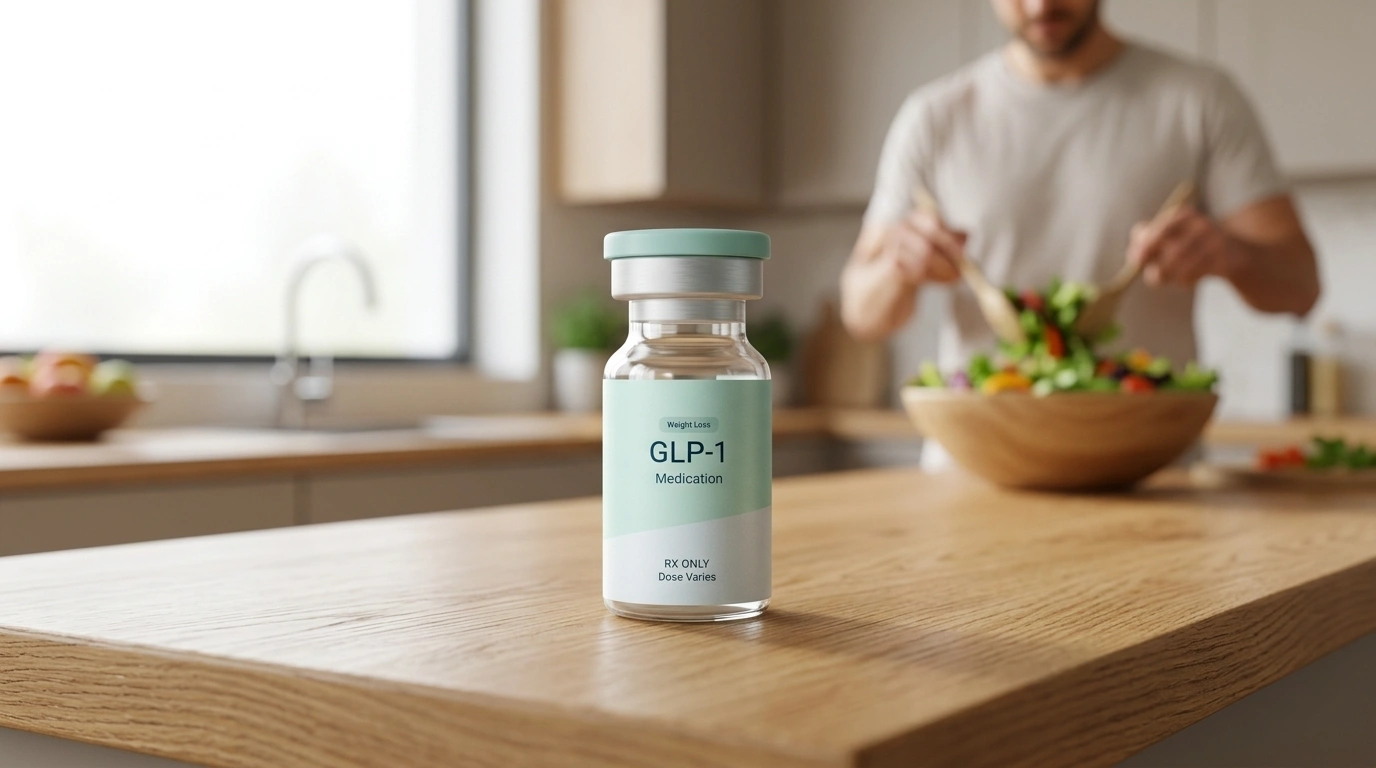
The most important component in any compounded semaglutide formulation is the active ingredient itself: semaglutide. Semaglutide belongs to a class of medications known as GLP-1 receptor agonists (glucagon-like peptide-1 receptor agonists).
In plain English, semaglutide is a molecule designed to act like a natural hormone your body already produces. This hormone, called GLP-1, is normally released by your digestive system after you eat. It communicates with several parts of your body to manage how you process food and how you feel about eating. For additional context, this overview of how compounded semaglutide works for weight loss explains how the medication fits into a broader weight management plan.
How Semaglutide Affects the Body
When semaglutide enters the system, it targets three main areas to support weight management:
- The Brain: It interacts with the hunger centers in the brain to increase feelings of fullness and decrease cravings.
- The Stomach: It slows down “gastric emptying,” which is the rate at which food leaves your stomach. This helps you feel satisfied for a longer period after a meal.
- The Pancreas: It helps the body release the right amount of insulin when blood sugar levels are high, which is why the active ingredient is also used in medications for type 2 diabetes.
While branded medications like Wegovy® and Ozempic® contain semaglutide as their sole active ingredient, compounded versions use the same base molecule but are prepared individually by specialized pharmacies.
Key Takeaway: Semaglutide is the active “engine” of the medication, mimicking a natural hormone to help regulate appetite and digestion.
Understanding Compounded Medications
To understand the ingredients list, it is helpful to first define what a compounded medication actually is. Compounding is the process where a licensed pharmacist combines, mixes, or alters ingredients to create a medication tailored to the needs of an individual patient. This guide to how compounded semaglutide is made provides additional information about sourcing, formulation, and quality control.
Compounded semaglutide is not a pre-packaged, mass-produced product from a global pharmaceutical manufacturer. Instead, it is prepared by specialized pharmacies—often referred to as 503A or 503B pharmacies—that are registered and inspected by regulatory bodies to ensure they follow strict safety and quality standards.
Note: Compounded semaglutide and compounded tirzepatide are not FDA-approved. However, they are prepared using ingredients from facilities that are FDA-registered and inspected.
This distinction is important because it allows for the inclusion of other beneficial ingredients, which we will explore in the following sections. It also allows for flexible dosing that can be adjusted based on how a person’s body responds to the treatment.
If you want to determine whether a medically supervised prescription program may fit your health profile, you can complete the free assessment quiz.
Common Additives: Why Vitamins Are Included
One of the most common questions regarding the ingredients in compounded semaglutide involves the addition of vitamins. Many pharmacies “stack” or combine semaglutide with other substances to enhance the patient experience or address common side effects. For more information, read this guide to how Vitamin B12 may be paired with compounded semaglutide.
Vitamin B12 (Cyanocobalamin or Methylcobalamin)
The most frequent additive you will see is Vitamin B12. Many patients seek out “semaglutide with B12” specifically. There are two primary reasons for this combination:
- Energy Support: Some people experience fatigue when they begin a weight loss program or start a GLP-1 medication. Vitamin B12 is essential for energy metabolism and may help keep energy levels stable.
- Nausea Management: While clinical evidence is still growing, many healthcare providers find that patients tolerate semaglutide better and experience less gastrointestinal upset, such as nausea, when it is combined with B12.
Vitamin B6 (Pyridoxine)
Similar to B12, Vitamin B6 is occasionally added to compounded formulations. B6 plays a role in protein metabolism and neurotransmitter function. In the context of weight loss medication, it is primarily used to help mitigate the feelings of queasiness that some individuals face during the early stages of treatment.
L-Carnitine
In some specialized formulations, you might find L-carnitine. This is an amino acid derivative that plays a role in the transport of fatty acids into the cells to be burned for energy. It is included in some programs to further support the body’s natural metabolic processes.
The Inactive Ingredients: The Base and Preservatives
While the active ingredients get the most attention, the inactive ingredients—often called excipients—are necessary to make the medication stable, safe, and injectable. This breakdown of what compounded semaglutide is made of covers the role of the active ingredient, carrier liquid, preservatives, and buffers.
Bacteriostatic Water
The “carrier” for the medication is almost always bacteriostatic water. This is highly purified, sterile water that contains a very small amount of a preservative. It serves as the liquid base that holds the semaglutide and vitamins in a solution so they can be injected easily.
Preservatives (Benzyl Alcohol)
To keep the medication safe for use over several weeks, a preservative is required. The most common preservative used in bacteriostatic water is benzyl alcohol. This prevents the growth of bacteria within the vial after it has been opened and used for the first time.
Buffering Agents and Salts
To ensure the medication does not cause irritation at the injection site, the pH level (the acidity or alkalinity) must be balanced to match the human body. Pharmacies may use ingredients like sodium phosphate or disodium phosphate to act as buffers. These ingredients keep the solution stable and ensure it remains effective throughout its shelf life.
How Ingredients Are Verified for Quality
Because compounded medications are prepared by individual pharmacies, quality control is paramount. At TrimRx, we only work with pharmacies that adhere to rigorous testing protocols. When a pharmacy receives the raw semaglutide base, they should verify its purity and potency.
The Role of the Certificate of Analysis (COA)
A Certificate of Analysis is a document that confirms a batch of ingredients meets its required specifications. This includes:
- Purity: Ensuring there are no contaminants or “fillers” that shouldn’t be there.
- Potency: Confirming that the concentration of semaglutide is exactly what is stated on the label.
- Sterility: Ensuring the final product is free from bacteria or fungi.
When you use a program that prioritizes clinical oversight, you are benefiting from a system that vets these pharmacies on your behalf. This ensures that the ingredients listed on your vial are exactly what you are receiving. You can also review this compounding pharmacy guide for semaglutide quality considerations.
Why the Form of Semaglutide Matters
There has been much discussion in the medical community about the “type” of semaglutide used in compounding. It is important that the pharmacy uses semaglutide base, which is the same chemical form found in branded medications like Ozempic® and Wegovy®.
Some lower-quality sources might use “semaglutide salts” (like semaglutide sodium or semaglutide acetate). Regulatory bodies have cautioned against the use of these salt forms because they have not been shown to be safe or effective in the same way the base molecule has. A reputable program will always ensure the pharmacy is using the appropriate, high-quality base form of the medication.
Bottom line: The quality and specific chemical form of the semaglutide base are just as important as the secondary ingredients like B12.
How to Read Your Medication Label
When your medication arrives from the pharmacy, the label will provide a clear breakdown of what is inside. Understanding how to read this label can help ease any anxiety about the treatment. The guide to compounded semaglutide pharmacy practices also explains why formulation and handling details matter.
Step 1: Identify the Concentration
The label will typically show a number followed by “mg/mL.” This tells you how many milligrams of semaglutide are in each milliliter of liquid.
Step 2: Check for Additives
If your medication includes Vitamin B12, it will be listed alongside the semaglutide. For example, it might read “Semaglutide/Cyanocobalamin.”
Step 3: Note the Expiration Date
Compounded medications have a “Beyond Use Date” (BUD). This is different from a traditional expiration date and tells you exactly when the formulation should no longer be used to ensure both potency and sterility.
Step 4: Storage Instructions
Most semaglutide injections require refrigeration. The ingredients are sensitive to temperature and light, so following these instructions is vital for maintaining the integrity of the formulation.
Side Effects and Ingredient Sensitivity
While the ingredients in compounded semaglutide are generally well-tolerated, every person’s body reacts differently. Most side effects are related to the active semaglutide itself rather than the inactive ingredients or vitamins. For a broader overview, review this guide to common semaglutide side effects.
Common Side Effects
- Nausea or stomach upset
- Occasional constipation or diarrhea
- Mild fatigue
- Small amount of redness at the injection site
Managing Sensitivities
If you have a known allergy to benzyl alcohol or specific B-vitamins, you must inform your healthcare provider during the assessment process. This is why the personalized approach we use is so important. By reviewing your medical history and known allergies, a provider can determine if a specific compounded formulation is appropriate for you.
Important: If you experience signs of a severe allergic reaction—such as hives, swelling of the face, or difficulty breathing—seek medical attention immediately.
Comparing Injectable vs. Oral Ingredients
While most people think of semaglutide as an injection, oral versions are also available through some compounded programs. The ingredients in these versions differ slightly because the medication must survive the digestive system.
Oral Semaglutide Ingredients
Oral versions often include an “absorption enhancer.” The most well-known enhancer used in branded oral semaglutide is SNAC (sodium salcaprozate). In compounded oral versions, similar ingredients are used to help the semaglutide molecule cross the lining of the stomach and enter the bloodstream.
Injectable versions remain more common because they bypass the digestive tract, leading to higher “bioavailability”—meaning more of the medication is available for the body to use.
The TrimRx Approach to Ingredient Safety
We understand that the world of compounded medications can feel complex. Our platform is designed to simplify this process while maintaining the highest clinical standards. When you participate in our program, you are not just getting a vial of medication; you are getting a curated experience backed by professional guidance.
Our process ensures that:
- You are connected with licensed healthcare providers who evaluate your eligibility.
- Your medication comes from FDA-registered and inspected compounding pharmacies.
- The ingredients used are high-quality semaglutide base, often paired with supportive vitamins like B12.
- You have 24/7 access to support to answer questions about your ingredients, dosage, or side effects.
This telehealth-first model means you can access these medications without the need for in-person waiting rooms, all while knowing that the quality of the ingredients is being monitored by experts.
Summary of Ingredients
To summarize, a typical vial of compounded semaglutide contains:
- Active Ingredient: Semaglutide base (the GLP-1 receptor agonist).
- Nutritional Additives: Often Vitamin B12 or B6 to support energy and reduce nausea.
- The Base: Sterile bacteriostatic water.
- Stabilizers: Benzyl alcohol (preservative) and phosphate buffers (for pH balance).
Quick Answer: Compounded semaglutide primarily contains the active ingredient semaglutide, which mimics a natural fullness hormone. It is often mixed with Vitamin B12 to help with energy and nausea, along with sterile water and a small amount of preservative to keep the solution safe for multiple uses.
Realistic Expectations
Knowing the ingredients is the first step, but it is also important to have realistic expectations for how these ingredients work. Semaglutide is not a “magic pill” or a “miracle shot.” It is a powerful tool that works best when combined with healthy lifestyle choices. This explanation of compounded semaglutide and weight loss offers additional context about treatment expectations.
The ingredients are designed to give you a biological “leg up” by quieting the constant noise of hunger and helping you feel satisfied with smaller portions. Over time, this allows you to build better habits without the constant struggle of willpower. Many patients begin to see changes within the first few weeks, but the most significant results usually occur after several months of consistent use and gradual dosage adjustments.
How to Get Started
If you are ready to see if a program featuring these ingredients is right for you, the next step is simple. Because these are prescription medications, you must be evaluated by a licensed professional to ensure they are safe for your specific health profile.
- Take the Assessment: Complete a free online health quiz that covers your medical history, weight loss goals, and current health status.
- Provider Review: A licensed healthcare provider will review your information to determine if you are a candidate for semaglutide.
- Personalized Plan: If approved, a program will be tailored to your needs, and your medication will be shipped directly to your door from one of our partner pharmacies.
- Ongoing Support: You will have continuous access to our team to help you navigate your journey, manage side effects, and adjust your plan as needed.
You can see if you qualify for a personalized program by completing the assessment.
Conclusion
Understanding what are the ingredients in compounded semaglutide is a vital part of taking ownership of your health. By combining the powerful GLP-1 mimicking properties of semaglutide with supportive nutrients like Vitamin B12, these formulations offer a personalized way to address the biological hurdles of weight loss. At TrimRx, we are committed to providing a transparent, science-backed path toward sustainable health. We believe that when you combine the right ingredients with professional medical supervision and a supportive community, reaching your goals becomes a realistic and manageable reality.
Key Takeaway: Transparency in ingredients leads to confidence in treatment. Always ensure your medication comes from a reputable source that uses high-quality semaglutide base and sterile preparation methods.
Your journey toward a healthier lifestyle doesn’t have to be a solo effort. With the right tools and a clear understanding of the science, you can make the move toward lasting change.
Next Step: Take the free assessment quiz to see if a personalized weight loss program is the right fit for your health goals.
FAQ
Is the semaglutide in compounded versions the same as in Ozempic®?
The active ingredient, semaglutide, is the same molecule used in branded medications like Ozempic® and Wegovy®. However, compounded semaglutide is prepared in a specialized pharmacy and may include additives like Vitamin B12, whereas branded versions are mass-produced by a single manufacturer.
Why do some pharmacies add Vitamin B12 to semaglutide?
Vitamin B12 is often added to help manage common side effects like fatigue and nausea that some people experience when starting GLP-1 medications. It supports energy metabolism and can make the medication better tolerated for many individuals. This Vitamin B12 and semaglutide connection guide provides more detail.
Are the ingredients in compounded semaglutide FDA-approved?
While the active ingredient semaglutide is FDA-approved for specific branded uses, the compounded version of the medication itself is not FDA-approved. However, it is made in FDA-registered and inspected pharmacies that must follow strict quality and safety guidelines.
Can I be allergic to any of the ingredients?
While rare, it is possible to be allergic to the active semaglutide, the vitamins (like B12), or the preservatives (like benzyl alcohol) used in the solution. It is essential to provide a full list of your allergies during your medical consultation to ensure the formulation is safe for you. If you are ready to discuss whether a prescription program may be appropriate for your health profile, you can complete a free eligibility assessment.
Disclaimer: This content is for informational purposes only and does not constitute medical advice. It is not intended to diagnose, treat, cure, or prevent any disease or condition. Individual results may vary. Always consult a qualified healthcare professional before starting any weight loss program or medication.

Transforming Lives, One Step at a Time
Keep reading

Hair Shedding Months Into Semaglutide
It shows up in the shower drain first, then on the pillow, then in the brush. By the time most people search this, they…

Vision Changes on Semaglutide: What to Know
Three different things get bundled together under this question, and they carry very different levels of urgency. Separating them is most of the work….

High-Altitude Hiking on Semaglutide
You have a trip booked and an appetite that already does not work the way it used to. The worry is reasonable, and there…


