What Is the Best Diet When Taking Mounjaro?
Introduction
Starting a journey with Mounjaro® often feels like the first time you have finally regained control over your appetite. That constant “food noise”—the persistent thoughts about your next meal—suddenly goes quiet, allowing you to focus on your health. However, this new reduced appetite brings a critical question: if you are eating significantly less, how do you ensure you are eating the right things?
At TrimRx, we believe that medication is most effective when paired with a personalized nutritional foundation that supports your body’s changing needs. This article explores the best foods to prioritize, which ones to avoid to minimize side effects, and how to structure your daily habits for sustainable success. If you are ready to see whether a prescription GLP-1 program fits your goals, you can take our free assessment quiz to get started.
Quick Answer: The best diet while taking Mounjaro emphasizes lean proteins, high-fiber vegetables, and complex carbohydrates to preserve muscle and support digestion. It is equally important to avoid high-fat, fried, and sugary foods, which can worsen common gastrointestinal side effects.
How Mounjaro Changes Your Relationship with Food
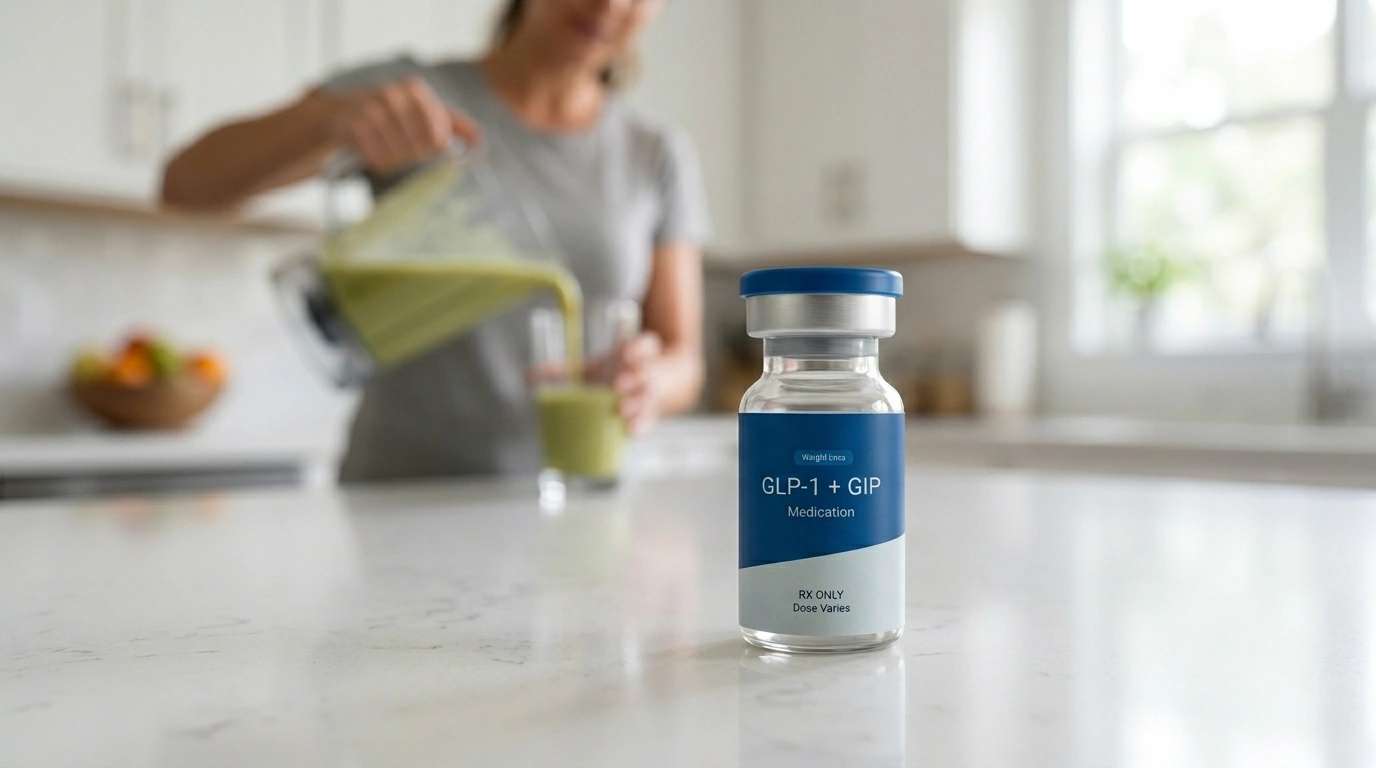
To understand why your diet must change, you first need to understand how the medication works within your body. Mounjaro, which contains the active ingredient tirzepatide, is a dual glucose-dependent insulinotropic polypeptide (GIP) and glucagon-like peptide-1 (GLP-1) receptor agonist. A receptor agonist is a substance that mimics a natural hormone in the body to produce a specific response.
By mimicking these two hormones, the medication performs three primary roles:
- It signals your brain to feel full sooner and stay full longer.
- It improves how your body processes sugar and insulin.
- It slows down gastric emptying, which is the speed at which food leaves your stomach and enters your small intestine.
Because food stays in your stomach longer, the types of food you choose can significantly impact how you feel. If you eat heavy, greasy, or high-sugar foods, they sit in the stomach for an extended period, which often leads to the nausea or bloating many people report. This is why a strategic approach to nutrition is not just about weight loss; it is about comfort and safety.
If you want a deeper look at how this medication class supports longer-term weight management, our long-term tirzepatide guidance offers a helpful overview.
The Foundation: Why Protein is Non-Negotiable
When you lose weight rapidly, your body does not just lose fat; it can also lose lean muscle mass. This is a concern because muscle is metabolically active tissue that helps keep your metabolism high. To protect your muscles while the weight comes off, you must prioritize protein.
Identifying High-Quality Lean Proteins
You should aim to include a source of lean protein at every single meal. Since your appetite is smaller, eating your protein first ensures you get the most important nutrients before you feel full.
- Poultry: Skinless chicken breast and turkey are excellent low-fat options.
- Seafood: White fish like cod or tilapia are easy to digest, while fatty fish like salmon provide heart-healthy omega-3 fatty acids.
- Plant-Based Options: Tofu, tempeh, lentils, and chickpeas are high in protein and fiber.
- Dairy: Low-fat Greek yogurt and cottage cheese provide protein along with calcium.
- Eggs: A versatile and highly bioavailable protein source.
How Much Protein Do You Need?
While individual needs vary based on your starting weight and activity level, many clinical experts suggest aiming for 60 to 100 grams of protein per day. If you find it difficult to reach this through whole foods alone due to a suppressed appetite, a high-quality, low-sugar protein shake can be a helpful supplement.
If you are planning meals around treatment days, our GLP-1 shot day nutrition guide is a useful companion piece.
Key Takeaway: Prioritizing protein at every meal helps prevent muscle loss and keeps you feeling satisfied, which is essential for maintaining a healthy metabolism during weight loss.
Supporting Digestion with Fiber and Complex Carbs
Because GLP-1 and GIP medications slow down your digestive tract, some individuals experience constipation. Fiber is your best tool for keeping things moving. However, it is a delicate balance; too much fiber too quickly can cause bloating, so it is best to increase your intake gradually.
The Best Fiber Sources
Focus on “non-starchy” vegetables. These are high in volume and nutrients but low in calories and sugar.
- Leafy Greens: Spinach, kale, and Swiss chard.
- Cruciferous Veggies: Broccoli, cauliflower, and Brussels sprouts (though some find these gas-producing, so monitor your tolerance).
- Hydrating Veggies: Cucumber, zucchini, and bell peppers.
Choosing Complex Carbohydrates
Carbohydrates are your body’s primary energy source, but not all carbs are created equal. Simple carbs, like white bread and sugary snacks, can cause blood sugar spikes that counteract the benefits of your medication. Instead, choose complex carbohydrates that digest slowly.
- Quinoa and Farro: These grains also contain a surprising amount of protein.
- Oats: Excellent for digestive health and heart health.
- Sweet Potatoes: A nutrient-dense alternative to white potatoes.
- Berries: Strawberries, blueberries, and raspberries are lower in sugar than tropical fruits and are packed with antioxidants.
Foods to Limit to Avoid Side Effects
One of the most important aspects of the “Mounjaro diet” is knowing what to leave off your plate. Because the medication slows gastric emptying, certain foods can become “triggers” for gastrointestinal distress.
Fried and High-Fat Foods
Greasy foods are difficult for the body to break down under normal circumstances. When they sit in a slowed digestive tract, they can cause severe indigestion, acid reflux, and “sulfur burps” (burps that smell like hard-boiled eggs).
- Avoid: Fast food, fried chicken, heavy cream sauces, and fatty cuts of red meat like ribeye or bacon.
Added Sugars and Refined Flour
Mounjaro is designed to help regulate blood sugar. Flooding your system with sugar can cause rapid fluctuations that lead to dizziness, fatigue, and increased nausea.
- Avoid: Sugary sodas, candy, pastries, and white pasta.
Carbonated Beverages and Alcohol
For many, the bubbles in soda or sparkling water can lead to painful bloating when the stomach is processing food more slowly. Alcohol should also be limited, as it can increase the risk of low blood sugar (hypoglycemia) and contribute empty calories that slow your progress.
Myth: “I can eat whatever I want as long as I’m taking the medication.” Fact: While the medication reduces hunger, eating high-fat or sugary foods can lead to significant discomfort and may prevent you from achieving your long-term health goals.
Hydration and Micronutrients
Staying hydrated is arguably as important as what you eat. Dehydration can mimic the feeling of hunger and worsen side effects like headaches and fatigue.
The Hydration Rule
Aim for at least 80 ounces of water daily. If you struggle with plain water, try infusing it with lemon, cucumber, or mint. Electrolytes are also important, especially in the first few weeks of treatment as your body adjusts. Look for sugar-free electrolyte powders to help maintain your mineral balance.
Micronutrient Gaps
When you eat less, you naturally consume fewer vitamins and minerals. This can sometimes lead to thinning hair or brittle nails. For a broader look at how supplement support fits into a weight loss plan, our natural GLP-1 supplement guide is a helpful read. We often recommend focusing on:
- Vitamin B12: Often linked to energy levels.
- Magnesium: Supports muscle function and can help with sleep and constipation.
- Iron: Essential for carrying oxygen in the blood.
For those looking for extra support, the Weight Loss Boost supplement is designed to support energy and metabolic function during weight loss.
Practical Meal Planning and Habits
How you eat is just as important as what you eat when your digestion has slowed down. Adopting new eating behaviors can prevent you from feeling “overly full” or sick after a meal.
The “80% Full” Rule
It takes your brain about 20 minutes to register that your stomach is full. Because Mounjaro enhances these fullness signals, you may find that you feel stuffed very suddenly. Try to eat slowly and stop when you feel about 80% full. You can always have a small snack later if you are genuinely hungry.
Step-by-Step: Organizing Your Plate
Step 1: Start with protein. / Eat your chicken, fish, or tofu first to ensure you meet your muscle-sparing requirements. Step 2: Add non-starchy vegetables. / Fill the rest of your plate with fiber to support digestion and provide micronutrients. Step 3: Incorporate a small portion of complex carbs. / If you are still hungry, add a spoonful of quinoa or a piece of fruit. Step 4: Wait before drinking. / Sometimes drinking large amounts of water during a meal can make you feel prematurely full or bloated. Try drinking most of your fluids between meals.
A Sample Day of Eating
- Breakfast: Two scrambled eggs with a handful of spinach and a few slices of avocado.
- Lunch: A Mediterranean bowl with grilled chicken, cucumbers, tomatoes, and a small scoop of hummus.
- Snack: Low-fat Greek yogurt with a few raspberries.
- Dinner: Baked salmon with roasted asparagus and a small side of quinoa.
- Evening: Herbal tea (ginger or peppermint can help soothe the stomach).
Personalized Support for Your Journey
Every individual’s body reacts differently to tirzepatide. Some people may find they can tolerate small amounts of healthy fats, while others may need to keep their diet very lean to avoid nausea. This is why a one-size-fits-all approach rarely works for sustainable weight loss.
At TrimRx, our personalized programs are designed to adapt to your unique health profile. We provide access to licensed healthcare providers who can help you manage your dosage and navigate side effects. Our program includes medical consultations and lab work, ensuring that your weight loss is supervised and safe. Whether you are using compounded tirzepatide or branded options, having a dedicated team of specialists available 24/7 means you never have to guess about your next steps.
If you are just starting or are considering this path, the first step is our free assessment quiz. This helps our partner providers understand your medical history and goals to determine if a GLP-1 medication is the right fit for you.
Overcoming Common Dietary Challenges
Even with a plan, challenges will arise. Social events, travel, and busy workdays can make sticking to a specific diet difficult.
Eating Out on Mounjaro
When dining at restaurants, look for words like “grilled,” “steamed,” or “roasted.” Avoid anything “crispy,” “breaded,” or “creamy.” Since portions are usually large, consider asking for a to-go box as soon as your meal arrives and putting half of it away immediately. This prevents the temptation to overeat past the point of comfort.
Managing a Total Loss of Appetite
Occasionally, the medication works so well that you may not feel like eating at all. While this might seem like a shortcut to weight loss, it can lead to malnutrition and extreme fatigue. For more context on that experience, our fatigue on GLP-1 medications guide explains why energy can dip during treatment. On days when your appetite is at its lowest, focus on small “mini-meals” or nutrient-dense liquids like bone broth or a protein shake.
Bottom line: Success on Mounjaro is a partnership between the medication and your lifestyle. By focusing on high-quality protein, fiber, and consistent hydration, you can minimize side effects and build a body that is healthy for the long term.
Conclusion
The “best” diet for Mounjaro is not about restriction or calorie counting in the traditional sense; it is about choosing the highest quality fuel for a body that is undergoing a significant metabolic shift. By prioritizing lean proteins, embracing the power of fiber, and staying vigilantly hydrated, you set the stage for a smoother, more comfortable weight loss experience.
Our mission at TrimRx is to provide the science-backed tools and empathetic support you need to make these changes permanent. We are here to ensure that your journey is not just about the number on the scale, but about feeling better every single day. If you are ready to see how a personalized program can support your goals, we invite you to complete our assessment and take the next step.
FAQ
Can I eat carbohydrates while taking Mounjaro?
Yes, you can and should eat carbohydrates, but it is best to focus on complex varieties. Foods like quinoa, oats, and sweet potatoes provide sustained energy and fiber without causing the sharp blood sugar spikes associated with white bread or sugary snacks. For a fuller breakdown of meal choices, review our GLP-1 shot day nutrition guide.
Why do I feel nauseous after eating fatty foods?
Mounjaro slows down the speed at which your stomach empties. High-fat and fried foods take longer to digest naturally, so when they sit in a slowed stomach for too long, they can cause indigestion, reflux, and nausea.
Do I need to take a multivitamin while on this medication?
Because you will be consuming fewer calories, it can be harder to get all your necessary micronutrients from food alone. Many people find it beneficial to use targeted supplements, like our GLP-1 Daily Support supplement, to ensure they maintain energy and prevent nutrient deficiencies.
How much water should I be drinking each day?
Hydration is critical to prevent headaches and constipation while taking GLP-1 medications. You should aim for at least 80 ounces (about 2.5 liters) of water daily, and consider adding sugar-free electrolytes if you are active or live in a warm climate.
Disclaimer: This content is for informational purposes only and does not constitute medical advice. It is not intended to diagnose, treat, cure, or prevent any disease or condition. Individual results may vary. Always consult a qualified healthcare professional before starting any weight loss program or medication.

Transforming Lives, One Step at a Time
Keep reading

Mounjaro Alternatives: What Else to Consider
If Mounjaro isn’t the right fit, the closest alternatives are other GLP-1 medications, chiefly semaglutide (Ozempic for diabetes, Wegovy for weight), along with a…

Mounjaro vs Zepbound: Same Drug, Two Brands
Like their semaglutide counterparts, Mounjaro and Zepbound are the same medication (tirzepatide) sold under two names for two purposes: Mounjaro is approved for type…

Retatrutide vs Mounjaro: Triple Agonist vs Dual Agonist
The core difference between retatrutide and Mounjaro comes down to how many hormone targets each hits: retatrutide activates three receptors, while Mounjaro (tirzepatide) activates…


