What Time of Day Is Best to Inject Zepbound?
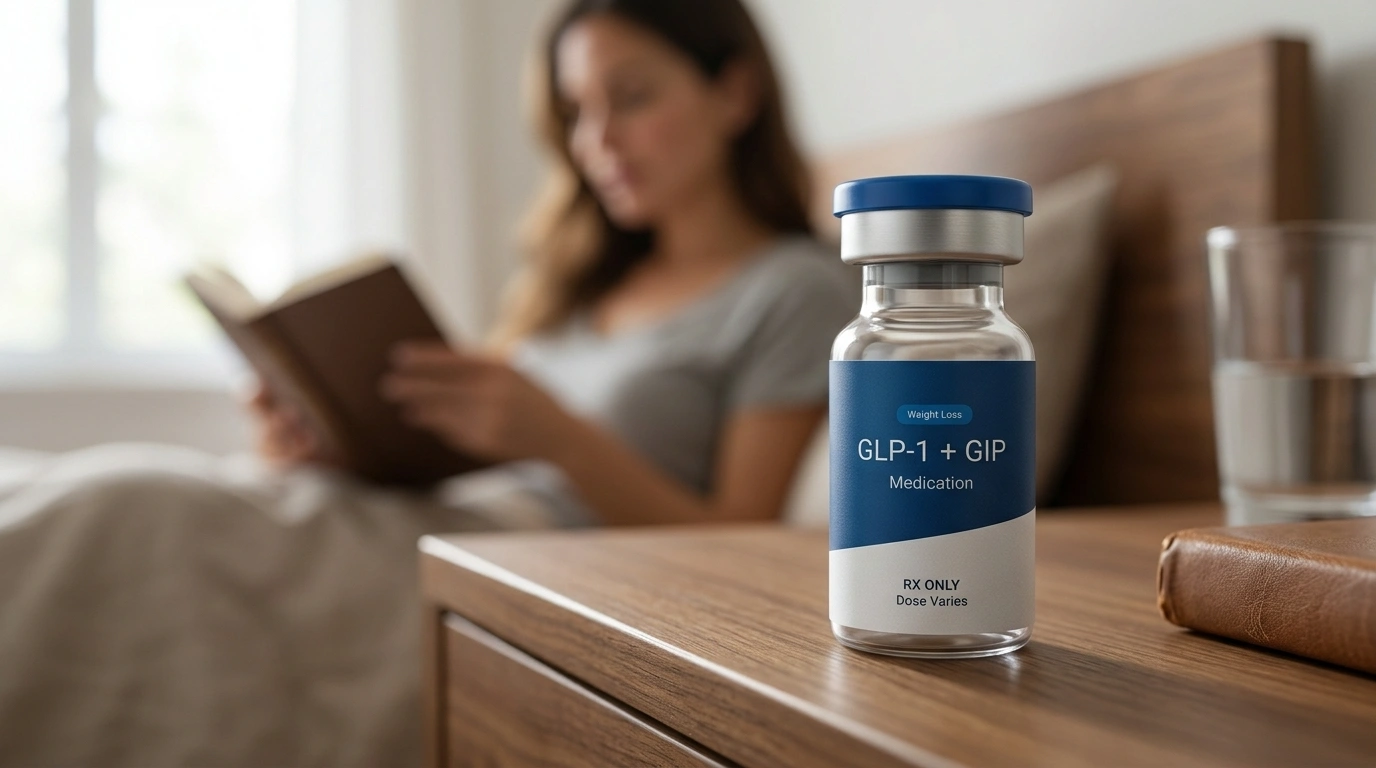
Table of Contents
- Introduction
- Understanding the Flexibility of Tirzepatide
- Morning Injections: Pros and Cons
- Evening Injections: Pros and Cons
- Managing Side Effects Through Timing
- Choosing the Best Day of the Week
- How to Change Your Injection Time or Day
- The Role of Food and Hydration
- Proper Injection Technique for Best Results
- Preparing for Your Injection: A Step-by-Step Routine
- Why Personalization Matters
- Integrating Lifestyle Changes
- The Path to Sustainable Weight Loss
- Conclusion
- FAQ
Introduction
Standing in front of the refrigerator with a medication pen in hand can feel like a significant moment. You have committed to a healthier future, but suddenly, the logistical questions start to pile up. Does it matter if you take your dose before breakfast or right before bed? Will the timing affect how much weight you lose or how your stomach feels the next day? At TrimRx, we understand that these small details often cause the most anxiety when starting a new treatment program. This article will cover the clinical flexibility of Zepbound® timing, how to manage side effects through scheduling, and why consistency is more important than the clock. The best time to inject is ultimately the time that allows you to remain consistent while minimizing discomfort.
If you are considering prescription weight loss treatment, you can complete a free eligibility assessment to see whether a personalized program may be appropriate for you.
Understanding the Flexibility of Tirzepatide
The active ingredient in Zepbound® is tirzepatide. This medication is a dual agonist, meaning it mimics two different hormones in your body: glucagon-like peptide-1 (GLP-1) and glucose-dependent insulinotropic polypeptide (GIP). These hormones work together to slow down your digestion and signal to your brain that you are full.
Because of the way tirzepatide is metabolized, it stays in your system for a long time. It has a “half-life” of about five days, which means it takes five days for the concentration of the medicine in your blood to drop by half. Because the medication is so long-acting, the specific hour you choose for your injection does not typically change how effective the drug is for weight loss. Clinical studies show that as long as the medication is administered once every seven days, it can support sustainable weight management regardless of whether it is morning, noon, or night.
For more context, review this guide to taking Zepbound at the same time each week.
Quick Answer: You can inject Zepbound at any time of day, with or without food. The most important factor is choosing a consistent day of the week and a time that helps you manage potential side effects.
Morning Injections: Pros and Cons
Choosing to take your medication in the morning is a popular choice for those who have a very structured daily routine. If you already take other vitamins or medications with your morning coffee, adding your injection to this window can help ensure you never forget a dose.
The Benefits of Morning Dosing
- Routine Integration: For many, the morning is the most predictable part of the day. Tying the injection to a “pillar” habit—like brushing your teeth or eating breakfast—reduces the mental load of remembering the schedule.
- Monitoring Symptoms: If you inject in the morning, you are awake to monitor how your body reacts throughout the day. This can be helpful during the first few weeks of a new dosage level.
- Avoiding “Injection Anxiety”: Some people find that if they wait until the evening, they spend the whole day thinking about the needle. Getting it over with early can provide a sense of relief.
The Potential Downsides
- Daytime Side Effects: If you are prone to nausea or fatigue, these symptoms may peak while you are trying to work or manage family responsibilities.
- Workplace Distractions: If you experience an immediate “brain fog” or sluggishness after your dose, it might interfere with your productivity during the day.
Evening Injections: Pros and Cons
Many healthcare providers and experienced patients suggest taking the injection in the evening, often an hour or two before bed. This strategy is frequently used to “sleep through” the initial onset of side effects.
For additional guidance, read about injecting Zepbound in the morning or at night.
The Benefits of Evening Dosing
- Sleeping Through Nausea: If the medication causes an upset stomach, being asleep during the first several hours after the injection can make the experience much more comfortable.
- Managing Fatigue: Some users report feeling a wave of tiredness after their shot. An evening dose allows this fatigue to align with your natural sleep cycle.
- Privacy: If you prefer to keep your treatment private, the evening offers a quiet window where you are less likely to be interrupted by children, roommates, or colleagues.
The Potential Downsides
- Sleep Disruption: While many sleep through the nausea, a small percentage of people report “vivid dreams” or restlessness on the night of their injection.
- Late-Night Forgetfulness: If you are exhausted at the end of the day, it is easier to accidentally fall asleep before completing your injection routine.
Managing Side Effects Through Timing
Side effects are a common part of the journey when using GLP-1 and GIP medications. Most of these symptoms, such as nausea, diarrhea, or constipation, are mild to moderate and tend to happen shortly after a dose or when the dosage is increased.
For a broader overview, explore this guide to tirzepatide side effects and how to manage them.
Nausea and Digestive Comfort
If you find that you feel nauseated about four to six hours after your injection, timing is your best tool. By moving your injection to 8:00 PM or 9:00 PM, that peak nausea window occurs while you are in deep sleep. Many people find they wake up the next morning feeling much better than they would have if they had injected at 8:00 AM.
Fatigue and Energy Levels
Some individuals experience a “crash” in energy levels the day after their injection. If you work a standard Monday-through-Friday job, you might choose to inject on Friday night. This allows you to use Saturday as a recovery day if you feel tired, ensuring you are refreshed and ready for the work week by Monday.
Appetite Suppression Timing
The suppression of appetite is often strongest in the 24 to 72 hours following the injection. If you find that you struggle most with overeating during weekend social events, injecting on a Thursday or Friday can ensure the medication is at its peak strength when you need it most.
Key Takeaway: There is no “perfect” time for everyone. You should track your symptoms for two weeks and then adjust your injection hour to ensure your peak side-effect window happens when it is least disruptive to your life.
Choosing the Best Day of the Week
While the time of day is flexible, the day of the week is a more critical decision. You should aim for the same 24-hour period every seven days to maintain a steady level of the medication in your bloodstream.
Factors to Consider:
- Your Social Calendar: If you enjoy big Sunday dinners with family, you may not want your peak appetite suppression to hit on Sunday morning. In that case, a Monday or Tuesday injection might be better.
- Work Schedule: If you have high-stress meetings on Tuesdays, avoid a Monday injection if you are prone to nausea.
- Physical Activity: If you do heavy weightlifting or cardio on Saturday mornings, an injection on Friday might leave you feeling too fatigued to perform your best.
How to Change Your Injection Time or Day
Life happens. You might have a vacation coming up, or you might realize that your current Thursday schedule isn’t working for your lifestyle. Fortunately, the protocol for Zepbound® allows for some flexibility in changing your schedule.
For more help with weekly planning, read this guide to Zepbound timing and weekly injection schedules.
The 72-Hour Rule
You can change the day of your weekly injection as long as the time between the two doses is at least 3 days (72 hours). For example, if you usually inject on Monday but want to switch to Thursday, you can make that jump. However, you should not inject on Monday and then again on Wednesday, as this could increase the risk of severe side effects.
Handling Missed Doses
If you miss a dose, you should take it as soon as you remember, provided it is within 4 days (96 hours) of your scheduled time. If more than 4 days have passed, skip the missed dose entirely and wait for your next regularly scheduled day. Never take two doses at once to “catch up.”
The Role of Food and Hydration
One of the most common questions we hear is whether to inject on an empty or full stomach. Clinical data suggests that food intake does not affect the absorption of the medication. However, your personal comfort may vary.
- The “Light Meal” Strategy: Many patients find that having a small, protein-rich snack before their injection helps stabilize their stomach.
- Hydration is Key: Dehydration can worsen the nausea and headaches sometimes associated with these medications. We recommend drinking plenty of water throughout the day of your injection.
- Supplements: To support your body during treatment, we offer targeted options like GLP-1 Daily Support, which is designed to help fill nutritional gaps that can occur when you are eating significantly less.
Proper Injection Technique for Best Results
The time of day won’t matter if the medication isn’t administered correctly. Zepbound® is a subcutaneous injection, meaning it goes into the fatty tissue just under the skin, not into the muscle or a vein.
Recommended Injection Sites:
- Abdomen: At least two inches away from the belly button.
- Thigh: The front or outer portion of the upper thigh.
- Upper Arm: The back of the arm (this usually requires a caregiver’s help).
Rotation is Mandatory
You should rotate your injection site every single week. This prevents the skin from becoming tough or developing lumps, a condition called lipodystrophy. You can stay in the same general area—for example, the stomach—but you should move the needle to a different spot within that area each time.
For additional placement guidance, review this guide to GLP-1 injection sites.
Preparing for Your Injection: A Step-by-Step Routine
Creating a “ritual” around your injection can reduce anxiety and ensure you follow all safety steps. This is especially helpful if you are new to the program or are transitioning from a different medication.
Step 1: Check the Medication
Remove the pen or vial from the refrigerator. Check the liquid to ensure it is clear and colorless to slightly yellow. If it is cloudy, frozen, or has particles in it, do not use it.
Step 2: Let it Reach Room Temperature
Injecting cold liquid can sometimes cause more stinging or discomfort. Many people find that letting the pen sit out for 15 to 30 minutes makes the process more comfortable. Keep it out of direct sunlight during this time.
Step 3: Prepare the Site
Wash your hands thoroughly. Clean your chosen injection site with an alcohol swab and let the skin air dry. Do not blow on the skin to dry it, as this can introduce bacteria.
Step 4: Administer the Dose
Follow the specific instructions for your pen or vial. If using a pre-filled pen, ensure the lock ring is in the “unlocked” position, press the base firmly against your skin, and press the button. Listen for the clicks that signal the injection has started and finished.
Step 5: Safe Disposal
Dispose of the used pen or needle in a sharps container. Never throw needles into the regular household trash.
Why Personalization Matters
No two bodies react to medication in the exact same way. This is why we emphasize a personalized approach to weight loss. While a friend might find that Wednesday mornings are perfect for them, your unique metabolic health, sleep patterns, and work stress might require a different strategy.
At TrimRx, our platform connects you with licensed healthcare providers who can help you navigate these decisions. During your journey, you may need to adjust your timing, your dosage, or your supportive lifestyle habits. Our program is designed to provide this ongoing supervision without the need for inconvenient in-person appointments.
If you are exploring whether prescription treatment may fit your goals, you can see if you qualify for a personalized program.
Bottom Line: The “best” time is the one you can stick to. If you are a morning person, take it in the morning. If you worry about nausea, take it at night. The medication is flexible enough to work with your life.
Integrating Lifestyle Changes
Medication is a powerful tool, but it works best when supported by a healthy foundation. When you are on a GLP-1 or GIP medication, your body’s needs change. Because you are eating less, the quality of what you eat becomes more important than ever.
- Focus on Protein: Protein helps preserve lean muscle mass while you lose fat. Aim for a protein source at every meal.
- Prioritize Fiber: Since these medications slow down digestion, fiber is essential for keeping your digestive system moving smoothly.
- Gentle Movement: You don’t need to run a marathon. Walking 20–30 minutes a day can improve your results and boost your mood.
- Supplement Support: If you feel your energy lagging, our Weight Loss Boost supplement can provide additional support to help you stay active and focused.
The Path to Sustainable Weight Loss
Weight loss is rarely a straight line. There will be weeks where the scale doesn’t move and weeks where you feel more side effects than others. The key to long-term success is a combination of the right science and the right support.
By choosing a telehealth-based program, you gain the convenience of managing your health from home. Our mission is to make this process transparent and accessible. We handle the doctor consultations, the prescriptions from FDA-registered compounding pharmacies, and the shipping, so you can focus on the daily habits that lead to a healthier version of yourself.
Conclusion
The question of what time of day is best to inject Zepbound® ultimately comes down to your personal routine and how your body responds to the medication. Whether you choose the morning for its consistency or the evening to minimize side effects, the medicine will be effective as long as you take it once a week. Remember to stay hydrated, rotate your injection sites, and listen to your body’s signals.
At TrimRx, we believe that weight loss should be a supported, science-backed journey rather than a source of stress. Our personalized programs are designed to empower you with the tools and medical expertise needed for lasting change. If you are ready to take the next step in your health journey, we invite you to begin with our free assessment quiz to see which program is right for you.
FAQ
Can I take Zepbound on an empty stomach?
Yes, you can take your injection with or without food. Unlike some oral medications that require food for absorption, Zepbound® is injected into the fatty tissue and its effectiveness is not impacted by your stomach contents.
What should I do if I want to move my injection from Friday to Monday?
You can move your injection day as long as there are at least 72 hours between doses. To move from Friday to Monday, you could simply wait until Monday to take your next dose, as this would be more than three days since your last injection.
Will I lose more weight if I inject in the morning?
There is no clinical evidence suggesting that the time of day impacts the amount of weight lost. Weight loss is driven by the consistent presence of the medication in your system and the lifestyle changes you maintain over time.
Is it okay to travel with my medication pens?
Yes, Zepbound® pens can be kept at room temperature (up to 86°F or 30°C) for up to 21 days. If you are traveling for a longer period, you should use a travel cooler to keep them between 36°F and 46°F (2°C to 8°C).
For broader travel and storage considerations, review this guide to traveling with GLP-1 injections.
Disclaimer: This content is for informational purposes only and does not constitute medical advice. It is not intended to diagnose, treat, cure, or prevent any disease or condition. Individual results may vary. Always consult a qualified healthcare professional before starting any weight loss program or medication.

Transforming Lives, One Step at a Time
Keep reading
Surfing on Zepbound: Paddling Strength, Cold Water, and Dawn Patrol
Surfing asks a lot of your body. Paddling out through broken waves takes shoulder, back, and core strength. Cold water drains energy. Dawn sessions…

Skydiving on Zepbound: Planning a Tandem Jump
For many people who have lost weight, a skydive is a goal they set years ago and finally feel ready for. Some dropzones have…
A Day at the Renaissance Faire on Zepbound
A Renaissance faire is a full day out: jousts, stage shows, artisan stalls, dusty lanes, and food built for spectacle, from giant turkey legs…


