What to Do if My Ozempic Pen Is Not Working

Introduction
Holding a medication pen that refuses to click or dispense can be an incredibly stressful moment, especially when you are committed to your health goals. You have prepared your injection site, followed the steps, and suddenly the device stalls, leaving you wondering if you have missed a critical dose. At TrimRx, we understand that technical hurdles with medication should not stand in the way of your progress toward sustainable weight management. This article serves as a practical guide to identifying why your Ozempic® pen might be malfunctioning and the specific steps you should take to resolve the issue. We will cover mechanical troubleshooting, medication safety checks, and how to navigate support if your device is truly defective. By the end of this guide, you will know exactly how to handle a pen failure and maintain the consistency required for your health journey. If you are considering a prescription GLP-1 program, you can also complete a free eligibility assessment to explore your options.
Understanding the Mechanics of Your Injection Pen
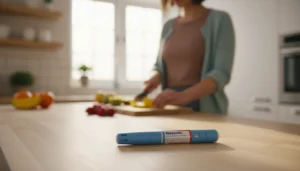
Before troubleshooting, it is helpful to understand how the injection device is designed to function. The pen is a multi-dose, pre-filled tool used to deliver semaglutide (a GLP-1 receptor agonist that mimics a natural hormone to regulate appetite and blood sugar). It consists of a dose selector, a clear window to view the medication, and a push-button mechanism.
When the pen is working correctly, the dose selector should turn easily to the required dosage. Once the needle is attached and the button is pressed, the internal piston should move forward, pushing the liquid through the needle. If any part of this mechanical chain is interrupted—whether by a blocked needle, a jammed internal spring, or a temperature-related issue—the pen may appear “broken.”
For a broader explanation of the device and common mechanical problems, review this Ozempic pen troubleshooting guide.
Immediate Steps: The Flow Check
If you are using a brand-new pen for the first time, it may not be “broken” at all. Every new pen requires a flow check to ensure the medication can move freely through the needle.
How to perform a flow check:
- Turn the dose selector until you see the flow check symbol (usually two dots or a small line).
- Point the needle upward and press the push-button all the way in.
- Look for a drop of liquid at the needle tip.
If a drop appears, the pen is ready for use. If no drop appears after two attempts, the needle may be blocked. In this case, you should change the needle and try once more. If a drop still does not appear after changing the needle, the pen itself may be defective.
Key Takeaway: Never skip the flow check on a new pen. It confirms the device is functional and clears any air bubbles that could interfere with accurate dosing.
You can also compare these steps with this guide to Ozempic pen malfunctions.
Common Reasons Your Pen Is Not Working
Several factors can lead to a pen malfunction. Most issues are mechanical or related to storage conditions.
The Dose Selector Won’t Turn
If the dial feels stuck and will not turn to your prescribed dose, the most common reason is that the pen is empty. Each pen contains a specific number of doses. Once the final dose has been administered, the dose selector is designed to lock to prevent under-dosing. Check the clear window; if the white piston has reached the end of the scale, the pen is finished.
For additional guidance on a stuck dial, read about why an Ozempic pen may stop turning.
The Push-Button Is Jammed
If you have dialed your dose but cannot press the button down, the needle is likely the culprit. If the needle was not attached straight or if the paper tab was not fully removed, the internal seal may not have been punctured.
Liquid Is Leaking from the Pen
If you see liquid dripping from the needle after an injection or leaking from the base of the needle attachment, it may mean the needle was not screwed on tightly enough. Alternatively, removing the needle too quickly after the injection can cause “leak-back.” You should always hold the button down and count to six before withdrawing the needle from your skin.
Assessing the Medication Quality
Sometimes the pen “works” mechanically, but the medication inside is no longer safe to use. Semaglutide is a protein-based medication that is sensitive to environmental changes.
Do not use the pen if:
- The liquid is cloudy: The medication should always be clear and colorless. If it looks milky, cloudy, or has visible particles, the proteins may have broken down.
- The medication was frozen: If your refrigerator was too cold and the liquid in the pen froze, it is no longer effective. Even if it thaws, the molecular structure of the GLP-1 has been compromised.
- The pen was left in extreme heat: Ozempic® should be kept in the refrigerator before first use. Once in use, it can stay at room temperature (below 86°F) for up to 56 days. If it was left in a hot car or direct sunlight, discard it.
Note: If you are unsure about the appearance of your medication, consult a pharmacist before attempting an injection.
For more information about identifying storage-related problems, see this article on Ozempic pen storage and performance.
Troubleshooting Mechanical Failures
If you believe the pen has a mechanical defect rather than a simple needle clog, follow these troubleshooting steps in order:
Step 1: Replace the needle. Remove the current needle and replace it with a fresh, sterile one. Ensure it is screwed on straight and firmly.
Step 2: Check the dose counter. Ensure the dose counter has returned to zero before trying to dial a new dose. If it is stuck between numbers, try gently turning it back to zero.
Step 3: Test the button on a “flow check” setting. Do not waste a full dose testing a jammed button. Use the flow check setting to see if the internal piston moves at all.
Step 4: Inspect the pen for cracks. If the pen was dropped, the internal plastic gears might be misaligned. Look for any visible damage to the outer casing or the clear medication window.
Quick Answer: If your Ozempic® pen is not working, first change the needle and perform a flow check. If the dial is stuck, check if the pen is empty. If the medication is cloudy or was frozen, do not use it and contact your pharmacist for a replacement.
If you are still unsure what went wrong, this practical Ozempic pen troubleshooting guide covers similar mechanical issues.
What to Do if the Pen Is Genuinely Defective
If troubleshooting does not work, do not attempt to take the pen apart or force the mechanism. This can lead to injury or an inaccurate dose. Instead, follow these steps:
- Save the pen and packaging: You will need the lot number and expiration date found on the pen label or the box.
- Contact the manufacturer: Novo Nordisk, the manufacturer of Ozempic®, has a customer care line specifically for reporting device malfunctions. They may offer a replacement or provide a voucher.
- Notify your pharmacy: The pharmacist can often help determine if a replacement is possible through their supplier or provide guidance on how to manage a missed dose.
- Speak with your healthcare provider: If a device failure causes you to miss a dose, your doctor can advise you on whether to take it late or wait until your next scheduled day.
If you need clinical guidance about your treatment options or medication delivery, you can start with a free assessment quiz.
Managing the Health Impact of a Pen Failure
Consistency is vital when using GLP-1 medications. A malfunctioning pen can disrupt your schedule and potentially lead to a return of hunger or a spike in blood sugar levels.
Handling a Missed Dose
The general rule for semaglutide is that if you miss a dose, you should take it as soon as you remember, provided it is within five days of the missed dose. If more than five days have passed, skip the missed dose and resume your regular schedule on your next planned injection day. Never take a double dose to make up for a mechanical failure.
For more context, review this guide to semaglutide timing and missed doses.
Emotional Resilience
It is normal to feel frustrated or anxious when a technical issue interrupts your routine. Remember that one missed or delayed dose will not undo your long-term progress. Focus on maintaining your nutritional habits and activity levels while you resolve the device issue.
Why Support Matters in Your Weight Loss Journey
Navigating medication issues alone can be overwhelming. This is where a comprehensive support system becomes invaluable. We provide a telehealth-first approach that ensures you are never left without guidance. When you are part of a managed program, you have access to specialists who can answer questions about device usage, side effects, and how to stay on track even when hurdles arise.
Our mission at TrimRx is to simplify the complexities of modern weight loss. We connect you with licensed providers who can prescribe personalized treatments, including Compounded Semaglutide or Compounded Tirzepatide, which are prepared by FDA-registered, inspected compounding pharmacies. These personalized programs offer a different experience from traditional retail pharmacies, often providing more direct access to clinical support.
To understand how remote consultations and treatment support work, read this overview of telehealth semaglutide programs.
Comparing Branded and Compounded Options
When device issues or supply shortages affect branded medications like Ozempic®, Wegovy®, Mounjaro®, or Zepbound®, many individuals explore personalized alternatives.
| Feature | Branded GLP-1s (e.g., Ozempic®) | Compounded Alternatives (via TrimRx) |
|---|---|---|
| Delivery Method | Pre-filled branded pen | Vials and syringes or oral formats |
| Availability | Subject to national shortages | Prepared by specific compounding pharmacies |
| Customization | Standardized dosages | Personalized dosage based on provider input |
| FDA Status | FDA-approved branded drugs | Not FDA-approved; prepared in FDA-registered pharmacies |
| Support | General manufacturer support | Dedicated specialist team access |
Bottom line: While branded pens offer convenience, they are mechanical devices subject to failure. Personalized programs through platforms like ours offer alternative delivery methods and consistent clinical oversight to help you navigate such challenges.
For more information about compounded treatment formats, explore this guide to compounded semaglutide.
Tips for Preventing Future Pen Issues
While some malfunctions are due to manufacturing defects, many can be avoided with proper care and handling.
- Store correctly: Keep pens in the refrigerator between 36°F and 46°F. Avoid placing them near the cooling element where they might freeze.
- Check the expiration: Never use a pen past its expiration date, as the medication and the mechanical components may degrade.
- Use a new needle every time: Reusing needles can lead to clogs from dried medication or microscopic damage to the needle tip, which can jam the pen.
- Keep the cap on: Protect the medication from light and debris by replacing the pen cap immediately after every use.
- Carry a spare needle: If you are traveling, always carry extra needles in case one is defective or becomes bent during attachment.
The Role of Personalized Programs in Success
A successful weight loss journey involves more than just a prescription; it requires a partnership. At TrimRx, we prioritize a transparent and supportive environment where your health profile determines your treatment path. Our 24/7 access to specialists means that if you ever have a question about how your medication is working or what to do during a disruption, expert help is just a message away.
By choosing a telehealth platform that focuses on the individual, you move away from the “one-size-fits-all” approach of traditional retail pharmacies. We ensure that your program is medically supervised and that you have the tools necessary to achieve sustainable metabolic health.
Taking the Next Step
If you have experienced frustration with traditional medication delivery or are looking for a more supported way to manage your weight, it may be time to evaluate your options. A personalized approach can help mitigate the stress of device malfunctions by providing clear education and direct clinical access.
Whether you are just starting or looking to switch to a program that offers more comprehensive care, we are here to guide you. You can begin by completing a free assessment quiz to see which personalized program is right for your health goals and medical history.
Conclusion
Dealing with an Ozempic® pen that is not working is a hurdle, but it is one you can easily clear with the right knowledge. Most issues are resolved by a simple needle change or by verifying the medication’s storage conditions. If the device is truly broken, reaching out to the manufacturer and your healthcare provider ensures you stay safe and on track. At TrimRx, we believe that your journey should be defined by your progress, not by technical difficulties. We are dedicated to providing the science-backed, empathetic support you need to overcome any obstacle on your path to a healthier life. Our goal is to make sustainable weight loss achievable through personalized care and constant clinical guidance.
Key Takeaway: Don’t let a mechanical glitch derail your health. Troubleshoot the needle first, check the medication’s appearance, and always consult a professional for guidance on missed doses.
If you are ready to explore a supervised weight management program, find out if GLP-1 medications may be right for you.
FAQ
Can I still use my pen if it was left out of the fridge overnight?
Yes, Ozempic® pens that are currently in use can be kept at room temperature (below 86°F) for up to 56 days. If the room was excessively hot or the pen was in direct sunlight, the medication may have degraded, and you should check for cloudiness. If it remained at a standard indoor temperature, it is safe to continue using.
What should I do if my pen dial will not go back to zero?
If you have pressed the button but the dose counter has not returned to the zero mark, you may not have received your full dose. This often happens if the needle is clogged or was removed too early. Attach a new needle, perform a flow check, and if the dial is still stuck, contact your pharmacist or the manufacturer for guidance rather than forcing it.
Why is there a small air bubble in my Ozempic pen?
A small air bubble in the medication window is normal and does not mean the pen is broken or dangerous to use. The flow check you perform with a new pen is designed to ensure that air does not interfere with the accuracy of your dose. You do not need to try and remove the bubble yourself.
How do I get a replacement for a broken pen?
If your pen is defective, call the Novo Nordisk Customer Care center to report the issue; they often provide a replacement voucher if the device is found to be faulty. You should also notify your pharmacy, as they can assist with the replacement process and help you manage your prescription timing. Do not throw the defective pen away until you have spoken with the manufacturer, as they may ask for the lot number. If you are considering a different delivery format, you can complete a free assessment to discuss personalized options with a provider.
Disclaimer: This content is for informational purposes only and does not constitute medical advice. It is not intended to diagnose, treat, cure, or prevent any disease or condition. Individual results may vary. Always consult a qualified healthcare professional before starting any weight loss program or medication.

Transforming Lives, One Step at a Time
Keep reading

Two Months on the Same Ozempic Dose With No Change: Is It Working?
Two months is long enough. Under four weeks is noise, four to eight weeks is a maybe, and eight weeks of a genuinely flat…
Is This Your Ozempic Maintenance Dose or Just a Stall?
Time is what separates them, and less of it than people think. A few weeks without movement is noise. Six to eight weeks of…

Why Does My Tongue Feel Coated on Ozempic?
Usually because there is less saliva washing your tongue clean, and less food passing over it to do the same job mechanically. Your tongue…


