What to Eat on Wegovy When Not Hungry
Introduction
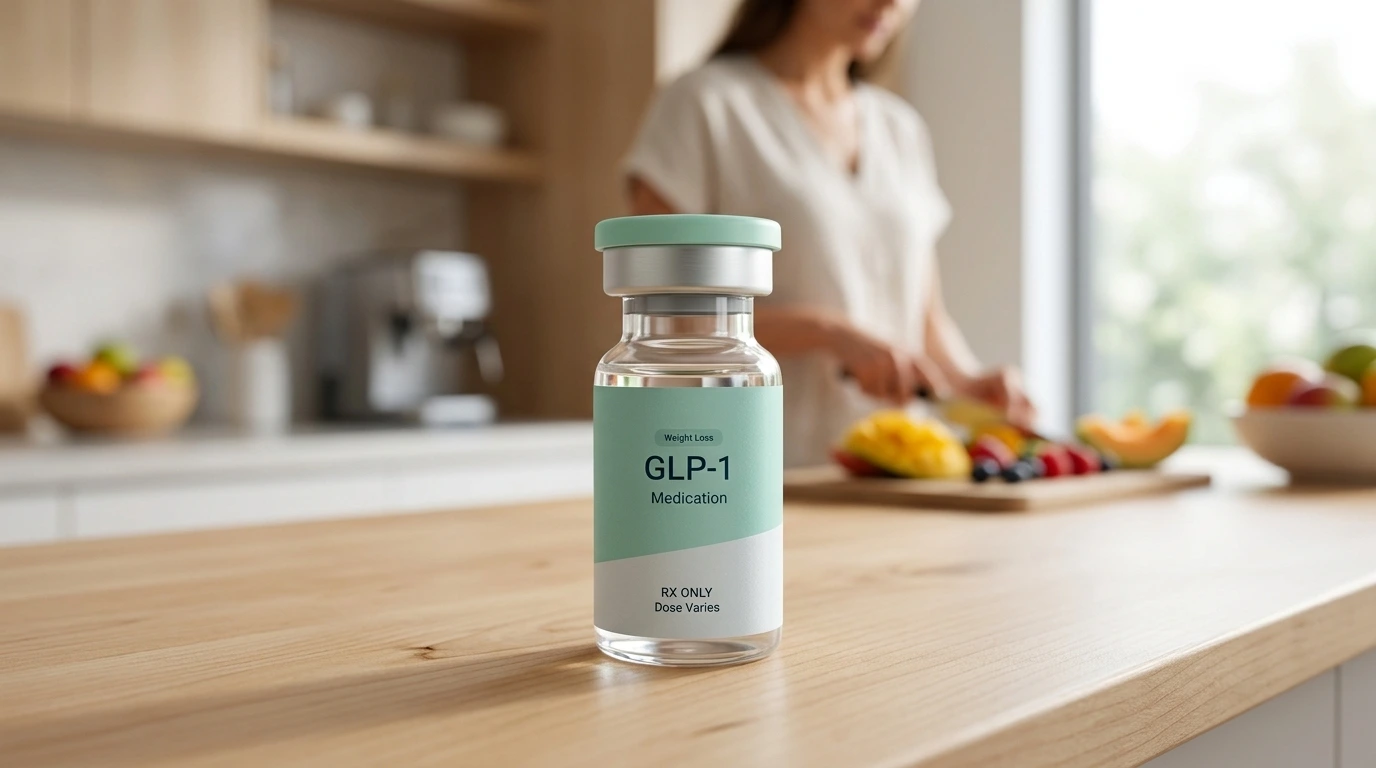
Finding yourself staring at a plate of food and feeling absolutely no desire to take a bite is a common experience for those starting their weight loss journey with GLP-1 medications. You know your body needs fuel to function, but the very thought of a full meal feels overwhelming. At TrimRx, we understand that managing your nutrition while experiencing significant appetite suppression requires a shift in how you think about eating. This transition can be frustrating, especially when you want to ensure you are losing weight healthily without sacrificing your energy or muscle mass.
In this article, we will cover practical strategies for maintaining proper nutrition, the best foods to prioritize when your appetite is low, and how to manage the unique digestive changes that come with Wegovy®. Our goal is to help you navigate these changes with confidence and clarity. Learning what to eat when you are not hungry is the key to achieving sustainable results and feeling your best throughout your program.
Why Your Appetite Changes on Wegovy
To understand what to eat, it is helpful to first understand why you feel this way. Wegovy® is a branded version of semaglutide, a medication known as a GLP-1 receptor agonist. This means it mimics a natural hormone in your body called glucagon-like peptide-1. This hormone plays a major role in how your brain and gut communicate.
When you take this medication, it targets the areas of the brain that regulate hunger and cravings. It also slows down “gastric emptying,” which is the process of food moving from your stomach into your small intestine. Because food stays in your stomach longer, you feel physically full for an extended period. This dual action—signaling fullness to the brain and slowing the physical digestive process—is what leads to the significant reduction in appetite many people experience.
Quick Answer: When you aren’t hungry on Wegovy®, prioritize high-quality protein and nutrient-dense liquids. Aim for small, frequent “mini-meals” throughout the day rather than three large sips to ensure your body gets essential vitamins and minerals without feeling overfull.
The Importance of Protein-First Eating
When your appetite is limited, every bite you take must count toward your health. Protein is the most critical macronutrient to prioritize during your weight loss journey. When you lose weight quickly, your body may try to burn muscle for energy instead of just fat. Consuming enough protein helps protect your lean muscle mass, which is vital for keeping your metabolism strong. For a deeper dive, see our guide on how protein helps with weight loss.
If you struggle to finish a meal, always eat the protein portion first. This ensures that even if you can only manage a few bites, those bites are providing the building blocks your muscles need. Aim for lean sources that are easy on the stomach.
Recommended Protein Sources
- Greek Yogurt: This is often easier to digest than solid meat and provides probiotics for gut health.
- Eggs: Whether boiled, poached, or scrambled, eggs are a complete protein and usually well-tolerated.
- Protein Shakes: A high-quality whey or plant-based protein shake can be a lifesaver when solid food feels like too much.
- Chicken or Turkey: Lean poultry provides high protein density without excess fat that might slow digestion further.
- Tofu or Tempeh: These are excellent plant-based options that are often lighter on the stomach than beef or pork.
Focusing on Nutrient Density
Since you are eating less food, the quality of that food becomes your top priority. Nutrient density refers to the amount of vitamins, minerals, and antioxidants in a food relative to its calorie count. Empty calories—like those found in sugary snacks or highly processed white breads—take up valuable space in your stomach without giving your body what it needs to thrive.
Choose colorful vegetables and healthy fats in small portions. Vegetables provide the fiber necessary for healthy digestion, which is especially important as GLP-1 medications can sometimes lead to constipation. However, be mindful of “bulky” raw vegetables if you feel extremely full. Steaming or roasting vegetables can make them easier to digest and less filling. If you want a broader overview of appetite changes, our article on semaglutide and appetite is a helpful companion read.
Smart Nutrient Choices
- Berries: Blueberries, strawberries, and raspberries are high in antioxidants and fiber but low in volume.
- Leafy Greens: Spinach and kale can be sautéed down into very small portions or blended into a smoothie.
- Healthy Fats: Avocado, olive oil, and small amounts of nut butter provide essential fatty acids and concentrated energy.
The Strategy of Mini-Meals
The traditional “three square meals a day” approach often fails for people on GLP-1 medications. If you try to force a large dinner when your stomach is still processing lunch, you may experience nausea or acid reflux. Instead, shift your mindset to “mini-meals” or nutrient-dense snacking.
Eating five or six small portions throughout the day is often much more manageable. This approach prevents your stomach from becoming uncomfortably full while providing a steady stream of energy. It also helps stabilize your blood sugar levels, which can prevent the fatigue sometimes associated with a lower calorie intake.
Key Takeaway: Success on a GLP-1 program isn’t about eating more; it’s about eating smarter. By focusing on protein first and breaking your intake into smaller portions, you support your metabolism and maintain your energy levels.
Managing Hydration and Electrolytes
Hydration is frequently overlooked when people focus on food, but it is equally important when your appetite is low. Sometimes, the body confuses thirst with hunger, or conversely, a lack of hunger leads to a lack of thirst. Dehydration can worsen common side effects like headaches, dizziness, and fatigue. Our article on common GLP-1 side effects covers these digestive changes in more detail.
While plain water is essential, you may also need to focus on electrolytes—minerals like sodium, potassium, and magnesium. These help your cells function correctly and keep your energy levels stable. If you find it hard to drink large amounts of water, try sipping on a low-sugar electrolyte drink or bone broth throughout the day.
Hydration Tips for Success
- Sip, don’t chug: Drinking large amounts of liquid at once can make you feel prematurely full or bloated.
- Separate liquids and solids: Try not to drink large amounts of water 30 minutes before or after a meal to leave room for solid nutrition.
- Use flavor: If plain water is unappealing, add a squeeze of lemon or cucumber slices to make it more palatable.
Foods to Avoid When Appetite is Low
When your digestion is slowed by a medication like Wegovy®, certain foods can cause significant discomfort. These foods stay in the stomach even longer than usual, often leading to increased nausea, bloating, or heartburn.
Avoid fried, greasy, or highly spicy foods. These are much harder for the body to break down and are the most common triggers for gastrointestinal side effects. Additionally, very high-fiber foods (like raw broccoli or large salads) should be approached with caution; while fiber is good, too much at once can cause painful gas and bloating when digestion is slow.
Myth: You should eat whatever you want as long as you’re in a calorie deficit. Fact: On GLP-1 medications, food quality matters immensely. Eating high-sugar or greasy foods can trigger severe nausea and “sulfur burps” because these foods ferment in the stomach longer.
Managing Common Side Effects Through Diet
It is natural to feel some hesitation about eating if you are experiencing side effects like nausea or constipation. However, the right food choices can actually help alleviate these issues. If you are comparing medication experiences, our tirzepatide side effects guide explains similar digestive adjustments.
For Nausea: Stick to the “Bland Diet” principles if you are feeling queasy. Small amounts of crackers, plain toast, or ginger tea can settle the stomach. Avoid lying down immediately after eating, as this can worsen acid reflux.
For Constipation: Ensure you are getting adequate fiber from cooked vegetables and fruits. If solid fiber is too much, consider a gentle fiber supplement after consulting with your provider. Consistent hydration is the most important factor in keeping things moving through your digestive tract.
The Role of Targeted Supplementation
Sometimes, even with the best intentions, it is difficult to get every nutrient your body needs through food alone while on a GLP-1 medication. This is where targeted support can make a significant difference. TrimRx also offers GLP-1 support options designed to complement your weight loss journey.
These supplements are designed to work alongside your program, ensuring your body has the micronutrients necessary for hair health, skin integrity, and energy production. While they do not replace food, they provide a safety net for those days when your appetite is at its lowest.
Personalizing Your Approach with TrimRx
Every individual responds differently to medication. Some people may feel a complete loss of appetite in the first week, while others see a gradual change. This is why a one-size-fits-all approach to dieting rarely works. Our platform focuses on a personalized treatment program that adapts to your specific needs and medical history.
When you use our telehealth services, you have access to a dedicated team that can help you navigate these nutritional hurdles. By completing our free assessment quiz, you can begin a journey tailored specifically to your body’s requirements.
Planning for Long-Term Success
The goal of using a GLP-1 medication is not just to lose weight, but to build the habits that allow you to maintain that loss for a lifetime. Learning how to fuel your body when you aren’t feeling hungry is a vital skill. It teaches you to listen to your body’s true nutritional needs rather than eating out of habit or emotion.
As you progress, your appetite may fluctuate. Some days you may feel more hungry than others, especially as you approach your next dose. Use the “low-hunger” days to practice nutrient-dense, protein-focused eating. This discipline will serve you well as you reach your goal weight and transition into a maintenance phase.
Summary of Eating Strategies
To keep your nutrition on track while on Wegovy®, keep these core principles in mind:
- Priority One: Lean protein (yogurt, eggs, chicken, protein shakes).
- Method: Eat 5–6 mini-meals rather than 3 large ones.
- Hydration: Sip water and electrolytes throughout the day; avoid large drinks during meals.
- Avoidance: Stay away from fried, greasy, and heavy sugar foods to prevent nausea.
- Quality: Choose nutrient-dense fruits and vegetables over empty carbohydrates.
Bottom line: When hunger is low, shift your focus from quantity to quality. Prioritizing protein and small, frequent snacks will protect your muscle mass and keep your energy high.
Conclusion
Navigating weight loss with GLP-1 medications is a journey of rediscovering what your body truly needs. While the lack of hunger can be surprising at first, it is a powerful tool that allows you to break free from old eating patterns and focus on high-quality nutrition. At TrimRx, we believe in a balanced, science-backed approach that prioritizes your long-term health over quick fixes. Our mission is to provide you with the medical guidance and personalized support needed to make this journey sustainable and successful.
By focusing on protein, staying hydrated, and choosing nutrient-dense foods, you are setting yourself up for the best possible results. Remember that you do not have to figure this out alone. Our dedicated specialists are here to guide you through every step of your personalized program. If you are ready to take the next step in your health journey, we invite you to take our free assessment quiz today to see which options are best for your unique health profile.
FAQ
What is the single most important thing to eat on Wegovy®?
The most important thing to prioritize is lean protein. Consuming enough protein is essential for maintaining muscle mass and supporting your metabolism while you lose weight. If you are not feeling very hungry, always try to eat your protein source first before moving on to other parts of your meal.
Is it okay to skip meals if I am not hungry at all?
While it may be tempting to skip meals entirely, it is generally better to eat small, nutrient-dense “mini-meals” throughout the day. Skipping meals for too long can lead to fatigue, muscle loss, and potential nutrient deficiencies. Even a few bites of protein or a small protein shake can help keep your body fueled and your blood sugar stable. If you want help deciding whether a prescription program is the right next step, you can complete the assessment quiz.
Why do I feel nauseous when I try to eat?
Nausea is a common side effect of GLP-1 medications like Wegovy® because they slow down your digestion. If your stomach is still full from a previous meal, eating more can cause discomfort. To manage this, focus on very small portions, avoid greasy or spicy foods, and try to stay upright for at least an hour after eating.
How can I make sure I am getting enough vitamins on a low-calorie diet?
When you are eating less, you must choose foods that are “nutrient-dense,” meaning they have a high concentration of vitamins and minerals. Focus on colorful vegetables, berries, and lean proteins.
Disclaimer: This content is for informational purposes only and does not constitute medical advice. It is not intended to diagnose, treat, cure, or prevent any disease or condition. Individual results may vary. Always consult a qualified healthcare professional before starting any weight loss program or medication.

Transforming Lives, One Step at a Time
Keep reading
Can the Wegovy Pill Hold the Weight You Lost on Semaglutide Injections?
Most likely yes, once you reach the maintenance dose. The risk is not the destination but the trip: switching means restarting titration on the…

Wegovy Alternatives: What Else Works for Weight Loss
If Wegovy isn’t working out, the strongest alternative is tirzepatide (Zepbound), which tends to produce more weight loss, followed by other GLP-1 options and…

VK2735 vs Wegovy: Investigational Contender vs Proven Semaglutide
VK2735 and Wegovy sit at different stages of development. VK2735, an investigational drug from Viking Therapeutics, comes in both injectable and oral forms and…


