Where Do Compounding Pharmacies Get Semaglutide?
Introduction
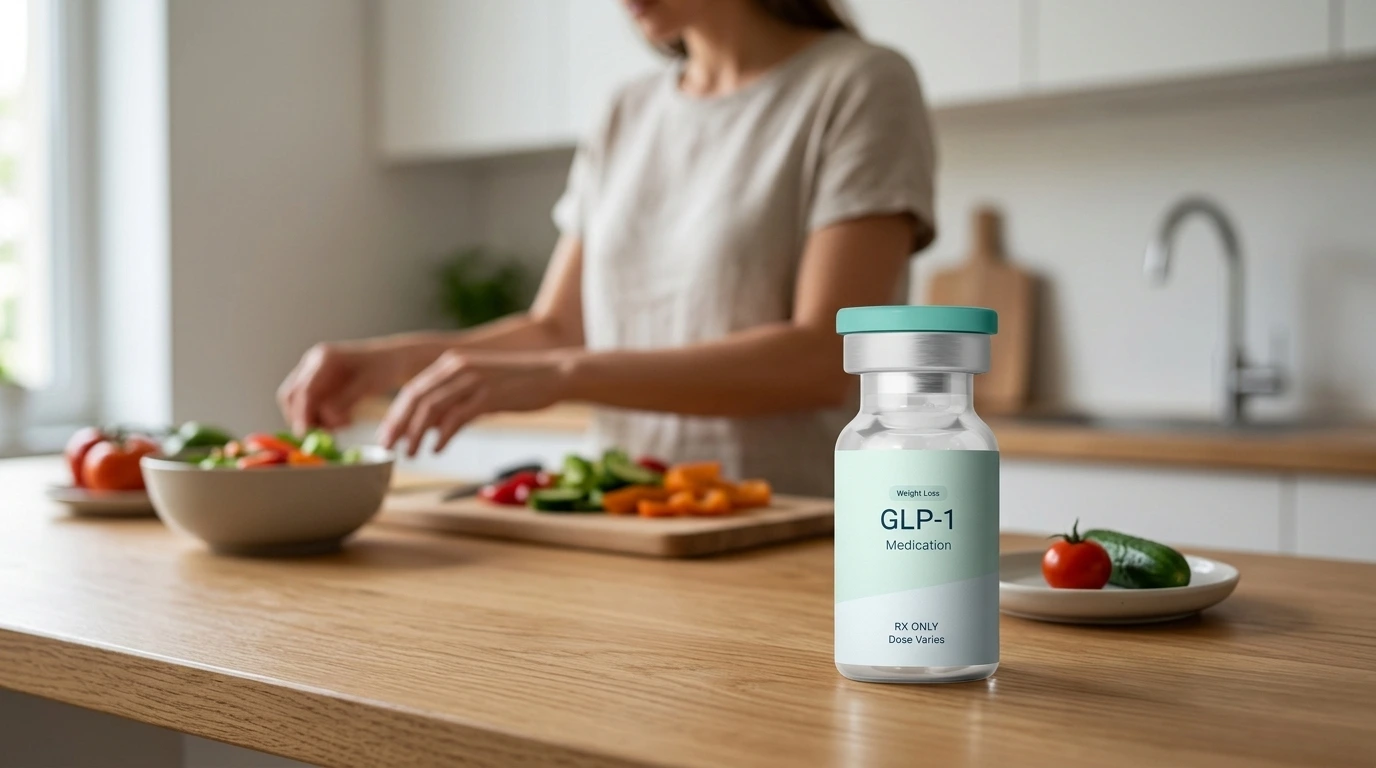
Finding a reliable path to weight loss often leads to more questions than answers, especially when high-demand medications like Wegovy® or Ozempic® are frequently out of stock. If you have researched alternatives, you have likely come across the term “compounded semaglutide.” This has led many to wonder: where do compounding pharmacies get semaglutide, and how can you be sure the source is safe?
At TrimRx, we believe that transparency is the foundation of a successful health journey. Understanding the supply chain of these medications is not just about logistics; it is about your safety and peace of mind. This post will cover how compounding pharmacies source their ingredients, the regulations that govern their operations, and how you can verify the quality of the medication you receive. By the end, you will have a clear understanding of the rigorous standards required to bring these personalized treatments to your door.
For additional context, review this guide to what compounding pharmacies make semaglutide.
The Role of the Compounding Pharmacy
To understand sourcing, we must first define what a compounding pharmacy actually does. Unlike a traditional retail pharmacy that simply dispenses mass-produced, finished drug products, a compounding pharmacy creates customized medications. They take raw ingredients and prepare them in specific strengths, dosages, or forms to meet the unique needs of an individual patient.
Standard medications are manufactured in massive batches by large pharmaceutical companies. Compounding, however, is a professional practice where a licensed pharmacist, or a person under the supervision of a licensed pharmacist, combines, mixes, or alters ingredients of a drug to create a medication tailored to a prescription. This is vital for patients who may be allergic to a specific dye in a commercial pill or who need a liquid version of a medication usually only available as a tablet.
For a broader overview, read about what compounded semaglutide is and how compounding pharmacies prepare it.
Why Compounding is Active for Semaglutide
Under normal circumstances, compounding pharmacies are restricted from making “essentially copies” of commercially available drugs. However, the Federal Food, Drug, and Cosmetic Act allows for an exception when a drug is listed on the FDA’s official drug shortage list.
Because medications like Wegovy® and Ozempic® have faced significant supply chain issues, the FDA has permitted compounding pharmacies to prepare compounded versions of semaglutide. Semaglutide is a GLP-1 (glucagon-like peptide-1) receptor agonist, a class of medication that mimics a natural hormone in the body to help regulate appetite and blood sugar.
Where the Raw Ingredients Originate
The most common question regarding these medications is whether the pharmacy is “making” the semaglutide in a back room. The answer is no. Compounding pharmacies do not synthesize the chemical molecules themselves. Instead, they purchase the Active Pharmaceutical Ingredient (API) from specialized manufacturers.
What is an API?
The Active Pharmaceutical Ingredient (API) is the specific chemical component of a drug that produces the intended health effect. In this case, the API is semaglutide. While the pharmaceutical company that owns the brand-name versions of the drug produces its own semaglutide, there are other global manufacturers that specialize in producing high-quality chemical ingredients for the medical industry.
Key Takeaway: Compounding pharmacies source raw semaglutide from FDA-registered chemical manufacturers that specialize in producing pure, pharmaceutical-grade ingredients.
If you want to understand the ingredient’s role in the medication, explore this explanation of how semaglutide works in a personalized treatment plan.
FDA-Registered Facilities
Compounding pharmacies are legally required to source their ingredients from facilities that are registered with the FDA. These facilities are subject to FDA inspections and must adhere to strict quality standards. When a pharmacy orders semaglutide API, they are not buying it from an anonymous source; they are buying from a manufacturer that must follow Current Good Manufacturing Practices (cGMP). These practices ensure the identity, strength, quality, and purity of drug products by requiring that manufacturers adequately control manufacturing operations.
If you are considering a prescription program and want to determine whether it may be appropriate for you, complete the free eligibility assessment.
The Difference Between 503A and 503B Pharmacies
Not all compounding pharmacies are the same. The FDA classifies them into two main categories based on their size and the regulations they must follow.
503A Pharmacies
Most local compounding pharmacies fall under Section 503A. These are “traditional” compounding pharmacies. They are primarily regulated by State Boards of Pharmacy and are permitted to create medications only after receiving a patient-specific prescription. They are generally not allowed to compound in large batches for “office use” or for resale.
503B Outsourcing Facilities
Section 503B pharmacies are often referred to as “outsourcing facilities.” These pharmacies operate on a larger scale and are subject to much stricter federal oversight. Unlike 503A pharmacies, 503B facilities are:
- Required to comply with full cGMP requirements, the same standards as major pharmaceutical manufacturers.
- Inspected by the FDA on a risk-based schedule.
- Permitted to compound in large batches without individual prescriptions in some cases.
When you use a platform like TrimRx, we work with pharmacies that adhere to these high-level safety and inspection standards to ensure the medication you receive meets rigorous quality benchmarks.
For more on how online prescribing works, read this guide to getting a semaglutide prescription safely through telehealth.
Ensuring Quality: The Certificate of Analysis (COA)
When a compounding pharmacy receives a shipment of raw semaglutide API from a manufacturer, they don’t just take the manufacturer’s word for it. Each shipment comes with a Certificate of Analysis (COA).
The COA is a document that verifies:
- The Purity: Ensuring the ingredient is exactly what it claims to be without harmful contaminants.
- The Potency: Confirming that the concentration of the molecule is correct.
- The Sterility: Crucial for injectable medications, ensuring no bacteria or fungi are present.
Reputable pharmacies often go a step further by conducting their own third-party testing. They send samples of the finished compounded medication to an independent laboratory to verify that the final product matches the COA and is safe for patient use.
Myth: Compounded semaglutide is “homemade” or unregulated.
Fact: Professional compounding involves strictly regulated chemical sourcing, mandatory documentation (COAs), and oversight by state and federal health authorities.
The Red Flags: What to Avoid
While legitimate compounding pharmacies provide a safe and legal service, the high demand for weight loss medications has led to the rise of “bad actors” online. It is essential to know what to look for to protect your health.
Research Chemicals and “For Research Use Only”
One of the biggest dangers in the current market is websites selling semaglutide labeled as “research chemicals” or “not for human consumption.” These products are often sold without a prescription. These sources do not use the same high-standard API as a licensed pharmacy. Injecting a substance intended for lab research is extremely dangerous and carries a high risk of infection or toxicity.
Semaglutide Sodium and Semaglutide Acetate
The FDA has specifically warned against using salt forms of semaglutide, such as semaglutide sodium or semaglutide acetate. The FDA-approved versions of semaglutide, found in Ozempic® and Wegovy®, use the base form of the molecule. The salt forms are often used in research settings and have not been tested for safety or effectiveness in humans. A legitimate pharmacy will use the base form of semaglutide API.
For more information about this concern, review the discussion of semaglutide base versus semaglutide salt forms.
Lack of Prescription
If a website offers to ship you semaglutide without a doctor’s consultation or a valid prescription, it is not a legitimate pharmacy. Legitimate weight loss programs require a medical assessment to ensure the medication is appropriate for your health profile and to monitor for potential side effects.
If you are ready to discuss whether treatment may be appropriate for you, take the free assessment quiz.
How the Medication is Prepared
Once the pharmacy has the high-quality API and the verified COA, the preparation process begins. Because semaglutide is typically administered as an injection, the environment must be sterile.
- Aseptic Processing: Compounding is done in a “clean room” to prevent any contamination. This room has specialized air filters and surfaces that are sanitized constantly.
- Precise Measuring: Pharmacists use high-precision scales to ensure the exact dosage of semaglutide is mixed with the necessary sterile water or buffers.
- Filtration: The solution is often passed through a series of micro-filters to ensure absolute clarity and sterility before it is placed into vials.
- Final Inspection: Every vial is inspected for particles or cloudiness before it is approved for shipping.
Bottom line: Compounded medications undergo a series of sterile processing steps and inspections to ensure they are safe for the patient to use at home.
Comparing Your Options
It is helpful to see how the different versions of these medications compare in terms of their source and regulatory oversight.
| Feature | Branded (e.g., Wegovy®) | Compounded Semaglutide | Research Chemicals |
|---|---|---|---|
| Manufacturer | Single Pharmaceutical Co. | Licensed Compounding Pharmacy | Unknown/Chemical Supply |
| FDA Status | FDA-Approved Product | Not FDA-Approved (from FDA-registered facility) | Unregulated/Illegal for human use |
| Prescription Required | Yes | Yes | No (Red Flag) |
| Shortage Availability | Often limited | Available during shortages | Unreliable |
| Quality Control | Internal Manufacturer Testing | State/Federal Oversight & Third-Party Lab Testing | None/Unknown |
Navigating the Journey Safely
If you are considering semaglutide for weight loss, the sourcing of the drug is only one piece of the puzzle. You also need a clinical team that understands how to use the medication effectively.
At TrimRx, our process starts with a free assessment quiz. This helps a licensed provider review your medical history, goals, and any current health conditions. This step is critical because semaglutide is not suitable for everyone. For example, individuals with a history of certain types of thyroid cancer or those who are pregnant should not use these medications.
The Importance of Supervision
Starting a GLP-1 medication involves more than just a shot. You may experience side effects like nausea or digestive changes as your body adjusts. A professional program provides the guidance needed to manage these effects and ensures your dosage is adjusted correctly over time. We emphasize a personalized approach because weight loss is not a one-size-fits-all experience.
Bottom line: Safety comes from a combination of high-quality ingredient sourcing and professional medical supervision throughout your treatment.
Common Questions About Sourcing
Are compounding pharmacies using “generic” semaglutide?
Technically, there is no FDA-approved generic version of Wegovy® or Ozempic® yet. Compounded semaglutide is a customized medication prepared during a shortage. While it uses the same active ingredient, it is not considered a “generic” in the legal sense.
Can I ask a pharmacy where they get their ingredients?
Yes. Any reputable compounding pharmacy should be able to tell you if they source their API from an FDA-registered facility and if they have a Certificate of Analysis on file. Transparency is a sign of a high-quality pharmacy.
Why is there so much confusion about safety?
Most of the safety concerns stem from unregulated websites selling “research” peptides or pharmacies that use the salt forms of the drug. When you work with a licensed platform and a state-licensed pharmacy, the risks are significantly minimized through strict regulatory oversight.
Steps to Verify Your Medication Source
If you are looking for a reliable source for your weight loss journey, follow these steps:
Step 1: Check for a Prescription Requirement.
Always start with a medical consultation. If no prescription is required, do not purchase the product.
Step 2: Verify Pharmacy Licensing.
Ensure the pharmacy fulfilling your medication is licensed in your state. You can usually find this information on the pharmacy’s website or by asking the platform you are using.
Step 3: Inquire About Testing.
Ask if the medication undergoes third-party potency and sterility testing. This provides an extra layer of validation beyond the manufacturer’s COA.
Step 4: Talk to a Provider.
Discuss your concerns about sourcing and side effects with your healthcare professional. They can explain why a specific compounding pharmacy was chosen and what quality standards they meet.
For another perspective on evaluating a source, read this guide to finding compounded semaglutide through a safe, supervised process.
The TrimRx Approach to Health
We understand that the world of weight loss medications can be overwhelming. Our mission is to simplify this process by merging clinical expertise with a supportive, telehealth-first model. We prioritize your health by connecting you with licensed providers and pharmacies that value safety as much as results.
Our programs are designed to be sustainable. We don’t just provide a prescription; we provide a pathway to metabolic health. By focusing on science, empathy, and transparent sourcing, we help you take control of your health journey without the frustration of waiting rooms or medication shortages.
Key Takeaway: Sustainable weight loss is achieved through a combination of high-quality treatment, medical guidance, and a personalized plan that fits your life.
Conclusion
Understanding where compounding pharmacies get semaglutide is the first step in becoming an empowered patient. By sourcing API from FDA-registered facilities and adhering to strict sterile processing standards, legitimate pharmacies provide a safe alternative when branded medications are unavailable. Your health journey deserves more than “research chemicals” or unregulated websites. At TrimRx, we are committed to providing you with the transparency and professional care you need to reach your goals. Through our personalized programs and dedication to quality, we stand as your partner in achieving long-term wellness.
To see if a personalized weight loss program is the right fit for you, the best next step is to take our free assessment quiz.
FAQ
How do compounding pharmacies ensure their semaglutide is pure?
Pharmacies source their raw ingredients from FDA-registered manufacturers that provide a Certificate of Analysis (COA) for every batch. Furthermore, reputable pharmacies use third-party laboratories to test the finished medication for potency, purity, and sterility before it is sent to patients.
Is the semaglutide from a compounding pharmacy the same as Ozempic?
Compounded semaglutide contains the same active pharmaceutical ingredient (semaglutide) as Ozempic®, but it is prepared by a pharmacist rather than a large-scale drug manufacturer. While the active molecule is the same, the compounded version is not an FDA-approved drug and may contain different inactive ingredients or buffers.
Is it legal for pharmacies to sell compounded semaglutide?
Yes, it is legal for compounding pharmacies to prepare semaglutide when the branded versions are on the FDA’s official drug shortage list. They must follow the regulations set forth in Section 503A or 503B of the Federal Food, Drug, and Cosmetic Act and be licensed by their respective State Boards of Pharmacy.
Why do some sources warn against “semaglutide salts”?
Semaglutide sodium and semaglutide acetate are salt forms of the molecule often used in laboratory research, but they are not the form of semaglutide found in FDA-approved medications. The FDA has cautioned that these salt forms have not been proven safe or effective for human use, so legitimate pharmacies will only use the base form of semaglutide.
How can I check whether a prescription program is appropriate for me?
A licensed provider needs to review your medical history, goals, and current health conditions before prescribing treatment. You can complete a free eligibility assessment to begin that process.
Disclaimer: This content is for informational purposes only and does not constitute medical advice. It is not intended to diagnose, treat, cure, or prevent any disease or condition. Individual results may vary. Always consult a qualified healthcare professional before starting any weight loss program or medication.

Transforming Lives, One Step at a Time
Keep reading
Semaglutide vs Tirzepatide: Comparing Weight Loss, Blood Sugar, and Side Effects
Semaglutide and Tirzepatide are one of the most common comparisons in medical weight loss. The two medications share a clear family resemblance. Both are…

How Much Weight Can You Lose on Semaglutide?
How much weight can you lose on semaglutide? The answer varies depending on your starting weight, dosage, treatment duration, and individual response to the…

Hair Shedding Months Into Semaglutide
It shows up in the shower drain first, then on the pillow, then in the brush. By the time most people search this, they…


