Where Do Compounding Pharmacies Get Their Semaglutide?

Table of Contents
- Introduction
- Understanding the Role of Compounding Pharmacies
- The Source of the Active Ingredient
- The Difference Between Semaglutide Base and Salts
- Why Compounding is Legally Permitted
- How the Medication is Prepared
- Identifying a Trustworthy Source
- The Importance of Medical Oversight
- Comparing Branded and Compounded Options
- The Future of Compounded Semaglutide
- Conclusion
- FAQ
Introduction
If you have spent any time researching weight loss medications, you have likely encountered the names Ozempic® and Wegovy®. These branded medications have changed the landscape of metabolic health, but they have also become synonymous with high costs and frequent supply shortages. Many individuals, frustrated by empty pharmacy shelves or insurance denials, have turned toward compounded semaglutide as a more accessible alternative. However, this often leads to a critical question: where exactly do compounding pharmacies get their semaglutide?
At TrimRx, we believe that transparency is the foundation of a successful weight loss journey. Understanding the origin of your medication is not just a matter of curiosity; it is a matter of safety and clinical efficacy. This article will examine the supply chain of compounded medications, the regulatory standards governing their production, and how we help you navigate these options safely. By the end, you will have a clear understanding of how these medications are sourced and what to look for in a high-quality program.
Understanding the Role of Compounding Pharmacies
To understand where the ingredients come from, it is first necessary to understand what a compounding pharmacy does. Unlike large pharmaceutical manufacturers that mass-produce standardized doses, compounding pharmacies create personalized medications. This process involves a licensed pharmacist mixing, combining, or altering ingredients to meet the specific needs of an individual patient as prescribed by a healthcare provider.
There are two primary types of compounding pharmacies in the United States, categorized by the sections of the Federal Food, Drug, and Cosmetic Act that govern them. 503A pharmacies are traditional compounding pharmacies that fulfill patient-specific prescriptions. They are primarily regulated by state boards of pharmacy. 503B pharmacies are known as outsourcing facilities. These facilities are permitted to manufacture larger batches of medications without individual prescriptions and are subject to more stringent federal oversight and inspection. For additional context, review this guide to compounding pharmacy semaglutide standards.
Key Takeaway: Compounded medications are not “generics” in the traditional sense, but custom-prepared versions of a drug created to address specific patient needs or drug shortages.
The Source of the Active Ingredient
The most important component of any medication is the Active Pharmaceutical Ingredient, or API. For the medications discussed here, the API is semaglutide. Semaglutide is a GLP-1 receptor agonist, a type of medicine that mimics a natural hormone in the body to help regulate appetite and blood sugar.
Compounding pharmacies source their semaglutide from specialized chemical manufacturing facilities. These facilities are not the compounding pharmacies themselves; rather, they are large-scale laboratories that produce the raw chemical powder. Under federal law, a compounding pharmacy must source its ingredients from manufacturers that are registered with the Food and Drug Administration (FDA). You can also explore what compounded semaglutide is made of for more background on its ingredients.
FDA-Registered Facilities
When a manufacturing facility is FDA-registered, it means the agency is aware of the facility’s existence, what it produces, and has the authority to inspect it. These manufacturers must follow Current Good Manufacturing Practices (cGMP), which are rigorous standards for the design, monitoring, and control of manufacturing processes and facilities.
It is a common misconception that compounding pharmacies use “leftover” material from brand-name manufacturers. In reality, they purchase high-grade, pharmaceutical-quality semaglutide base directly from these registered chemical suppliers. The same suppliers often provide ingredients to a wide variety of pharmaceutical companies globally.
The Certificate of Analysis (COA)
How does a pharmacist know the powder they receive is actually semaglutide? They rely on a document called a Certificate of Analysis (COA). Every batch of API sent to a pharmacy should come with a COA. This document confirms the material’s identity, purity, and potency.
Bottom line: Quality compounding pharmacies only use semaglutide sourced from FDA-registered facilities that provide a verified Certificate of Analysis for every batch.
The Difference Between Semaglutide Base and Salts
One of the most critical aspects of sourcing involves the chemical form of the semaglutide. The semaglutide used in branded medications like Ozempic® and Wegovy® is the base form of the molecule. This is the version that has been extensively studied in clinical trials and shown to be safe and effective for weight loss and blood sugar management.
Some suppliers have attempted to sell different versions, known as semaglutide salts (such as semaglutide sodium or semaglutide acetate). The FDA has issued warnings regarding the use of these salt forms in compounded medications. These salts have not been proven to be safe or effective for human use in the same way the base form has. For a closer look at this issue, read about the difference between semaglutide base and salt forms.
Reputable compounding pharmacies only use the semaglutide base. At TrimRx, we prioritize your health by ensuring the pharmacies our providers work with use only the highest quality base ingredients. Using the correct chemical form is essential for ensuring the medication behaves in your body exactly as intended.
Myth: All compounded semaglutide is the same.
Fact: Some pharmacies may use unauthorized salt forms, while high-quality pharmacies use the pharmaceutical-grade semaglutide base.
Why Compounding is Legally Permitted
Under normal circumstances, pharmacies are generally restricted from making “essentially copies” of commercially available drugs. However, the law provides a specific exception when a drug is listed on the FDA Drug Shortage List.
When the FDA determines that the demand for a medication exceeds the supply—as has been the case with semaglutide for quite some time—compounding pharmacies are allowed to prepare versions of that medication. This helps ensure that patients can continue their treatments even when the branded versions are unavailable. This legal framework is what allows for the production of compounded semaglutide in both 503A and 503B pharmacies.
Note: While compounding is permitted during shortages, these compounded versions do not undergo the same FDA-approval process as branded drugs for safety and efficacy.
How the Medication is Prepared
Once the pharmacy receives the semaglutide API from a registered manufacturer, the compounding process begins. This is a highly technical procedure that must occur in a controlled, sterile environment to prevent contamination. This guide to buying compounded semaglutide safely provides additional information about pharmacy preparation and quality considerations.
Sterile Compounding Standards
Because semaglutide is typically administered via injection, it must be prepared as a sterile injectable. This requires specialized equipment, including laminar airflow hoods and cleanrooms that meet “United States Pharmacopeia” (USP) standards, specifically USP <797>. These standards dictate everything from the air quality in the room to the protective clothing the pharmacist must wear.
Precision Dosing
The pharmacist meticulously weighs the semaglutide powder and mixes it with a sterile liquid, such as bacteriostatic water. They may also add other ingredients, such as Vitamin B12, which some providers believe can help manage common side effects like nausea. The final product is then placed into sterile vials or pens, ready to be shipped to the patient.
For nutritional support during GLP-1 treatment, some patients may also consider a GLP-1 Daily Support supplement.
Testing for Quality
Top-tier compounding pharmacies do not just mix and ship. They send samples of their finished products to independent, third-party laboratories for testing. These labs verify:
- Potency: Does the vial contain exactly the amount of medication it claims?
- Sterility: Is the medication free from bacteria or fungi?
- Endotoxins: Is the medication free from pyrogens that could cause a fever?
Identifying a Trustworthy Source
With the rise of online health platforms, it can be difficult to know which ones are legitimate. If you are considering compounded semaglutide, there are several steps you can take to verify the source of your medication.
Step 1: Check for a Prescription Requirement. / Any legitimate pharmacy or platform will require a consultation with a licensed healthcare provider and a valid prescription. Avoid any site that offers to sell semaglutide without a doctor’s involvement.
Step 2: Confirm Pharmacy Licensing. / You can ask which pharmacy will be fulfilling your order and check their license status through the state board of pharmacy in the state where they are located.
Step 3: Ask About the Ingredient Source. / A transparent provider should be able to confirm that their pharmacies use only semaglutide base (not salts) sourced from FDA-registered facilities.
Step 4: Look for Comprehensive Support. / Medication is only one part of the journey. A high-quality program should offer ongoing medical supervision and lifestyle support.
Our program at TrimRx is designed to simplify this process. We connect you with licensed medical providers who evaluate your health profile and, if appropriate, write a prescription that is filled by one of our partner compounding pharmacies. These pharmacies are rigorously vetted to ensure they meet the high standards of safety and sourcing discussed in this article. If you would like to begin, complete a free eligibility assessment.
The Importance of Medical Oversight
Regardless of where the medication is sourced, semaglutide is a powerful drug that must be used under the guidance of a professional. Sourcing is only the first step; proper administration and monitoring are equally vital.
A healthcare provider helps you determine the correct starting dose and guides you through the “titration” process. Titration is the practice of slowly increasing your dose over several weeks to allow your body to adjust, which helps minimize side effects like nausea, vomiting, or diarrhea. Without this oversight, the risk of dosing errors increases significantly.
Furthermore, a provider can monitor for more serious, though rare, side effects and ensure the medication is not interacting with other health conditions or prescriptions. This level of personalized care is what transforms a “medication purchase” into a “comprehensive health program.”
Comparing Branded and Compounded Options
While the sourcing of the active ingredient may be similar, there are key differences between branded medications and compounded versions that patients should keep in mind.
| Feature | Branded (Ozempic®/Wegovy®) | Compounded Semaglutide |
|---|---|---|
| Manufacturer | Large Pharmaceutical (e.g., Novo Nordisk) | 503A or 503B Compounding Pharmacies |
| FDA Status | FDA-Approved | Not FDA-Approved (but permitted during shortages) |
| Source of API | Proprietary Supply Chain | FDA-Registered Chemical Manufacturers |
| Delivery Method | Pre-filled Auto-injector Pens | Typically Vials and Syringes |
| Availability | Subject to Nationwide Shortages | Generally More Stable Supply |
| Customization | Standard Doses Only | Can Include Additives (like B12) |
Bottom line: Branded medications offer the gold standard of clinical proof, while compounded versions offer accessibility and personalization during supply gaps.
The Future of Compounded Semaglutide
The landscape of weight loss medication is constantly evolving. As branded manufacturers increase their production capacity, the FDA may eventually remove semaglutide from the shortage list. If that happens, the legal landscape for compounding “essentially copies” of these drugs will change.
However, the need for personalized medicine will always remain. Compounding pharmacies play a vital role in the healthcare system by filling gaps that mass-market manufacturing cannot. Whether it is removing an allergen, changing a dosage form, or combining ingredients for better tolerance, these pharmacies provide a necessary service for many patients.
At TrimRx, our mission is to remain your trusted partner through these changes. We stay at the forefront of regulatory updates and clinical research so that we can continue to provide you with the most effective and safe pathways to achieving your health goals. We believe that everyone deserves access to high-quality care, regardless of the complexities of the pharmaceutical supply chain.
Conclusion
Understanding where compounding pharmacies get their semaglutide is essential for any patient considering this path. By sourcing high-quality semaglutide base from FDA-registered facilities and adhering to strict sterile compounding standards, these pharmacies can provide a viable option for those struggling with weight management.
Key Takeaway: The safety of a compounded medication depends entirely on the integrity of the pharmacy’s sourcing and the quality of their laboratory practices.
We focus on merging clinical expertise with modern technology to deliver a personalized experience that prioritizes your safety above all else. Our goal is to help you navigate the world of GLP-1 medications with confidence, backed by a team that understands the science of metabolic health.
If you are ready to take the next step in your health journey, our personalized programs offer the medical supervision and support you need to succeed.
Next Step: Take our free assessment quiz to see if a personalized weight loss program is right for you.
FAQ
Is compounded semaglutide safe to use?
When prepared by a licensed pharmacy following sterile compounding standards and using ingredients from FDA-registered facilities, compounded semaglutide is a common alternative during shortages. However, it is not FDA-approved, which is why it is critical to work with a reputable platform that provides medical oversight and verifies the quality of its partner pharmacies.
How can I tell if a pharmacy is using semaglutide salts?
The best way is to ask the provider or the pharmacy directly for a Certificate of Analysis (COA) or a confirmation that they use “semaglutide base.” Avoid any source that is not transparent about its ingredients or that offers the medication without a prescription. For more information, review this semaglutide sourcing and quality guide.
Why does my compounded semaglutide look different than a branded pen?
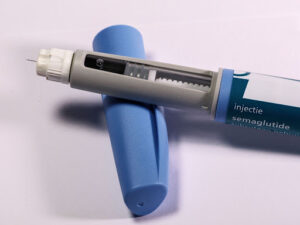
Branded medications often come in proprietary, single-use auto-injector pens. Compounded semaglutide is typically provided in a multidose glass vial, and you use a small, single-use syringe to draw up and administer your specific dose. Your healthcare provider will give you detailed instructions on how to do this safely.
Will compounded semaglutide work as well as the branded version?
Because it contains the same active ingredient (semaglutide), it is designed to work in the same way by mimicking the GLP-1 hormone. However, because compounded versions are not identical to the branded products and do not undergo the same clinical trials, individual results may vary based on the formulation and the patient’s specific health profile. If you are considering a medically supervised program, find out if GLP-1 medications are right for you.
Disclaimer: This content is for informational purposes only and does not constitute medical advice. It is not intended to diagnose, treat, cure, or prevent any disease or condition. Individual results may vary. Always consult a qualified healthcare professional before starting any weight loss program or medication.

Transforming Lives, One Step at a Time
Keep reading
Semaglutide vs Tirzepatide: Comparing Weight Loss, Blood Sugar, and Side Effects
Semaglutide and Tirzepatide are one of the most common comparisons in medical weight loss. The two medications share a clear family resemblance. Both are…

How Much Weight Can You Lose on Semaglutide?
How much weight can you lose on semaglutide? The answer varies depending on your starting weight, dosage, treatment duration, and individual response to the…

Hair Shedding Months Into Semaglutide
It shows up in the shower drain first, then on the pillow, then in the brush. By the time most people search this, they…


