Where Do You Get Ozempic Shots for Weight Management
Introduction
Finding a clear path to weight loss can feel like an endless cycle of trial and error. You may have spent years navigating restrictive diets or intensive exercise routines, only to find the scale barely budges. With the rise of GLP-1 medications, many people are now asking the same question: where do you get Ozempic shots safely and legally? At TrimRx, we understand that the weight loss journey is deeply personal and often fraught with confusion regarding medication access. This article covers the specific steps required to obtain a prescription, the difference between various providers, and how personalized telehealth programs can streamline your experience. If you’re ready to take a simple next step, you can complete our free assessment quiz. Understanding your options is the first step toward a sustainable health transformation.
Quick Answer: You can get Ozempic® shots by obtaining a prescription from a licensed healthcare provider, such as a primary care physician or a telehealth professional. Once prescribed, the medication is filled at a licensed retail or mail-order pharmacy; it is not available over-the-counter.
Understanding Ozempic® and Semaglutide
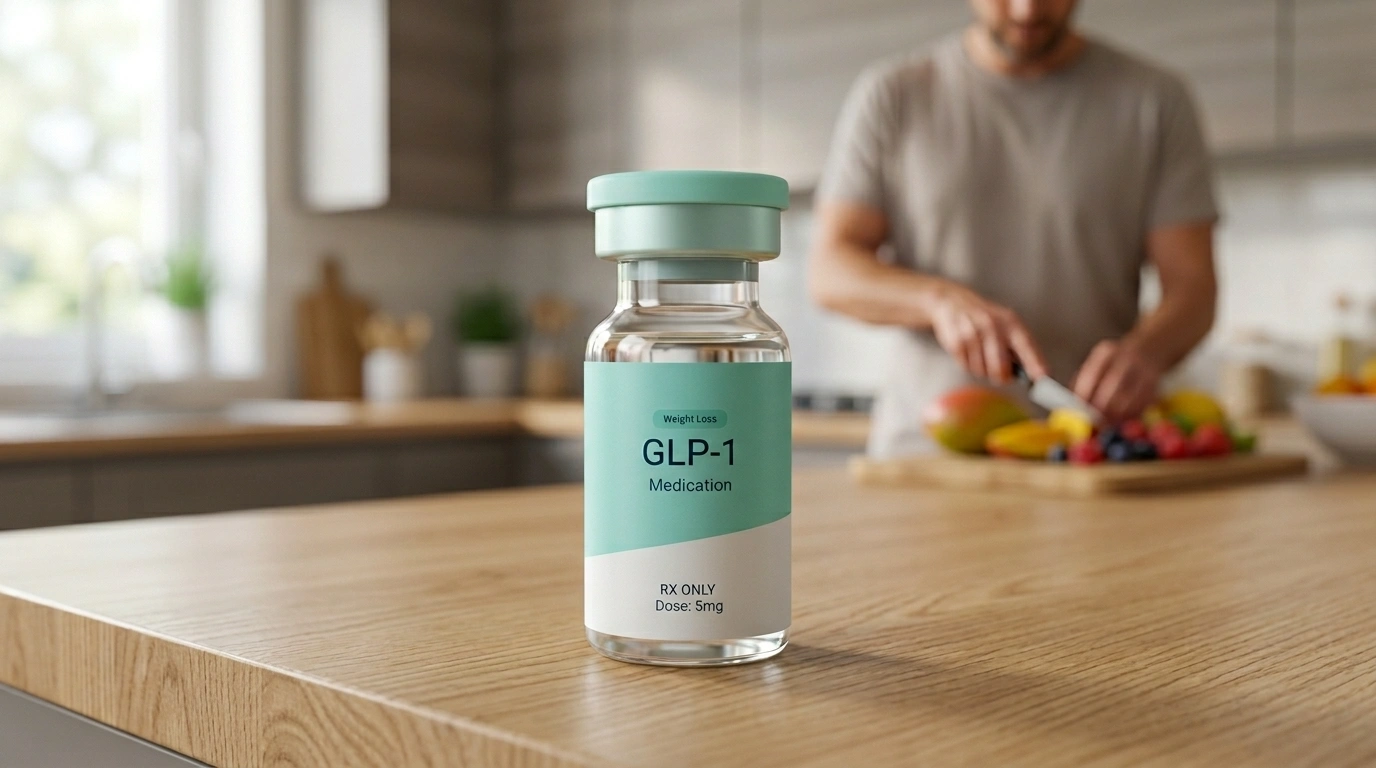
Ozempic® is a brand-name prescription medication that contains the active ingredient semaglutide. It belongs to a class of drugs known as glucagon-like peptide-1 (GLP-1) receptor agonists. Originally, the FDA approved Ozempic® to help adults with type 2 diabetes manage their blood sugar levels. However, because of how it interacts with the body’s natural metabolic processes, it has become widely recognized for its weight loss benefits. For a deeper primer on the medication itself, see our semaglutide injection guide.
The medication works by mimicking a hormone naturally produced in your gut. This hormone, GLP-1, plays a critical role in how your body handles hunger and digestion. When you take a semaglutide injection, it signals to your brain that you are full, which helps reduce overall calorie intake. It also slows down “gastric emptying,” meaning food stays in your stomach longer, helping you feel satisfied for extended periods.
It is important to distinguish between the brand name and the active ingredient. While Ozempic® is the most famous brand name, semaglutide is the underlying molecule doing the work. Other branded medications, such as Wegovy®, also use semaglutide but are specifically FDA-approved for chronic weight management. If you want a broader overview of the hormone behind these medications, our What is GLP-1? article is a helpful companion read.
Key Takeaway: Ozempic® uses the active ingredient semaglutide to mimic natural hormones that regulate appetite and digestion, helping the body feel full longer and manage blood sugar effectively.
The Essential Requirement: A Valid Prescription
You cannot buy Ozempic® or any semaglutide medication over-the-counter. Because these are powerful metabolic medications that affect insulin and digestion, they must be used under the supervision of a licensed healthcare provider. A prescription is a legal and safety requirement designed to ensure the medication is appropriate for your specific health profile.
A healthcare provider evaluates your medical history before writing a prescription. They will look for contraindications, such as a family history of specific thyroid tumors or a history of pancreatitis. They also verify your Body Mass Index (BMI) and check for weight-related health conditions like high blood pressure or high cholesterol. For readers comparing access options, our how to get GLP-1 weight loss guide breaks down the process in more detail.
Obtaining a prescription through unregulated sources is dangerous. Avoid websites that claim to sell Ozempic® without a consultation or prescription. These products are often counterfeit, may contain harmful substances, or might not contain any active medication at all. Always work through a legitimate medical platform or a local doctor to ensure you are receiving authentic, safe treatment.
Where to Get Ozempic Shots: Your Primary Options
When looking for where to get Ozempic shots, you generally have two main paths: the traditional in-person medical route or a modern telehealth platform. Both require a consultation with a provider, but the experience and accessibility vary significantly.
Traditional In-Person Medical Visits
The most common starting point for many is their primary care physician (PCP) or an endocrinologist. In this setting, you schedule an appointment, visit a physical office, and discuss your weight loss goals face-to-face. Your doctor may perform a physical exam and order blood work at a local lab. If they determine you are a candidate for semaglutide, they will send a prescription to your local retail pharmacy, such as Walgreens or CVS.
While traditional visits offer a familiar face, they can be time-consuming. Waiting weeks for an appointment and spending time in waiting rooms can be a barrier for many. Additionally, some general practitioners may not be fully versed in the latest GLP-1 protocols or may have personal biases regarding weight loss medications, leading to a frustrating experience for the patient.
Telehealth and Personalized Platforms
Telehealth has transformed how people access specialized weight loss care. Platforms like ours allow you to connect with licensed providers from the comfort of your home. This modern approach is designed for convenience and focuses specifically on metabolic health. Instead of a general check-up, the consultation is centered entirely on your weight loss journey and clinical eligibility for medications like semaglutide or tirzepatide. If you want to understand the treatment model behind that approach, read our guide to starting GLP-1 weight loss.
We offer a streamlined process that includes the medical consultation and ongoing support. Through TrimRx, individuals can complete a digital health assessment that a licensed provider reviews to determine the best course of action. This model removes the friction of physical appointments and provides 24/7 access to a team of specialists who understand the nuances of GLP-1 therapy.
How the Process Works at TrimRx
Getting started with a personalized weight loss program is designed to be straightforward. We prioritize clinical safety while ensuring you don’t have to jump through unnecessary hoops. Our process focuses on gathering the right data to help a provider make an informed decision about your care.
Step 1: Complete the Assessment / Start by taking our free assessment quiz to provide details about your medical history, goals, and current health status.
Step 2: Provider Review / A licensed healthcare professional reviews your information to determine if you are a candidate for a GLP-1 medication.
Step 3: Lab Work and Consultation / If necessary, you may be asked to complete lab tests to check your metabolic markers, followed by a virtual consultation.
Step 4: Treatment Plan / If approved, the provider will create a personalized treatment plan, which may include a prescription for compounded medication or a recommendation for a branded option.
Step 5: Medication Delivery / If prescribed a compounded medication, it is shipped directly from an FDA-registered compounding pharmacy to your door.
Note: We do not dispense or ship branded medications like Ozempic® or Wegovy®. If a provider prescribes a branded medication, you will fill that prescription at your preferred local or mail-order pharmacy.
Navigating the Medication Landscape
When people ask where to get Ozempic shots, they are often surprised to learn there are multiple ways to access the active ingredient, semaglutide. Depending on your insurance coverage and the current supply chain, one option may be more accessible than the other.
Branded Medications
Branded products like Ozempic®, Wegovy®, Mounjaro®, and Zepbound® are manufactured by large pharmaceutical companies. These are the specific products you see in television commercials. They are FDA-approved for specific uses—diabetes for Ozempic® and Mounjaro®, and weight loss for Wegovy® and Zepbound®. Because these are branded, they are often subject to supply shortages and can be difficult to find at local pharmacies. If you’re comparing semaglutide with tirzepatide, our tirzepatide explainer is a useful next read.
Compounded Medications
Compounded semaglutide and compounded tirzepatide offer an alternative when branded options are unavailable or unsuitable. Compounding is the process where a licensed pharmacist prepares a customized medication to meet the specific needs of a patient. These medications are prepared in FDA-registered and inspected compounding pharmacies.
It is critical to understand that compounded medications are not FDA-approved. While the pharmacy itself is regulated and the ingredients are sourced carefully, the specific final mixture does not go through the same FDA new-drug approval process as a branded medication. For a deeper look at this topic, see our compounded GLP-1 overview.
Comparison of Options
| Feature | Branded (e.g., Ozempic®) | Compounded Semaglutide |
|---|---|---|
| FDA Status | FDA-Approved | Not FDA-Approved |
| Manufacturer | Single Pharmaceutical Co. | Licensed Compounding Pharmacy |
| Availability | Subject to frequent shortages | Often more readily available |
| Dispensing | Local or mail-order retail pharmacy | Shipped from compounding pharmacy |
| Customization | Standard doses only | Can be tailored by the provider |
Eligibility and Health Criteria
Not everyone is a candidate for semaglutide injections. Healthcare providers follow specific clinical guidelines to ensure the medication is used safely. Generally, these medications are intended for individuals who have struggled to lose weight through diet and exercise alone and meet certain biological markers.
The primary metric used is Body Mass Index (BMI). Most providers look for a BMI of 30 or greater, which is the clinical definition of obesity. Alternatively, an individual with a BMI of 27 or greater may be eligible if they also have at least one weight-related medical condition, such as:
- Type 2 diabetes or pre-diabetes
- High blood pressure (hypertension)
- High cholesterol (dyslipidemia)
- Obstructive sleep apnea
Your medical history is equally important. During your consultation, you must be transparent about any existing conditions. Providers will typically not prescribe these medications if you have a history of Medullary Thyroid Carcinoma (MTC) or Multiple Endocrine Neoplasia syndrome type 2 (MEN 2). They will also exercise caution if you have a history of gallbladder disease or kidney issues. If you’re not sure whether you meet the clinical criteria, the free assessment quiz is the quickest way to find out.
Bottom line: Eligibility is based on a combination of BMI, weight-related health conditions, and a clean bill of health regarding specific contraindications like thyroid tumors.
What to Expect Once You Start
Once you have secured your medication, the treatment usually begins with a “titration” schedule. This means you start at a very low dose so your body can adjust to the hormone changes. Over several weeks or months, your provider will gradually increase the dosage until you reach a level that is effective for weight loss while remaining tolerable.
The injections are self-administered once a week. Most people find the process much easier than expected. The needles used in semaglutide pens or syringes are very thin and short, designed to go just under the skin (subcutaneously) in the abdomen, thigh, or upper arm. Most patients report only a minor pinch, if anything at all.
Consistency is the key to seeing results. GLP-1 medications are designed for long-term use as part of a comprehensive lifestyle change. While some people notice a reduction in “food noise” (constant thoughts about eating) within the first week, significant weight loss usually occurs gradually over several months of consistent treatment. To better understand the mechanism behind that process, you can read our how GLP-1 works for weight loss breakdown.
Managing Side Effects and Success
Like any medication, semaglutide can cause side effects. Because the drug slows down digestion, the most common issues are gastrointestinal. Many patients experience some degree of nausea, especially when they first start or when their dose increases. Other common side effects include:
- Diarrhea or constipation
- Stomach pain or bloating
- Heartburn or acid reflux
- Occasional fatigue
Most side effects are mild and tend to fade as your body acclimates. To help manage these, we recommend eating smaller meals, staying hydrated, and avoiding greasy or highly processed foods. If you find the side effects are interfering with your daily life, it is important to contact your provider. They can adjust your titration schedule or offer advice on managing specific symptoms.
For some, extra support can make a major difference. While the medication handles the biological side of hunger, nutrition and habits still matter. We offer GLP-1 Daily Support supplement to help maintain essential nutrient levels.
We also offer Weight Loss Boost supplement to support metabolic energy while you are on your journey. These are designed to complement the medication and help you feel your best.
Myth: You can stop the medication as soon as you hit your goal weight without any consequences.
Fact: Clinical studies suggest that many individuals regain weight if they stop the medication abruptly without having established permanent lifestyle changes. Many providers recommend a maintenance phase to help the body stabilize at its new weight.
Why Personalized Care Matters
The “one size fits all” approach rarely works for permanent weight loss. This is why finding the right place to get your medication is about more than just the physical shots. It is about finding a program that looks at you as an individual. At TrimRx, we focus on creating a personalized experience that adapts to your body’s response.
Our platform provides more than just a prescription. We offer a community and a support system. Having 24/7 access to specialists means you never have to wonder if a symptom is normal or if you are taking the medication correctly. For a closer look at what patients commonly experience, our GLP-1 side effects in 2026 article is worth a read.
We believe in transparency and science-backed methods. Weight loss is not a personal failure; it is a complex biological challenge. By using modern tools like semaglutide alongside clinical supervision, we help you reset your body’s relationship with food and energy. If you’re interested in the biology behind that reset, our natural GLP-1 article offers a helpful perspective. Our mission is to provide an empathetic, professional environment where you can take control of your metabolic health without the stress of traditional doctor visits.
Conclusion
Determining where to get Ozempic shots is the first step in a larger journey toward better health. Whether you choose to visit a local physician or utilize a telehealth platform like TrimRx, the priority should always be safety, clinical oversight, and personalization. By working with licensed professionals, you ensure that you are receiving authentic medication and the medical guidance necessary to manage your weight effectively and sustainably.
- A prescription from a licensed provider is mandatory for all semaglutide medications.
- You can fill branded prescriptions at local pharmacies or receive compounded versions via mail-order from regulated pharmacies.
- Telehealth offers a convenient, specialized alternative to traditional in-person doctor visits.
- Ongoing support and lifestyle adjustments are critical for long-term success.
If you are ready to stop the cycle of frustrated dieting and start a science-based program tailored to your needs, your next step is simple. Take our free assessment quiz to see which personalized program is right for you and begin your journey toward a healthier, more confident life.
FAQ
Can I get Ozempic over the counter?
No, Ozempic® and other semaglutide medications are not available over the counter and require a valid prescription from a licensed healthcare provider. These medications must be medically supervised to ensure they are safe and appropriate for your specific health history. If you’re still learning the basics, our what is GLP-1 weight loss medication guide can help.
Does TrimRx ship Ozempic directly to my house?
TrimRx is a telehealth platform that connects you with licensed providers who can write prescriptions. We do not ship branded medications like Ozempic®; however, if a provider prescribes a compounded medication, it is shipped directly to you from one of our partner FDA-registered compounding pharmacies.
Is a telehealth prescription as valid as one from a local doctor?
Yes, a prescription from a licensed healthcare provider via a telehealth platform is legally and clinically valid, provided a proper medical consultation has taken place. Telehealth providers follow the same clinical standards and regulations as in-person physicians when evaluating patients for weight loss medications. If you’re interested in the broader process, our weight loss journey guide gives a helpful overview.
What is the difference between Ozempic and compounded semaglutide?
Ozempic® is a specific brand-name medication that is FDA-approved for type 2 diabetes. Compounded semaglutide contains the same active ingredient but is prepared by a licensed compounding pharmacy; while the pharmacies are FDA-registered, the specific compounded mixture itself is not FDA-approved.
Disclaimer: This content is for informational purposes only and does not constitute medical advice. It is not intended to diagnose, treat, cure, or prevent any disease or condition. Individual results may vary. Always consult a qualified healthcare professional before starting any weight loss program or medication.

Transforming Lives, One Step at a Time
Keep reading
Can You Take Ibuprofen on Ozempic?
For occasional use in someone who is well hydrated and has healthy kidneys, ibuprofen is generally considered reasonable, and it is worth checking with…

Why Do I Feel Best Two Days After My Ozempic Injection?
Because you are noticing the shape of a weekly dose, and day two often sits in a useful window: the initial side effects have…

Does Pepto Bismol Help Nausea on Ozempic?
Ask your pharmacist before using it, because Pepto Bismol is not the neutral stomach remedy most people assume. Its active ingredient, bismuth subsalicylate, contains…


