Where Do You Put the Ozempic Shot?
Introduction
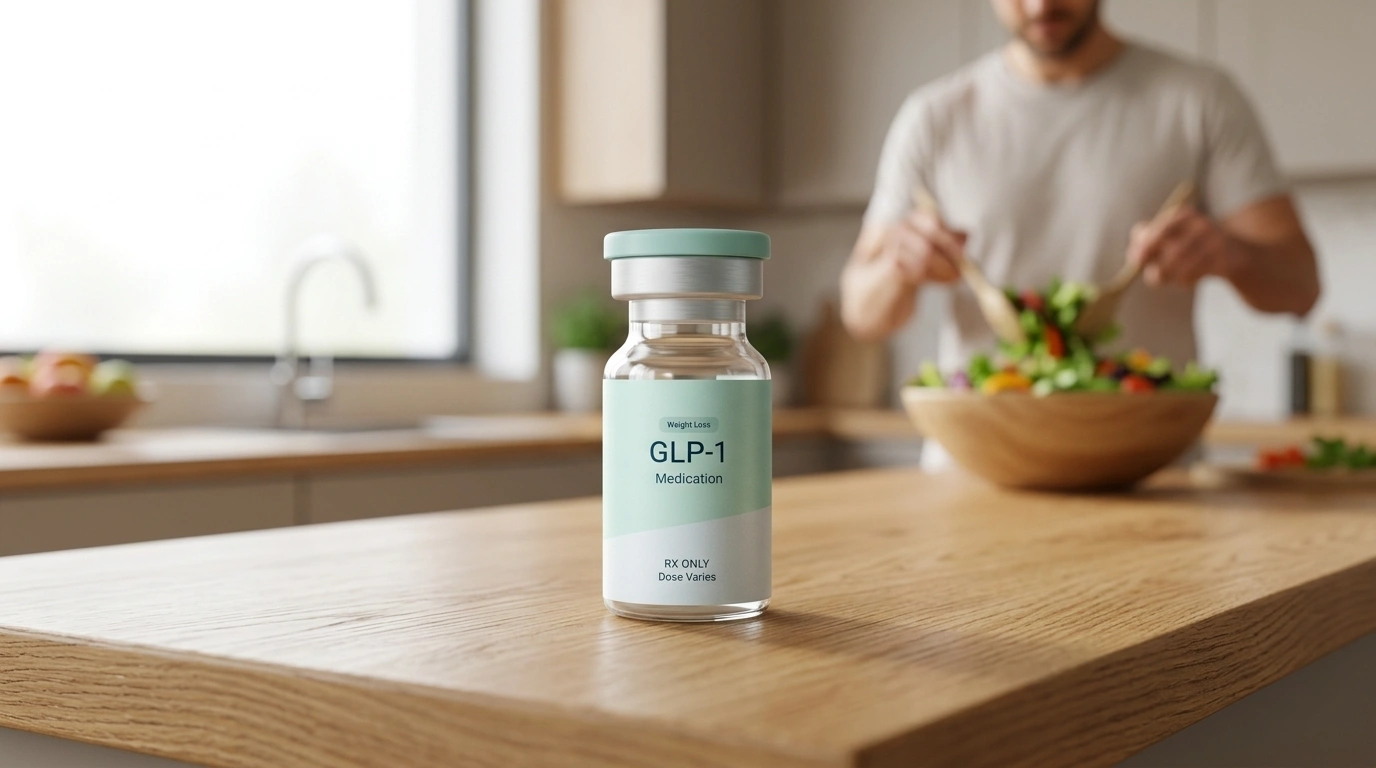
Standing in your kitchen with a new prescription pen in your hand can feel overwhelming. You might feel a mix of excitement for your health journey and a heavy dose of anxiety about the actual injection. It is a common moment of hesitation: you know the medication can help, but the “how” and “where” of the process feel daunting. Whether you are managing type 2 diabetes or using this medication for weight management, mastering the injection technique is the first step toward long-term success.
At TrimRx, we believe that clarity and clinical support are the foundations of any successful wellness program. We help bridge the gap between receiving a prescription and feeling confident in your daily routine. If you are still deciding whether prescription GLP-1 treatment fits your health profile, take the free assessment quiz. This guide will walk you through the approved injection sites for Ozempic®, the science of subcutaneous delivery, and how to make the process as comfortable as possible. Our goal is to ensure you feel equipped to handle your treatment with precision and ease.
The Science of Subcutaneous Injections
To understand where to put the shot, you first need to understand how the medication enters your body. Ozempic® contains the active ingredient semaglutide. Semaglutide is a GLP-1 medication that helps regulate appetite and blood sugar.
This medication is designed for subcutaneous injection. A subcutaneous injection is a method of delivering medication into the fatty tissue layer located directly between the skin and the muscle. This layer of fat has fewer blood vessels than muscle tissue. Because of this, the medication is absorbed slowly and steadily over the course of a week. For a fuller breakdown, read our semaglutide injection explainer.
If you were to inject the medication too deeply into a muscle or directly into a vein, the semaglutide would enter your bloodstream far too quickly. This could lead to increased side effects or reduced effectiveness. By targeting the “sub-Q” layer, you ensure the drug works exactly as the manufacturer intended.
The Three Approved Injection Sites
There are three primary areas of the body where you have enough subcutaneous fat to safely administer your dose. Medical professionals have tested these areas to ensure they provide consistent absorption rates. If you want a broader walkthrough of where and how to take your shot, this TrimRx guide covers the basics.
The Abdomen (Stomach Area)
The abdomen is the most popular choice for many individuals. It offers a large surface area and is generally easy to see and reach while sitting or standing. When using your stomach, you must stay at least two inches away from your belly button. This is because the tissue directly around the navel is often tougher and less consistent for absorption.
Avoid any areas where your skin has scars, stretch marks, or visible veins. You should also avoid the “waistline” where your clothes might rub against the injection site, as this can cause irritation after the shot.
The Front of the Thighs
The thighs are an excellent alternative if you find the abdomen sensitive. The best area is the front and outer part of the thigh. You should avoid the inner thigh, as the skin there is more sensitive and there is less fatty tissue. The “top-middle” of your thigh provides a stable, firm surface that many people find less intimidating than the stomach.
The Back of the Upper Arms
The back of the upper arm—specifically the fleshy area between the shoulder and the elbow—is the third approved site. This area is highly effective but can be physically difficult to reach on your own. Many people only use the arm if they have a partner or family member available to help with the injection. If you choose this site, ensure you are targeting the fatty “tricep” area rather than the muscle itself.
Key Takeaway: Always inject into the fatty tissue of the stomach, thigh, or upper arm. Rotating these sites is essential for maintaining skin health and ensuring the medication is absorbed correctly.
Why Site Rotation Is Non-Negotiable
It might be tempting to use the same spot every week, especially if you find one area less painful than the others. However, “rotating” your injection site is one of the most important parts of the process. Rotation means picking a different spot for every single dose. For a more detailed look at rotating semaglutide injection sites, this guide explains why consistency matters.
If you inject into the exact same spot repeatedly, you risk a condition called lipohypertrophy. This is a medical term for the buildup of fatty lumps under the skin. These lumps can become hard or rubbery. While they are usually not dangerous, they interfere with how the medication is absorbed. If you inject into a lump, your body may not get the full dose of semaglutide, which can stall your progress.
How to Create a Rotation Schedule
You do not have to switch body parts every week, though many people do. You can stay in the same general area as long as you move the needle at least one inch away from the previous week’s spot. A simple way to visualize this is to imagine a clock face on your stomach.
- Week 1: Inject at the “12 o’clock” position.
- Week 2: Move to the “3 o’clock” position.
- Week 3: Move to the “6 o’clock” position.
- Week 4: Move to the “9 o’clock” position.
By the time you return to the first spot, the tissue has had nearly a month to heal and recover.
Preparing for Your Weekly Injection
Preparation is the best way to reduce anxiety. Before you even take the pen out of the box, make sure you have a clean, well-lit space to work.
Gather your supplies:
- Your medication pen.
- A new, disposable needle.
- An alcohol swab or a cotton ball with rubbing alcohol.
- A sharps container for needle disposal.
Check the medication through the window of the pen. It should be clear and colorless. If the liquid looks cloudy, thickened, or has particles floating in it, do not use it. This could indicate the medication has expired or was stored at the wrong temperature.
Quick Answer: You should put the Ozempic® shot in the fatty tissue of your abdomen, the front of your thighs, or the back of your upper arms. Stay at least two inches away from your belly button and always rotate your injection site each week to prevent skin irritation.
Step-by-Step Injection Guide
Following a consistent routine will help the process become second nature. Most people find that after the third or fourth week, the “needle jitters” disappear entirely.
Step 1: Clean Your Hands and the Site
Wash your hands thoroughly with soap and water. Once dry, use an alcohol swab to clean your chosen injection site. Let the skin air dry completely. Injecting through wet alcohol can cause a stinging sensation that is easily avoided by waiting thirty seconds.
Step 2: Attach the Needle
Remove the paper tab from a new needle. Push the needle straight onto the pen and turn until it is tight. Pull off the outer needle cap and the inner needle cap. Do not throw away the outer cap; you will need it to safely remove the needle later.
Step 3: Check the Flow (New Pens Only)
If you are opening a brand-new pen, you must check the flow. Turn the dose selector to the flow check symbol (usually two dots or a small line). Hold the pen with the needle pointing up and press the button. A drop of liquid should appear at the needle tip. This ensures the pen is working and the needle is not blocked.
Step 4: Dial Your Dose
Turn the dose selector until the counter shows your prescribed dose. For many starting out, this is 0.25 mg, but your provider will determine what is right for you.
Step 5: The Injection
Insert the needle into your skin. You do not need to “jab” it; a firm, steady pressure is best. Most people find that pinching a small fold of skin helps ensure the needle stays in the fatty layer. Press and hold the dose button until the counter returns to zero.
Critical Step: Once the counter hits zero, do not pull the needle out yet. Count slowly to six. This allows the full volume of the medication to leave the pen and enter your tissue.
Step 6: Cleanup
Pull the needle straight out. If you see a tiny drop of blood, press a cotton ball on it, but do not rub the area. Place the outer needle cap back on, unscrew the needle, and drop it into your sharps container.
Managing Needle Phobia and Discomfort
It is perfectly normal to feel nervous about needles. Even though the needles used for these pens are incredibly thin—often no thicker than a few strands of hair—the psychological barrier can be real.
If you are struggling with discomfort, try these tips:
- Temperature Check: If you store your pen in the refrigerator, take it out 30 minutes before your injection. Cold medication can sometimes sting. Injecting at room temperature is generally more comfortable.
- The Pinch Technique: Use your non-dominant hand to firmly pinch about two inches of skin. This “distracts” the nerves in the area and makes the needle entry feel like almost nothing.
- Breathe: It sounds simple, but many people hold their breath when they inject. This tenses your muscles. Take a deep breath in, and insert the needle as you slowly exhale.
Proper Storage and Handling
How you store your medication affects how well it works. If the semaglutide is exposed to extreme temperatures, the proteins can break down, making the shot less effective.
- Before First Use: Store new, unused pens in the refrigerator. Do not put them near the cooling element, as they must not freeze.
- After First Use: Once you have used a pen for the first time, you can keep it in the refrigerator or at room temperature (up to 86°F) for up to 56 days.
- Keep it Dark: Always keep the pen cap on when you are not using it. Semaglutide is sensitive to light.
Note: Never use a pen if it has been frozen. Even if it thaws out, the medication is likely compromised and should be discarded. Always consult your healthcare provider if you are unsure about the safety of your medication.
Optimizing Your Results with TrimRx
Getting the injection right is only one piece of the puzzle. Sustainable weight loss and metabolic health require a holistic approach. This is where we come in. Our platform provides more than just a connection to medication; we offer a structure for your entire journey.
When you join a program through TrimRx, you are not just getting a prescription. If you want to see whether treatment is a fit, complete the free eligibility assessment. You are getting access to a dedicated team that understands the nuances of GLP-1 therapy. We help you navigate side effects, monitor your progress, and adjust your plan as your body changes. Our telehealth model means you can get this expert guidance from the comfort of your home, without the stress of a waiting room.
We also offer specialized support products. For example, many people on GLP-1 medications experience minor digestive changes. Our GLP-1 Daily Support supplement is designed to complement your treatment, helping you maintain nutritional balance as your appetite changes.
Common Myths About Injection Sites
There is a lot of misinformation online about where to put your shot. Let’s clear up some of the most common myths. If you want a deeper look at appetite control and satiety, how GLP-1 actually works for weight loss explains the biology behind it.
Myth: Injecting in the stomach causes more nausea. Fact: While some clinical trials suggested a slight difference in side effects between sites, most evidence shows that nausea is a systemic effect of the medication, not a result of where the needle goes. However, if you experience significant nausea, your provider might suggest trying the thigh to see if it improves your personal experience.
Myth: You should massage the area after the shot to help it absorb. Fact: Do not rub or massage the site. This can cause the medication to absorb too quickly or lead to skin irritation. Simply leave the area alone after the needle is removed.
Myth: You can reuse needles if you are the only one using the pen. Fact: Never reuse a needle. Even after one use, the tip becomes dull and can develop microscopic burrs. Reusing needles increases the risk of infection and makes the injection significantly more painful.
Troubleshooting Your Injection
Even with the best preparation, things sometimes go wrong. Here is what to do in common scenarios:
- You See a Drop at the Tip: This is normal and nothing to worry about. It does not mean you lost your dose.
- The Pen Won’t Click: Ensure the needle is screwed on straight and tight. If it is still stuck, replace the needle and try again.
- You Forgot to Hold for Six Seconds: If you pulled the needle out too fast and see liquid on your skin, do not take another dose. You likely received most of the medication. Just wait until your next scheduled day and remember to count to six next time.
- You Missed Your Dose: If it has been five days or less since your scheduled day, take the dose as soon as you remember. If it has been more than five days, skip that dose and wait for your next scheduled day. Never take a double dose to make up for a missed one.
Conclusion
Mastering where to put the Ozempic® shot is a vital skill for anyone starting their metabolic health journey. By choosing the right sites—the abdomen, thigh, or upper arm—and following a strict rotation schedule, you protect your skin and ensure your medication works effectively. Remember to stay calm, prepare your environment, and always use a fresh needle.
At TrimRx, our mission is to empower you with science-backed tools and empathetic support. We believe that weight loss is not just about a number on a scale; it is about reclaiming your health and confidence through personalized care and clinical expertise. If you are ready to take the next step in your journey with a team that prioritizes your unique needs, we invite you to start today.
Bottom line: Successful injections require fatty tissue, rotation, and patience. With the right technique and a supportive program, this weekly habit will soon become a seamless part of your lifestyle.
Next Step: Ready to find a weight loss program tailored specifically to your health profile? Take our free assessment quiz to see if you are eligible for a personalized program.
FAQ
Does the injection site affect how fast Ozempic® works?
Research suggests that absorption is relatively consistent across the three approved sites (abdomen, thigh, and arm). While some individuals may notice slight variations in how they feel, the overall effectiveness of the medication remains the same regardless of which approved site you choose. For a more detailed walkthrough, see our semaglutide injection guide.
What should I do if I have a lump at my injection site?
If you feel a hard or fatty lump, this is likely lipohypertrophy from injecting in the same spot too often. Avoid that specific area for several weeks to allow the tissue to heal. If the lump becomes painful, red, or warm to the touch, contact your healthcare provider to rule out an infection.
Can I inject through my clothes if I am in a hurry?
No, you should never inject through clothing. This can introduce bacteria or fabric fibers into the injection site, greatly increasing your risk of infection. Always clean the bare skin with an alcohol swab before administering your dose.
Is it normal for the injection site to itch?
A small amount of redness or itching can occur, often called an injection site reaction. This is usually mild and goes away within a day or two. However, if you develop a widespread rash, hives, or difficulty breathing, seek medical attention immediately as these could be signs of an allergic reaction.
Disclaimer: This content is for informational purposes only and does not constitute medical advice. It is not intended to diagnose, treat, cure, or prevent any disease or condition. Individual results may vary. Always consult a qualified healthcare professional before starting any weight loss program or medication.

Transforming Lives, One Step at a Time
Keep reading
Can You Take Ibuprofen on Ozempic?
For occasional use in someone who is well hydrated and has healthy kidneys, ibuprofen is generally considered reasonable, and it is worth checking with…

Why Do I Feel Best Two Days After My Ozempic Injection?
Because you are noticing the shape of a weekly dose, and day two often sits in a useful window: the initial side effects have…

Does Pepto Bismol Help Nausea on Ozempic?
Ask your pharmacist before using it, because Pepto Bismol is not the neutral stomach remedy most people assume. Its active ingredient, bismuth subsalicylate, contains…


