Where Do You Put the Shot for Ozempic
Introduction
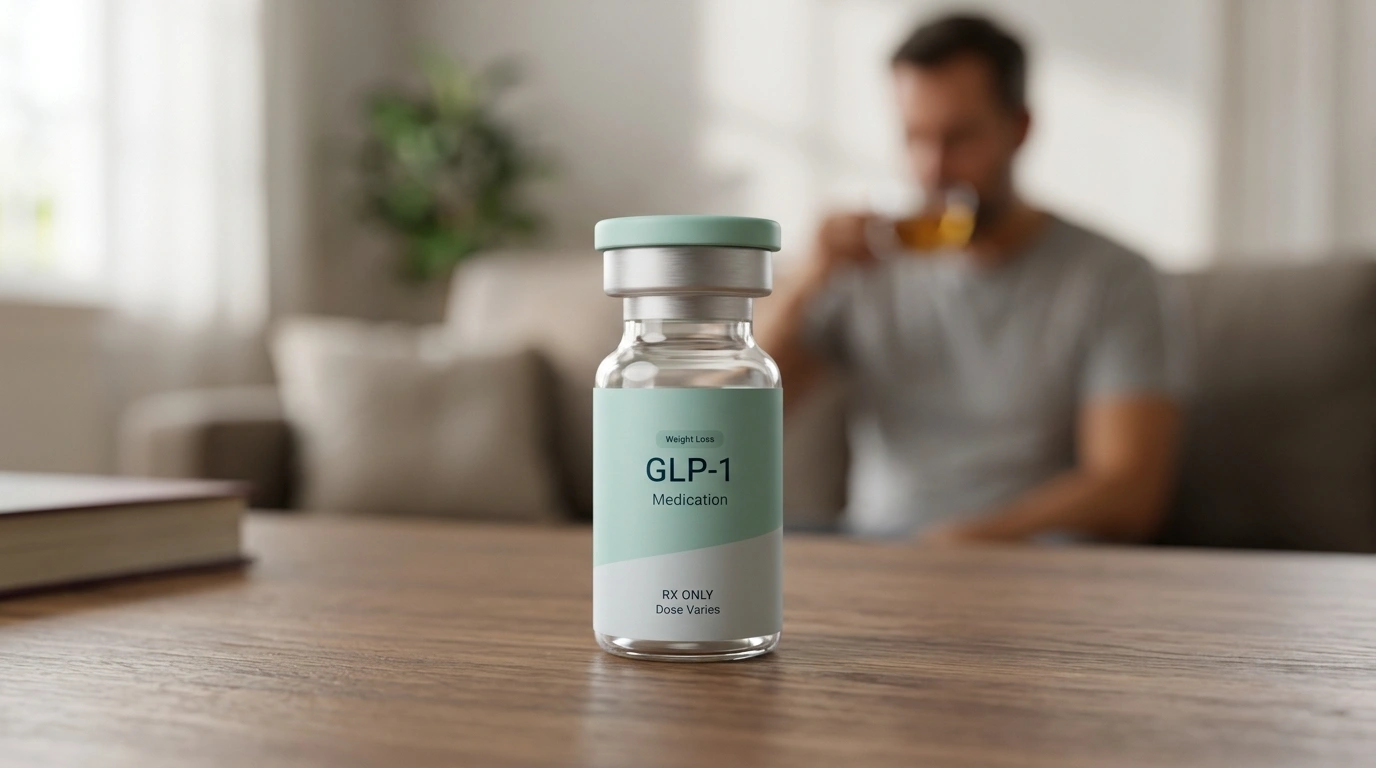
Holding a prescription pen for the first time often brings a mix of emotions. You may feel a sense of hope for your health journey, but it is also completely normal to feel a bit of hesitation or even anxiety about the actual injection. One of the most common questions we hear at TrimRx is also one of the most practical: “Where exactly do I put the shot?” Knowing the correct locations and techniques for your weekly dose of Ozempic® is about more than just convenience. It is about ensuring the medication is absorbed properly, minimizing discomfort, and protecting your skin over the long term.
This article will cover the three FDA-approved injection sites, the importance of site rotation, and the step-by-step process for a comfortable experience. Our goal is to help you move from feeling nervous to feeling confident as you navigate your personalized weight management program. If you are deciding whether prescription treatment is the right next step, you can take the free assessment quiz to see what personalized path fits your health goals.
Quick Answer: You should inject Ozempic® into the subcutaneous fat layer of the abdomen, the front of the thigh, or the back of the upper arm. It is important to stay at least two inches away from the belly button and to rotate your injection site every week to prevent skin irritation.
Choosing Your Injection Site: The Three Approved Areas
Ozempic® (semaglutide) is designed to be injected subcutaneously. This means the needle should reach the layer of fat just beneath your skin but above the muscle tissue. This fatty layer allows the medication to be absorbed slowly and steadily into your bloodstream over the course of a week.
There are three primary areas recommended for these injections. Choosing between them often comes down to personal preference, ease of reach, and how your body responds.
The Abdomen (Stomach Area)
The abdomen is the most popular choice for many people. It generally offers the largest surface area of subcutaneous fat, making it easy to find a new spot each week.
When using the abdomen, you should target the area between your ribs and your pubic bone. However, there is a critical rule to remember: stay at least two inches away from your belly button (umbilicus). The tissue directly around the navel is often tougher and may not absorb the medication as effectively. If you want a broader overview of approved locations, our Where Can I Give Myself My Ozempic Shot? Best Injection Sites guide covers the same anatomy in more depth. Avoid any areas with visible scars, stretch marks, or moles.
The Front of the Thigh
The thigh is an excellent alternative if you prefer not to inject into your stomach or if you find the abdomen more sensitive. The best location is the front or outer side of the upper leg, roughly halfway between your hip and your knee.
The thigh is often easier to see and reach while sitting down. Some individuals find that the skin on the thigh is slightly firmer, which can make the initial prick of the needle feel different than it does in the abdomen.
The Upper Arm
The back of the upper arm is the third approved site. This area is specifically the fleshy part on the back or side of the arm. Because this location can be physically difficult to reach on your own, many people only use the upper arm if they have a partner or caregiver to assist them. If you are self-injecting, you may find it challenging to maintain the correct angle and pressure in this area.
Comparing Injection Sites
| Site | Ease of Access | Best For | Considerations |
|---|---|---|---|
| Abdomen | High | Most users | Stay 2 inches from navel |
| Thigh | High | Self-administration while seated | Use front or outer thigh only |
| Upper Arm | Low | Users with assistance | Hard to reach alone |
Why Location and Technique Matter
The effectiveness of semaglutide—the active ingredient in Ozempic®—relies on consistent absorption. Semaglutide is a GLP-1 receptor agonist, which stands for glucagon-like peptide-1. This hormone mimic helps regulate your appetite and blood sugar. If the medication is injected too deeply into a muscle or too shallowly into the skin, the absorption rate may change, which could potentially impact how you feel or how well the medication works.
Subcutaneous vs. Intramuscular
Subcutaneous fat has fewer blood vessels than muscle. This is intentional. By injecting into the fat, the medication creates a small “depot” that slowly releases into the system. An intramuscular injection (into the muscle) would cause the medication to be absorbed much faster than intended, which could increase the risk of side effects like sudden nausea. The needles provided with these pens are very short—usually between 4mm and 5mm—specifically to ensure they stay in the fatty layer.
The Science of Absorption
While studies generally show that the abdomen, thigh, and arm all provide effective absorption, some individuals report anecdotal differences in side effects based on the site. Some people find that injecting in the thigh or arm helps reduce the intensity of gastrointestinal side effects compared to the abdomen. While clinical data on this specific “site-dependent side effect” theory is limited, it is a common topic of discussion among patients. If you experience significant nausea, you may want to consult your healthcare provider about trying a different approved site.
The Importance of Rotating Injection Sites
One of the most vital habits to form is site rotation. This means you should never use the exact same spot two weeks in a row. Even if you prefer the abdomen, you should move the injection to a different “quadrant” or at least one to two inches away from the previous week’s spot.
If you want a deeper dive into building a rotation routine, our How to Rotate Injection Sites for Semaglutide and Tirzepatide guide explains the process step by step.
Preventing Lipohypertrophy
If you inject into the same small area repeatedly, you may develop a condition called lipohypertrophy. This is a localized buildup of fatty tissue under the skin that can feel like a firm, rubbery lump. Not only can these lumps be uncomfortable, but they can also become “dead zones” for medication absorption. If you inject into a lump caused by lipohypertrophy, the medication may not be absorbed at all, leading to a dose that feels ineffective.
Managing Skin Sensitivity
Rotating sites also gives your skin time to heal. Even though the needle is microscopic, the process of piercing the skin and the pressure of the fluid entering the tissue causes minor stress. By moving the site, you reduce the risk of bruising, redness, and long-term scarring.
Key Takeaway: Always rotate your injection site. Whether you switch between the abdomen, thigh, and arm, or simply move to a new spot within the same area, giving the tissue a “rest” is essential for absorption and skin health.
Step-by-Step Guide to a Proper Injection
To ensure your program is as effective as possible, we recommend following a consistent routine. For a dedicated walkthrough of the process, see our How to Inject Semaglutide: A Step-by-Step Guide for Safe and Effective Use. While TrimRx provides the platform to connect with providers and receive your medication, the daily success of the treatment depends on your technique.
Step 1: Preparation
Wash your hands. Always start with clean hands to prevent any risk of infection at the injection site.
Check your medication. Look at the liquid in the pen. It should be clear and colorless. If it is cloudy, discolored, or has particles floating in it, do not use it.
Check the expiration. Ensure the pen is still within its usable date.
Step 2: Set Up the Pen
Attach the needle. Remove the paper tab from a new, sterile needle and screw it straight onto the pen. Always use a fresh needle for every dose to ensure it is sharp and sterile.
Remove the caps. There are usually two caps—an outer cap and a clear inner needle cover. Remove both.
Prime the pen (if new). If you are using a brand-new pen for the first time, you must perform a flow check (priming) to remove air bubbles. Turn the dose selector to the flow check symbol and press the button until a drop of liquid appears at the needle tip.
Step 3: Select and Clean the Site
Pick your spot. Choose an area in the abdomen, thigh, or arm.
Clean with alcohol. Use an alcohol swab to clean the skin. Allow it to air dry completely. Injecting into wet alcohol can cause a stinging sensation.
Step 4: Administer the Dose
Dial your dose. Turn the dose selector until the counter shows your prescribed dose (e.g., 0.25 mg, 0.5 mg).
Insert the needle. Hold the pen at a 90-degree angle to your skin and insert the needle. Because the needle is so short, you generally do not need to pinch the skin unless you are very thin.
Press and hold. Press the injection button all the way down. You will see the dose counter turn back to zero.
Count to six. Do not remove the needle immediately. Keep the button pressed and count slowly to six. This ensures that the full amount of medication has left the pen and entered your body.
Step 5: Post-Injection
Remove and dispose. Pull the needle straight out. Safely remove the needle from the pen and place it in a puncture-resistant “sharps” container.
Store the pen. Put the pen cap back on and store it according to instructions (usually at room temperature or in the refrigerator once opened).
Tips for a More Comfortable Experience
If you are nervous about the sensation of the shot, there are several ways to make the process almost unnoticeable.
- Temperature matters. If you store your pen in the refrigerator, the cold liquid can sometimes sting. You can let the pen sit at room temperature for about 15 to 30 minutes before your injection to make it more comfortable.
- Relax your muscles. If you are injecting into your thigh, try to sit with your leg relaxed. Tensing your muscles can make the injection feel more pressured.
- Avoid the “waistline.” Try not to inject right where the waistband of your pants or underwear sits. Friction from clothing can irritate a fresh injection site.
- Do not massage. It might be tempting to rub the area afterward, but this is usually unnecessary and can increase the risk of bruising. If you have a tiny drop of blood, simply press a cotton ball or tissue firmly against the spot for a few seconds.
Managing Potential Side Effects
While the location of the shot is important for comfort, you may still experience systemic side effects as your body adjusts to the GLP-1 medication. For a more detailed look at common issues, read our Common GLP-1 Side Effects: What to Expect guide. The most common issues include nausea, bloating, or changes in bowel habits.
In addition to site rotation, staying hydrated and eating smaller, more frequent meals can help manage these symptoms. If you want nutritional support while your appetite is lower, the GLP-1 Daily Support supplement is designed to fit alongside your day-to-day treatment plan.
If you want extra energy support while you work toward your goals, the Weight Loss Boost supplement can complement your routine. If side effects become severe or persistent, you should always consult a licensed healthcare provider to discuss a potential dose adjustment or management strategy.
Common Mistakes to Avoid
Even with a simple device, small errors can happen. Being aware of these can save you from frustration.
- Injecting through clothing. Always inject directly into clean skin. Injecting through fabric can introduce bacteria and may prevent the needle from penetrating to the correct depth.
- Reusing needles. Needles are designed for single use. Reusing them makes the tip dull and “hooked,” which causes pain and increases the risk of infection.
- Forgetting to count. If you pull the pen away as soon as you hit the button, you might see a “squirt” of medication fly through the air. This means you didn’t get your full dose. Always count to six.
- Using the “inner” thigh. Only use the front or outer part of the thigh. The inner thigh has more sensitive skin and a higher concentration of blood vessels and nerves.
Storing Your Medication Properly
Where you keep your medication is just as important as where you put the shot. Proper storage ensures the semaglutide remains stable and effective.
- Unopened pens: These should be kept in the refrigerator. Do not freeze them. If a pen accidentally freezes, it must be discarded.
- Opened pens: Once you have used a pen for the first time, it can be kept either in the refrigerator or at room temperature (up to 86°F) for up to 56 days.
- Light protection: Keep the pen cap on when you are not using it to protect the medication from light.
Accessing Treatment Through Telehealth
Modern weight loss is no longer confined to traditional clinic waiting rooms. We provide a telehealth-first platform that simplifies the process of receiving medical supervision and personalized treatment. By completing a free assessment quiz, you can be connected with a licensed provider who evaluates your health history and goals.
For a practical overview of the virtual intake process, our Telehealth Weight Loss Texas: Getting Started guide explains how the online path works.
If a GLP-1 medication is appropriate for you, we facilitate the process. This includes access to medications that are shipped from FDA-registered, inspected compounding pharmacies. Our mission at TrimRx is to provide a transparent, supportive environment where you can focus on your health rather than the logistics of the healthcare system.
Conclusion
Understanding where to put the shot for Ozempic® is a small but vital part of your larger health journey. By choosing the right site, rotating your locations, and following a clean, steady technique, you set yourself up for a more comfortable and effective experience. Remember that the abdomen, thigh, and upper arm are your three approved options, and the best site is ultimately the one that feels most comfortable for you.
At TrimRx, we are committed to being your partner in this process. We combine clinical expertise with a modern, empathetic approach to help you reach your goals sustainably. Whether you are just starting or looking to optimize your current routine, focus on consistency and listen to your body.
If you are ready to take the next step in your weight loss journey, we invite you to take our free assessment quiz to see which personalized program is right for you.
FAQ
Does it matter which injection site I choose for weight loss?
Clinical studies show that the medication is absorbed effectively in all three approved sites: the abdomen, thigh, and upper arm. While some individuals find they have fewer side effects in one spot versus another, the overall effectiveness for weight loss and blood sugar control remains consistent across these locations.
How do I know if I injected the Ozempic dose correctly?
You can be confident in your dose if the counter on the pen returns to zero and you held the needle in place while counting to six. If you do not see medication leaking out of the needle after you pull it away, the dose was successfully delivered into the subcutaneous tissue.
Can I inject Ozempic into my arm if I am alone?
It is physically possible but can be very difficult to maintain the proper 90-degree angle and press the button while holding the skin steady. For most people self-injecting, the abdomen or the thigh are much safer and easier options to ensure the medication is delivered properly.
What should I do if I see a small lump or bruise after the shot?
A small amount of bruising or a tiny, temporary lump can occur occasionally and is usually not a cause for concern. However, you should avoid injecting into that specific spot until it has completely healed, and ensure you are rotating your sites weekly to prevent more permanent fatty lumps from forming.
Disclaimer: This content is for informational purposes only and does not constitute medical advice. It is not intended to diagnose, treat, cure, or prevent any disease or condition. Individual results may vary. Always consult a qualified healthcare professional before starting any weight loss program or medication.

Transforming Lives, One Step at a Time
Keep reading
Can You Take Ibuprofen on Ozempic?
For occasional use in someone who is well hydrated and has healthy kidneys, ibuprofen is generally considered reasonable, and it is worth checking with…

Why Do I Feel Best Two Days After My Ozempic Injection?
Because you are noticing the shape of a weekly dose, and day two often sits in a useful window: the initial side effects have…

Does Pepto Bismol Help Nausea on Ozempic?
Ask your pharmacist before using it, because Pepto Bismol is not the neutral stomach remedy most people assume. Its active ingredient, bismuth subsalicylate, contains…


