Where to Inject Zepbound for Less Side Effects
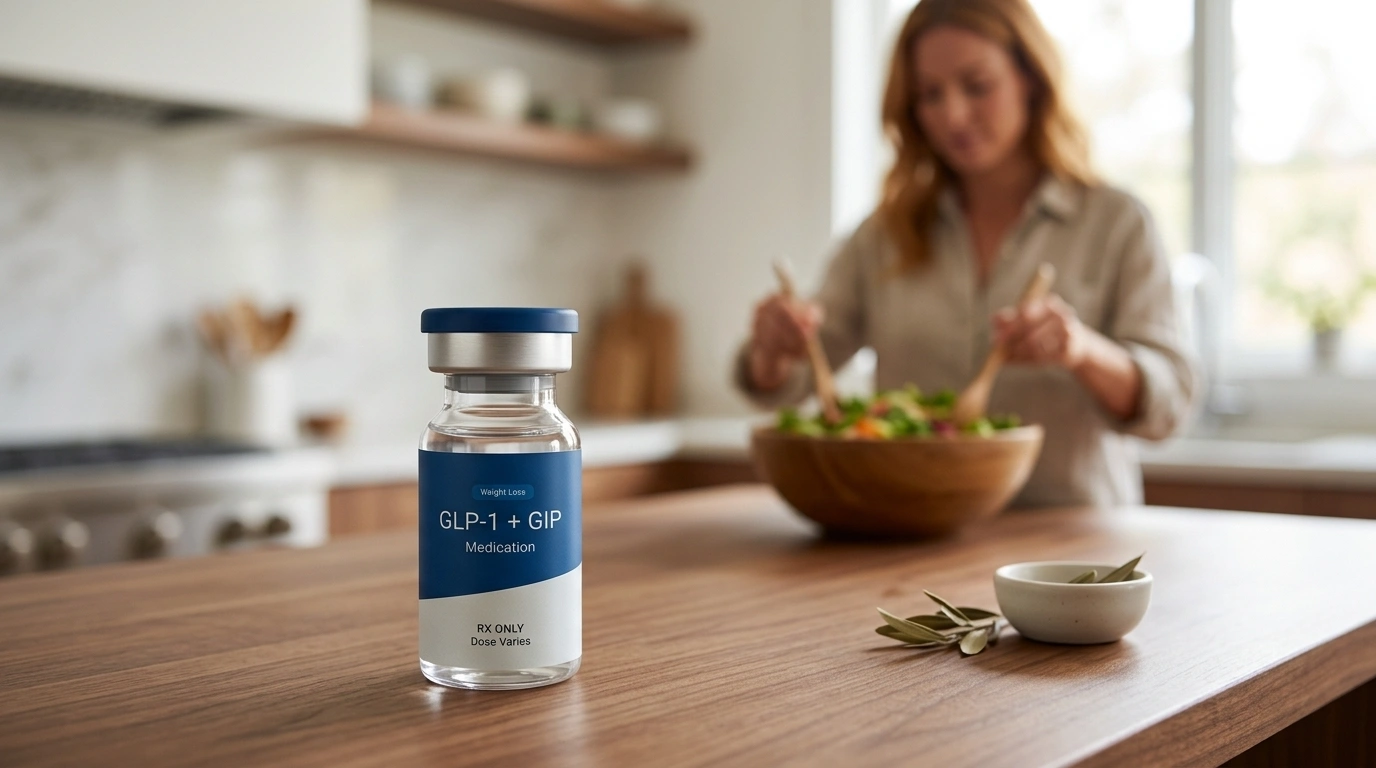
Table of Contents
- Introduction
- The Science of Zepbound and Subcutaneous Injection
- The Three Approved Injection Sites
- Comparing the Sites: What the Data Shows
- Why the Thigh May Reduce Side Effects
- Managing Common Side Effects Beyond Injection Site
- The Importance of Rotating Injection Sites
- How to Properly Inject Zepbound: A Step-by-Step Guide
- What to Do If You Experience Injection Site Reactions
- Exploring Personalized Weight Loss Programs
- Compounded Tirzepatide vs. Branded Zepbound
- When to Seek Medical Guidance
- Conclusion
- FAQ
Introduction
Starting a weight loss journey with a medication like Zepbound® can feel like a major turning point in your health. However, many individuals quickly find that the excitement of progress is sometimes met with the discomfort of side effects like nausea or digestive upset. If you are struggling with these symptoms, you might find yourself wondering if the way you administer the medication could make a difference. Specifically, you may be asking where to inject Zepbound for less side effects and whether switching your routine could help you feel better while still seeing results.
At TrimRx, we believe that understanding the nuances of your treatment is essential for long-term success. While Zepbound® is a powerful tool for weight management, the way your body absorbs it can vary slightly depending on where it is administered. In this article, we will examine the three approved injection sites, look at what the clinical data says about side effects, and provide practical tips to help you optimize your experience. Choosing the right injection site may help you find the balance between effective appetite suppression and manageable side effects. If you are considering prescription weight loss treatment, you can complete a free eligibility assessment.
The Science of Zepbound and Subcutaneous Injection
Zepbound® contains the active ingredient tirzepatide. This medication belongs to a class of drugs known as dual agonists. Specifically, it targets two different hormone receptors in the body: glucagon-like peptide-1 (GLP-1) and glucose-dependent insulinotropic polypeptide (GIP). Both GLP-1 and GIP are naturally occurring hormones that play a role in how your body processes sugar and signals fullness to the brain.
Glucagon-like peptide-1 (GLP-1) is a hormone that slows down the rate at which your stomach empties and tells your brain that you have eaten enough. Glucose-dependent insulinotropic polypeptide (GIP) also helps with insulin secretion and may provide additional support for fat metabolism. By mimicking these hormones, tirzepatide helps reduce “food noise” and supports sustainable weight loss when combined with lifestyle changes. You can also review this complete guide to GLP-1 injection sites for additional context.
Zepbound® is administered as a subcutaneous injection, which means it is injected into the fatty tissue just below the skin rather than into a muscle or vein. This method allows the medication to be absorbed slowly into the bloodstream over the course of a week. Because the medication interacts with receptors in the digestive system and the brain, the rate of absorption can influence how quickly you feel its effects—and how intensely you might experience side effects.
Quick Answer: While you can inject Zepbound® in the stomach, thigh, or back of the arm, many people find that injecting in the thigh or back of the arm leads to fewer gastrointestinal side effects compared to the stomach. However, the stomach remains the most effective site for some individuals regarding appetite suppression.
The Three Approved Injection Sites
The manufacturer of Zepbound® has approved three specific areas for injection. These areas are chosen because they contain enough subcutaneous fat to allow the medication to be absorbed properly.
The Abdomen (Stomach)
The stomach is the most common injection site for many individuals because it is easily accessible. To inject here, you should choose a spot at least two inches away from your belly button. You should avoid your waistline or any areas where clothing might rub and irritate the site. The abdomen generally has a higher concentration of blood flow in the fatty tissue, which may lead to faster absorption.
The Thigh
The thigh is another popular option, specifically the front or outer part of the upper thigh. You should avoid the inner thigh, where the skin can be more sensitive and there is less fatty tissue. Many individuals choose the thigh because it is easy to reach while sitting down and provides a sturdy surface for the injection pen. For more detail, read this guide to the best part of the thigh for a Zepbound injection.
The Back of the Upper Arm
The back of the upper arm is the third approved site. This area can be difficult to reach if you are injecting the medication yourself. For this reason, it is often recommended that you have a caregiver or a partner help you if you choose this location. The injection should be placed in the fleshier part of the tricep area, roughly halfway between the shoulder and the elbow.
Comparing the Sites: What the Data Shows
When considering where to inject Zepbound for less side effects, it is helpful to look at the limited clinical research available. While large-scale trials focused primarily on weight loss outcomes, smaller studies have specifically looked at how injection sites affect the concentration of the medication in the blood and the prevalence of side effects.
Absorption and Effectiveness
A small study conducted by Eli Lilly, the manufacturer of Zepbound®, examined how injection sites influenced the maximum concentration of the drug in the bloodstream. The study involved 54 participants and compared injections in the abdomen, thigh, and arm.
The results suggested that injecting into the abdomen led to a slightly higher peak concentration of the medication compared to the thigh or arm. Specifically, the “area under the curve” (a measure of total drug exposure) was slightly higher for abdominal injections. This means the body may take up the medication a bit more efficiently through the stomach.
Side Effect Prevalence
The same study also looked at subjective reports of side effects. Participants who injected in the abdomen reported higher rates of nausea and vomiting compared to those who used the thigh or the back of the arm.
Interestingly, the study also tracked appetite suppression. Approximately 24% of participants reported a significant decrease in appetite when injecting in the abdomen. In contrast, only about 13% reported the same level of suppression with the arm, and only 5% with the thigh.
Key Takeaway: There appears to be a trade-off between potency and comfort. The stomach may provide the strongest appetite suppression but carries a higher risk of nausea. The thigh and arm may offer a “gentler” experience but might feel slightly less effective for some people.
For a broader look at this topic, read why changing tirzepatide injection locations matters.
Why the Thigh May Reduce Side Effects
If you are experiencing significant nausea or stomach cramping, your healthcare provider might suggest moving your injection to the thigh. But why does this change make a difference?
The primary theory involves the rate of absorption. The fatty tissue in the thigh typically has slightly less blood flow than the fatty tissue in the abdomen. When you inject into the thigh, the tirzepatide may enter your system more slowly. This slower “ramp-up” can prevent the sudden spike in medication levels that often triggers the brain’s nausea center or causes the stomach to slow down too abruptly.
By smoothing out the absorption curve, you may find that your body acclimates to the dose more comfortably. This is especially relevant during “titration,” which is the process of gradually increasing your dose every four weeks. Many people find that they can tolerate a higher dose better if they switch to a thigh injection during the first week or two of a new dosage level.
Managing Common Side Effects Beyond Injection Site
While choosing the right injection site is a great strategy, it is only one part of managing the side effects of GLP-1 and GIP medications. If you are struggling with gastrointestinal issues, consider the following evidence-based strategies. You can also review this guide to tirzepatide side effects and management strategies.
Prioritize Hydration
Dehydration can worsen nausea and lead to headaches and fatigue. Because Zepbound® can reduce your thirst cues along with your hunger cues, you may need to be more intentional about drinking water. We recommend sipping water throughout the day and considering electrolyte supplements if you are losing fluids due to digestive upset.
Eat Smaller, More Frequent Meals
Because these medications slow down gastric emptying (the speed at which food leaves your stomach), eating a large meal can make you feel uncomfortably full or nauseated. Instead of three large meals, try eating five or six small snacks or “mini-meals.” This prevents your stomach from becoming overly distended.
Avoid High-Fat and Fried Foods
Fatty foods take longer to digest. When combined with a medication that already slows down digestion, high-fat meals can “sit” in the stomach for an extended period, leading to acid reflux, bloating, and nausea. Focus on lean proteins, fiber-rich vegetables, and complex carbohydrates.
Use Nutrient Support
For those looking to optimize their metabolic health while on a weight loss program, specialized supplements can be helpful. We offer options like GLP-1 Daily Support, which is designed to provide the essential nutrients your body needs during a calorie-restricted program, helping to maintain energy and muscle health.
The Importance of Rotating Injection Sites
Regardless of which area you prefer, it is critical to rotate your injection sites every week. You should not use the exact same spot two weeks in a row. For example, if you prefer abdominal injections, you might use the right side of your stomach one week and the left side the next. This guide to rotating injection sites offers additional strategies.
Why rotation matters:
- Preventing Lipohypertrophy: This is a condition where lumps of fatty tissue form under the skin due to repeated injections in the same spot. These lumps can be unsightly and, more importantly, they can interfere with how your body absorbs the medication.
- Reducing Skin Irritation: Constant piercing of the skin in the same location can lead to redness, bruising, or itching.
- Ensuring Consistent Absorption: Rotating ensures that you are always injecting into healthy, “fresh” tissue that can take up the medication effectively.
Bottom line: Rotation is not just a suggestion; it is a clinical requirement for safe and effective self-injection. Even if you find a “favorite” site that reduces side effects, move the needle at least one inch away from your previous injection spot.
How to Properly Inject Zepbound: A Step-by-Step Guide
To ensure you are getting the most out of your medication and minimizing the risk of site reactions, follow these steps for a clean and effective injection. This step-by-step GLP-1 injection guide provides additional technique tips.
Step 1: Prepare Your Supplies Wash your hands thoroughly with soap and water. Gather your Zepbound® pen, an alcohol swab, and a sharps container for disposal.
Step 2: Check the Medication Look at the liquid through the window of the pen. It should be clear and colorless to slightly yellow. If it is cloudy, contains particles, or is expired, do not use it.
Step 3: Choose and Clean Your Site Select your site (abdomen, thigh, or back of arm) based on your current side effect profile. Clean the area with an alcohol swab and let it air dry completely. Do not blow on the skin to dry it, as this can introduce bacteria.
Step 4: Unlock and Place the Pen Remove the base cap only when you are ready to inject. Place the base of the pen flat against your skin. Turn the lock ring to the “unlocked” position.
Step 5: Inject and Hold Press and hold the purple injection button. You will hear a loud click when the injection starts. Continue holding the pen firmly against your skin. You will hear a second click when the injection is complete. This usually takes up to 10 seconds.
Step 6: Confirm and Dispose Check to see that the gray plunger is visible in the window, indicating the dose was delivered. Place the used pen in a sharps container immediately.
What to Do If You Experience Injection Site Reactions
It is common to see a small drop of blood or a tiny clear liquid at the site after you remove the pen. You can gently press a cotton ball or gauze on the spot, but do not rub the area, as this can cause irritation.
If you notice a “site reaction”—such as redness, itching, or a small welt—do not panic. Most of these reactions are mild and go away within a few days. You can use a cold compress to soothe the area. However, if the redness continues to spread, becomes painful, or is accompanied by a fever, you should contact a healthcare provider immediately.
Note: If you find the cold medication causes a stinging sensation, you can leave the Zepbound® pen at room temperature for about 30 minutes before injecting. Just ensure it stays out of direct sunlight.
Exploring Personalized Weight Loss Programs
Navigating the world of GLP-1 medications can be overwhelming. At TrimRx, our goal is to simplify this process. We provide a telehealth-first platform where you can connect with licensed healthcare providers who specialize in metabolic health.
Through our platform, you can access personalized weight loss programs that may include prescriptions for compounded medications. Our partner pharmacies are FDA-registered and inspected, ensuring that the Compounded Semaglutide or Compounded Tirzepatide you receive meets high quality standards. These programs are designed to be comprehensive, including the medication, provider consultations, and ongoing support without the need for in-person visits.
Every individual has a unique health profile, which is why we start the process with a free assessment quiz. This helps our partner providers determine which treatment path is most appropriate for your specific goals and medical history. You can see if you qualify for a personalized program.
Compounded Tirzepatide vs. Branded Zepbound
While Zepbound® is a specific branded version of tirzepatide, many patients are turning to compounded versions of the medication due to availability or personal preference. It is important to understand the distinction between the two.
Zepbound® and Mounjaro® are branded medications that have received FDA approval for specific indications (weight management and Type 2 diabetes, respectively). These are manufactured by Eli Lilly and are delivered in a specific auto-injector pen.
Compounded Tirzepatide is a customized medication prepared by a licensed pharmacist in an FDA-registered compounding pharmacy. While the compounded medication itself is not “FDA-approved” in the same way a brand-name drug is, the pharmacies that produce it are subject to strict federal and state regulations. Compounded versions often come in vials and are administered using a traditional syringe, which allows for more flexible dosing if a provider determines that a “micro-dose” or a slower titration is necessary to manage side effects.
At TrimRx, we prioritize transparency. We connect you with providers who can help you weigh the pros and cons of different formats, ensuring you feel confident in the safety and efficacy of your treatment.
When to Seek Medical Guidance
While nausea and mild digestive issues are common, some side effects require immediate medical attention. It is essential to listen to your body and stay in close communication with your healthcare team.
Contact a doctor if you experience:
- Severe or persistent abdominal pain that may radiate to your back (a potential sign of pancreatitis).
- Persistent vomiting that prevents you from keeping down fluids.
- Signs of a serious allergic reaction, such as swelling of the face, tongue, or throat, or difficulty breathing.
- Significant changes in your mood or feelings of depression.
- Gallbladder problems, which may present as pain in the upper right stomach or fever.
Your health and safety are the top priorities. Never hesitate to reach out to a professional if something feels “off” during your journey.
Conclusion
Finding the right spot to inject Zepbound® can significantly impact your comfort and your ability to stick with your program. While the abdomen is often the most effective site for curbing hunger, the thigh and the back of the arm are excellent alternatives for those who find the side effects a bit too intense. By rotating your sites, staying hydrated, and using supportive nutrients, you can make your weight loss journey a more positive experience.
Our mission is to help individuals embrace healthier lifestyles through science, empathy, and a transparent, personalized approach to sustainable weight loss. We believe that medical weight loss should be accessible, understandable, and tailored to the individual.
If you are ready to take the next step in your health journey, we invite you to take our free assessment quiz to see if a personalized program is right for you. Whether you are looking for clinical support or targeted supplements like our Weight Loss Boost supplement, we are here to guide you toward lasting results.
FAQ
Can I inject Zepbound in the same spot every time?
No, you should never inject in the exact same spot two weeks in a row. Rotating your injection sites helps prevent the buildup of fatty lumps under the skin and ensures the medication is absorbed correctly. You can stay in the same general area (like the stomach) as long as you move the needle at least one inch away from the previous spot.
Is the thigh really better for nausea?
Many patients and some smaller clinical studies suggest that injecting in the thigh may reduce the intensity of nausea. This is likely because the medication is absorbed more slowly through the thigh than through the abdomen. If you are struggling with severe GI side effects, switching to the thigh is a common recommendation.
Does the back of the arm require someone else to help?
The manufacturer recommends that a caregiver or healthcare professional administer the injection if the back of the arm is used. This is because it is difficult to see the site and hold the pen at the correct 90-degree angle by yourself. If you do not have someone to assist you, the abdomen or thigh are safer choices for self-injection.
Should the medication be cold when I inject it?
Zepbound® should be stored in the refrigerator, but many people find that injecting cold medication causes a stinging sensation. You can take the pen out of the fridge and let it sit at room temperature for about 30 minutes before your injection. This does not harm the medication and can make the process much more comfortable.
Disclaimer: This content is for informational purposes only and does not constitute medical advice. It is not intended to diagnose, treat, cure, or prevent any disease or condition. Individual results may vary. Always consult a qualified healthcare professional before starting any weight loss program or medication.

Transforming Lives, One Step at a Time
Keep reading
Surfing on Zepbound: Paddling Strength, Cold Water, and Dawn Patrol
Surfing asks a lot of your body. Paddling out through broken waves takes shoulder, back, and core strength. Cold water drains energy. Dawn sessions…

Skydiving on Zepbound: Planning a Tandem Jump
For many people who have lost weight, a skydive is a goal they set years ago and finally feel ready for. Some dropzones have…
A Day at the Renaissance Faire on Zepbound
A Renaissance faire is a full day out: jousts, stage shows, artisan stalls, dusty lanes, and food built for spectacle, from giant turkey legs…


