Why Am I Gaining Weight on Mounjaro?
Introduction
Stepping on the scale only to see the numbers tick upward can be deeply discouraging, especially when you are using a powerful medication like Mounjaro®. You likely started this journey with high expectations for weight loss, and seeing an increase—or even a stubborn plateau—can feel like a personal setback. It is important to know that you are not alone in this experience, and there are often clear, scientific reasons why weight fluctuations occur during treatment. At TrimRx, we believe that understanding the physiological and lifestyle factors behind these changes is the first step toward regaining control. This post covers the common causes of weight gain while on tirzepatide, the role of dosing and nutrition, and how to navigate metabolic plateaus. Fluctuations are a natural part of the weight loss process, and identifying the root cause can help you and your healthcare provider refine your strategy for long-term success.
If you are wondering whether a prescription weight loss program may fit your health profile, you can complete a free eligibility assessment.
How Tirzepatide Works in the Body
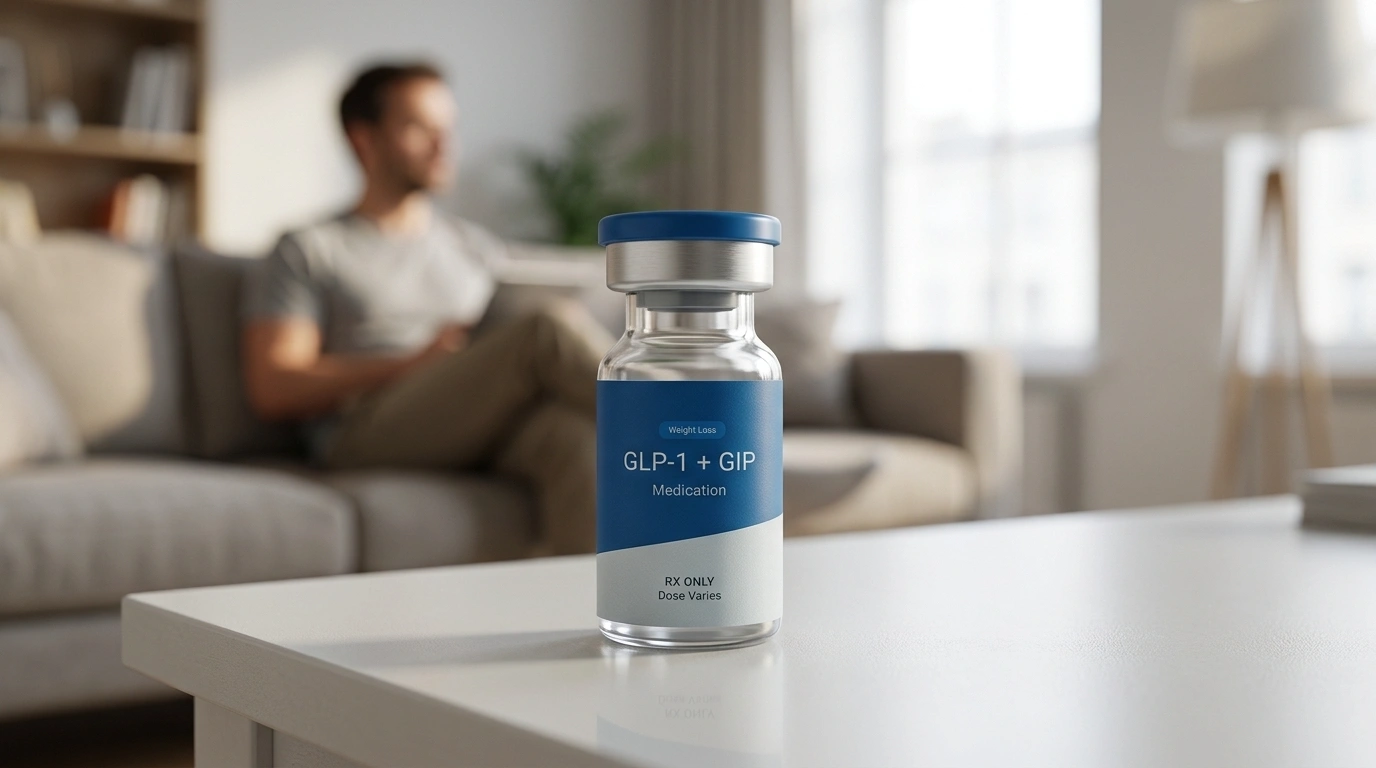
To understand why weight gain might occur, it is helpful to first look at how the medication is designed to function. Mounjaro® is a brand-name medication containing tirzepatide, which is a dual-acting receptor agonist. This means it mimics two different hormones in your body: glucagon-like peptide-1 (GLP-1) and glucose-dependent insulinotropic polypeptide (GIP).
The GLP-1 component helps regulate appetite by signaling to the brain that you are full. It also slows down gastric emptying, which is the speed at which food leaves your stomach. This helps you feel satisfied for longer periods after eating. The GIP component is thought to improve how your body breaks down sugar and fat, potentially enhancing the weight-loss effects seen with GLP-1 alone.
When these two pathways work together, they typically lead to a significant reduction in caloric intake and improvements in metabolic health. However, because the body is a complex biological system, several factors can interfere with this process. If the signals for fullness are not strong enough or if the body’s metabolic rate shifts, weight loss may stall or reverse temporarily.
The Role of Dosing and Titration
One of the most common reasons people see weight gain or a lack of progress in the early stages of treatment is related to the titration schedule. Titration is the process of slowly increasing the dose of a medication to allow your body to adjust and to minimize side effects.
For a closer look at how the starting dose and titration process work, review this tirzepatide starting dose guide.
The Loading Phase
Most patients begin on a low “loading” dose, such as 2.5 mg. This dose is primarily intended to introduce the medication to your system rather than to produce maximal weight loss. During this initial month, your appetite suppression may be inconsistent. Some individuals find that their hunger returns a few days before their next scheduled injection. If you find yourself eating more during those “gap” days, you might see the scale move up slightly before you move to a higher, more effective dose.
Finding the Therapeutic Dose
Clinical studies suggest that higher doses of tirzepatide generally lead to more significant weight reduction. If you are on a lower dose and notice weight gain, it may simply mean you have not yet reached your personal therapeutic dose—the level at which the medication’s effects are strong enough to consistently overcome your body’s hunger signals.
Key Takeaway: Weight gain on a starting dose is often a sign that the body is still adjusting and requires a higher dosage to achieve consistent appetite suppression.
Nutritional Factors and the Appetite Trap
While Mounjaro® significantly reduces hunger, it does not automatically dictate the quality of the food you consume. It is possible to “eat through” the medication if your nutritional choices are not aligned with your goals.
High-Calorie Density
Because the medication makes you feel full faster, you might naturally eat smaller portions. However, if those small portions consist of highly processed, calorie-dense foods, you may still be consuming enough energy to maintain or gain weight. For example, a small handful of nuts or a single pastry can contain as many calories as a large, balanced meal of lean protein and vegetables.
Liquid Calories
Many people overlook the impact of what they drink. Sodas, sweetened coffees, energy drinks, and alcohol can contribute hundreds of calories to your daily total without making you feel full. Because tirzepatide slows digestion, liquid calories can be particularly tricky as they pass through the system differently than solid foods, potentially leading to weight gain if consumed in excess.
The “Nausea” Diet
Some individuals experience nausea as a side effect. To cope, they may turn to “bland” foods like crackers, white bread, or pasta. These refined carbohydrates can cause spikes in blood sugar and provide very little nutritional value. Over time, relying on these low-nutrient, high-carb foods can stall weight loss or lead to weight gain, even if you are eating less overall.
For nutritional support during GLP-1 treatment, consider the GLP-1 Daily Support supplement.
Understanding Muscle Loss vs. Fat Loss
When you lose weight rapidly, your body does not just burn fat; it can also break down muscle tissue for energy. This is a critical factor in why some people see their weight loss stop or even reverse.
Muscle tissue is more metabolically active than fat tissue. This means that the more muscle you have, the more calories your body burns at rest. If you lose a significant amount of muscle while on Mounjaro®, your basal metabolic rate (BMR)—the number of calories you burn just to stay alive—will drop.
If your BMR drops significantly, you would need to eat even fewer calories just to maintain your current weight. This can create a situation where you feel like you are barely eating, yet the scale is going up. This is why we emphasize the importance of protein intake and resistance training as part of a personalized program.
Bottom line: Preserving muscle mass through adequate protein and exercise is essential for maintaining a high metabolism and preventing weight regain.
Metabolic Adaptation and Plateaus
The human body is designed for survival, and it views rapid weight loss as a potential threat. To protect you, your body may initiate a process called metabolic adaptation.
For additional guidance on common causes and practical strategies, read how to restart weight loss after a plateau.
The “Set Point” Theory
Your body often tries to maintain a “set point,” which is the weight it has held for a long period. When you drop below this weight, your brain may send signals to slow down your metabolism and increase hunger hormones. This is a common cause of a plateau. During a plateau, your weight might stay the same for weeks, or you might see small gains as your body holds onto water and energy to “defend” its previous weight.
Water Retention and Inflammation
Weight gain on the scale is not always a gain in body fat. It is very common for the scale to fluctuate by 2 to 5 pounds due to water retention. Factors that can cause your body to hold onto water include:
- High sodium intake: Eating a salty meal can cause the body to retain water for several days.
- Intense exercise: New workouts can cause micro-tears in the muscle, leading to temporary inflammation and water storage.
- Hormonal shifts: For many, monthly cycles can lead to significant temporary weight gain that is not related to fat.
Hidden Factors: Stress, Sleep, and Medications
Weight management is influenced by more than just food and medication. Your environment and other health factors play a major role in how your body responds to tirzepatide.
Cortisol and Stress
When you are under chronic stress, your body produces higher levels of cortisol. This hormone is known to promote fat storage, particularly in the abdominal area. High cortisol can also interfere with the effectiveness of GLP-1 medications by increasing cravings for high-sugar foods, making it harder for the medication to do its job.
Sleep Deprivation
Lack of sleep disrupts the hormones that regulate hunger: ghrelin (which increases hunger) and leptin (which signals fullness). Even with the help of Mounjaro®, a sleep-deprived brain is more likely to seek out quick energy from carbohydrates and sugar. Furthermore, poor sleep can lead to insulin resistance, making it easier for your body to store fat.
Interacting Medications
Some medications can cause weight gain as a side effect, potentially offsetting the benefits of your weight loss program. Common culprits include:
- Corticosteroids (like prednisone)
- Certain antidepressants or antipsychotics
- Specific beta-blockers
- Insulin or other older diabetes medications
If you have started a new medication recently, it is worth discussing with a licensed healthcare provider to see if it might be impacting your progress.
When to Consult Your Provider
If you are consistently gaining weight over a period of two to three weeks while taking Mounjaro®, it is time to have a conversation with your healthcare team. It is important to remember that the medication is a tool that works best when tailored to your specific needs.
A provider can help determine if:
- A dosage adjustment is needed: You may need to move up to the next strength to see continued results.
- There is an underlying medical issue: Conditions like hypothyroidism or PCOS can make weight loss more difficult.
- A change in medication is appropriate: While tirzepatide is highly effective, some people respond better to other GLP-1 medications.
At TrimRx, we connect you with providers who understand these nuances. Our personalized programs are designed to look at your health profile holistically, ensuring that your treatment plan is adjusted based on your real-world results.
If you want to explore whether a personalized prescription program may be appropriate, take the free assessment quiz.
Practical Steps to Get Back on Track
If you are currently experiencing weight gain, do not panic. Small adjustments can often restart your progress.
- Track your protein: Aim for a specific protein goal daily to protect your muscle mass.
- Prioritize hydration: Sometimes thirst is mistaken for hunger. Drinking enough water also helps flush out excess sodium.
- Monitor your movement: If you have become less active because of fatigue, try to incorporate short, daily walks.
- Review your snacks: Look for hidden sugars in “healthy” snacks like yogurt or protein bars.
- Evaluate your sleep: Focus on getting 7–9 hours of quality rest each night.
For additional energy support during weight loss, explore the Weight Loss Boost supplement.
Quick Answer: Weight gain on Mounjaro® is usually caused by subtherapeutic dosing, metabolic adaptation, or high-calorie nutritional choices. It can also be a result of temporary water retention or muscle loss affecting your metabolic rate.
The Role of Personalized Support
Successful weight loss is rarely a straight line. It is a journey filled with peaks and valleys. This is why a “one-size-fits-all” approach often fails. We believe that the best results come from a combination of the right medication, consistent medical oversight, and a deep understanding of your body’s unique signals.
By choosing a telehealth-based platform like TrimRx, you gain access to a dedicated team that can help you navigate these fluctuations. Whether you are using Compounded Tirzepatide or another prescribed option, having 24/7 access to specialists means you never have to guess why your progress has stalled. We provide the tools, including lab work and doctor consultations, to ensure your program is as dynamic as your health needs.
Summary of Potential Causes
| Factor | Description | Potential Solution |
|---|---|---|
| Titration | Starting dose is too low to suppress appetite. | Discuss a dose increase with your provider. |
| Muscle Loss | Losing muscle slows down your metabolism. | Increase protein and add resistance training. |
| Hidden Calories | Small, dense foods or liquids add up. | Keep a food diary to identify calorie “leaks.” |
| Water Weight | Inflammation or sodium causing retention. | Increase water intake and reduce salt. |
| Metabolic Adaptation | The body’s “survival mode” slowing progress. | Focus on consistency and wait for the plateau to break. |
Conclusion
Gaining weight while on a medication like Mounjaro® can be frustrating, but it is rarely a sign that the medication has “stopped working.” Often, it is a signal from your body that an adjustment is needed—whether that is a higher dose, a shift in your nutritional focus, or a better sleep routine. Weight loss is a complex physiological process that involves hormones, metabolism, and lifestyle. Our mission is to help you navigate these complexities with science-backed guidance and empathetic support. By focusing on a personalized, transparent approach, we aim to help you achieve sustainable health improvements that go beyond just the number on the scale. If you are ready to refine your strategy and get back on track, starting with a professional assessment can provide the clarity you need.
Key Takeaway: Don’t let a temporary increase on the scale derail your long-term goals; use it as data to refine your personalized weight loss plan with your healthcare team.
FAQ
Is it normal to gain weight during the first month of Mounjaro®?
Yes, many people experience slight weight gain or no weight loss during the first month because the initial 2.5 mg dose is intended to help the body adjust to the medication. It is not always high enough to significantly suppress appetite or change metabolic function. Once you move to higher doses, weight loss typically becomes more consistent.
For more detail about the early treatment period, review this tirzepatide dosing and titration guide.
Can eating too little cause weight gain on tirzepatide?
While it sounds counterintuitive, eating too little can cause the body to enter a “starvation mode” where it slows down the metabolism to conserve energy. This can lead to muscle loss, which further lowers your metabolic rate and can make it easier to gain weight or hit a plateau. It is important to eat enough nutrients, especially protein, to keep your metabolism functioning properly.
How do I know if I’m gaining fat or just water weight?
Fat gain usually happens gradually over weeks of consuming excess calories, whereas water weight gain can happen overnight and fluctuate by several pounds. If you notice swelling in your hands or feet, or if you recently ate a high-sodium meal, the weight gain is likely water. Tracking your body measurements and how your clothes fit can often be a more accurate measure of progress than the scale alone.
When should I ask my doctor to increase my dose?
You should typically follow the titration schedule provided by your healthcare professional, which usually involves staying on a dose for at least four weeks. If you find that your appetite has fully returned or your weight has stalled for several weeks at your current dose, it is a good time to consult your provider about moving to the next strength.
If you are ready to discuss whether a prescription program fits your needs, complete a free assessment.
Disclaimer: This content is for informational purposes only and does not constitute medical advice. It is not intended to diagnose, treat, cure, or prevent any disease or condition. Individual results may vary. Always consult a qualified healthcare professional before starting any weight loss program or medication.

Transforming Lives, One Step at a Time
Keep reading

Mounjaro Alternatives: What Else to Consider
If Mounjaro isn’t the right fit, the closest alternatives are other GLP-1 medications, chiefly semaglutide (Ozempic for diabetes, Wegovy for weight), along with a…

Mounjaro vs Zepbound: Same Drug, Two Brands
Like their semaglutide counterparts, Mounjaro and Zepbound are the same medication (tirzepatide) sold under two names for two purposes: Mounjaro is approved for type…

Retatrutide vs Mounjaro: Triple Agonist vs Dual Agonist
The core difference between retatrutide and Mounjaro comes down to how many hormone targets each hits: retatrutide activates three receptors, while Mounjaro (tirzepatide) activates…


