Why Did My Semaglutide Injection Site Bruise?

Introduction
Finding a small blue or purple mark at your injection site can be a bit startling, especially if you are new to self-administered medications. You might worry that you did something wrong or that the medication is reacting poorly with your body. At TrimRx, we believe that understanding the “why” behind these small physical changes is the first step toward a more confident and comfortable weight loss journey. While bruising is not the most common side effect of GLP-1 medications, it is a frequent concern for many individuals starting their treatment. This post covers the anatomical reasons for bruising, how your technique plays a role, and practical steps you can take to minimize skin irritation. By refining your approach, you can focus less on the needle and more on your long-term health goals.
If you are still considering whether a prescription GLP-1 program is right for you, you can complete a free eligibility assessment.
The Anatomy of a Subcutaneous Injection
To understand why a bruise forms, it helps to know where the medication is actually going. Semaglutide is a GLP-1 receptor agonist. This is a type of medication that mimics the glucagon-like peptide-1 hormone, which helps regulate appetite and blood sugar. These medications are typically administered as a subcutaneous injection. This means the needle is designed to reach the fatty tissue layer just beneath the skin but above the muscle.
For a broader overview of how injection locations work, review this guide to GLP-1 injection sites.
The subcutaneous layer is filled with tiny blood vessels called capillaries. These vessels are responsible for delivering nutrients to the skin and fat cells. Because they are so small and numerous, it is occasionally possible for the needle to nick one. When a capillary is punctured, a small amount of blood leaks into the surrounding tissue. This trapped blood is what we see on the surface as a bruise.
Quick Answer: Bruising occurs when the injection needle accidentally punctures a tiny blood vessel (capillary) in the fatty tissue under your skin. This causes a small amount of internal bleeding that appears as a bruise on the surface.
Why Your Injection Technique Matters
Most instances of bruising are related to how the medication is administered rather than the medication itself. Even if you have been following your program for several weeks, small habits can develop that increase the likelihood of skin trauma.
For additional guidance on injection preparation and administration, see these step-by-step semaglutide injection instructions.
Applying Excessive Pressure
One of the most common reasons for bruising is pressing the injector pen or syringe too firmly against the skin. When you push hard, you compress the tissue and the blood vessels within it. This makes it much easier for the needle to cause damage upon entry. You only need enough pressure to keep the needle steady while the dose is delivered.
The Angle of Entry
Proper technique usually requires a 90-degree angle for most body types. If the needle enters at a shallow or awkward angle, it may travel further through the skin layers before reaching the fat. This increased travel distance creates more opportunities to encounter a capillary. Keeping the needle straight and steady is key to a clean injection.
You can also review this explanation of whether to pinch the skin during semaglutide injections if you are unsure how your device and injection site affect technique.
Lack of Site Rotation
If you prefer one specific spot on your stomach because it feels less sensitive, you might be tempting fate. Injecting into the exact same square inch of skin every week can lead to lipohypertrophy. This is a localized buildup of fatty tissue that can become tough or lumpy. Not only does this make the area more prone to bruising, but it can also interfere with how the medication is absorbed.
External Factors That Increase Bruising Risk
Sometimes, the cause of a bruise has nothing to do with the needle or the medication. Your internal chemistry and other daily habits can make your skin more “reactive” to minor punctures.
Use of Blood Thinners
Certain medications and supplements can make your blood less likely to clot quickly. If your blood is thinner, even a tiny nick to a capillary will result in a larger bruise. Common culprits include:
- Prescription anticoagulants or antiplatelet drugs.
- Over-the-counter NSAIDs like ibuprofen or aspirin.
- Supplements such as Vitamin E, garlic extract, or ginkgo biloba.
If you regularly take these, you might notice more frequent bruising than the average person. It is always best to discuss your full list of medications and supplements with a licensed healthcare provider to understand your specific risks.
For more context on bleeding after an injection, read what to do if a semaglutide injection site bleeds.
Skin Sensitivity and Age
As we age, our skin naturally becomes thinner and the protective fatty layer beneath it can diminish. This makes the underlying blood vessels more vulnerable to even the slightest pressure. Additionally, some people simply have more fragile capillary walls due to genetics, which can lead to “easy bruising.”
Branded vs. Compounded Medications
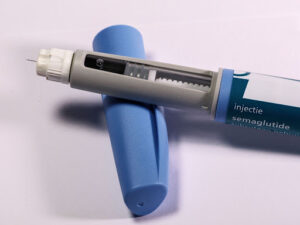
When discussing semaglutide, it is important to distinguish between the various forms available. Ozempic® and Wegovy® are branded versions of semaglutide that are FDA-approved for specific uses like Type 2 diabetes and chronic weight management. These medications are typically provided in pre-filled pens with fixed needles.
On the other hand, many individuals use Compounded Semaglutide. Compounded medications are prepared by pharmacists to meet specific patient needs and are often used when branded versions are in short supply. While Compounded Semaglutide is not FDA-approved, we ensure it is sourced from FDA-registered and inspected compounding pharmacies.
The method of delivery—whether a branded pen or a traditional syringe used with compounded medication—can influence your bruising risk. Syringes allow for more control over the needle gauge (thickness), but they also require a steadier hand. Regardless of the format, the underlying principle remains the same: protecting the subcutaneous tissue is the priority.
Key Takeaway: Bruising is almost always a result of physical trauma to tiny blood vessels and is rarely a sign of a “bad batch” of medication or a systemic allergic reaction.
If you are exploring whether prescription treatment may be appropriate for you, take the free assessment quiz.
How to Prevent Injection Site Bruising
The good news is that bruising is largely preventable with a few adjustments to your routine. Following a consistent, gentle process can make your weekly dose much more comfortable.
Step 1: Prepare the Site Correctly
Clean the area with an alcohol swab and let it dry completely. Injecting through wet alcohol can cause a stinging sensation and may irritate the skin. Choose an area with plenty of subcutaneous fat, such as the abdomen (at least two inches away from the belly button), the front of the thigh, or the back of the upper arm.
For more detail about location and rotation, see this guide to the best places to inject semaglutide.
Step 2: Use the “Clock” Method for Rotation
To ensure you aren’t hitting the same spot twice, visualize a clock face on your abdomen. For your first week, inject at “12 o’clock.” The next week, move to “2 o’clock,” and so on. This gives each site nearly three months to fully heal before you return to it.
Step 3: Check the Temperature
Injecting cold medication straight from the refrigerator can be more painful and may cause the tissue to contract, increasing the risk of a bruise. Many providers recommend letting the dose sit at room temperature for about 15 to 30 minutes before administration. Always check the specific storage instructions for your medication to ensure this is safe.
Step 4: Apply Gentle Pressure, Not Friction
After the injection is complete, you may see a tiny drop of blood or clear liquid. Use a clean cotton ball or gauze to apply very light pressure for about 10 seconds. Important: Do not rub or massage the area. Rubbing can spread any leaked blood under the skin, making a tiny bruise look much larger.
Step 5: Use Cold as a Tool
If you are particularly prone to bruising, try holding a cold compress to the site for a minute or two before you inject. This can help constrict the blood vessels, making them “smaller targets.” Applying cold afterward can also reduce inflammation.
When to Contact Your Healthcare Provider
While a small bruise is usually nothing to worry about, there are times when your skin is trying to tell you something more important. You should reach out to a professional if you experience any of the following:
- Signs of Infection: If the site becomes increasingly painful, hot to the touch, or if you see pus or spreading redness.
- Hard Lumps (Nodules): While rare, some patients develop hard, itchy lumps that don’t go away after a few days. These can sometimes indicate a localized reaction that requires a change in medication or technique.
- Widespread Bruising: If you are noticing large bruises in areas where you did not inject, this could indicate an underlying issue with blood clotting that needs immediate investigation.
- Allergic Reactions: Hives, severe itching, or difficulty breathing are emergencies. While a bruise is a local physical reaction, an allergy is a systemic immune response.
Bottom line: Most injection site bruises heal on their own within a few days and do not require medical intervention, but persistent pain or signs of infection should always be evaluated by a professional.
Beyond Bruising: Common GLP-1 Side Effects
It is helpful to keep bruising in perspective by comparing it to other common experiences. Most people using semaglutide find that gastrointestinal issues are more prevalent than skin reactions.
Nausea is the most frequently reported side effect, often occurring as the body adjusts to the medication. Other common experiences include:
- Mild stomach discomfort or bloating.
- Changes in bowel habits (constipation or diarrhea).
- Occasional fatigue.
Many of these symptoms, including injection site sensitivity, tend to diminish as you become more accustomed to the treatment. This is where a personalized program becomes invaluable. By working with a dedicated team, you can adjust your titration schedule or receive guidance on managing these minor hurdles without derailing your progress.
The TrimRx Difference in Personalized Care
We understand that the transition to using GLP-1 medications involves a learning curve. It isn’t just about the medication; it’s about the support system that helps you navigate every small concern, from a minor bruise to a plateau in your progress.
Our approach at TrimRx centers on the belief that weight loss is a clinical journey that requires empathy and constant accessibility. We provide 24/7 access to specialists who can answer your questions about injection technique, side effects, and lifestyle adjustments. By offering a telehealth-first model, we remove the barriers of waiting rooms and in-person visits, allowing you to focus entirely on your health.
Our mission is to help you build a sustainable lifestyle backed by modern science. Whether you are curious about the potential of Compounded Tirzepatide or need help optimizing your current semaglutide routine, we are here to ensure you feel supported at every step.
Conclusion
Bruising at your semaglutide injection site is usually a minor, temporary issue caused by the physical process of the injection. By refining your technique—focusing on rotation, gentle pressure, and proper temperature—you can significantly reduce the chances of skin irritation. Remember that these small marks are just a minor part of a much larger, positive transformation in your metabolic health.
If you are ready to take the next step toward a healthier version of yourself, our personalized programs are designed to meet you exactly where you are. We combine medical expertise with a convenient, online-first approach to help you achieve lasting results.
Take the first step today by completing our free assessment quiz to see if a personalized weight loss program is right for you.
FAQ
Is it normal to have a small lump along with a bruise?
A small, temporary lump can occur if the medication was injected very close to the surface of the skin or if there is minor swelling from a punctured capillary. These typically resolve within 24 to 48 hours. If the lump is hard, painful, or persists for more than a week, you should consult your healthcare provider to rule out lipohypertrophy or a localized reaction.
Does the dose of semaglutide affect how much I bruise?
In most cases, the volume of the liquid and the needle size have a greater impact on bruising than the actual dosage of the medication. However, as you move to higher doses, the volume of the injection may increase slightly depending on the concentration, which can occasionally put more pressure on the tissue. Following proper injection techniques becomes even more important as your dosage increases.
Should I stop my injections if I see a bruise?
Generally, a single bruise is not a reason to stop your medication. Most bruises are harmless and will fade within a few days, similar to a bruise you might get from bumping into a table. You should continue with your schedule but ensure you choose a completely different injection site for your next dose to allow the current area to heal fully.
Can I inject into my arm to avoid stomach bruising?
Yes, the back of the upper arm is one of the three recommended sites for subcutaneous injections, along with the abdomen and the front of the thigh. Some people find that certain areas are less prone to bruising for them personally based on their body composition. If you choose the arm, it is often easier to have someone else assist you to ensure the needle enters at the correct 90-degree angle.
For more guidance on injection locations and technique, review this semaglutide injection site guide.
Disclaimer: This content is for informational purposes only and does not constitute medical advice. It is not intended to diagnose, treat, cure, or prevent any disease or condition. Individual results may vary. Always consult a qualified healthcare professional before starting any weight loss program or medication.

Transforming Lives, One Step at a Time
Keep reading
Semaglutide vs Tirzepatide: Comparing Weight Loss, Blood Sugar, and Side Effects
Semaglutide and Tirzepatide are one of the most common comparisons in medical weight loss. The two medications share a clear family resemblance. Both are…

How Much Weight Can You Lose on Semaglutide?
How much weight can you lose on semaglutide? The answer varies depending on your starting weight, dosage, treatment duration, and individual response to the…

Hair Shedding Months Into Semaglutide
It shows up in the shower drain first, then on the pillow, then in the brush. By the time most people search this, they…


