Why Is Semaglutide Compounded With B12?
Introduction
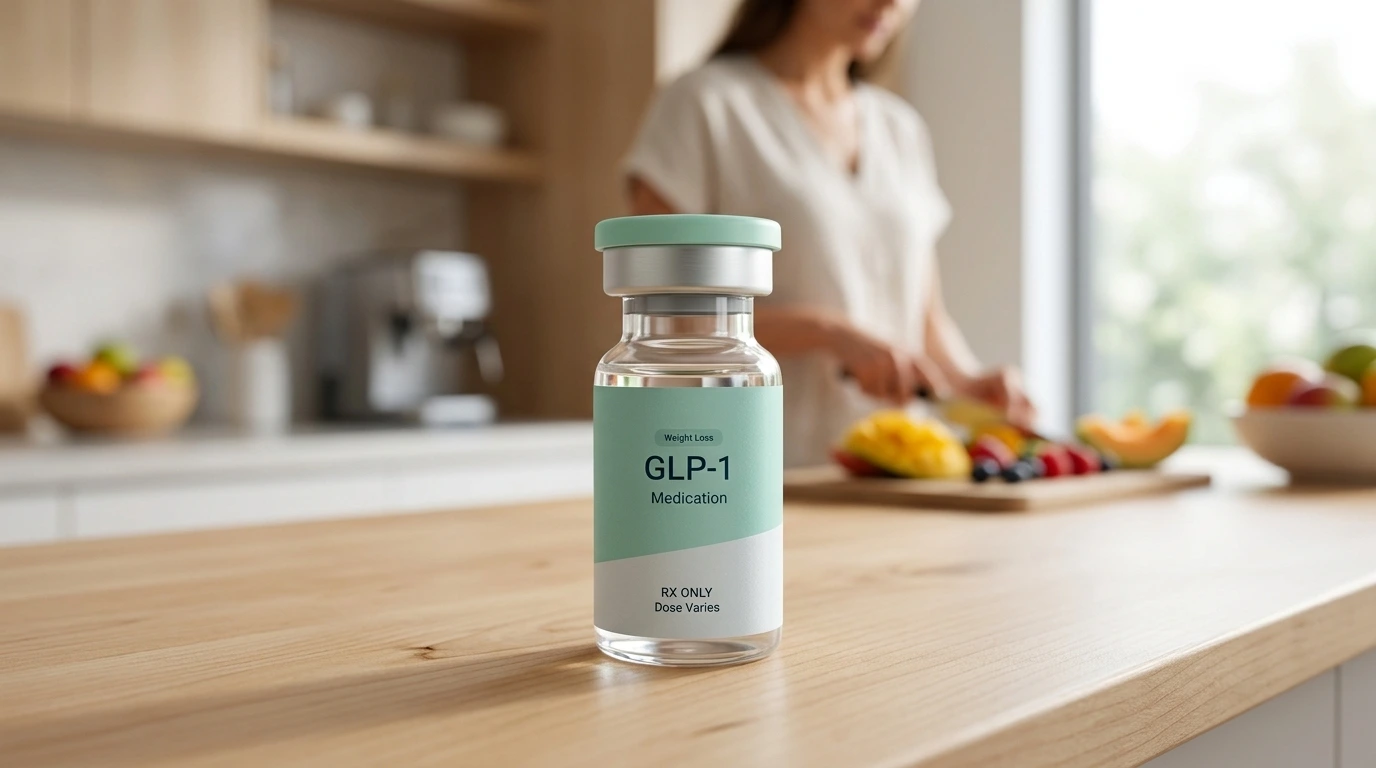
Starting a medical weight loss journey is often accompanied by a mix of hope and hesitation. While many people have heard about the impressive results of GLP-1 medications, concerns about common side effects like nausea and fatigue frequently surface. If you have been researching these treatments, you may have noticed that many formulations include an additional ingredient: Vitamin B12. This combination is not accidental; it is a clinical strategy designed to enhance the patient experience by addressing the specific challenges of metabolic adjustment. At TrimRx, we believe that understanding what goes into your treatment is the first step toward a successful and sustainable health transformation. This article explores why these two components are frequently paired together, how they interact within the body, and what you can expect when starting a personalized program. By the end, you will understand how this combination supports your body’s transition into a more efficient metabolic state.
Understanding the Role of Semaglutide
Semaglutide belongs to a class of medications known as glucagon-like peptide-1 (GLP-1) receptor agonists. To understand how it works, it is helpful to think of it as a messenger that communicates with both the brain and the digestive system. Naturally occurring GLP-1 is a hormone produced in the gut that signals the body to release insulin, slow down stomach emptying, and tell the brain that you are full. However, natural GLP-1 only lasts for a few minutes in the bloodstream. Semaglutide is a modified version of this hormone that is designed to last much longer, typically allowing for once-weekly administration. For a deeper explanation, read our guide to how semaglutide works for weight loss.
When a person uses semaglutide, the medication helps regulate appetite by targeting the brain’s reward centers. For many individuals struggling with weight, the “food noise”—those constant, intrusive thoughts about the next meal—can be overwhelming. Semaglutide helps quiet this noise, making it easier to stick to a reduced-calorie diet without feeling deprived. Additionally, by slowing gastric emptying, the medication keeps food in the stomach longer, which helps prolong the feeling of fullness after eating a small portion.
Beyond appetite suppression, semaglutide plays a vital role in glucose metabolism. It encourages the pancreas to release the right amount of insulin when blood sugar levels are high and helps prevent the liver from making too much sugar. This systemic approach is why the medication has become a cornerstone of modern metabolic health. However, as the body adjusts to these significant hormonal signals, some people experience temporary discomfort, which is where the addition of Vitamin B12 becomes relevant.
Key Takeaway: Semaglutide mimics a natural hormone to reduce hunger, quiet food cravings, and improve insulin response, creating a foundation for sustainable weight loss.
The Vital Function of Vitamin B12
Vitamin B12, also known as cobalamin, is an essential nutrient that the body cannot produce on its own. It must be obtained through diet or supplementation. It is a water-soluble vitamin that plays a critical role in several foundational bodily processes, including red blood cell formation, neurological function, and DNA synthesis. Perhaps most importantly for those on a weight loss journey, B12 is a key player in energy metabolism. It helps convert the fats and proteins we eat into usable energy for our cells. For more information, explore what to know about vitamin B12 and GLP-1 medications.
Many adults in the United States have suboptimal levels of Vitamin B12 without realizing it. This deficiency can lead to feelings of sluggishness, brain fog, and physical weakness. When a person begins a weight loss program that involves a significant reduction in calories, their intake of essential nutrients can sometimes dip. Ensuring adequate B12 levels becomes even more important during this time to maintain physical activity levels and cognitive clarity.
There are different forms of Vitamin B12 used in medical settings, such as cyanocobalamin and methylcobalamin. Methylcobalamin is the naturally occurring form and is often preferred in high-quality compounded preparations because it is highly bioavailable, meaning the body can use it more readily. When Vitamin B12 is included in a treatment plan, it serves as a supportive pillar, ensuring that as the body sheds weight, it retains the energy necessary to function at its best.
Why the Two Are Compounded Together
The primary reason semaglutide is compounded with B12 is to mitigate the common side effects associated with GLP-1 medications. While semaglutide is highly effective, the most frequently reported side effects include nausea, dizziness, and fatigue. These symptoms often occur during the first few weeks of treatment or when the dosage is increased. Clinical experience has shown that Vitamin B12 can help take the “edge” off these symptoms, making the transition much smoother for the patient. You can also review our guide to common semaglutide shot side effects.
Nausea management is a major factor in the popularity of this combination. B12 has long been used in various medical contexts to help settle the stomach and reduce feelings of queasiness. For a patient starting a weight loss program, feeling constantly nauseated can lead to a loss of motivation or even discontinuation of the treatment. By including B12 in the formulation, healthcare providers aim to improve patient adherence, ensuring that individuals can stay on their medication long enough to see meaningful results.
Combating “GLP-1 fatigue” is another significant benefit of the B12 combination. As the body adapts to a lower calorie intake and the metabolic changes triggered by the medication, many people report a temporary drop in energy. This can feel like a “wall” that prevents them from exercising or staying productive. B12 supports the nervous system and red blood cell production, which helps deliver oxygen throughout the body and keeps energy levels stable.
Compounding also allows for a more personalized approach to medication. When pharmacies prepare compounded semaglutide, they are creating a medication specifically for an individual based on a provider’s prescription. This process occurs in FDA-registered, inspected compounding pharmacies. Adding B12 allows the provider to offer a “dual-action” treatment that addresses both the primary goal of weight loss and the secondary goal of maintaining well-being during the process.
Bottom line: Compounding semaglutide with B12 is a proactive approach to patient care, designed to reduce nausea and boost energy so that the weight loss process feels more manageable and less disruptive to daily life.
The Benefits of a Personalized Program
Individualized care is at the heart of our philosophy at TrimRx. Every person’s metabolic profile is unique, meaning their response to medication will be unique as well. A one-size-fits-all approach often ignores the nuances of how a person feels on a day-to-day basis. By utilizing telehealth to connect patients with licensed providers, we ensure that every treatment plan is grounded in a thorough understanding of the individual’s health history and goals.
A personalized program means your dosage is monitored and adjusted based on your specific needs. Some individuals may require a slower titration—the process of gradually increasing the dose—to avoid side effects, while others may progress more quickly. Having 24/7 access to a dedicated team of specialists means that if you do experience discomfort, you have a professional ready to guide you through it, whether that involves adjusting your protocol or offering lifestyle tips.
Our streamlined process removes the traditional barriers to high-quality care. There is no need for long waits in a doctor’s office or trips to the pharmacy. Everything is handled online, from the initial assessment quiz to the delivery of your medication. This level of convenience allows you to focus entirely on your health.
Managing Common Side Effects
While the addition of B12 helps, it is important to have a strategy for managing side effects if they occur. Most side effects are gastrointestinal in nature because GLP-1 receptors are highly concentrated in the gut. In addition to nausea, some people may experience constipation or diarrhea. These are usually mild to moderate and tend to subside as the body becomes accustomed to the medication.
Hydration is the most effective tool in your side-effect management toolkit. GLP-1 medications can sometimes decrease your thirst drive along with your hunger drive. Drinking plenty of water helps move food through the digestive tract and can significantly reduce feelings of nausea and dizziness. Many patients find that sipping water throughout the day, rather than drinking large amounts at once, is most helpful.
Eating smaller, more frequent meals can also alleviate digestive discomfort. Since the medication slows down how fast your stomach empties, eating a large, heavy meal can lead to feelings of extreme fullness or “heartburn.” Opting for lean proteins and fiber-rich vegetables in smaller portions helps your body process nutrients more efficiently.
Quick Answer: Compounding B12 with semaglutide helps reduce the common side effects of nausea and fatigue, making it easier for patients to stick to their weight loss plan and maintain energy levels throughout the day.
Comparing Formulations: Branded vs. Compounded
It is important to understand the landscape of available GLP-1 medications. Branded medications like Ozempic® and Wegovy® are FDA-approved for specific uses, such as type 2 diabetes and chronic weight management. These medications are manufactured in fixed doses by large pharmaceutical companies. While highly effective, they are sometimes subject to supply shortages, which can make it difficult for patients to maintain a consistent treatment schedule.
Compounded semaglutide offers an alternative pathway for access. These preparations are created by licensed pharmacists in FDA-registered facilities. It is crucial to note that compounded medications themselves are not FDA-approved in the same way branded drugs are, but the facilities that make them are subject to strict regulatory oversight. Compounding allows for more flexibility, such as the inclusion of Vitamin B12, which is not found in the standard branded versions. Read our overview of what compounded semaglutide means.
| Feature | Branded GLP-1s (e.g., Wegovy®) | Compounded Semaglutide + B12 |
|---|---|---|
| FDA Status | FDA-Approved | Not FDA-Approved (Pharmacy-prepared) |
| Ingredients | Semaglutide only | Semaglutide + B12 (and others) |
| Availability | May face supply shortages | Often more readily available |
| Customization | Standard doses | Customizable dosing based on provider |
| Sourcing | Commercial Pharmacies | FDA-registered Compounding Pharmacies |
The choice between branded and compounded options often depends on a patient’s specific needs and the guidance of their healthcare provider. For those who struggle with fatigue or have had bad experiences with nausea in the past, the compounded B12 version is often a preferred choice. At TrimRx, we focus on connecting you with the option that best fits your health profile and helps you stay consistent with your goals.
The Science of Metabolic Support
Weight loss is not just about eating less; it is about changing how your body processes energy. When you are in a calorie deficit, your body may try to protect its fat stores by slowing down your metabolism. This is a survival mechanism, but it can make weight loss feel like an uphill battle. GLP-1 medications help bypass this “plateau” by improving how the body handles insulin and sugar.
Vitamin B12 supports this metabolic shift by aiding in the breakdown of fatty acids. When your body starts to burn fat for fuel, the chemical processes involved require several cofactors, and B12 is one of the most important. By ensuring your cells have enough of this vitamin, you are essentially “greasing the wheels” of your metabolic machinery. This is why many people report feeling a more sustained sense of well-being when using the combination versus semaglutide alone.
Furthermore, B12 is essential for maintaining the myelin sheath that protects your nerves. This is important because the nervous system is the primary communication highway for the signals sent by GLP-1 medications. A healthy nervous system means your body can more accurately interpret the “I’m full” signals, leading to better appetite control and a more intuitive relationship with food.
Nutrient Support Beyond the Injection
While medication is a powerful tool, it works best when supported by a foundation of good nutrition. Even with the help of B12, some individuals find that they need additional support to fill nutritional gaps. This is especially true for those who find their appetite significantly reduced. When you are eating less, every bite needs to count.
We often recommend focusing on high-density nutrients to maximize your results. This includes lean proteins like chicken, fish, or tofu, which help preserve muscle mass while you lose fat. Fiber is also essential for keeping the digestive system moving, especially since GLP-1s slow down the process.
In some cases, targeted supplements can provide an extra layer of support. For instance, our GLP-1 Daily Support supplement or Weight Loss Boost supplement are designed to complement the work of your medication. These can help ensure you are getting the micronutrients necessary to keep your hair, skin, and nails healthy and your energy levels high during your transformation.
Note: Always consult with your healthcare provider before adding new supplements to your routine, as they can interact with your medication or existing health conditions.
How to Get Started with a Personalized Program
Taking the first step toward weight loss can feel overwhelming, but we have designed our process to be as simple and supportive as possible. The journey begins with a free assessment that looks at your health history, your current BMI, and your goals. This information is then reviewed by a licensed medical provider to determine if a GLP-1 medication is the right fit for you.
The onboarding process follows a clear set of steps to ensure your safety and success.
- Step 1: Complete the Assessment Quiz. This takes only a few minutes and provides the clinical team with the data they need to evaluate your eligibility.
- Step 2: Connect with a Provider. A licensed healthcare professional will review your information and, if appropriate, write a prescription tailored to your needs.
- Step 3: Medication Processing. Your prescription is sent to one of our partner FDA-registered compounding pharmacies, where it is prepared with high standards of quality and precision.
- Step 4: Fast Delivery. Your medication is shipped directly to your door in discreet packaging, with all necessary supplies and clear instructions included.
- Step 5: Ongoing Support. Once you begin, you have 24/7 access to our team to ask questions, report side effects, or adjust your plan as you progress.
This telehealth-first model means you can manage your health from the comfort of your home. To find out whether a prescription program may be appropriate for you, complete a free eligibility assessment.
Safety and Quality in Compounding
Safety is the most common concern when discussing compounded medications. It is vital to understand that while a compounded medication is not “FDA-approved,” the components and the facilities themselves are heavily regulated. The compounding pharmacies we work with must adhere to strict guidelines regarding the purity and potency of their ingredients.
Every batch of medication undergoes rigorous testing. This ensures that the concentration of semaglutide and B12 is exactly what the provider ordered. These pharmacies are inspected by state boards of pharmacy and often follow the same high standards (USP 797 and USP 800) as those used in hospitals. This level of oversight is what allows us to offer these personalized programs with confidence. For additional context, review what to know about compounding pharmacy semaglutide.
When you use a program like ours, you are not just getting a vial of medication; you are getting a medically supervised experience. Your provider will screen for any potential contraindications—reasons why the medication might not be safe for you—such as a personal or family history of specific types of thyroid cancer or pancreatitis. This screening is a non-negotiable part of our commitment to your well-being.
Myth: Compounded medications are “fake” or “knock-off” versions of branded drugs. Fact: Compounded medications are legally prescribed treatments prepared by licensed pharmacists to meet the specific needs of an individual patient, often including helpful additives like B12 that are not in the branded version.
The Emotional Side of Weight Loss
Weight management is often just as much a mental and emotional challenge as a physical one. Many of our patients come to us after years of trying diets that didn’t work, feeling as though they have “failed.” We want to change that narrative. Obesity and metabolic dysfunction are complex medical conditions, not personal failings.
Using a GLP-1 medication like semaglutide can provide the biological support needed to finally make lifestyle changes stick. When you aren’t fighting constant hunger and “food noise,” you have the mental space to build healthier habits, like meal prepping or finding an exercise routine you actually enjoy. The addition of B12 ensures you have the physical energy to follow through on those intentions.
Our mission is to help you embrace a healthier lifestyle through science and empathy. We aren’t just providing a prescription; we are providing a partnership. By merging clinical expertise with modern technology, we make it possible for you to take control of your health in a way that feels sustainable and supported.
Conclusion
Compounding semaglutide with B12 is a strategic choice aimed at making the weight loss journey more comfortable and effective. By addressing the core biological drivers of hunger while simultaneously supporting energy levels and reducing nausea, this combination provides a comprehensive approach to metabolic health. At TrimRx, we are proud to offer a platform that prioritizes your individual needs, offering science-backed solutions without the barriers of traditional healthcare. Whether you are just beginning to explore your options or are ready to take the next step, a personalized approach can make all the difference in achieving the results you deserve.
Key Takeaway: The pairing of semaglutide and B12 addresses both the mechanism of weight loss and the practical challenges of side effects, creating a smoother path toward long-term success.
Ready to see if a personalized program is right for you? The best way to start is by taking our free assessment quiz. It’s the first step in connecting with a provider who can help you determine the best path forward for your unique health goals.
FAQ
Does B12 make semaglutide work faster for weight loss?
There is no clinical evidence that Vitamin B12 increases the speed of fat loss directly. However, it can make the process more effective by helping patients manage side effects like nausea and fatigue, allowing them to stay consistent with their treatment and maintain a more active lifestyle.
Is the B12 in compounded semaglutide safe?
Yes, Vitamin B12 is a well-studied, essential nutrient with a very high safety profile. When included in a compounded formulation by a licensed pharmacy, it is prepared under strict quality standards to ensure it is safe for administration alongside the GLP-1 medication.
Can I take B12 supplements instead of using a compounded version?
While oral B12 supplements are available, the B12 in a compounded injection is typically more bioavailable, meaning it is absorbed more effectively by the body. Many providers prefer the compounded injection because it ensures the patient receives the exact intended dose alongside their medication for maximum side-effect support. If you are considering additional nutritional support, explore daily nutritional support designed for GLP-1 users.
Will I still feel tired if my medication has B12 in it?
While B12 is included to help boost energy and combat “GLP-1 fatigue,” everyone’s body reacts differently. Some individuals may still experience a period of adjustment as their calorie intake changes; however, most patients find that the B12 significantly reduces the severity of sluggishness compared to using semaglutide alone.
Disclaimer: This content is for informational purposes only and does not constitute medical advice. It is not intended to diagnose, treat, cure, or prevent any disease or condition. Individual results may vary. Always consult a qualified healthcare professional before starting any weight loss program or medication.

Transforming Lives, One Step at a Time
Keep reading

Hair Shedding Months Into Semaglutide
It shows up in the shower drain first, then on the pillow, then in the brush. By the time most people search this, they…

Vision Changes on Semaglutide: What to Know
Three different things get bundled together under this question, and they carry very different levels of urgency. Separating them is most of the work….

High-Altitude Hiking on Semaglutide
You have a trip booked and an appetite that already does not work the way it used to. The worry is reasonable, and there…


