Can I Take Melatonin on Zepbound? What You Need to Know
Introduction
Staring at the ceiling at 3:00 AM is a frustrating experience, especially when you are doing everything right on your weight loss journey. Many individuals starting Zepbound® notice changes in their sleep patterns or find it harder to drift off than usual. If you are reaching for a bottle of melatonin to find some rest, you are likely wondering if it is safe to mix the two. At TrimRx, we believe that understanding how your medications interact is essential for both your safety and your success. If you are ready to see whether prescription GLP-1 treatment is a fit, you can take the free assessment quiz.
This post will explore the relationship between tirzepatide—the active ingredient in Zepbound®—and sleep aids like melatonin. We will cover how your body processes these substances, why your sleep might be disrupted, and how to optimize your rest while on a personalized weight loss program. Most importantly, we will help you determine the best way to support your body’s natural rhythms as you work toward your health goals.
Quick Answer: Generally, you can take melatonin while using Zepbound®, but the medication’s effect on your digestion may delay how quickly the melatonin works. It is essential to consult with a licensed healthcare provider before combining any supplements with your prescription.
How Zepbound Affects Your Body’s Internal Processing
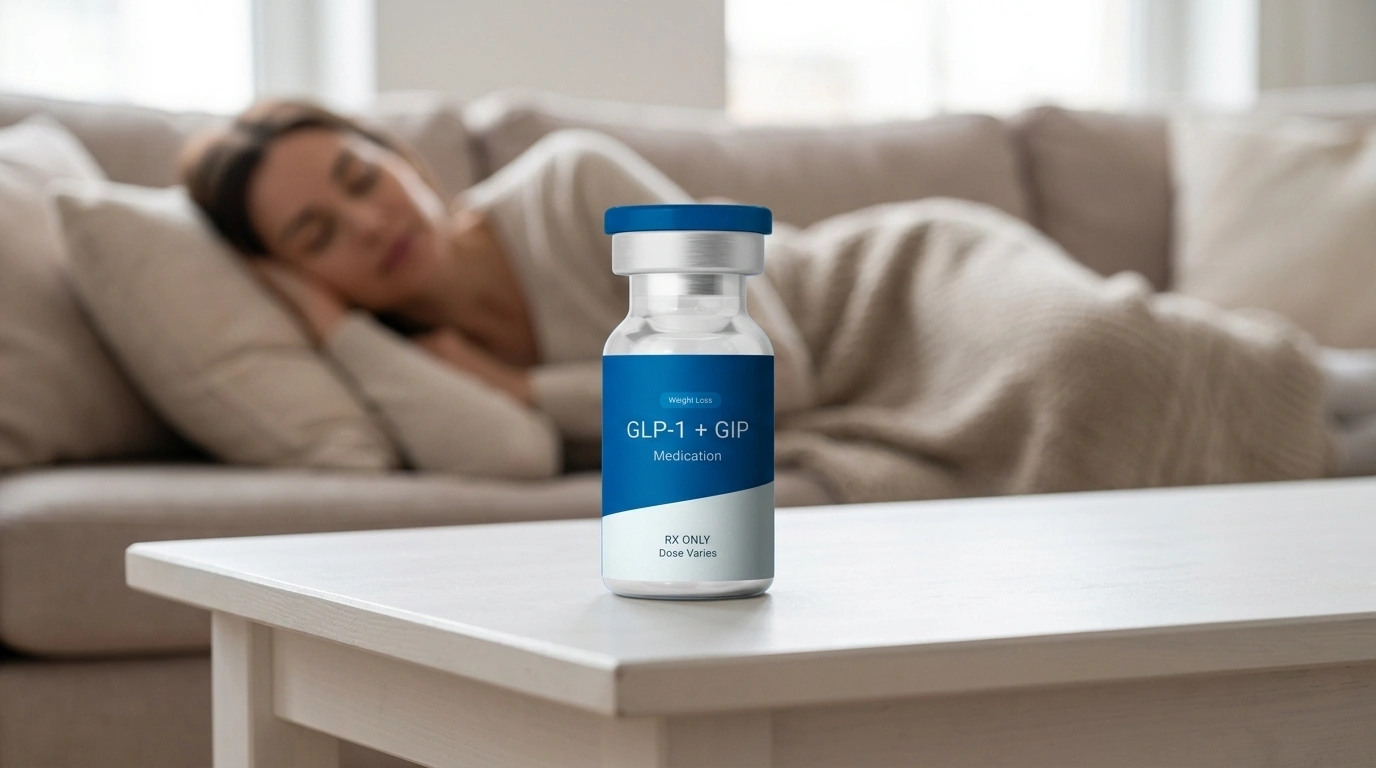
To understand if you can take melatonin on Zepbound®, you first need to understand how this medication changes your internal environment. Zepbound® is a dual-acting medication known as a GLP-1 and GIP receptor agonist. These terms refer to glucagon-like peptide-1 and glucose-dependent insulinotropic polypeptide, which are hormones your body naturally produces to manage hunger and blood sugar. For more context on the sleep connection, our guide on whether Zepbound affects sleep is a helpful companion read.
One of the primary ways this medication supports weight loss is through a process called delayed gastric emptying. This means the medication slows down the speed at which food and oral substances move from your stomach into your small intestine. While this is excellent for keeping you feeling full for longer periods, it has a direct impact on any other medication or supplement you take by mouth.
The Impact on Oral Medications
When you take a pill, your body usually expects it to move through the stomach relatively quickly. Most absorption happens in the small intestine. Because tirzepatide slows the “conveyor belt” of your digestive system, an oral supplement like melatonin may sit in your stomach longer than intended. For a broader look at side effects and timing strategies, this tirzepatide side effects guide can be helpful.
This delay can change the “onset of action,” which is the time it takes for you to feel the effects. For someone trying to time their sleep perfectly, this can be a significant hurdle. If you take melatonin right before bed, but your stomach takes two hours to pass it along, you might find yourself feeling wide awake at midnight and groggy at 7:00 AM.
Clinical Context of Tirzepatide
Tirzepatide is the first medication of its kind to target two different hormone receptors. While it is highly effective for weight management, these metabolic shifts are significant. Your body is essentially relearning how to process energy, and this can lead to temporary fluctuations in your energy levels and sleep quality.
Can You Take Melatonin on Zepbound?
The short answer is that there is no known major clinical “drug-drug interaction” between melatonin and tirzepatide that would make it inherently dangerous for most people. However, “safe” and “effective” are two different things.
Because of the delayed gastric emptying mentioned above, the way melatonin works in your body will likely change. If you choose to use it, you may need to adjust your timing. Many patients find that taking oral supplements earlier in the evening helps account for the slower digestion process. If you are still figuring out whether prescription GLP-1 treatment is a fit for you, complete the free assessment quiz to explore your options.
Why Timing Matters
Melatonin is a hormone that tells your brain it is time to sleep. It does not “knock you out” like a sedative; rather, it prepares your body for rest. If the melatonin is stuck in your stomach due to the effects of Zepbound®, the signal to your brain is delayed.
- Standard Digestion: Melatonin usually takes 30–60 minutes to reach peak levels.
- Delayed Digestion: On a GLP-1/GIP medication, this could potentially take twice as long or vary depending on your last meal.
Potential Side Effects of the Combination
While the combination is generally considered low-risk, some individuals may experience increased grogginess the next morning. If the melatonin finally hits your bloodstream in the middle of the night rather than at bedtime, its half-life extends into your morning hours. This can lead to a “hangover” feeling that may interfere with your daily activity or exercise routine.
Key Takeaway: Melatonin is generally safe to use with Zepbound®, but the medication’s ability to slow digestion means the sleep aid may take significantly longer to work, potentially causing morning grogginess.
Understanding “Zepbound Insomnia”
Many people ask about melatonin because they feel their sleep has worsened since starting their weight loss journey. While clinical trials do not list insomnia as a primary side effect of tirzepatide, many users report it anecdotally. This is often referred to as “Zepbound insomnia,” though it is usually an indirect result of the medication’s effects rather than a direct one.
Gastrointestinal Discomfort
The most common side effects of GLP-1 medications are gastrointestinal. Nausea, acid reflux (GERD), and bloating are common, especially after a dose increase. If you are struggling with a sour stomach or “sulfur burps” at night, it is nearly impossible to get deep, restorative sleep. In these cases, melatonin might not be the answer; instead, managing your meal timing and acidity may be more effective.
Changes in Blood Sugar
Tirzepatide is very effective at regulating blood glucose. For some, especially those who may not be eating enough calories during the day, blood sugar can dip slightly at night. This can trigger a cortisol spike as the body tries to stabilize itself. Cortisol is the “stress hormone,” and a spike at 2:00 AM will wake you up and leave your mind racing.
Metabolic Energy Shifts
As your body shifts into a state of weight loss, your metabolism changes. Some people experience a “second wind” of energy in the evening as their body processes fat stores for fuel. While this is a sign that the medication is working, it can certainly make it harder to wind down for the night. If low energy has been part of your adjustment, the Weight Loss Boost supplement may be worth discussing with your provider.
Why Quality Sleep is Critical for Weight Loss
At TrimRx, we emphasize that sleep is not just a luxury; it is a metabolic necessity. When you are on a weight loss program involving medications like Zepbound® or compounded tirzepatide, sleep becomes your greatest ally.
Hormonal Regulation: Sleep regulates two key hormones: leptin and ghrelin. Leptin tells your brain you are full, while ghrelin tells your brain you are hungry. Lack of sleep spikes ghrelin and crashes leptin. If you are not sleeping, you are fighting against the very hormones your medication is trying to help you manage.
Muscle Recovery: Weight loss isn’t just about losing fat; it’s about preserving lean muscle. Your body repairs muscle tissue during deep sleep stages. Without rest, you may feel weaker during your workouts, which can stall your progress.
Stress and Cortisol: Chronic sleep deprivation leads to elevated cortisol. High cortisol levels encourage the body to hold onto abdominal fat and can increase cravings for high-calorie, sugary foods. For more patient-reported context, GLP-1 medications and sleep quality is a useful read.
Alternatives to Melatonin for Better Sleep
If you find that melatonin isn’t working well with your Zepbound® regimen, or if you want to avoid the potential for morning grogginess, there are other ways to support your rest.
1. Magnesium Supplements
Magnesium is a mineral that plays a role in over 300 biochemical reactions in the body, including muscle relaxation and nervous system regulation. Many people find that magnesium glycinate is a gentler alternative to melatonin. It helps calm the body without the same “hormonal shift” that melatonin causes.
2. Adjusting Your Meal Schedule
Since delayed gastric emptying is the root of many nighttime issues, try to finish your last meal at least three to four hours before bed. This gives your stomach a “head start” on processing food, which can reduce the likelihood of acid reflux and nausea that keeps you awake.
3. Hydration and Electrolytes
Dehydration is a common cause of restlessness and leg cramps during weight loss. Ensuring you have adequate electrolytes—sodium, potassium, and magnesium—can significantly improve your sleep quality. We often suggest our GLP-1 Daily Support supplement to help balance these needs.
4. Optimize Sleep Hygiene
- Cool the Room: Your body temperature needs to drop to initiate sleep.
- Block Blue Light: Avoid screens 60 minutes before bed to allow your body to produce its own natural melatonin.
- Consistent Timing: Go to bed at the same time every night to train your circadian rhythm.
How TrimRx Supports Your Journey
Weight loss is a complex puzzle, and medication is only one piece of it. Our approach at TrimRx is to look at the whole picture—your nutrition, your hydration, and yes, your sleep. We provide access to licensed healthcare providers who can help you navigate these questions through a telehealth-first model. If you want help understanding whether prescription treatment makes sense for your situation, you can take the free assessment quiz.
When you join one of our programs, you receive more than just a prescription. You get a personalized plan designed for your specific health profile. Whether you are using a branded medication like Zepbound® or a compounded tirzepatide prepared in an FDA-registered, inspected compounding pharmacy, we are here to help you manage every side effect and celebrate every milestone.
Our dedicated team of specialists is available 24/7 to answer questions about supplements, side effects, and progress. We know that the journey to metabolic health can feel overwhelming, which is why we aim to be your empathetic, science-backed guide.
When to Consult Your Healthcare Provider
While taking melatonin on Zepbound® is generally considered safe, there are times when you must seek professional guidance. You should talk to a doctor if:
- Your insomnia persists for more than two weeks.
- You experience severe nighttime acid reflux or vomiting.
- You feel excessive daytime sleepiness that interferes with driving or work.
- You are taking other sedatives or medications for anxiety or depression.
It is also important to remember that Zepbound® is a powerful medication. Your provider may want to adjust your dosage or check your labs if sleep issues become a major barrier to your well-being. Never stop or start a medication without consulting a professional.
Note: If you have a history of depression or other psychiatric disorders, use melatonin with caution. Some individuals report changes in mood or vivid dreams when taking sleep aids.
Summary of Best Practices
If you decide to use melatonin while on your weight loss journey, follow these steps to ensure the best experience:
- Step 1: Consult your provider. Always verify that a supplement fits within your specific medical history.
- Step 2: Start with a low dose. More is not always better with melatonin. Start with 1mg to 3mg.
- Step 3: Time it early. Take the supplement 90 minutes to two hours before you plan to sleep to account for slower digestion.
- Step 4: Monitor your morning. If you feel groggy, reduce the dose or try a different sleep support method.
- Step 5: Prioritize lifestyle. Use melatonin as a temporary bridge while you improve your sleep hygiene and manage GI side effects.
Myth: Melatonin will fix “Zepbound insomnia” immediately. Fact: Melatonin only addresses the “sleep signal.” If your wakefulness is caused by nausea, reflux, or blood sugar shifts, melatonin may not be effective until those root issues are addressed.
Conclusion
Navigating the world of GLP-1 and GIP medications can be complex, especially when it affects something as fundamental as your sleep. While you can take melatonin on Zepbound®, the key is understanding how your body’s slowed digestion changes the timing of its effects. By being mindful of your body’s signals and working closely with healthcare professionals, you can achieve the deep rest you need to fuel your weight loss success.
At TrimRx, we are committed to helping you reach your goals through a transparent, science-backed, and empathetic approach. We believe that everyone deserves a personalized path to health that considers the whole person, not just the number on the scale. If you are ready to see how a medically supervised, telehealth-based program can support your journey, we invite you to take the free assessment quiz.
Start by taking our free assessment quiz to see if a personalized weight loss program is right for you. Your journey to a healthier, more rested version of yourself begins here.
FAQ
Does Zepbound® interact with melatonin?
There are no major direct drug interactions between Zepbound® and melatonin, but Zepbound® slows gastric emptying. This means any oral melatonin you take may take much longer to be absorbed and start working. If you want more background on the sleep connection, see our guide on whether Zepbound affects sleep.
Why am I having trouble sleeping on Zepbound®?
While not a direct side effect for everyone, sleep issues are often caused by indirect factors like nausea, acid reflux, or metabolic changes. Some users also experience slight blood sugar dips at night, which can cause the body to wake up. Managing your diet and meal timing can often resolve these issues.
Can I take other sleep aids like ZzzQuil or Unisom on Zepbound®?
These over-the-counter sleep aids often contain diphenhydramine or doxylamine, which can also be affected by delayed gastric emptying. These medications may cause increased daytime sleepiness if they are absorbed slowly. Always check with a licensed healthcare provider before starting any new sleep medication.
Is it better to take liquid or pill melatonin on Zepbound®?
Liquid melatonin or sublingual (under the tongue) tablets may be absorbed faster than traditional pills because they bypass some of the digestive processes in the stomach. If you are experiencing significant delays with pills, these formats might provide more predictable results, but you should still consult your provider first.
Disclaimer: This content is for informational purposes only and does not constitute medical advice. It is not intended to diagnose, treat, cure, or prevent any disease or condition. Individual results may vary. Always consult a qualified healthcare professional before starting any weight loss program or medication.

Transforming Lives, One Step at a Time
Keep reading

Why Is There a Bruise Where I Injected My Zepbound?
A bruise means a small blood vessel was disturbed under the skin and blood spread into the surrounding tissue. It is one of the…

My Zepbound Pen Won’t Click Past a Certain Dose
Start by checking which device you are holding, because the answer depends entirely on that. Zepbound has commonly been supplied in the United States…

Zepbound Alternatives: Your Options Compared
If Zepbound isn’t the right fit, the main alternative is semaglutide (sold as Wegovy), which produces slightly less weight loss but works similarly, along…


