Can You Take Zepbound on a Full Stomach? What You Need to Know
Introduction
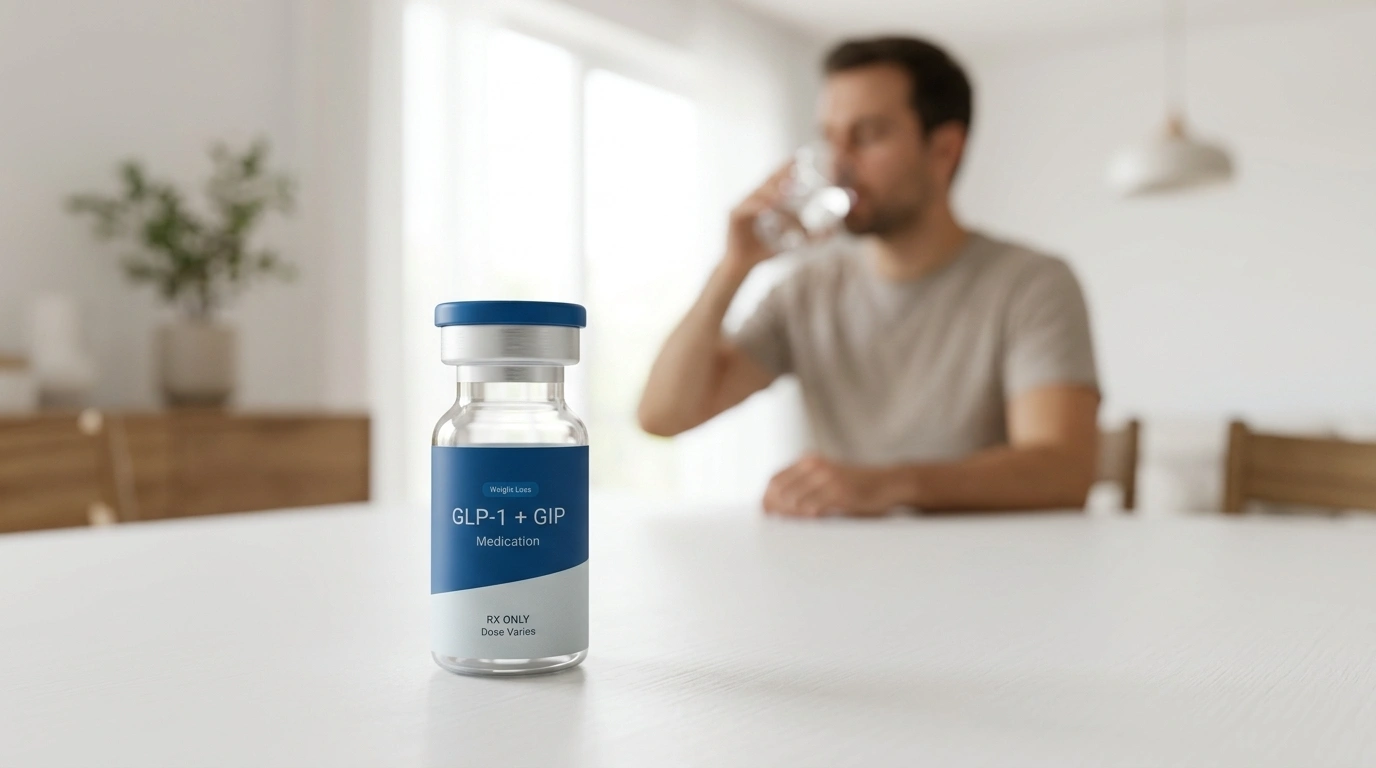
Standing in your kitchen with a Zepbound® (tirzepatide) pen in hand, it is natural to pause and wonder if that dinner you just finished will change how the medication works. You might worry that a full stomach will lead to intense nausea or that the medication won’t be absorbed as effectively. At TrimRx, we understand that these small, practical questions are often the ones that cause the most anxiety when starting a new health journey. The short answer is that you can take this medication regardless of when you last ate. However, because of how these medications interact with your digestive system, what you eat and how full you feel can significantly impact your comfort level. This article covers the timing of your dose, how food interacts with the medication’s mechanism, and how to manage your nutrition for the best results. We believe that with the right information, you can move forward with confidence in your personalized weight loss program.
Can You Take Zepbound on a Full Stomach?
You can take Zepbound® on a full stomach, an empty stomach, or anywhere in between. The manufacturer’s guidelines state that the medication can be administered at any time of day, with or without meals. Unlike some oral medications that require food to protect the stomach lining or an empty stomach for proper absorption, this injectable medication enters the bloodstream through the subcutaneous fat, bypassing the immediate digestive process for absorption.
However, “can you” and “should you” are sometimes different questions. Because the active ingredient, tirzepatide, works by slowing down gastric emptying—the process of food leaving your stomach—taking your dose when you are already very full can sometimes lead to increased discomfort. If your stomach is already working hard to process a large or heavy meal, the introduction of a medication that tells the stomach to slow down even further can cause a “backlog” sensation. For additional guidance, review this guide to taking Zepbound with or without food.
Quick Answer: Yes, you can take Zepbound® on a full stomach. It does not affect the medication’s absorption or effectiveness. However, because the drug slows digestion, taking it after a very heavy meal may increase your risk of temporary nausea or bloating.
How Tirzepatide Interacts with Your Digestion
To understand why stomach fullness matters, it is helpful to look at how the medication functions within the body. Tirzepatide is a dual GIP (glucose-dependent insulinotropic polypeptide) and GLP-1 (glucagon-like peptide-1) receptor agonist. These are synthetic versions of hormones your body naturally produces in the gut.
When you eat, your gut releases these hormones to tell your pancreas to release insulin and your brain to feel full. Zepbound® amplifies these signals significantly. One of the primary ways it supports weight loss is by delaying gastric emptying. In plain English, this means the “trap door” at the bottom of your stomach stays closed longer. A deeper explanation is available in this overview of how tirzepatide timing affects treatment.
This delay in digestion is what creates the lasting feeling of fullness. If you take your injection immediately after a large, calorie-dense meal, that meal will stay in your stomach for a significantly longer period than usual. For some individuals, this can lead to:
- An intensified feeling of heaviness or “rocks in the stomach.”
- Increased occurrences of acid reflux or “sulfur burps.”
- Heightened nausea as the body adjusts to the slowed digestive pace.
The Role of Injection Timing and Consistency
While the state of your stomach does not change the medication’s chemistry, your routine plays a major role in your success. Most healthcare providers recommend choosing a consistent day of the week to administer your dose. Whether you choose to do this in the morning before breakfast or in the evening before bed is entirely up to your personal preference and how your body responds.
Many people prefer taking their dose in the evening. This allows them to sleep through the initial peak of the medication, which can sometimes help bypass the first few hours of potential nausea. Others prefer the morning so they can monitor how they feel throughout the day. At TrimRx, we encourage you to listen to your body’s signals and adjust your schedule under the guidance of your licensed provider. You can also review this tirzepatide timing guide for more context.
Key Takeaway: Consistency is more important than timing. Whether your stomach is full or empty, the most vital factor is taking your medication on the same day every week to maintain steady levels in your system.
Managing Side Effects Through Meal Choices
If you are concerned about taking the medication on a full stomach, the best strategy is often to focus on the type of food you are eating rather than the volume alone. Because the medication slows down your “internal clock” for digestion, certain foods can become much harder for your system to handle. For more practical meal guidance, see this article about what to eat before a Zepbound injection.
Why Fat and Grease Cause Friction
High-fat, fried, or greasy foods are already slow to digest. When combined with a medication that further delays gastric emptying, these foods can sit in the stomach for an extended period. This often results in the most common side effects: nausea, bloating, and indigestion. If you know your injection day is approaching, it is often wise to keep your meals lighter and focus on easily digestible nutrients.
The Importance of Hydration
Whether your stomach is full or empty, hydration is a non-negotiable part of the process. GLP-1 medications can sometimes decrease your thirst cues along with your hunger cues. Staying hydrated helps manage the digestive process and can alleviate some of the common gastrointestinal side effects like constipation. If reduced appetite makes it difficult to maintain balanced nutrition, GLP-1 Daily Support may provide daily nutritional support designed for GLP-1 users.
Side Effect Management Tips:
- Eat smaller, more frequent meals: Instead of three large meals, try five smaller ones to avoid overtaxing your digestive system.
- Stop eating before you are full: Because the signals to your brain are delayed, you may actually be full before you feel it.
- Avoid lying down immediately after eating: This can help prevent the acid reflux that sometimes occurs when digestion slows down.
- Focus on bland foods on injection day: If you are prone to nausea, stick to the “BRAT” diet (bananas, rice, applesauce, toast) or simple proteins on the day you take your shot.
What to Eat for Optimal Results
While there are no strictly “banned” foods on a Zepbound® program, certain choices will make your journey much smoother. A personalized program through a platform like TrimRx often emphasizes nutrient density because, as your appetite decreases, every bite you take needs to provide more value to your body. For another perspective on nutrition and hydration during treatment, read this GLP-1 nutrition and supplement timing guide.
Prioritize Lean Protein
Protein is the most important macronutrient when using GLP-1 or GIP medications. Because you are eating fewer calories, your body may look to muscle tissue for energy. Consuming adequate protein—aiming for at least 60 to 80 grams a day depending on your provider’s advice—helps preserve lean muscle mass.
- Sources: Chicken breast, turkey, fish, tofu, Greek yogurt, and egg whites.
Focus on Fiber
Since the medication slows the gut, fiber is essential to keep things moving. However, introduce fiber gradually. A sudden jump in fiber intake on a full stomach can lead to temporary gas and cramping.
- Sources: Raspberries, chia seeds, lentils, and non-starchy vegetables like broccoli and spinach.
Comparison: Branded vs. Compounded Tirzepatide
When exploring weight loss options, you may encounter both branded medications and compounded versions. It is important to understand the distinctions.
| Feature | Zepbound® | Compounded Tirzepatide |
|---|---|---|
| Status | FDA-approved branded drug | Prepared by compounding pharmacies |
| Active Ingredient | Tirzepatide | Tirzepatide |
| Availability | Commercial pharmacies | FDA-registered compounding pharmacies |
| Administration | Pre-filled single-use pen | Vial and syringe |
| Personalization | Standardized doses | Can be tailored by providers |
Note: Compounded Tirzepatide is prepared and shipped by FDA-registered, inspected compounding pharmacies. While the active ingredient may be the same, compounded medications are not themselves FDA-approved. TrimRx connects patients with licensed providers who determine the most appropriate treatment for their health profile.
Common Misconceptions About Injection Day
There are many myths surrounding the “perfect” conditions for a weight loss injection. Clearing these up can help reduce the stress of starting your program.
Myth: You must fast for 12 hours before your Zepbound® injection. Fact: There is no clinical requirement to fast. In fact, some people find that having a small, protein-rich snack before their injection helps stabilize their blood sugar and reduces dizziness.
Myth: Taking the shot on a full stomach makes it less effective. Fact: The medication’s efficacy is tied to its concentration in your blood over time, not how much food is in your stomach at the moment of injection.
How the TrimRx Program Supports Your Journey
Starting a medication like Zepbound® or a compounded alternative is a significant step toward metabolic health. It is not just about the injection; it is about the support system around it. At TrimRx, we provide a telehealth-first approach that removes the barriers of traditional weight loss clinics. If you are considering prescription treatment, you can complete a free eligibility assessment to begin the process.
Our process begins with a free assessment quiz designed to understand your unique health history, goals, and any previous experiences with weight loss. From there, we connect you with licensed healthcare providers who can supervise your progress and ensure your program is personalized to your needs. This includes:
- Medical Consultation: A thorough review of your health profile.
- Access to Specialists: Expert guidance on managing side effects and nutrition.
- Transparent Delivery: Medications shipped directly from FDA-registered, inspected compounding pharmacies.
- Ongoing Support: 24/7 access to our team to answer questions like “can I take my shot after a big dinner?” or “how do I handle a plateau?”
We believe that weight loss is a personal journey that deserves a professional, empathetic touch. By combining modern science with a user-friendly platform, we help you focus on what matters: your health and your results.
Step-by-Step: Preparing for Your Dose
If you are worried about how your stomach will feel, follow this simple routine on your injection day:
- Step 1: Hydrate early. / Drink 16–24 ounces of water with electrolytes in the hours leading up to your dose.
- Step 2: Eat a light, high-protein meal. / Opt for something like grilled chicken or a protein shake rather than a heavy, oily meal.
- Step 3: Check your injection site. / Ensure the area (thigh, abdomen, or back of arm) is clean and dry.
- Step 4: Administer the dose. / Follow the instructions provided by your pharmacist or healthcare provider carefully.
- Step 5: Monitor and rest. / Take it easy for an hour or two to see how your body reacts.
Understanding Early Satiety
One of the most profound effects of this medication is “early satiety”—feeling full after only a few bites of food. This is why the question of a full stomach is so relevant. If you are already on the medication and you try to eat a “normal” sized meal (the size you ate before starting treatment), you will likely feel uncomfortably full very quickly.
Think of your stomach as having a new, smaller capacity. When you take your weekly dose, you are reinforcing that new capacity. If you take the dose when you are already pushing that capacity, the physical pressure can be uncomfortable. Over time, most patients learn to “eat to their new appetite,” which naturally leads to taking the medication when the stomach is in a more neutral state.
Bottom Line: Listen to Your Body
While clinical guidelines say you can take Zepbound® at any time, your personal experience is the best guide. If you find that taking the medication on a full stomach causes indigestion, try moving your dose to a time when you have had a few hours to digest. If you feel fine regardless of when you eat, then you have the flexibility to fit your treatment into your life however it is most convenient.
Key Takeaway: There is no “wrong” time to take your dose in relation to meals, but “lighter” is usually “safer” when it comes to avoiding gastrointestinal side effects.
The TrimRx Mission
Our mission at TrimRx is to help individuals embrace healthier lifestyles through science, empathy, and a transparent, personalized approach to sustainable weight loss. We believe that by providing access to medical expertise and high-quality treatments through a modern telehealth platform, we can empower you to take control of your metabolic health without the stress of traditional doctor visits. For additional energy support during weight loss, explore the Weight Loss Boost supplement.
Conclusion
Navigating the world of GLP-1 and GIP medications can feel overwhelming, but questions about timing and food intake are a normal part of the learning curve. Whether you choose to take your medication on a full stomach or wait until you’ve had a light snack, the most important factor is consistency and staying in communication with your healthcare team.
- You can take Zepbound® with or without food.
- Heavy, fatty meals are more likely to cause nausea when combined with the medication.
- Protein and hydration are your best tools for managing side effects.
- A personalized program helps you navigate these daily decisions with expert backing.
If you are ready to start a science-backed weight loss journey that fits your life, the next step is simple. Take the free assessment quiz to see which personalized program is right for you and begin your path toward sustainable health today.
FAQ
Does taking Zepbound on an empty stomach make it work faster?
No, taking the medication on an empty stomach does not make it work faster or more effectively. Because it is an injectable medication absorbed through subcutaneous fat, its entry into the bloodstream is independent of your digestive status.
What should I do if I feel nauseous after taking my shot on a full stomach?
If you experience nausea, try sipping on clear liquids, such as ginger tea or water with electrolytes, and avoid lying flat. In the future, try eating a smaller, blander meal before your injection or moving your dose to a time when your stomach is less full. For more information, review this guide to managing tirzepatide side effects.
Are there any foods I must absolutely avoid before my injection?
There are no medically “forbidden” foods, but it is highly recommended to avoid high-fat, fried, and very sugary foods on injection day. These foods stay in the stomach longer and, when combined with the medication’s effect on digestion, can lead to significant bloating and discomfort.
Can I drink alcohol before or after taking my dose?
While a small amount of alcohol may be fine for some, it is generally advised to limit alcohol intake while on Zepbound®. Alcohol can irritate the stomach and contribute to blood sugar fluctuations, which may worsen the medication’s side effects or hinder your weight loss progress.
Disclaimer: This content is for informational purposes only and does not constitute medical advice. It is not intended to diagnose, treat, cure, or prevent any disease or condition. Individual results may vary. Always consult a qualified healthcare professional before starting any weight loss program or medication.

Transforming Lives, One Step at a Time
Keep reading

Why Is There a Bruise Where I Injected My Zepbound?
A bruise means a small blood vessel was disturbed under the skin and blood spread into the surrounding tissue. It is one of the…

My Zepbound Pen Won’t Click Past a Certain Dose
Start by checking which device you are holding, because the answer depends entirely on that. Zepbound has commonly been supplied in the United States…
Zepbound Alternatives: Your Options Compared
If Zepbound isn’t the right fit, the main alternative is semaglutide (sold as Wegovy), which produces slightly less weight loss but works similarly, along…


