Can I Take Zepbound After Gallbladder Removal?
Introduction
If you have recently undergone a cholecystectomy, or gallbladder removal surgery, you may be wondering how this change affects your eligibility for modern weight loss treatments. The question of whether you can safely take Zepbound® after gallbladder removal is a common concern for many individuals embarking on a metabolic health journey. At TrimRx, we understand that navigating the intersection of surgical history and new medications can feel overwhelming, especially when you are focused on achieving sustainable results.
The short answer is that having your gallbladder removed does not typically disqualify you from using Zepbound or other GLP-1 medications. However, because both the surgery and the medication significantly alter your digestive process, there are specific clinical considerations and management strategies you should understand. This article explores the relationship between tirzepatide—the active ingredient in Zepbound—and life without a gallbladder, providing you with the knowledge needed to discuss your options with a healthcare provider.
For a broader look at how these medications affect digestion, our guide to GLP-1 side effects in 2026 is a helpful place to start.
What Is Zepbound and How Does It Work?
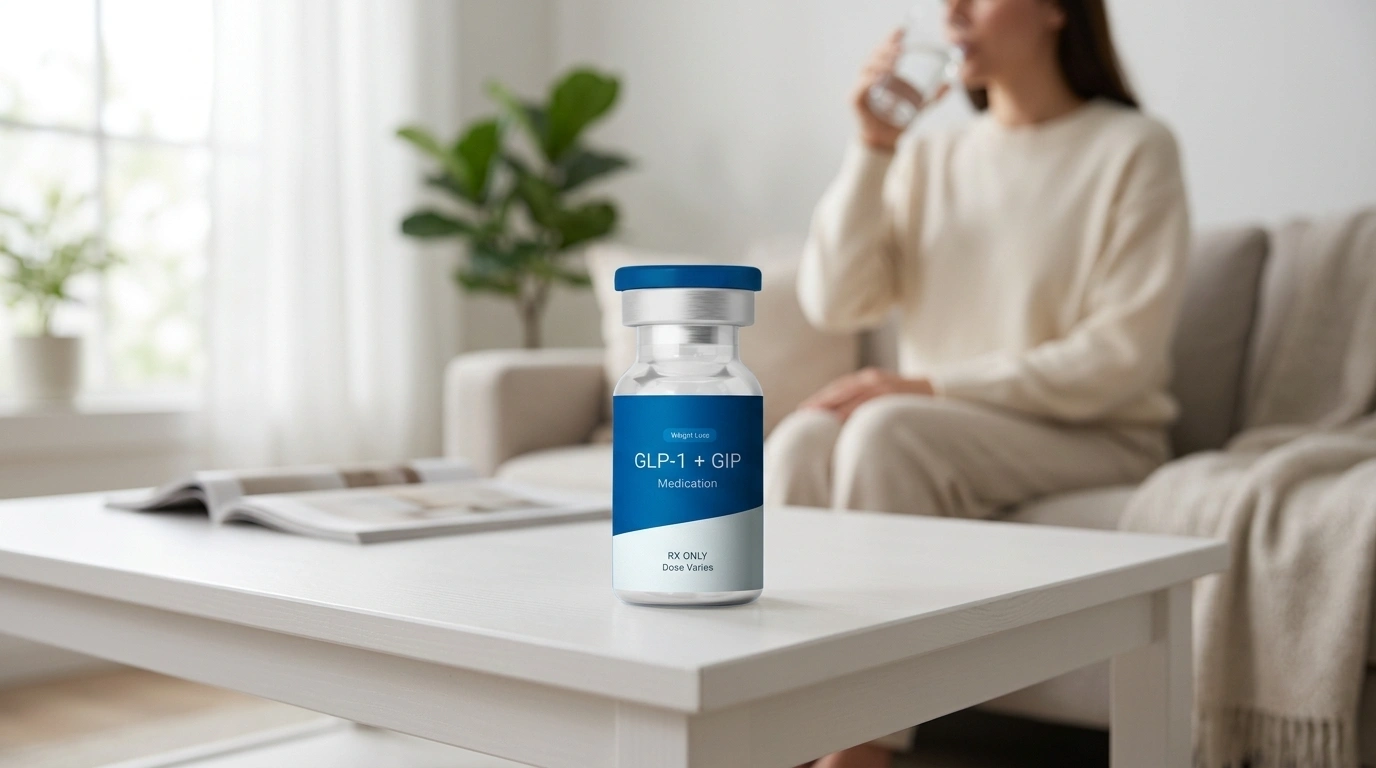
Zepbound is a brand-name prescription medication that belongs to a class of drugs known as dual GIP and GLP-1 receptor agonists. The active ingredient, tirzepatide, works by mimicking two naturally occurring hormones in the body: glucagon-like peptide-1 (GLP-1) and glucose-dependent insulinotropic polypeptide (GIP). These hormones play a critical role in how your body processes sugar and signals hunger to the brain.
When you take this medication, it targets receptors in the brain to help you feel full sooner and stay satisfied longer. It also slows down gastric emptying, which is the rate at which food leaves your stomach and enters the small intestine. By regulating these signals and slowing digestion, the medication helps reduce overall caloric intake.
For many people, the challenge of weight loss is not a lack of willpower but a biological struggle with hunger signals. Medications like tirzepatide address the underlying metabolic pathways that make traditional dieting difficult. While Zepbound is a branded option, some individuals may also be prescribed Compounded Tirzepatide through our platform, which is prepared by FDA-registered, inspected compounding pharmacies to provide the same active ingredient tailored to specific needs.
If you want to see whether prescription treatment may be a fit for you, you can take the free assessment quiz.
Key Takeaway: Zepbound uses a dual-hormone approach to slow digestion and reduce appetite, making it a powerful tool for weight management when combined with lifestyle changes.
The Role of the Gallbladder in Digestion
To understand how Zepbound interacts with a body that no longer has a gallbladder, it is helpful to review what the gallbladder actually does. The gallbladder is a small, pear-shaped organ located just under the liver. Its primary job is to store and concentrate bile, a fluid produced by the liver that helps your body break down and absorb fats.
When you eat a meal, especially one high in fat, the gallbladder contracts and releases a concentrated dose of bile into the small intestine. This process ensures that fats are properly emulsified and digested. Without a gallbladder, your body loses this storage tank.
Life After Cholecystectomy
After a cholecystectomy (gallbladder removal), your liver continues to produce bile. However, instead of being stored and released in bursts, the bile now drips continuously from the liver into the small intestine. This constant flow means that there is less bile available to handle large or very fatty meals.
Many people find that after surgery, their digestive system is more sensitive. Common post-surgical symptoms include:
- Loose stools or diarrhea, particularly after high-fat meals.
- Increased gas and bloating.
- Urgency to use the bathroom after eating.
Over time, most bodies adapt to this change. However, when you introduce a medication like Zepbound into the mix, these existing digestive sensitivities can be amplified.
For a related breakdown of what happens after gallbladder removal, you may also find our article on taking GLP-1 medications without a gallbladder useful.
Can You Take Zepbound Without a Gallbladder?
The manufacturer of Zepbound, Eli Lilly and Company®, has noted that a history of gallbladder disease or removal is not a contraindication for the medication. A contraindication is a specific situation in which a drug should not be used because it may be harmful to the person.
In the clinical trials for tirzepatide, such as the SURMOUNT program, participants who had previously had their gallbladders removed were not excluded from the studies. While the manufacturer does not provide specific treatment recommendations for this subgroup, the lack of exclusion suggests that the medication can be used by these individuals.
Quick Answer: Yes, you can typically take Zepbound after gallbladder removal. It is not listed as a contraindication, but you must work closely with a healthcare provider to monitor your digestive response and adjust your diet accordingly.
If you are ready to get personalized guidance, the next step is to complete the free assessment quiz.
Why Gallbladder Concerns Arise with GLP-1s
There is a known link between GLP-1 medications and gallbladder issues in people who still have the organ. Clinical data shows an increased risk of cholelithiasis (gallstones) and cholecystitis (inflammation of the gallbladder) in patients taking these medications.
This risk is generally attributed to two factors:
- Rapid Weight Loss: Losing weight quickly changes the balance of cholesterol and bile salts in the bile, which can lead to the formation of stones.
- Slower Gallbladder Motility: Because these drugs slow down the digestive system, the gallbladder may not contract as frequently or effectively, allowing bile to sit and crystallize into stones.
If you have already had your gallbladder removed, you are no longer at risk for gallstones or gallbladder inflammation. In this sense, having already had the surgery may actually eliminate some of the specific concerns that other patients face when starting Zepbound.
Potential Side Effects and Overlap
While you may not have a gallbladder to worry about, the side effects of Zepbound can mimic or exacerbate the digestive issues seen after a cholecystectomy. Understanding this overlap is essential for managing your comfort during treatment.
Gastrointestinal Sensitivities
The most common side effects of tirzepatide include:
- Nausea: Often most noticeable when starting the medication or increasing the dose.
- Diarrhea: This is also a common symptom for those without a gallbladder.
- Vomiting: Usually linked to eating too quickly or consuming high-fat foods.
- Stomach Pain: Can result from slowed digestion or gas.
For someone without a gallbladder, “fatty” diarrhea (steatorrhea) can occur if the body cannot process fats properly. Because Zepbound also impacts the gastrointestinal tract, the combination can lead to more frequent or more urgent bathroom trips if the diet is not managed carefully.
For more practical tips on managing these symptoms, see our article on tirzepatide side effects and how to manage them.
The Importance of Dosing
At TrimRx, the providers we partner with emphasize a “start low and go slow” approach. This is particularly important for individuals with a history of digestive surgery. By starting at the lowest possible dose, your body has time to adapt to the hormonal changes without being overwhelmed by side effects.
Note: If you experience severe, persistent vomiting or intense abdominal pain that radiates to your back, you should contact a healthcare professional immediately, as these could be signs of other issues like pancreatitis.
Preparing for Surgery: A Critical Note
If you are currently taking Zepbound and have an upcoming surgery—for gallbladder removal or any other procedure—it is vital to discuss your medication with your surgical team.
Because tirzepatide slows gastric emptying, there is a risk that food remains in your stomach longer than expected. This creates a safety concern during anesthesia, as it increases the risk of pulmonary aspiration (when stomach contents enter the lungs).
Current medical guidelines often suggest:
- Pausing weekly injections at least one week prior to any surgery requiring anesthesia.
- Informing your anesthesiologist of exactly when you took your last dose.
- Following strict “nothing by mouth” (NPO) instructions provided by your surgeon.
You should never stop or start this medication around a surgical procedure without explicit instructions from your healthcare team.
Strategies for Success After Gallbladder Removal
Taking Zepbound without a gallbladder requires a proactive approach to nutrition and hydration. Since your body processes fat differently, your dietary choices will play a significant role in how you feel while on the medication.
Dietary Adjustments
Focus on Low-Fat Proteins: Choose lean proteins like chicken breast, turkey, white fish, or tofu. High-fat meats can be difficult to digest without a gallbladder and may trigger nausea or diarrhea when combined with Zepbound.
Incorporate Soluble Fiber: Foods like oats, beans, and certain fruits can help bulk up stools and slow down digestion in a helpful way. This can be particularly beneficial if you struggle with the “bile drip” diarrhea common after surgery.
Eat Smaller, More Frequent Meals: Since Zepbound makes you feel full quickly and your body has a limited capacity to process fats at once, large meals are likely to cause discomfort. Aim for small portions throughout the day.
Hydration and Electrolytes
Diarrhea and nausea can quickly lead to dehydration. When taking a GLP-1 or GIP agonist, staying hydrated is a top priority. We often suggest:
- Sipping water steadily throughout the day rather than gulping large amounts during meals.
- Using electrolyte supplements if you experience frequent loose stools.
- Monitoring for signs of dehydration, such as dark urine or dizziness.
Nutrient Support
Because your digestive system is moving slower and processing fats differently, you may benefit from targeted nutrient support. Our GLP-1 Daily Support supplement is designed to help bridge the gap and support metabolic health while you are on a prescription program.
How TrimRx Supports Your Journey
At TrimRx, we believe that weight loss is a highly personal experience. Your medical history—including past surgeries like gallbladder removal—is a critical piece of the puzzle. Our platform connects you with licensed healthcare providers who take the time to understand your unique health profile.
When you complete our free assessment quiz, you provide the information necessary for a provider to determine if Zepbound, Compounded Semaglutide, or Compounded Tirzepatide is a safe and appropriate option for you. If you are a candidate, our program includes:
- Direct Consultations: Access to providers who can answer your specific questions about post-surgical medication use.
- Personalized Programs: Treatment plans tailored to your goals and medical background.
- Ongoing Support: 24/7 access to a team that can help you manage side effects and adjust your plan as needed.
- Transparent Service: No hidden fees, and medications are shipped directly from FDA-registered, inspected compounding pharmacies.
We are committed to providing a telehealth experience that feels as supportive and professional as an in-person visit, without the inconvenience of waiting rooms.
For another educational look at treatment options, our post on how tirzepatide works for weight loss offers additional context.
Starting the Process: Step-by-Step
If you are ready to explore weight loss options after gallbladder removal, here is how the process works with us:
Step 1: Complete the Free Assessment Quiz. This quiz gathers details about your BMI, health history, and weight loss goals. Be sure to mention your gallbladder surgery here.
Step 2: Connect with a Provider. A licensed healthcare professional will review your assessment. They will evaluate whether tirzepatide is appropriate for you and discuss potential risks and benefits.
Step 3: Receive Your Personalized Plan. If approved, your provider will write a prescription. If you are prescribed a compounded medication, it will be prepared by a licensed pharmacy and shipped directly to your door.
Step 4: Begin Your Program with Support. Start your medication at the recommended low dose. You will have access to our team to help you navigate any initial digestive adjustments.
Monitoring Your Progress
Once you begin taking Zepbound, it is important to track how your body responds. Since you do not have a gallbladder, your primary focus will be on managing “post-cholecystectomy” symptoms alongside the effects of the medication.
Keep a simple log of:
- What you eat: Identify if specific fatty foods trigger symptoms.
- Digestive changes: Note the frequency and consistency of bowel movements.
- Energy levels: Ensure you are getting enough nutrition to fuel your body.
If you find that diarrhea or nausea is interfering with your daily life, your provider may suggest adjusting your dose or incorporating supplements like our Weight Loss Boost supplement to support your metabolism while you focus on whole-food nutrition.
Bottom Line: Gallbladder removal does not prevent you from using Zepbound, but it does require you to be more mindful of your fat intake and digestive health to minimize side effects.
The Long-Term Outlook
For many individuals, the benefits of significant weight loss and improved metabolic health far outweigh the temporary digestive adjustments required when starting Zepbound. Reducing excess weight can lower the risk of cardiovascular events, improve blood sugar regulation, and increase overall mobility and quality of life.
While the absence of a gallbladder changes how you digest fat, it does not change your potential for success on a medically supervised weight loss program. By working with a dedicated team, you can find the right balance of medication, nutrition, and lifestyle changes to reach your goals safely.
Our mission at TrimRx is to help you embrace a healthier lifestyle through science, empathy, and transparency. We are here to guide you through every step of your journey, ensuring you have the tools and professional support needed to thrive.
Conclusion
Navigating weight loss after gallbladder removal is entirely possible with the right approach. While Zepbound and its active ingredient, tirzepatide, can cause digestive side effects that overlap with post-surgical sensitivities, these are generally manageable through careful dosing and dietary choices. You do not have to figure this out alone. By partnering with a telehealth platform that prioritizes personalized care, you can access the medical expertise necessary to use these medications effectively.
If you are ready to see if you qualify for a personalized program, the next step is simple. We invite you to take the first step toward a healthier you by completing our assessment process today.
Key Takeaway: Success on Zepbound after gallbladder removal relies on lean nutrition, consistent hydration, and professional medical guidance to manage the body’s changing digestive needs.
FAQ
Does Zepbound cause gallbladder problems if I still have one?
Yes, clinical studies have shown that GLP-1 and GIP receptor agonists like Zepbound can increase the risk of gallstones and gallbladder inflammation. This is often linked to the rapid weight loss the medication facilitates and a slowing of gallbladder contractions.
How long should I wait after gallbladder surgery to start Zepbound?
You should wait until you have fully recovered from surgery, your oral intake of food is back to normal, and any post-operative symptoms are stable. Most healthcare providers recommend waiting several weeks, but you must consult your surgeon or primary doctor for a timeline specific to your recovery.
Will taking Zepbound without a gallbladder cause severe diarrhea?
While diarrhea is a common side effect of both the medication and gallbladder removal, it is not “guaranteed” to be severe. Many people manage this by strictly limiting high-fat foods and using the “start low, go slow” dosing method to allow their digestive tract to adapt.
Can I take compounded tirzepatide if I’ve had my gallbladder removed?
Yes, compounded tirzepatide contains the same active ingredient as Zepbound and is generally subject to the same clinical considerations regarding gallbladder history. If you are a candidate for the medication, a provider can help you determine if a compounded version is right for your personalized program. If you want to get started, you can complete the free assessment quiz.
Disclaimer: This content is for informational purposes only and does not constitute medical advice. It is not intended to diagnose, treat, cure, or prevent any disease or condition. Individual results may vary. Always consult a qualified healthcare professional before starting any weight loss program or medication.

Transforming Lives, One Step at a Time
Keep reading

Why Is There a Bruise Where I Injected My Zepbound?
A bruise means a small blood vessel was disturbed under the skin and blood spread into the surrounding tissue. It is one of the…

My Zepbound Pen Won’t Click Past a Certain Dose
Start by checking which device you are holding, because the answer depends entirely on that. Zepbound has commonly been supplied in the United States…
Zepbound Alternatives: Your Options Compared
If Zepbound isn’t the right fit, the main alternative is semaglutide (sold as Wegovy), which produces slightly less weight loss but works similarly, along…


