Alcohol and Erectile Dysfunction
Introduction
“Can alcohol cause erectile dysfunction?” Yes. Alcohol and ED are closely linked, and the mechanism is less mysterious than it may feel in the moment. Drinking can disrupt the brain and body coordination an erection requires, right when you want it most.
One awkward night does not automatically mean you have a lasting sexual problem. Alcohol can blunt arousal, dull sensation, disrupt the blood-flow response, and pull your attention away from sex. Frequent or heavy drinking can make the effects harder to shake, especially when sleep, mood, medication use, or other health problems are also involved.
TrimRx publishes this guide as education for men trying to understand what is happening. TrimRx provides GLP-1 weight loss care, not erectile dysfunction treatment. Weight can still be part of the wider health picture for some men, but the distinction matters.
At TrimRx, we believe understanding your options is the first step toward taking control of your health. If you want to see whether a personalized treatment plan is a fit for you, you can start with a quick online visit.
How Does Alcohol Interfere with an Erection?
An erection is not powered by desire alone. The brain must register sexual stimulation. Nerves must carry the signal. Blood vessels must relax, and blood must enter and stay in erectile tissue. Alcohol can interfere at several points in that chain.
Quick Answer: Alcohol can cause erection problems by interfering with the brain signals, blood flow, nerve function, and attention an erection requires.
You may feel more interested in sex after drinking while your physical response becomes less reliable. That mismatch explains much of the confusion around alcohol and ED. You may feel bolder and less inhibited, yet still be unable to get fully hard or keep an erection.
Alcohol also affects attention and judgment. When your mind is foggy or distracted, touch and visual cues may not hold the same force. Confidence can rise while the body’s response falls behind.
The result may be a delayed erection, reduced firmness, difficulty maintaining it, or trouble reaching orgasm. These problems can occur while you are drinking and fade as the alcohol leaves your system.
Can One Night of Drinking Cause Erectile Dysfunction?
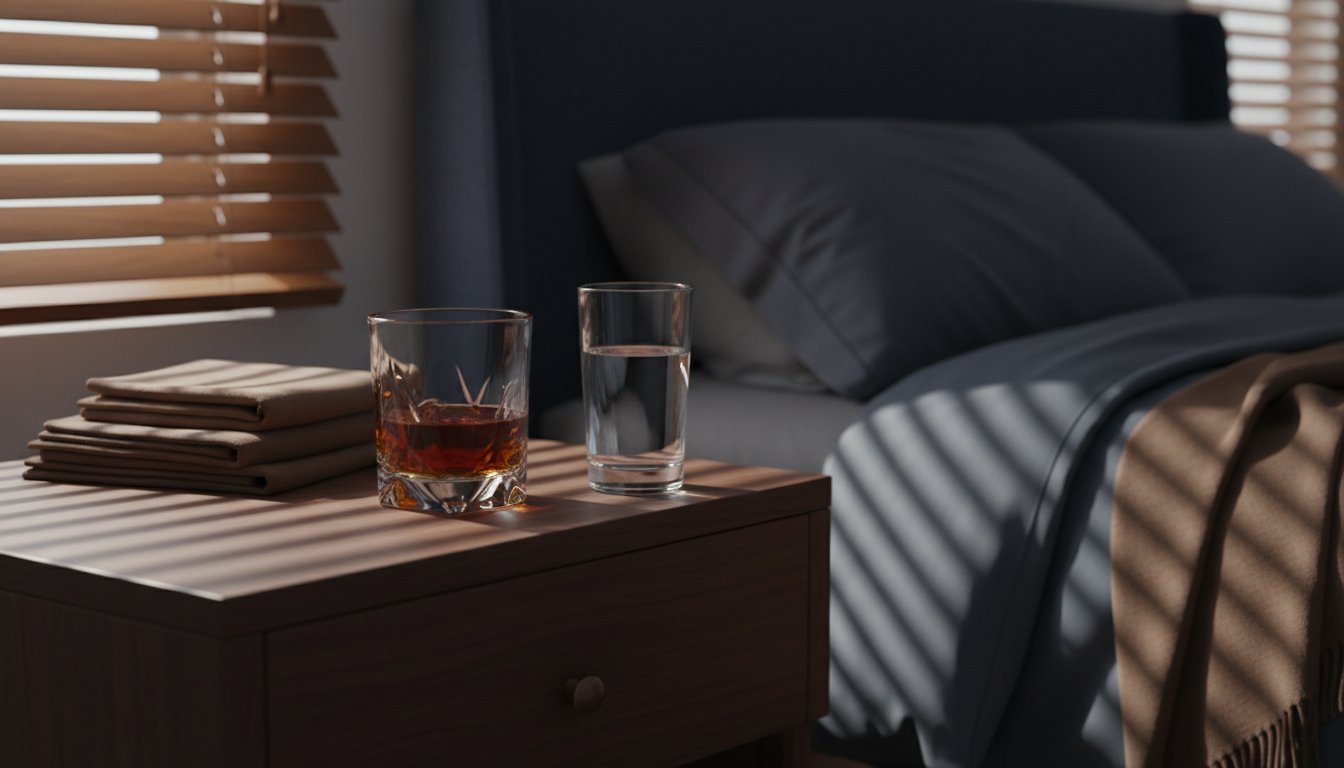
Yes. One night can cause temporary erection trouble. This is the familiar “whiskey dick,” although the type of drink matters less than the alcohol itself and the amount consumed.
You may have normal erections when sober, then struggle after drinking. That does not automatically mean you have chronic ED. Alcohol can disrupt the signals and physical responses that support an erection. The effect may last into the next day if you are tired, dehydrated, or sleeping poorly.
The key question is what happens without alcohol. If your erections are normal when sober and the problem appears only after drinking, alcohol is a strong suspect. If the problem continues during sober sex or masturbation, look beyond alcohol.
Do not turn one failed sexual encounter into a diagnosis. Alcohol creates poor conditions for reliable performance, and bodies are not machines.
Why Can Alcohol Make You Feel Aroused but Unable to Perform?
Alcohol lowers inhibition before it reliably improves sexual function. You may feel bolder, flirtier, or more interested in sex while your body refuses to cooperate.
Sexual arousal requires more than confidence. The brain, spinal nerves, blood vessels, and erectile tissue must communicate clearly. Alcohol can make that communication less efficient and dull physical sensation, which may make stimulation less effective.
Then comes the mental fallout. After one alcohol-related erection failure, you may start monitoring yourself:
Am I hard enough? Will I lose it? Is my partner noticing?
That running commentary steals attention from arousal and can make the next attempt harder. A temporary physical problem can become a repeating pattern. The first failure may be about alcohol. The next may include anxiety.
Can Regular Drinking Lead to Long-term ED?
It can contribute to persistent erectile dysfunction, particularly when drinking is frequent or heavy. The concern is not limited to what happens on a single night. Repeated alcohol exposure can strain several systems involved in sexual function.
Erections require healthy blood vessels, functioning nerves, balanced hormones, adequate sleep, stable mood, and general physical health. Alcohol can affect several of these at once.
Long-term drinking can also obscure the original cause of ED. High blood pressure, diabetes, medication effects, depression, anxiety, or another health issue may be involved. Alcohol may worsen the problem without being the only cause.
Persistent ED is a health symptom, not a character flaw or a test of willpower. Alcohol belongs in the conversation. It should not end it.
Does Alcohol Lower Testosterone?
Alcohol can affect hormone regulation, but testosterone is not the whole story. A man can have normal testosterone and still develop ED from impaired blood flow, nerve problems, medication side effects, anxiety, or alcohol-related changes in arousal and coordination.
The reverse is also true. Low testosterone can affect sexual desire and may contribute to erection difficulties, but a testosterone test alone cannot explain every case. A useful evaluation considers libido, morning and spontaneous erections, erection quality during masturbation, alcohol use, sleep, mood, medications, and other health concerns.
Be wary of online promises that supplements or “testosterone boosters” will fix alcohol-related ED. Start by identifying the pattern and reducing the obvious trigger. If the problem remains, a clinician can decide whether hormone testing or another evaluation makes sense.
Alcohol may be part of the hormonal picture. It is not a diagnosis.
What Role Do Sleep and Anxiety Play?
Poor sleep makes erections less dependable, and drinking often worsens sleep quality even when it helps you fall asleep. You may spend enough time in bed and still wake unrested. Fatigue can reduce desire, patience, and the brain’s response to sexual stimulation.
Anxiety adds pressure. Alcohol may quiet self-consciousness for a while, but using it for sexual confidence can create a loop: you drink to relax, the alcohol interferes with your erection, the experience feels embarrassing, and the next encounter carries more pressure.
Relationship tension can tighten the loop. A partner may read an erection problem as rejection. You may feel watched or judged. Neither interpretation has to be accurate to affect sex.
Addressing alcohol and ED means looking at the whole setting around sex. Better sleep, less performance monitoring, honest communication, and sober intimacy can matter as much as the drink.
Key Takeaway: Repeated heavy drinking can make erectile dysfunction more persistent by affecting blood vessels, nerves, hormones, sleep, and overall health.
How Can You Tell Whether Alcohol Is the Main Cause?
Look for a consistent pattern without turning the process into a stressful experiment. Ask yourself:
- Does the problem happen only after drinking?
- Are erections normal during sober masturbation?
- Do morning or spontaneous erections still occur?
- Did the issue begin after your drinking became more frequent?
- Does it improve during stretches when you drink less?
- Are you also dealing with poor sleep, low mood, anxiety, or a new medication?
- Has your desire changed, or is the problem mainly firmness?
The answers can separate an alcohol-linked problem from broader ED. Reliable erections when sober but not after several drinks describe a different pattern from an inability to get hard under any circumstances.
Keep the observation practical. You do not need a perfect log of every sexual encounter. Notice what happens without alcohol, and be honest about how much and how often you drink. Downplaying intake makes the conclusion less useful.
If ED is new, repeated, or worsening, speak with a healthcare professional even if alcohol seems like the obvious cause.
What Should You Do If Alcohol Is Affecting Your Erections?
Start with the direct intervention: reduce alcohol and watch what changes. If you usually drink before sex, try sober sex. If you drink most evenings, create alcohol-free stretches. This is not a purity contest. It is a way to find out whether sexual function improves when alcohol is no longer interfering.
Do not swap alcohol for an unapproved substance marketed for sexual performance. Online pills and supplements may contain undisclosed ingredients or interact with medications. Persistent ED is safer to discuss with a licensed clinician.
If you drink heavily or worry about withdrawal, do not make a major change without medical guidance. Alcohol dependence can make abrupt stopping dangerous. Seek professional support rather than ignoring the drinking.
Remove some pressure from sex, too. Focus on touch and intimacy instead of treating penetration or erection firmness as the only measure of a successful encounter. An erection often returns more easily when it is not being inspected every few seconds.
When Should You See a Healthcare Professional?
Make an appointment if ED keeps happening when you are sober, does not improve after cutting back, or is creating distress in your relationship. A clinician can review your alcohol use, health history, medications, mental health, and sexual pattern instead of guessing from one symptom.
Get checked when ED appears with low libido, unusual fatigue, pain, changes in urination, or other new symptoms. The same applies if you have known cardiovascular or metabolic concerns. Erectile function depends on blood vessels and nerves, so a persistent change should not be dismissed as merely psychological or blamed on age.
Seek urgent care for chest pain, severe shortness of breath, fainting, or other emergency symptoms during sexual activity. ED itself is usually not an emergency, but it can occur alongside health problems that deserve attention.
A good evaluation is not a lecture about drinking. It is a conversation about what changed and what might help.
Can Weight Loss Help with Alcohol-related ED?
Weight does not explain every case of alcohol-related ED, and losing weight is not a guaranteed treatment for erectile dysfunction. Still, body weight can overlap with factors that influence sexual health, including sleep, energy, confidence, and metabolic health.
That is where TrimRx enters the picture, and only there. TrimRx is a GLP-1 weight loss telehealth program. It does not diagnose or treat alcohol-related erectile dysfunction, prescribe ED medication, or provide alcohol-use treatment.
If weight is one of your goals, a clinician-supervised weight loss program may be worth exploring separately from your ED concerns. Keep the issues connected only when the facts support it. Alcohol-related erection trouble still needs its own honest assessment.
The Path Forward
Alcohol can cause temporary ED. Regular drinking can turn occasional erection trouble into a persistent pattern. Start by noticing what happens when you are sober, reducing alcohol when appropriate, and refusing to treat one difficult night as proof that something is permanently wrong.
TrimRx can help only with its actual focus: medically supervised GLP-1 weight loss through telehealth. It cannot treat erectile dysfunction, manage alcohol dependence, or replace an evaluation for ongoing sexual problems. If weight is one of your goals, take the free quiz to see whether a TrimRx program may fit. For persistent ED or concerns about drinking, speak directly with a qualified healthcare professional.
Bottom line: Cutting back can help, but ongoing erectile dysfunction deserves a medical evaluation rather than being blamed on alcohol automatically.
FAQ
Can Alcohol Cause Erectile Dysfunction?
Yes. Alcohol can interfere with the brain signals, nerve function, blood-flow response, attention, and physical coordination needed for an erection. The effect may be temporary after one drinking episode or more persistent when drinking is frequent or heavy.
Is Alcohol-related ED Permanent?
Not necessarily. Some erection problems occur only while drinking or during the following day and improve when alcohol is removed. Persistent ED can have several causes, so ongoing problems should be evaluated rather than attributed entirely to alcohol.
Why Can I Get an Erection When Sober but Not After Drinking?
Alcohol may reduce the body’s response to sexual stimulation even when desire remains. It can dull sensation, disrupt signaling, affect blood flow, and reduce attention. That pattern points toward an alcohol-related effect, but it does not rule out other contributors.
Does Stopping Alcohol Fix ED?
Reducing or stopping alcohol may improve erections when alcohol is a major contributor. The outcome also depends on sleep, anxiety, medications, blood-vessel health, hormones, and other medical conditions. If ED continues while sober, arrange a medical evaluation.
Can Alcohol Cause Low Testosterone and ED at the Same Time?
Alcohol can affect hormone regulation, and hormone changes may contribute to sexual symptoms. Testosterone is only one part of erectile function, though. Blood flow, nerves, arousal, sleep, mood, and medication effects can matter as well.
Should I Use an ED Supplement After Drinking?
Avoid relying on unapproved supplements or online sexual-performance products. Their ingredients and interactions may be unclear. If ED recurs, discuss it with a licensed healthcare professional who can review your drinking pattern, medications, and health history.
Can Weight Loss Improve Erectile Function?
Weight loss is not a guaranteed treatment for alcohol-related ED, but weight can overlap with broader factors that affect sexual health. TrimRx provides GLP-1 weight loss care only. It does not treat erectile dysfunction or alcohol-use problems, so those concerns should be addressed separately with a qualified clinician.
Disclaimer: This content is for informational purposes only and does not constitute medical advice. It is not intended to diagnose, treat, cure, or prevent any disease or condition. Individual results may vary. Always consult a qualified healthcare professional before starting any treatment or medication.

Transforming Lives, One Step at a Time
Keep reading
Does Rapid Weight Loss on Tirzepatide Affect Bone Density?
Bone density does fall during weight loss, and that is established regardless of how the weight comes off. What is less settled is whether…
Does Wellbutrin Cause Hair Loss? What to Expect
Does Wellbutrin cause hair loss? It’s a question that may come up when you notice increased shedding or changes in your hair after starting…

Is Wellbutrin an SSRI? What You Need to Know
If you’re wondering, “Is Wellbutrin an SSRI?” you’re not alone. Wellbutrin (bupropion) is an antidepressant, but it works differently from common SSRIs by primarily…


