Foods That Boost Testosterone
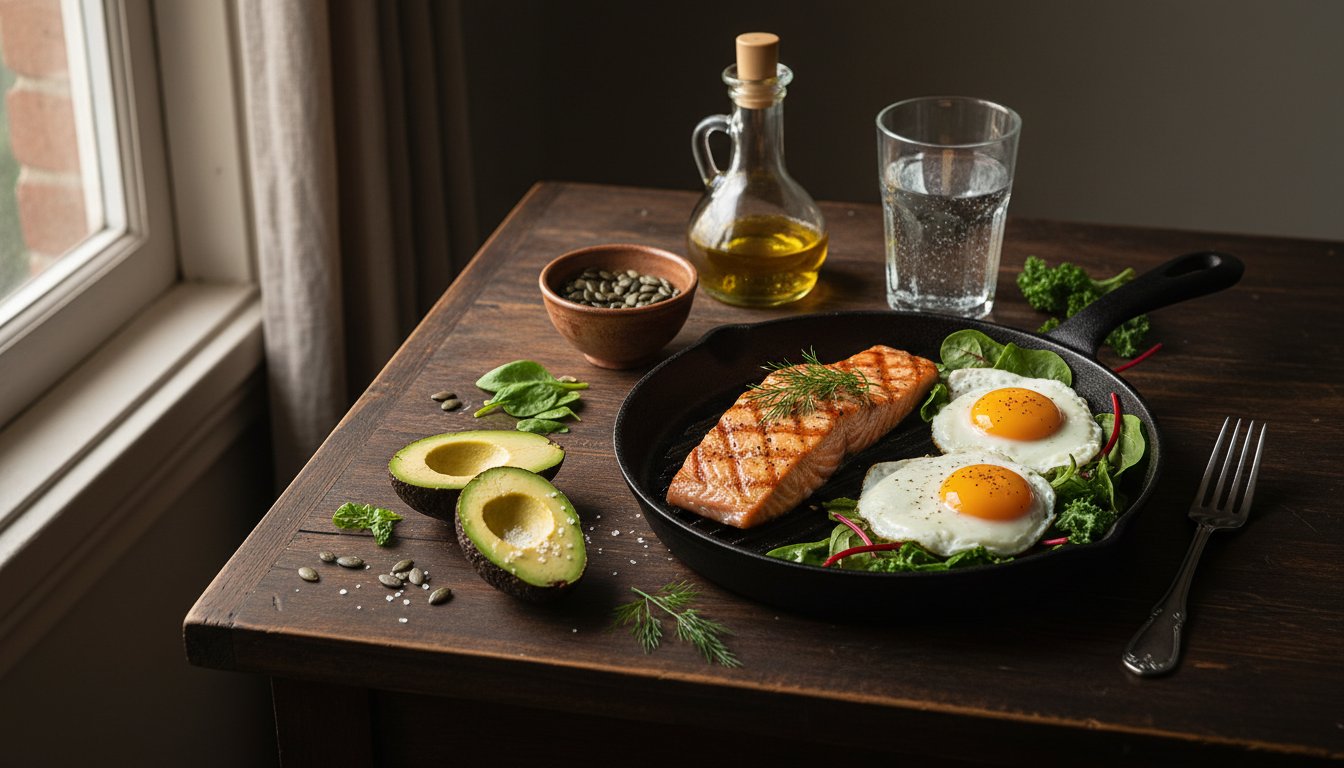
Introduction
A plate of oysters is still just a plate of oysters. It is not testosterone replacement therapy, and neither is a bowl of pumpkin seeds.
People often blur two separate goals: eating in a way that supports normal testosterone production and eating one food that directly “boosts” testosterone. Those are not interchangeable.
A balanced diet can correct poor nutrition, support a healthy body weight, and provide nutrients involved in normal hormone function. That matters. It is also much less dramatic than the promises attached to oysters, eggs, ginger, or glossy supplement stacks. No single meal reliably transforms testosterone levels in a healthy man.
The useful question is not, “What is the strongest testosterone food?” Ask instead: “Is my overall diet helping or undermining the systems that make and regulate testosterone?” That question leads somewhere practical.
TrimRx is a GLP-1 weight loss telehealth company, not a testosterone clinic. We cover this topic because body weight, nutrition, and hormone concerns often appear together. The guidance below is educational. It does not diagnose low testosterone or replace a clinician’s evaluation.
At TrimRx, we believe understanding your options is the first step toward taking control of your health. If you want to see whether a personalized treatment plan is a fit for you, you can start with a quick online visit.
Can Any Food Directly Boost Testosterone?
Not in the way most marketing suggests. No ordinary food acts like testosterone medication or reliably sends testosterone sharply upward in every man who eats it.
Quick Answer: Foods that boost testosterone are not a magic category. No single meal reliably transforms testosterone levels in a healthy man.
Food still matters. Someone who eats too little, relies heavily on ultra-processed meals, avoids entire food groups without replacing their nutrients, or carries significant excess weight may benefit from improving the overall diet. That is a correction of an unfavorable situation, not a universal testosterone hack.
The distinction matters because “testosterone boosting” products often take a small nutrition point and inflate it into a promise. A food contains zinc, so it gets presented as hormone treatment. A meal includes healthy fats, so it becomes a supposed testosterone protocol. The nutrient may be relevant. The leap from “supports normal physiology” to “raises testosterone dramatically” is not justified.
Think of food as the foundation. If the foundation is weak, improving it can help. If testosterone is genuinely low because of a medical condition, food may be one part of the picture, not the whole solution.
Which Foods Provide Nutrients Linked with Testosterone Production?
A varied diet supplies nutrients involved in normal body function. Useful categories include seafood, eggs, dairy foods, meat, beans, lentils, nuts, seeds, fruits, vegetables, and whole grains.
Zinc-rich foods include oysters, meat, dairy foods, beans, and pumpkin seeds. Magnesium is found in leafy greens, beans, nuts, seeds, and whole grains. Eggs, fatty fish, and fortified foods can contribute vitamin D, while sunlight exposure also plays a role in vitamin D status.
The goal is not to build a menu around one nutrient. It is to avoid a diet so narrow that basic nutritional gaps become likely.
Protein deserves attention for another reason. Adequate protein supports muscle maintenance, especially during weight loss or increased resistance exercise. That does not make protein a testosterone booster by itself. It does make protein a sensible part of a diet designed to preserve a strong, healthy body.
Food quality beats food mythology. Salmon with potatoes and greens is a complete meal. A zinc capsule on top of a poor diet is not a substitute for one.
Are Eggs Good for Testosterone?
Eggs are a reasonable part of a balanced diet. They provide protein and several nutrients, making them useful for people who enjoy them and tolerate them well.
The mistake is turning a nutritious food into a hormone prescription. Eating eggs does not confirm that testosterone is low, explain why it might be low, or guarantee that levels will rise.
If you like eggs, eat them at breakfast, lunch, or dinner. Add vegetables, fruit, whole grains, or another source of fiber depending on the meal. The full pattern matters.
The same logic applies to meat, dairy, and seafood. These foods can provide protein and minerals relevant to overall nutrition. None is a standalone solution for low libido, erectile difficulty, or persistent fatigue.
If you have been told to avoid a food because of an allergy, digestive condition, personal preference, or medical advice, do not force it into your diet for testosterone reasons. There is no prize for eating food you cannot tolerate.
Do Oysters and Zinc-rich Foods Raise Testosterone?
Oysters are famous for their zinc content, and zinc is an important nutrient. That does not mean oysters reliably raise testosterone in everyone who eats them.
Zinc matters most when intake is inadequate or a deficiency is present. Correcting that deficiency can support normal body function. Once you are getting enough zinc, piling on more does not create an endless hormone benefit. Excess zinc can cause problems, so high-dose supplements should not be treated as harmless.
Other zinc-rich foods include meat, dairy foods, beans, and pumpkin seeds. Choosing among them comes down to taste, budget, dietary pattern, and tolerance. Skipping oysters does not mean you have skipped a testosterone solution.
A food-first approach is usually the sensible starting point. If a clinician suspects a deficiency, testing and individualized advice are more useful than guessing with large supplement doses.
Do Healthy Fats Support Testosterone?
Dietary fat belongs in a normal diet, and healthy fat sources can fit comfortably into an eating pattern that supports general health. Examples include avocados, olive oil, nuts, seeds, and fatty fish.
That does not mean eating more fat automatically increases testosterone. Hormone function is not improved by turning every meal into a high-fat experiment. The better move is balance: include sensible fat sources alongside enough protein, fiber-rich carbohydrates, fruits, and vegetables.
Very restrictive diets can become a problem when they make it difficult to consume enough calories or essential nutrients. The answer is not to fear carbohydrates or chase fat. Build meals that are satisfying, varied, and realistic enough to maintain.
A simple plate usually beats a complicated supplement strategy. Pair a protein source with vegetables, a fiber-rich carbohydrate, and a moderate portion of healthy fat. It is not flashy. It is sustainable.
Can Vitamin D-rich Foods Improve Testosterone?
Vitamin D is relevant to health. Fatty fish, eggs, and fortified foods can contribute to intake, while sunlight exposure also plays a role in vitamin D status. But “vitamin D-rich” does not mean “testosterone boosting.”
Someone with low vitamin D may need to discuss diet, sunlight, testing, or supplementation with a clinician. The right approach depends on the individual situation. Taking large amounts of vitamin D without knowing whether it is needed is not a sound hormone strategy.
This is the larger point: a nutrient can be important without acting as a guaranteed lever. Correcting a genuine deficiency differs from taking extra amounts in hopes of pushing a normal hormone level higher.
If you are considering supplements, bring the complete list to a healthcare professional. Include over-the-counter products, powders, herbal blends, and anything marketed for male vitality. “Natural” does not automatically mean appropriate or risk-free.
Does Losing Weight Increase Testosterone?
Weight and testosterone can influence each other, which makes this discussion more useful than any list of supposed testosterone foods. Excess weight is associated with lower testosterone in some men, and weight reduction may help when excess weight is contributing to the problem.
That does not mean every man with extra weight has low testosterone. It also does not mean a falling number proves weight is the cause. Symptoms, medical history, medications, sleep, and properly timed bloodwork still matter.
The practical diet question is simple: can your eating pattern help you lose weight without leaving you exhausted and undernourished? A plan built around adequate protein, vegetables, fruit, whole grains, legumes, and manageable portions is more valuable than a menu built around one miracle food.
Aggressive restriction deserves caution. Eating far too little can make a diet impossible to sustain and may leave important nutrients behind. If weight loss is the goal, the best plan is not the one with the most dramatic rules. It is the one you can follow while maintaining adequate nutrition.
TrimRx focuses on medically supervised weight loss with GLP-1 medication. That is a weight-management program, not testosterone treatment. For readers whose main concern is weight, the relevant question is whether a clinician-guided plan is appropriate, not whether one food can solve a hormone concern.
Key Takeaway: Severe calorie restriction, rapid weight loss, heavy alcohol intake, and an unbalanced diet can work against healthy hormone function.
Which Foods May Hurt Testosterone?
There is no need for a forbidden-food panic. One dessert, burger, or restaurant meal does not determine hormone health. The bigger concern is a long-term pattern that crowds out essential nutrients, drives unwanted weight gain, or includes heavy alcohol intake.
A diet built mostly from highly processed foods can make it harder to get enough protein, fiber, vitamins, and minerals. It can also make calorie control more difficult. That is a nutrition problem, not proof that one ingredient has switched testosterone off.
Heavy alcohol intake can interfere with broader health. If it is part of your routine, discuss it honestly with a clinician. Avoiding alcohol does not guarantee normal testosterone, just as drinking it does not explain every hormone symptom.
Stop hunting for a villainous ingredient and examine the pattern. How often do you eat minimally processed foods? Are you getting enough protein? Are you eating enough to support your activity? Is your weight moving in a direction you do not want? Those questions are more useful than a list of internet “testosterone killers.”
Should You Take Testosterone-boosting Supplements?
Most people should not start a testosterone supplement because an advertisement promises more energy, muscle, or libido. The product may contain ingredients you do not need, doses that do not fit your situation, or compounds that deserve closer scrutiny.
The first problem is diagnostic. Fatigue, low mood, low libido, erectile difficulty, and trouble concentrating have several possible causes. A supplement cannot tell you which one is responsible. If testosterone is genuinely low, the cause still needs to be identified.
The second problem is dosage. Correcting a deficiency is not the same as taking a megadose. Zinc, vitamin D, and magnesium all have roles in nutrition, but more is not automatically better. Food is often the cleanest way to improve intake. Testing and clinical guidance can clarify whether supplementation is necessary.
Be especially cautious with products that promise prescription-level effects without prescription-level evaluation. If a product claims to replace medical care, treat that as a warning sign, not a selling point.
When Should Diet Not Be Your Only Plan?
If symptoms persist for weeks or interfere with sex, work, exercise, sleep, or daily life, food experimentation should not be your only response. Low libido and erectile difficulty deserve attention. So do persistent fatigue, a clear decline in strength, depressed mood, or unexplained changes in body composition.
Symptoms alone cannot diagnose low testosterone. A proper evaluation generally includes a medical history and morning blood testing, with repeat testing when the result is low or borderline. Other causes may need to be considered.
Do not use a food list to postpone care when symptoms are significant. Improving your diet is worthwhile, but it should happen alongside appropriate evaluation when there is a real concern.
The most useful dietary changes are usually straightforward: make meals more balanced, rely less on highly processed convenience foods, and choose a sustainable approach to weight management. Then let testing, not a symptom checklist or supplement advertisement, answer the hormone question.
What Does a Testosterone-supportive Day of Eating Look Like?
It does not need to be extreme. Breakfast might include eggs with vegetables and whole-grain toast, or yogurt with fruit, nuts, and seeds. Lunch could include beans, chicken, fish, or another protein with vegetables and a fiber-rich carbohydrate. Dinner might pair seafood or meat with potatoes, brown rice, lentils, or another substantial side, plus a generous serving of vegetables.
Snacks can stay simple: fruit, yogurt, nuts, or vegetables with a protein-rich dip. Water is a better default than sugary drinks. The goal is not nutritional perfection. It is enough variety that your diet does not depend on one meal or supplement.
If you are trying to lose weight, portions still matter. Healthy foods contain calories, and oversized servings can work against your goal. Cutting intake so aggressively that you are constantly exhausted is not a strong long-term strategy either.
Build a pattern you can repeat. A diet that looks impressive for three days and collapses by the weekend has less value than an ordinary plan you can maintain.
The Path Forward
Stop chasing a “testosterone superfood.” Look at the full picture: your symptoms, eating pattern, weight, medications, and whether properly timed bloodwork is needed. If you have persistent low libido, erectile difficulty, fatigue, or loss of strength, arrange a medical evaluation instead of trying to diagnose yourself with food.
TrimRx publishes this educational guide and treats weight with GLP-1 medication, not testosterone. If weight is the concern you want to address, its free assessment quiz can help you determine whether a supervised weight-loss program may be a fit.
Bottom line: TrimRx publishes practical hormone and weight-management education, but its clinical program treats weight with GLP-1 medication rather than testosterone.
FAQ
What Are the Best Foods That Boost Testosterone?
No single food reliably boosts testosterone in every man. A varied diet that includes protein sources, healthy fats, fruits, vegetables, beans, whole grains, nuts, and seeds is more useful than focusing on one ingredient.
Do Eggs Increase Testosterone?
Eggs provide protein and several nutrients, so they can fit into a balanced diet. They should not be treated as direct testosterone treatment or a guaranteed way to raise hormone levels.
Do Oysters Raise Testosterone?
Oysters are rich in zinc, and zinc is important for normal nutrition. They are most relevant when someone is not getting enough zinc. Eating more oysters does not guarantee a testosterone increase when zinc intake is already adequate.
What Foods Are High in Zinc?
Oysters, meat, dairy foods, beans, and pumpkin seeds contain zinc. Someone who avoids oysters can still obtain zinc from several other dietary sources.
Can Healthy Fats Increase Testosterone?
Healthy fats from avocados, olive oil, nuts, seeds, and fatty fish can be part of a balanced diet. They do not automatically raise testosterone simply because they contain fat.
Does Losing Weight Raise Testosterone?
Weight reduction may help men whose excess weight is contributing to lower testosterone. It does not prove that weight is the only cause, and persistent symptoms still warrant proper evaluation and morning bloodwork.
Should I Take a Testosterone Booster Supplement?
Do not assume a supplement is necessary because it is marketed for testosterone. Correcting a confirmed nutrient deficiency differs from taking high doses without testing or medical guidance.
How Do I Know If Low Testosterone Is Causing My Symptoms?
Symptoms alone cannot establish the cause. A healthcare professional can review your history and order morning bloodwork, with repeat testing when appropriate, to determine whether testosterone is actually low.
Disclaimer: This content is for informational purposes only and does not constitute medical advice. It is not intended to diagnose, treat, cure, or prevent any disease or condition. Individual results may vary. Always consult a qualified healthcare professional before starting any treatment or medication.

Transforming Lives, One Step at a Time
Keep reading

Does Rapid Weight Loss on Tirzepatide Affect Bone Density?
Bone density does fall during weight loss, and that is established regardless of how the weight comes off. What is less settled is whether…

Does Wellbutrin Cause Hair Loss? What to Expect
Does Wellbutrin cause hair loss? It’s a question that may come up when you notice increased shedding or changes in your hair after starting…

Is Wellbutrin an SSRI? What You Need to Know
If you’re wondering, “Is Wellbutrin an SSRI?” you’re not alone. Wellbutrin (bupropion) is an antidepressant, but it works differently from common SSRIs by primarily…


