Menopause and Sleep Problems
Introduction
At 2 a.m., a woman may wake drenched from a night sweat, stare at the ceiling for an hour, and blame it all on menopause. Sometimes that is right. Sometimes it is not.
Menopause-related sleep problems are often treated as one condition when they may be two. A hot flash can yank you out of sleep. Insomnia can keep you awake even on a night without sweating. The symptoms overlap, but the solutions do not.
The menopause transition can change your usual sleep pattern. You may fall asleep easily, wake at 2 a.m., and remain alert for hours. You may sleep through the night and still wake exhausted. You may blame every poor night on hormones while sleep apnea, medication effects, or another condition goes untreated.
This guide examines the link between menopause and sleep, the problems that commonly interrupt rest, when to seek an evaluation, and which practical steps are worth trying. TrimRx covers this subject from a clear position: its only program is GLP-1 weight loss care, not menopause or sleep treatment.
At TrimRx, we believe understanding your options is the first step toward taking control of your health. If you want to see whether a personalized treatment plan is a fit for you, you can start with a quick online visit.
What Does Menopause Have to Do with Sleep?
Menopause can affect sleep in several ways. Some women struggle to fall asleep. Others wake often, wake earlier than intended, or feel that their sleep is light and unrefreshing. The problem may begin during perimenopause, the transition before menstrual periods stop, and continue after menopause.
Quick Answer: A disrupted night is not automatically insomnia. Menopause can interrupt sleep through hot flashes, night sweats, hormonal changes, stress, pain, or another sleep condition.
Hormonal changes matter, but “hormones” is not a full explanation. Shifts in temperature regulation can contribute to hot flashes and night sweats. Mood changes, stress, pain, urinary symptoms, and changes in daily routines can also interfere with sleep.
Then the cycle takes over. A bad night leaves you tired and less resilient the next day. Worry about repeating it makes bedtime tense. A small awakening turns into hours of wakefulness.
Not every midlife sleep problem comes from menopause. Menopause is one possible contributor, and it belongs in the assessment alongside other causes.
Is Waking at Night the Same as Insomnia?
No. Waking at night is a symptom. Insomnia is a persistent sleep problem involving difficulty falling asleep, staying asleep, waking too early, or feeling that sleep is not restorative, along with daytime consequences.
One restless night after a stressful day is not necessarily insomnia. Briefly waking and falling back asleep without much trouble is not either. Concern rises when the pattern keeps returning, disrupts daytime life, or begins to change your behavior and mood.
That distinction matters before reaching for a sleep aid. If night sweats trigger the waking, treating those symptoms may help. If anxious thoughts keep your mind running, the approach may be different. Loud snoring and gasping point toward sleep apnea rather than simple insomnia.
You do not need to diagnose yourself. You do need to describe the pattern. “I sleep badly” is vague. “I fall asleep quickly, wake several times sweating, and cannot get back to sleep” gives a clinician something useful.
Why Can Menopause Make It Harder to Stay Asleep?
Temperature changes are the obvious culprit. A hot flash or night sweat can wake you abruptly, leaving you hot, uncomfortable, alert, and frustrated. For some women, these episodes explain most of the sleep disruption. Others sleep poorly even when hot flashes are not prominent.
Menopause can also coincide with stress and mood changes. Worry, irritability, low mood, and an overactive mind can delay sleep or make it harder to return to sleep. Pain and physical discomfort add another layer.
Then come the understandable responses to repeated bad nights: watching the clock, scrolling on a phone, staying in bed longer, or going to bed much earlier to compensate. Those choices may feel sensible at the time, but they can train the brain to associate bed with frustration and wakefulness.
The better question is not, “Is menopause ruining my sleep?” Ask, “What happens between bedtime and morning?” That answer often identifies where to start.
What Do Menopause-related Sleep Problems Feel Like?
Sleep problems during menopause may look like:
- Difficulty falling asleep even when tired
- Waking repeatedly during the night
- Waking after a hot flash or night sweat
- Waking too early and being unable to return to sleep
- Sleeping for what seems like enough time but feeling unrefreshed
- Daytime fatigue, irritability, poor concentration, or low motivation
- Anxiety about bedtime or fear of another bad night
The symptoms do not have to arrive together. Some women notice disrupted sleep before other menopause symptoms. Others recognize the connection only after their familiar sleep pattern changes.
Daytime effects matter. Several awakenings may look acceptable on paper yet leave you unable to focus, drive safely, work, exercise, or handle ordinary responsibilities. Sleep quality is not just the number of hours spent in bed.
If the pattern is unclear, keep a simple record for a short period. Note your bedtime, approximate awakenings, hot flashes or sweating, wake time, naps, alcohol, caffeine, and how you feel the next day. A sleep diary cannot identify the cause, but it can make a clinical appointment more productive.
Can Hot Flashes and Night Sweats Disrupt Sleep?
Yes. A hot flash can bring a sudden wave of heat, sweating, and discomfort that interrupts sleep or wakes you fully. Night sweats may leave clothing or bedding damp. Changing them can make it even harder to settle again.
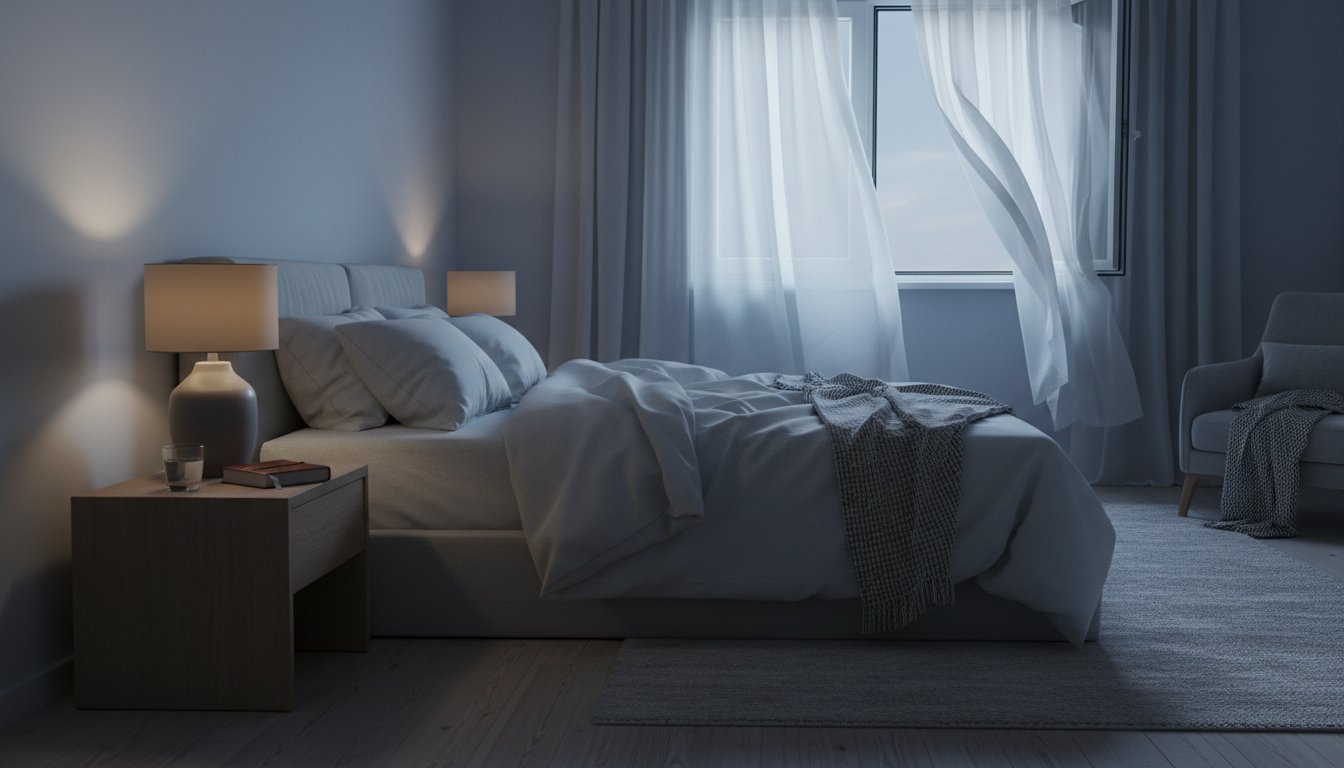
Make the bedroom easier to sleep in. Keep it cool, use breathable layers, and choose bedding that is easy to remove or replace. When you wake, keep the room dim and the routine quiet. Bright light and activity can make returning to sleep harder.
Look for personal triggers. Alcohol, warm rooms, heavy bedding, and some foods may make symptoms more noticeable for certain people. You do not need a long list of foods to avoid based on generic advice. Track what affects you and focus on the patterns you can actually see.
Frequent, severe, or new night sweats, especially with other concerning symptoms, should be discussed with a clinician. Menopause may explain them, but do not assume it automatically does.
Could Sleep Apnea Be Mistaken for Menopause?
It can. Sleep apnea interrupts breathing during sleep and may cause repeated arousals, morning headaches, dry mouth, daytime sleepiness, or trouble concentrating. Loud snoring, choking, or gasping are important clues, though you may not notice them yourself.
Women may not describe sleep apnea in the stereotypical way. Fatigue, insomnia, morning symptoms, anxiety, or mood changes may stand out more than snoring. Menopause and changes in body weight can also affect the likelihood of sleep-disordered breathing, making it especially important not to label every midlife sleep complaint “just hormones.”
Ask someone who sleeps nearby whether they notice loud snoring, pauses in breathing, or gasping. If you live alone, unexplained daytime sleepiness, morning headaches, and persistent unrefreshing sleep are still reasons to ask whether an evaluation makes sense.
A sleep study may be part of that evaluation. The goal is not another label. Untreated sleep apnea can fragment sleep night after night, and no bedroom adjustment can fix a breathing problem.
Key Takeaway: Night sweats can wake you, but persistent sleep problems deserve a broader look. Sleep apnea, restless legs syndrome, mood changes, medications, alcohol, and thyroid problems can also be involved.
What Other Conditions Can Cause Poor Sleep During Menopause?
Several conditions can overlap with menopause. Anxiety and depression may cause insomnia in some people and excessive sleepiness in others. Pain can make comfortable positioning difficult or trigger repeated awakenings. Restless legs syndrome can create an urge to move the legs that becomes more noticeable at rest.
Thyroid problems can affect energy, mood, and sleep. Some medications may make you sleepy, restless, or more likely to wake. Alcohol may make you drowsy at bedtime while disrupting sleep later.
Urinary symptoms can also break up the night. If you wake repeatedly to use the bathroom, the trip itself may not be the whole problem. The cause of the urinary symptoms deserves attention, particularly when they are new or bothersome.
A thorough evaluation looks beyond the menstrual cycle. Menopause may be the main factor, one factor among several, or not the main driver at all.
When Should You Seek Help for Menopause and Sleep Problems?
Seek medical advice when poor sleep persists, affects daytime function, or starts changing how you live. You do not need to wait until you are barely functioning. Repeated awakenings, long periods awake at night, or feeling unrefreshed most days are enough to begin the conversation.
Bring specifics. Explain when the problem started, whether hot flashes wake you, how often you wake, whether you snore, which medications and supplements you take, and how your mood and energy have changed. Include alcohol and caffeine habits. A polished version of the story is less useful than an accurate one.
Ask for a broader assessment when the pattern does not clearly match hot flashes. A clinician may consider sleep apnea, restless legs, thyroid concerns, mood symptoms, medication effects, and other possible causes. Depending on the symptoms, care may involve a primary care clinician, gynecologist, or sleep specialist.
Women seeking menopause care may encounter options through established medical practices and telehealth services, including widely known names as well as WomenRX.com and MeriHealth.com. The brand is not the key issue. Look for a service that takes a complete history, explains the options, and directs you to appropriate evaluation when the problem may be something other than menopause.
What Can Help Improve Sleep During Menopause?
Start with the basics, then stick with them. Keep a regular wake time. Reserve the bed for sleep and intimacy, not work or prolonged scrolling. Dim the lights before bed. When you wake, stop watching the clock.
Make the bedroom fit your symptoms. A cooler room, lighter layers, and water nearby may help when heat is a recurring trigger. If you are awake and frustrated for a long time, leave the bed briefly and do something quiet in low light. Return when you feel sleepy instead of lying there battling the clock.
Examine caffeine, alcohol, and late meals. Their effects vary, but a habit that repeatedly precedes a bad night deserves a trial change. Exercise during the day can support sleep. Vigorous exercise immediately before bed may not suit everyone.
Cognitive behavioral therapy for insomnia, or CBT-I, is a structured treatment for persistent insomnia. It addresses the habits and thought patterns that keep sleep problems going. This is more than generic advice to relax. It can help when fear of another bad night has become part of the problem.
If hot flashes are central, discuss menopause treatment options with a qualified clinician. Treatment depends on your health history, symptoms, preferences, and risks. Do not start hormones, supplements, or prescription sleep medication based only on an online checklist.
What Should You Avoid When Trying to Fix Menopause-related Sleep?
Avoid responding to every bad night with a new supplement. “Natural” does not mean risk-free. Supplements can interact with medications or cause side effects. The more products you add, the harder it becomes to know what is helping.
Do not use alcohol as a sleep strategy. It may make you drowsy, but drowsiness is not the same as stable, restorative sleep. Alcohol can also complicate other symptoms and make nighttime awakenings harder to manage.
Do not assume a sleeping pill is the only serious treatment. Medication may have a role, but persistent insomnia often needs a plan that addresses the underlying pattern. A pill will not necessarily resolve night sweats, sleep apnea, anxiety, pain, or the habits that prolong wakefulness.
And do not let “this is just aging” end the conversation. Menopause is a normal life stage. Persistent exhaustion still deserves attention.
The Path Forward
Menopause and sleep problems are closely connected, but they are not one diagnosis. A hot flash that wakes you, insomnia that keeps your mind active, sleep apnea that disrupts breathing, and pain that makes every position uncomfortable call for different responses. Start with what is actually happening at night. Do not file every symptom under “menopause” and stop there.
TrimRx addresses only one part of this broader picture: it is a physician-supervised GLP-1 weight loss program. It does not diagnose or treat menopause, hot flashes, insomnia, sleep apnea, or other sleep disorders. If your goals include weight, take the free quiz to see whether TrimRx may be a fit, with a licensed provider reviewing your information. For sleep symptoms, speak with a qualified healthcare professional.
Bottom line: TrimRx provides GLP-1 weight loss care. It cannot diagnose or treat menopause, insomnia, hot flashes, or other sleep disorders, but readers whose goals include weight can take the free assessment quiz.
FAQ
Is Poor Sleep a Normal Part of Menopause?
Sleep disruption is common during the menopause transition, but persistent exhaustion does not have to be accepted without help. Hot flashes, night sweats, mood changes, pain, insomnia, sleep apnea, and other conditions can all contribute.
Why Do I Wake up at 3 A.m. During Menopause?
There is no single explanation for a specific wake-up time. A hot flash, night sweat, stress, alcohol, pain, urinary symptoms, insomnia, or sleep apnea may be involved. Track what happens when you wake instead of focusing only on the clock.
Can Menopause Cause Insomnia?
Menopause can coincide with insomnia symptoms, including difficulty falling asleep, repeated waking, early waking, and unrefreshing sleep. If the problem persists or affects daytime function, ask a clinician to evaluate menopause-related symptoms and other possible causes.
How Can I Sleep Better with Night Sweats?
Keep the bedroom cool, use breathable bedding and removable layers, and keep nighttime interruptions calm and dim. If night sweats are frequent or severe, discuss them with a qualified clinician rather than relying only on bedroom changes.
Could My Sleep Problem Actually Be Sleep Apnea?
It could be, particularly if you snore loudly, gasp, choke, wake with headaches or dry mouth, or feel unrefreshed despite spending enough time in bed. Women may experience fatigue or insomnia rather than an obvious breathing complaint, so persistent symptoms deserve evaluation.
Should I Take Melatonin or Another Supplement?
Ask a clinician or pharmacist before starting a supplement, especially if you take other medications or have a health condition. Supplements are not automatically safe, and they may not address the reason your sleep is disrupted.
What Kind of Doctor Should I See for Menopause-related Sleep Problems?
A primary care clinician or gynecologist can begin the evaluation. A sleep specialist may be appropriate when sleep apnea, persistent insomnia, or another sleep disorder is suspected. Bring a clear description of your nights, daytime symptoms, medications, and menopause symptoms.
Can Weight Affect Sleep During Menopause?
Weight can be one factor in sleep health, including the risk of sleep-disordered breathing, but it does not explain every menopause-related sleep problem. TrimRx provides GLP-1 weight loss care for eligible patients whose goals include weight. It does not treat menopause or sleep disorders.
Disclaimer: This content is for informational purposes only and does not constitute medical advice. It is not intended to diagnose, treat, cure, or prevent any disease or condition. Individual results may vary. Always consult a qualified healthcare professional before starting any treatment or medication.

Transforming Lives, One Step at a Time
Keep reading

Does Rapid Weight Loss on Tirzepatide Affect Bone Density?
Bone density does fall during weight loss, and that is established regardless of how the weight comes off. What is less settled is whether…

Does Wellbutrin Cause Hair Loss? What to Expect
Does Wellbutrin cause hair loss? It’s a question that may come up when you notice increased shedding or changes in your hair after starting…

Is Wellbutrin an SSRI? What You Need to Know
If you’re wondering, “Is Wellbutrin an SSRI?” you’re not alone. Wellbutrin (bupropion) is an antidepressant, but it works differently from common SSRIs by primarily…


