Sleep and Testosterone: How Rest Affects Male Hormones
Introduction
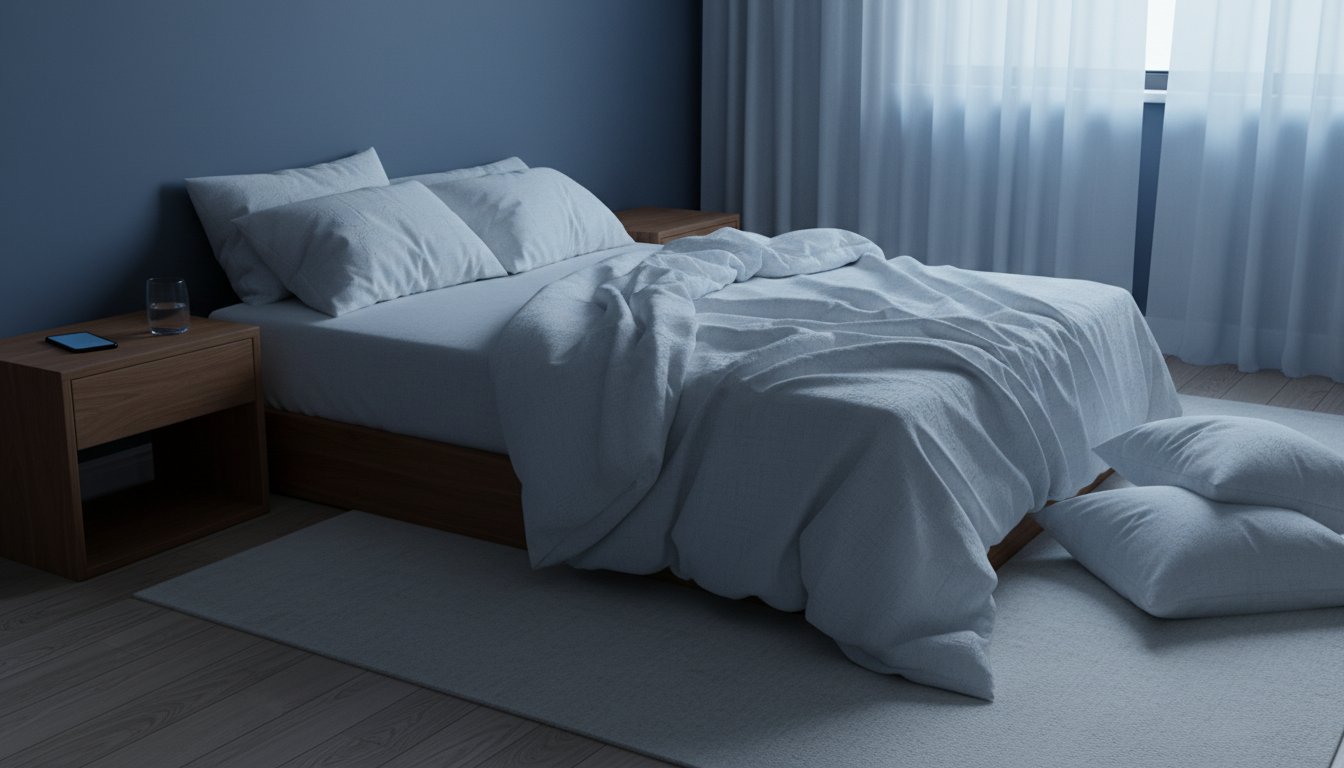
At 2:17 in the morning, you reach for your phone without fully waking up. You check the time, scroll for a minute, and promise yourself you will stop after one more video. The alarm arrives before you feel ready. By breakfast, you are tired, irritable, and wondering whether low testosterone is part of the problem.
That question is not misplaced. Sleep and testosterone are closely connected, but the relationship is more complicated than “sleep more, raise testosterone.” Rest gives the body the conditions it needs for normal hormone signaling. Poor sleep can disrupt that process. Yet fatigue, low motivation, reduced sex drive, weight gain, medications, depression, sleep apnea, and true testosterone deficiency can look remarkably similar.
This guide explains what sleep has to do with testosterone, which sleep problems deserve medical attention, how to think about testing, and where lifestyle changes stop being enough. TrimRx publishes this article as general education. Our program focuses on GLP-1 medication for weight loss, not testosterone treatment, though body weight and sleep often sit in the same health conversation.
At TrimRx, we believe understanding your options is the first step toward taking control of your health. If you want to see whether a personalized treatment plan is a fit for you, you can start with a quick online visit.
How Are Sleep and Testosterone Connected?
Testosterone production is regulated by a communication loop involving the brain, pituitary gland, and testes. Sleep is part of the environment in which that loop operates. During normal sleep, the body moves through repeating stages, and hormone release follows its own rhythm rather than staying flat throughout the day.
Quick Answer: Poor sleep can interfere with testosterone production, especially when short or disrupted sleep becomes a pattern.
Testosterone commonly rises during sleep and is often highest in the morning. That is one reason clinicians usually order testosterone testing early in the day. A result collected after a poor night, late in the afternoon, or during an irregular work schedule may not represent the same thing as a properly timed measurement.
The connection runs in both directions. Sleep disruption can affect testosterone, while low testosterone may contribute to symptoms that make sleep and daily functioning harder. The two can also share a third cause. Excess weight, for example, can be associated with sleep-disordered breathing, reduced energy, and lower testosterone. Treating one piece may help, but assuming that every symptom comes from hormones is a mistake.
Can One Bad Night Lower Testosterone?
One poor night can leave you feeling less energetic, more distracted, and less interested in sex. It does not prove that you have testosterone deficiency.
Testosterone changes from day to day. Sleep quality, illness, stress, alcohol, changes in schedule, and the timing of the blood draw can all influence a result. That is why a single low measurement should not automatically lead to treatment.
A proper evaluation looks for a consistent pattern. Clinicians generally consider symptoms alongside repeated early-morning testosterone testing. If the level remains low, additional testing can help determine whether the issue begins in the testes or in the brain’s hormonal signaling system.
The practical takeaway is simple: do not diagnose yourself from one exhausted Monday. If you have persistent symptoms, arrange a medical evaluation rather than trying to interpret one lab result in isolation.
What Happens to Testosterone When Sleep Is Consistently Poor?
Repeated sleep loss and frequent nighttime awakenings can interfere with the normal daily pattern of testosterone release. The exact effect varies from one person to another, but chronic disruption is more concerning than an occasional late night.
This matters because testosterone is not produced independently of the rest of the body. The brain needs to coordinate hormone signals, the testes need to respond, and sleep supports the broader process. When sleep becomes fragmented or severely restricted, that coordination may suffer.
Poor sleep also changes how the problem feels. A tired man may report reduced concentration, lower drive, irritability, less exercise, and reduced sexual interest. Those symptoms can overlap with low testosterone, but they are not specific to it. Sleep deprivation alone can make someone feel hormonally unwell.
That is why a testosterone-focused plan that ignores sleep is incomplete. If the underlying problem is a broken sleep schedule or repeated airway obstruction, simply chasing a higher hormone number may miss the main driver.
Does Sleep Apnea Affect Testosterone?
Sleep apnea is a major reason to take nighttime symptoms seriously. In obstructive sleep apnea, the upper airway repeatedly narrows or closes during sleep. Breathing becomes disrupted, sleep fragments, and the body does not get the continuous rest it needs.
Men with sleep apnea may snore loudly, gasp or choke during sleep, wake with a dry mouth or headache, or feel unrefreshed even after spending plenty of time in bed. A bed partner may notice the breathing pauses before the person who has them does.
Sleep apnea can coexist with low testosterone symptoms, erectile difficulties, weight gain, and daytime fatigue. It should not be treated as a minor nuisance. Untreated sleep apnea has broader health implications, and it can complicate decisions about testosterone therapy.
If you regularly snore heavily, wake gasping, or remain exhausted during the day, ask a clinician whether a sleep evaluation is appropriate. Testing may involve an at-home study or an overnight assessment, depending on your situation. The right treatment depends on the diagnosis. Improving sleep quality may help hormone function, but the immediate goal is restoring safe, continuous breathing at night.
Can Testosterone Therapy Worsen Sleep Apnea?
Testosterone therapy is not a casual fix for tiredness. It has potential benefits for men with confirmed hypogonadism, but it also requires screening, monitoring, and a clear understanding of risks.
Untreated severe obstructive sleep apnea is a concern when considering testosterone treatment. Testosterone can affect breathing during sleep in some men, so a clinician should address suspected or known sleep apnea before starting therapy. That does not mean every man with sleep apnea can never receive testosterone. It means the sleep disorder belongs in the decision, not in the footnotes.
This is also why online hormone programs that focus only on a number can be frustrating. A low testosterone result is not the entire diagnosis. Symptoms, repeat testing, medical history, fertility goals, medications, examination findings, and sleep health all matter.
If you are already using testosterone and your snoring, gasping, morning headaches, or daytime sleepiness has become worse, contact the prescribing clinician. Do not change the dose on your own.
How Much Sleep Do Men Need for Healthy Testosterone?
There is no magic bedtime that guarantees a healthy testosterone level. The useful target is consistent, restorative sleep that matches your body’s needs and schedule.
For one man, the problem is staying up late with work. For another, it is waking repeatedly to care for a child, working rotating shifts, or spending the night with a phone within reach. Someone else may spend enough hours in bed but have sleep apnea, restless legs, chronic pain, reflux, or insomnia that prevents restorative rest.
Focus on the quality and regularity of your sleep rather than treating a single number as a hormone prescription. Keep a stable sleep and wake schedule when possible. Make the bedroom dark, quiet, and comfortable. Limit stimulating screens close to bedtime. Avoid using alcohol as a sleep aid, since it can make sleep more fragmented even when it helps you fall asleep.
These measures are not glamorous. They are still more useful than most “natural testosterone booster” claims. A supplement cannot compensate for a sleep schedule that leaves you exhausted every morning.
Does a Late Bedtime Matter If You Sleep In?
Timing matters, but it is not as simple as labeling every late bedtime unhealthy. Night-shift workers and people with delayed schedules can sleep for a long period and still struggle because their sleep timing conflicts with light exposure, work demands, meals, and the body’s circadian rhythm.
Sleeping in may help you recover after a short night, but it does not always erase the effects of repeated schedule changes. A constantly shifting pattern can make it harder to maintain consistent sleep and may complicate the timing of testosterone testing.
If you work nights, tell the clinician who orders your testosterone test. “Morning” should make sense in relation to your sleep schedule, not just the number on the clock. A provider may interpret the result differently depending on when you normally sleep and wake.
The same point applies to travel and irregular weekends. Hormone testing is not a snapshot detached from context. The timing of the sample, your recent sleep, and your usual schedule should all be part of the conversation.
Key Takeaway: Sleep apnea, fragmented sleep, shift work, stress, alcohol, and excess weight can all complicate the relationship between sleep and testosterone.
Can Weight Affect Both Sleep and Testosterone?
Weight can connect these issues in several ways. Excess weight is associated with sleep problems, including obstructive sleep apnea, and it is also commonly seen in men who report low testosterone symptoms. Reduced activity, disrupted sleep, metabolic health problems, and lower energy can reinforce one another.
That does not mean weight is always the cause of low testosterone. A man can have primary testicular disease, pituitary disease, medication-related suppression, or another medical explanation. It also does not mean losing weight automatically resolves every hormone concern.
Still, weight is worth addressing because it can influence more than the scale. A clinician may evaluate sleep symptoms, blood pressure, glucose regulation, medications, and hormone levels together rather than treating each one as a separate problem.
TrimRx’s role is limited and clear. We offer a GLP-1 weight loss program through telehealth. We do not diagnose or treat sleep apnea, and we do not provide testosterone replacement. If weight is one of your goals, the free quiz can help you explore whether a medically supervised weight loss program may fit.
What Should You Do If You Have Low Testosterone Symptoms and Poor Sleep?
Start with the symptoms that have persisted, not the most alarming result you found online. Write down your sleep schedule, nighttime awakenings, snoring, gasping, morning erections, sex drive, energy, mood, medications, alcohol use, and recent changes in weight.
Then arrange a medical evaluation. Persistent low libido, erectile dysfunction, reduced muscle strength, loss of body hair, breast tenderness, or significant fatigue deserve attention, especially when they occur together. These symptoms do not prove low testosterone, but they are reasonable reasons to investigate.
Testing often begins with early-morning testosterone measurements on separate occasions. If the result is low, clinicians may check related hormones to determine whether the problem comes from the testes or from reduced signaling by the brain and pituitary. The evaluation may also include a medication review and questions about sleep apnea.
Do not start testosterone, clomiphene, “test boosters,” or another hormone product based on symptoms alone. The wrong treatment can obscure the diagnosis, create side effects, and delay care for a sleep disorder that needs a different solution.
Which Sleep Habits Are Most Likely to Help?
The best sleep plan is usually boring, repeatable, and specific. Start with the habits that remove obvious friction.
Keep your wake time as consistent as your life allows. Get bright light early in your day and dim the environment as bedtime approaches. Reserve the bed for sleep rather than work, television, or endless scrolling. If you cannot sleep, get up briefly and do something quiet in low light before returning to bed.
Caffeine can remain active for hours, so late-day use may matter even when you fall asleep easily. Alcohol may make you drowsy but can disturb sleep later in the night. Heavy meals close to bedtime can be a problem for some people, particularly if reflux is involved.
Exercise supports sleep and overall health, though an intense workout immediately before bed can be stimulating for some. The goal is not a perfect routine. It is a pattern you can maintain long enough to see whether your nights and mornings change.
If insomnia persists despite basic changes, seek help. Cognitive behavioral therapy for insomnia is a structured treatment, not simply generic advice to relax. If snoring and breathing pauses dominate the picture, sleep evaluation is more important than another bedtime supplement.
When Should You Ask a Doctor About Sleep and Testosterone?
Make an appointment if fatigue, low sex drive, erectile problems, or reduced physical performance continue despite reasonable attention to sleep. Also ask for help if you snore loudly, wake choking, experience witnessed breathing pauses, or feel dangerously sleepy during the day.
Seek prompt medical advice if you have severe daytime sleepiness while driving or operating equipment. Sleep-related safety is more urgent than optimizing a laboratory value.
If you are considering testosterone therapy, bring up sleep apnea before treatment begins. If you are already receiving testosterone, report new or worsening breathing symptoms during sleep. A provider may need to reassess the treatment and investigate other causes of your symptoms.
The aim is not to blame every hormone complaint on sleep. It is to avoid overlooking a reversible, clinically important part of the picture.
The Path Forward
Sleep is one of the most practical places to start when energy, libido, and testosterone concerns appear together. Protecting a regular sleep schedule, taking snoring and breathing pauses seriously, limiting alcohol near bedtime, and seeking evaluation for persistent symptoms can move the conversation in the right direction.
TrimRx can help with one part of that picture and only one part: we provide a GLP-1 weight loss program through telehealth. We cannot diagnose sleep disorders, treat sleep apnea, or provide testosterone therapy. If your goals include weight loss, take the free quiz to see whether a medically supervised program may be appropriate for you.
Bottom line: Improving sleep is a sensible first move, but it is not a substitute for evaluating persistent symptoms or a confirmed hormone problem.
FAQ
Does Lack of Sleep Lower Testosterone?
Repeated short or disrupted sleep can interfere with the body’s normal testosterone rhythm. One poor night does not establish testosterone deficiency, and persistent symptoms should be evaluated rather than attributed to sleep alone.
Is Testosterone Highest in the Morning?
Testosterone commonly follows a daily rhythm and is often highest in the morning after sleep. That is why clinicians generally use early-morning testing when evaluating possible testosterone deficiency.
Can Sleep Apnea Cause Low Testosterone?
Sleep apnea can disrupt sleep and may occur alongside symptoms associated with low testosterone. It should be evaluated on its own because untreated sleep apnea affects breathing and overall health, whether or not testosterone is low.
Should You Take Testosterone If You Have Sleep Apnea?
Known or suspected severe untreated obstructive sleep apnea is an important concern before starting testosterone therapy. Discuss it with the prescribing clinician so the sleep disorder and hormone treatment can be considered together.
How Do You Test Testosterone Accurately?
Clinicians generally assess symptoms alongside repeated early-morning testosterone measurements. If a result is low, additional hormone testing may help identify whether the issue involves the testes or the brain’s signaling system.
Can Sleeping in Fix Low Testosterone?
Sleeping longer after a poor night may help you feel better, but it does not necessarily correct persistent sleep disruption or a medical cause of low testosterone. A regular schedule and evaluation of ongoing symptoms are more useful than relying on occasional catch-up sleep.
Do Natural Testosterone Boosters Improve Sleep and Testosterone?
Many products marketed as natural testosterone boosters make claims that are not a substitute for medical evaluation. Sleep quality, treatment of sleep disorders, exercise, medication review, and proper testing are more reliable starting points.
Can Weight Loss Improve Sleep and Testosterone?
Weight can be connected to both sleep problems and low testosterone symptoms, but the relationship varies. Weight loss may be one part of a broader health plan, while persistent hormone or sleep concerns still need appropriate clinical evaluation.
Disclaimer: This content is for informational purposes only and does not constitute medical advice. It is not intended to diagnose, treat, cure, or prevent any disease or condition. Individual results may vary. Always consult a qualified healthcare professional before starting any treatment or medication.

Transforming Lives, One Step at a Time
Keep reading

Does Rapid Weight Loss on Tirzepatide Affect Bone Density?
Bone density does fall during weight loss, and that is established regardless of how the weight comes off. What is less settled is whether…

Does Wellbutrin Cause Hair Loss? What to Expect
Does Wellbutrin cause hair loss? It’s a question that may come up when you notice increased shedding or changes in your hair after starting…

Is Wellbutrin an SSRI? What You Need to Know
If you’re wondering, “Is Wellbutrin an SSRI?” you’re not alone. Wellbutrin (bupropion) is an antidepressant, but it works differently from common SSRIs by primarily…


