Testosterone Injection vs Gel vs Pellet
Introduction
People often mistake the delivery method for the treatment itself. An injection, gel, and pellet are not different diagnoses or different kinds of hormone. They are different ways to deliver testosterone replacement therapy. That practical distinction matters more than the sales pitch.
One man may want a simple recurring schedule. Another may hate needles but manage a daily application without trouble. A third may prefer fewer treatment decisions, even knowing that dose changes become harder later. None of these options should come before confirming that low testosterone is actually present.
TrimRx is a physician-supervised GLP-1 weight loss telehealth program, not a testosterone clinic. We cover this comparison because excess weight can overlap with low energy, reduced libido, and low testosterone readings. If weight is part of the picture, it deserves attention alongside any hormone discussion, not as an afterthought.
At TrimRx, we believe understanding your options is the first step toward taking control of your health. If you want to see whether a personalized treatment plan is a fit for you, you can start with a quick online visit.
What Is the Difference Between an Injection, Gel, and Pellet?
The basic difference is how testosterone enters the body and how much control you retain after treatment starts.
Quick Answer: Testosterone injections, gels, and pellets all deliver testosterone. They differ in dosing control, convenience, visibility, monitoring, and how easily treatment can be changed.
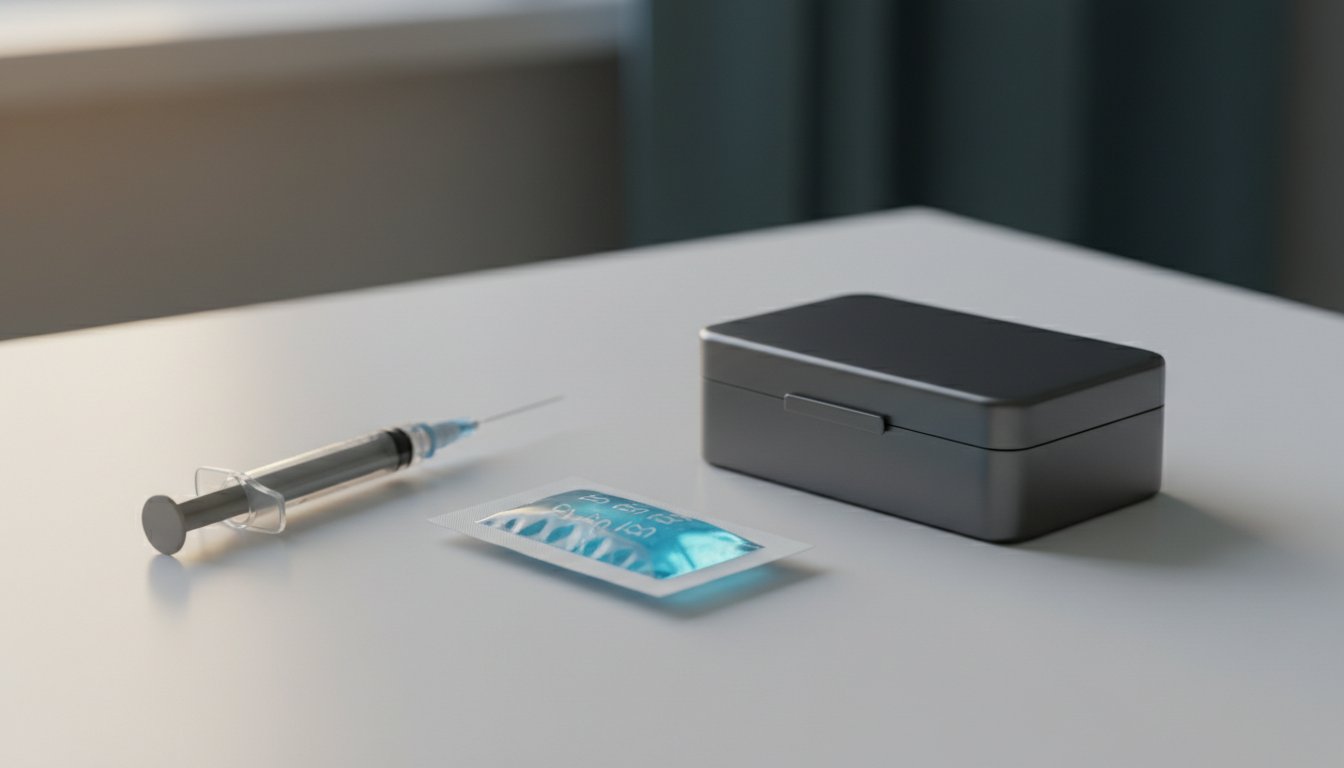
Injections deliver testosterone through a needle at scheduled intervals. Gels deliver it through the skin as part of a daily routine. Pellets go beneath the skin during a minor procedure and release testosterone over time.
That choice affects nearly every practical detail: treatment frequency, visibility, dose changes, follow-up, and the inconveniences attached to each method.
Testosterone is not automatically “stronger” because it comes by injection or more “natural” because it comes as a gel or pellet. The useful questions are whether treatment is medically appropriate, whether the dose keeps levels in the intended range, and whether the format fits your life well enough to use consistently.
How Do Testosterone Injections Work?
Testosterone injections place medication directly into muscle or beneath the skin, depending on the prescribed product and technique. They are a long-established form of testosterone replacement, familiar to many clinicians and patients.
The main advantage is direct delivery. There is no daily application, no concern about skin contact after absorption, and no implanted device. The schedule depends on the specific medication and prescription. Follow the timing set by your clinician rather than copying someone else’s routine.
The main drawback is fluctuation. Some men feel that treatment works more strongly early in the dosing interval and less consistently as the next dose approaches. Others notice no meaningful pattern. When appropriate, a clinician can adjust the dose or timing, but finding a tolerable schedule may take monitoring and trial.
Needles are the other obvious issue. Some men handle self-injection or scheduled injections comfortably. Others dislike the process enough that they start skipping treatment. A convenient schedule is useless if you will not follow it.
What Are the Advantages and Drawbacks of Testosterone Gel?
Testosterone gel goes on the skin on a regular schedule, generally every day. It avoids needles and does not require a procedure, which makes it attractive to men who want a less invasive option.
Its strongest advantage is flexibility. Because the medication is applied routinely rather than implanted for an extended period, a clinician can change or stop treatment without waiting for an implanted dose to wear off. That matters when you are still finding the right regimen or a medical concern calls for a reassessment.
The cost is consistency. You must apply the gel as directed and follow the product instructions for the application site. Men who travel often, forget topical medication, or dislike daily routines may find that gel creates more work than expected.
Transfer to another person is the major safety concern. Testosterone gel can move from treated skin through close contact, particularly when the application area is not handled properly. Follow instructions about covering the site, washing your hands, and avoiding contact that could expose someone else. This is not a footnote. It is part of using the medication correctly.
How Do Testosterone Pellets Work?
Testosterone pellets are inserted beneath the skin during an office procedure. They release testosterone over an extended period, reducing the need for frequent injections or daily gel.
The appeal is obvious: fewer recurring treatment decisions. Once the pellets are placed, you do not have to remember an application each day or manage repeated injections during that treatment period. For someone who wants less medication handling, that simplicity can matter.
The trade-off is limited flexibility. With gel or injections, a clinician can change the next dose or stop treatment without another long-lasting delivery system already in place. With pellets, the dose has been implanted. If it is poorly tolerated or needs to change, the situation is harder to adjust.
Insertion is also a procedure, bringing considerations that do not apply to gel. Ask how the insertion is performed, what follow-up involves, and what happens if the plan changes before the pellets finish releasing testosterone.
Which Option Is Easiest to Adjust?
Gel is generally the easiest format to change. It is used on a recurring basis and requires neither an injection nor an implanted device. If a clinician changes the dose or stops treatment, there is no pellet under the skin and no completed injection that must gradually wear off.
Injections still offer reasonable control over future treatment. But medication from a completed injection cannot be taken back. Changing the next dose or the interval may help address symptoms or blood-test results, while the most recent dose continues to run its course.
Pellets are the least flexible after insertion. That does not make them wrong. It makes the decision more consequential. A man who is new to testosterone therapy, unsure how he will respond, or likely to need frequent changes may value adjustability more than a reduced treatment schedule.
Which Form Has the Most Convenient Routine?
Convenience depends on which burden you would rather manage.
Injections reduce daily tasks but require needles and scheduled dosing. Gels avoid needles but demand daily application and careful transfer precautions. Pellets reduce ongoing medication handling but require an office insertion and provide less control once placed.
There is no universal winner. A man who hates daily applications may find injections easier. Someone who refuses needles may prefer gel. Someone who wants the fewest recurring treatment decisions may favor pellets, provided he understands the loss of flexibility.
The better question is not “Which option is best?” It is “Which inconvenience am I most likely to handle consistently?” That answer often predicts satisfaction better than a comparison chart.
Key Takeaway: Gels provide daily dosing and can be adjusted without a procedure. They also require consistent application and precautions to prevent transfer to another person.
Do Injections, Gels, and Pellets Have Different Safety Concerns?
All testosterone replacement options require medical oversight. The delivery method changes the practical risks, but testosterone is not a casual wellness product in any form.
Injections can produce unwanted highs and lows for some patients, depending on the product, dose, and schedule. Gel creates a transfer risk because testosterone can move from treated skin to another person through contact. Pellets add the considerations of an insertion procedure and the difficulty of changing the dose afterward.
Testosterone therapy can also suppress sperm production. For a man trying to preserve fertility, that is not a side note. It belongs near the beginning of the conversation.
Before prescribing, a clinician should review the diagnosis, symptoms, bloodwork, medical history, medications, fertility goals, and follow-up plan. Monitoring is not administrative clutter. It is how the provider determines whether treatment is helping without creating another problem.
How Does Each Option Affect Monitoring?
Injections, gels, and pellets all require monitoring. The schedule and interpretation of testing depend on the medication, timing, symptoms, and clinical situation.
Timing matters especially with injections. Levels may differ depending on where you are in the dosing interval. A result taken soon after a dose may tell a different story from one taken just before the next. Follow the provider’s instructions rather than treating every testosterone number as interchangeable.
Gels also require attention to timing and application. The clinician needs to know when the product was applied and when the sample was collected. Accidental contamination near the application site can complicate the result, making careful testing instructions important.
Pellets provide longer-lasting delivery, but follow-up still matters. Lower maintenance does not mean no monitoring. Symptoms, bloodwork, and treatment goals remain relevant after insertion.
Can the Right Form Change Over Time?
Yes. The best format at the beginning may not remain the best one.
A man may start with gel to see how he responds before committing to injections or pellets. Another may move away from injections if the dosing pattern feels uneven or the needle routine becomes burdensome. Someone using gel may decide that daily application and transfer precautions are too difficult to maintain.
Pellets can suit a patient who understands the trade-off and wants a longer-lasting option. They are a less obvious first choice for someone who needs frequent adjustments or is still unsure whether testosterone is the right treatment.
Treatment is a monitored plan, not a permanent identity. If symptoms do not improve, bloodwork does not support the intended effect, or side effects appear, the answer is not automatically a higher dose. It may be a different delivery method, a different diagnosis, or no testosterone treatment at all.
How Should You Choose Between Injection, Gel, and Pellet?
Start with the diagnosis, not the format. Testosterone replacement is intended for men with compatible symptoms and consistently low testosterone confirmed through appropriate testing. Fatigue, weight gain, low mood, and reduced libido can also stem from poor sleep, stress, depression, thyroid disease, medications, and excess weight. A delivery method cannot fix the wrong diagnosis.
Then be honest about your priorities:
- Do I want to avoid needles?
- Can I reliably manage a daily application?
- Do I need to change or stop treatment quickly?
- Am I comfortable with an office procedure?
- Am I trying to preserve fertility?
- Will I follow the required monitoring plan?
A licensed provider can explain these trade-offs and determine what fits your medical history. Men may encounter testosterone care through telehealth services such as HealthRX.com or FormBlends, as well as through local primary care, urology, and endocrinology practices. The provider matters less than whether the evaluation confirms the diagnosis and includes responsible follow-up.
The Path Forward
Testosterone injection vs gel vs pellet is not a contest with one universal winner. Injections reduce daily medication tasks but involve needles and may feel uneven between doses. Gel is adjustable and needle-free, but it requires consistency and careful transfer precautions. Pellets simplify the routine after insertion, but they are harder to adjust once placed.
TrimRx is a GLP-1 weight loss program, not a testosterone provider. The honest takeaway is simple: confirm low testosterone before choosing a delivery method, and address excess weight when it is part of the picture. If weight loss is one of your goals, the TrimRx quiz can help you see whether a medically supervised GLP-1 program may fit.
Bottom line: The right format depends on a confirmed diagnosis, treatment goals, fertility plans, comfort with needles or procedures, and how much control you want over each dose.
FAQ
Is Testosterone Injection Better Than Gel?
Neither is automatically better. Injections may suit someone who prefers scheduled dosing and wants to avoid daily application. Gel may suit someone who wants a needle-free option that can be adjusted more easily. The right choice depends on diagnosis, routine, comfort, fertility plans, and follow-up.
Are Testosterone Pellets Better Than Injections?
Pellets may appeal to men who want fewer recurring treatment tasks. Injections provide more control over future dosing decisions. Pellets are less flexible after insertion, so they may not suit someone who is still determining how he responds to testosterone therapy.
Which Testosterone Option Works Fastest?
Do not choose based on a promise of speed. The important question is whether testosterone therapy is medically appropriate and whether the chosen product produces an appropriate response under monitoring. A provider should explain what to expect from the specific prescription rather than making a broad claim about one format.
Do Testosterone Gels Transfer to Other People?
They can. That is why application and contact precautions matter. Follow the product instructions, wash your hands as directed, and ask the prescribing provider how to reduce the chance of exposing another person.
Are Testosterone Pellets Permanent?
Pellets are placed under the skin and release testosterone over time, but they are not a permanent treatment. The key distinction is that once inserted, they are harder to adjust or stop than recurring gel or a future injection.
Can Testosterone Replacement Affect Fertility?
Yes. Testosterone therapy can suppress sperm production. Men who want to preserve fertility need to raise that issue before treatment begins. A clinician can discuss whether testosterone replacement fits those goals.
Do All Testosterone Treatments Require Blood Tests?
Medical supervision and monitoring matter with injections, gels, and pellets. Testing timing can differ by delivery method, so follow the provider’s instructions and interpret results in the context of when the medication was used.
Should I Use Testosterone If I Only Feel Tired?
Not without an evaluation. Fatigue has many possible causes, including poor sleep, mood disorders, medical conditions, medications, and excess weight. Testosterone treatment should follow compatible symptoms and properly confirmed low testosterone, not fatigue alone.
Disclaimer: This content is for informational purposes only and does not constitute medical advice. It is not intended to diagnose, treat, cure, or prevent any disease or condition. Individual results may vary. Always consult a qualified healthcare professional before starting any treatment or medication.

Transforming Lives, One Step at a Time
Keep reading

Does Rapid Weight Loss on Tirzepatide Affect Bone Density?
Bone density does fall during weight loss, and that is established regardless of how the weight comes off. What is less settled is whether…

Does Wellbutrin Cause Hair Loss? What to Expect
Does Wellbutrin cause hair loss? It’s a question that may come up when you notice increased shedding or changes in your hair after starting…

Is Wellbutrin an SSRI? What You Need to Know
If you’re wondering, “Is Wellbutrin an SSRI?” you’re not alone. Wellbutrin (bupropion) is an antidepressant, but it works differently from common SSRIs by primarily…


