Gallstones Found on a Scan While on Semaglutide: Do You Have to Stop?
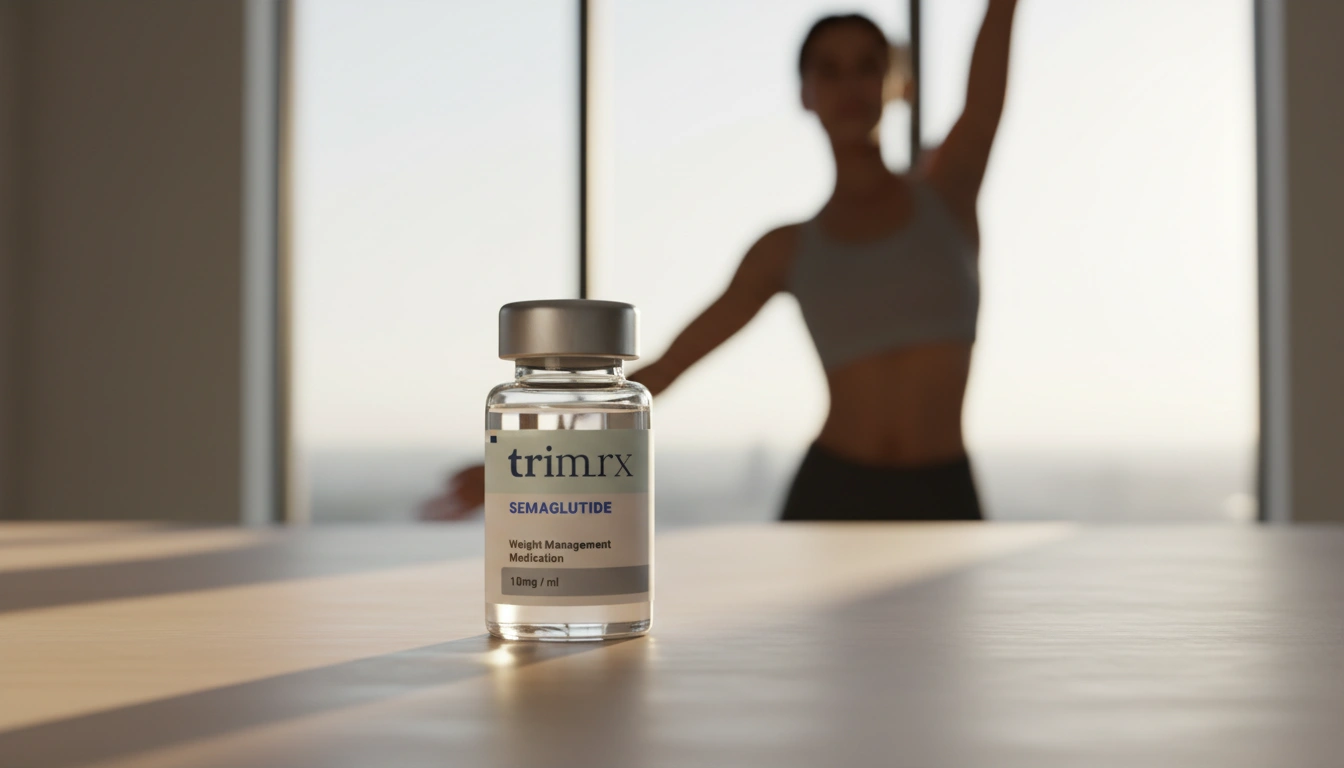
Not automatically. Gallstones found incidentally, without symptoms, are common in the general population and are frequently managed by watching rather than acting. The decision about your medication belongs to your prescriber, and it turns on whether you have symptoms, how much weight you are losing and how fast, and what the scan actually showed.
What should not happen is that you stop on your own, or that you continue without telling the prescriber. Both are common and both remove the person who should be making this call.
What is known about the association
A meta-analysis of 76 randomized trials involving more than 100,000 patients found that GLP-1 use was associated with an increased risk of gallbladder and biliary disease, including gallstones and gallbladder inflammation. The risk was higher at higher doses, over longer durations, and when these medications were used for weight loss rather than diabetes.
The absolute increase was modest, estimated in one analysis at an additional 27 cases per 10,000 people treated per year.
Two mechanisms are usually cited: these medications reduce gallbladder contraction and emptying, and rapid weight loss itself promotes stone formation by changing the composition of bile.
That second mechanism matters for interpretation. Substantial weight loss by any route, including diet and surgery, raises gallstone risk. The medication is part of the picture rather than the whole of it.
What determines the decision
Do you have symptoms? This is the main question. Asymptomatic stones found on a scan done for something else are a different situation from stones causing pain.
What did the scan show? Stones in the gallbladder are not the same as stones in the bile duct, or as a thickened gallbladder wall, or as signs of inflammation.
How fast are you losing weight? Very rapid loss is itself a risk factor, and pace is something your provider can influence.
Where are you in treatment? Someone at a stable maintenance dose is in a different position from someone still escalating.
What else is going on? Other risk factors, other conditions, and other medications all feed in.
Consider this scenario: a patient has an abdominal scan for an unrelated problem, gallstones are mentioned in the report, and nobody connects it to their weight loss medication because the scan was ordered by a different service. They read about the association online, stop their medication in alarm, and regain weight over the following months. The stones were asymptomatic and might never have caused trouble. The decision that had real consequences was the one they made alone.
Know the symptoms
This is the part to remember regardless of what gets decided.
Biliary colic typically presents as severe, steady pain in the upper right abdomen or just below the breastbone, often radiating to the right shoulder blade or back. It frequently follows a fatty meal, can last from under an hour to several hours, and is often accompanied by nausea and vomiting.
Cholecystitis, inflammation of the gallbladder, produces similar pain that persists longer, often with fever.
Bile duct obstruction may add yellowing of the skin or eyes, dark urine, and pale stools.
Seek medical care promptly for severe abdominal pain with any of the following: pain lasting more than a few hours, fever, yellowing of the skin or eyes, or persistent vomiting. Pain that bores through to the back warrants urgent assessment, since it can indicate pancreatitis, which gallstones can cause.
If you continue treatment
Ask your prescriber what they want you to do if you develop abdominal pain, and at what threshold they want to hear from you. Having that answer before you need it is worth more than any general advice.
Ask whether they want to slow your rate of weight loss, since pace is modifiable.
Lower-fat meals may reduce the frequency of symptomatic episodes, since fat is what triggers gallbladder contraction. Our guide on what to eat to minimize nausea covers lower-fat eating patterns, and the same approach applies here for a different reason.
Do not respond by eating almost nothing. Very low intake is itself associated with gallstone formation, and it brings the under-eating cluster with it: persistent fatigue, feeling cold, hair shedding, dizziness on standing, losing strength.
If you stop
Should be a decision, not a default. If your prescriber advises stopping, ask what the plan is afterwards: whether this is a pause or an ending, what happens to your weight in the meantime, and what would allow you to resume.
Stopping and restarting has its own considerations, since returning to a previous dose after a gap is not automatic. Our guide to semaglutide dose escalation covers how doses get set, and a restart follows the same logic rather than picking up where you left off.
What not to do
Do not stop without telling your prescriber, and do not continue without telling them either.
Do not assume abdominal pain is your medication. Gallbladder pain has a recognizable character and a different urgency.
Do not accelerate your weight loss in the meantime.
Do not take gallbladder supplements or cleanses. Several are associated with harm, and some can precipitate an episode.
When to call
Contact your prescriber promptly with the scan result if they do not already have it. Seek urgent care for severe abdominal pain lasting more than a few hours, pain with fever, yellowing of the skin or eyes, persistent vomiting, or pain radiating to the back.
The short version
Incidental gallstones without symptoms do not automatically end treatment. The decision depends on symptoms, what the scan showed, and how fast you are losing, and it belongs to your prescriber. Learn what biliary pain feels like, agree a threshold for calling, and do not respond by cutting your eating to almost nothing.
If you want a provider who will factor a finding like this into your plan rather than leave you to decide, TrimRx pairs semaglutide treatment with ongoing provider access.
This information is for educational purposes and is not medical advice. Consult with a healthcare provider before starting any medication. Individual results may vary.

Transforming Lives, One Step at a Time
Keep reading
Is a Body Composition Scan Worth It While You’re on Semaglutide?
Worth it if it will change something you do, and mostly not if it will not. That is the whole test. A scan that…
Why a Stomach Bug on Semaglutide Can Change Your Kidney Labs
Dehydration is almost always the explanation, and the reason it happens faster on a GLP-1 is that several things stack. You were already drinking…
How Much of Your Weight Loss on Semaglutide Is Muscle? How to Tell
The best available answer is roughly a quarter, and the important finding is that this proportion does not appear to be unusual. In the…


