Firefighters on a GLP-1: 24-Hour Shifts, Heat and Hydration
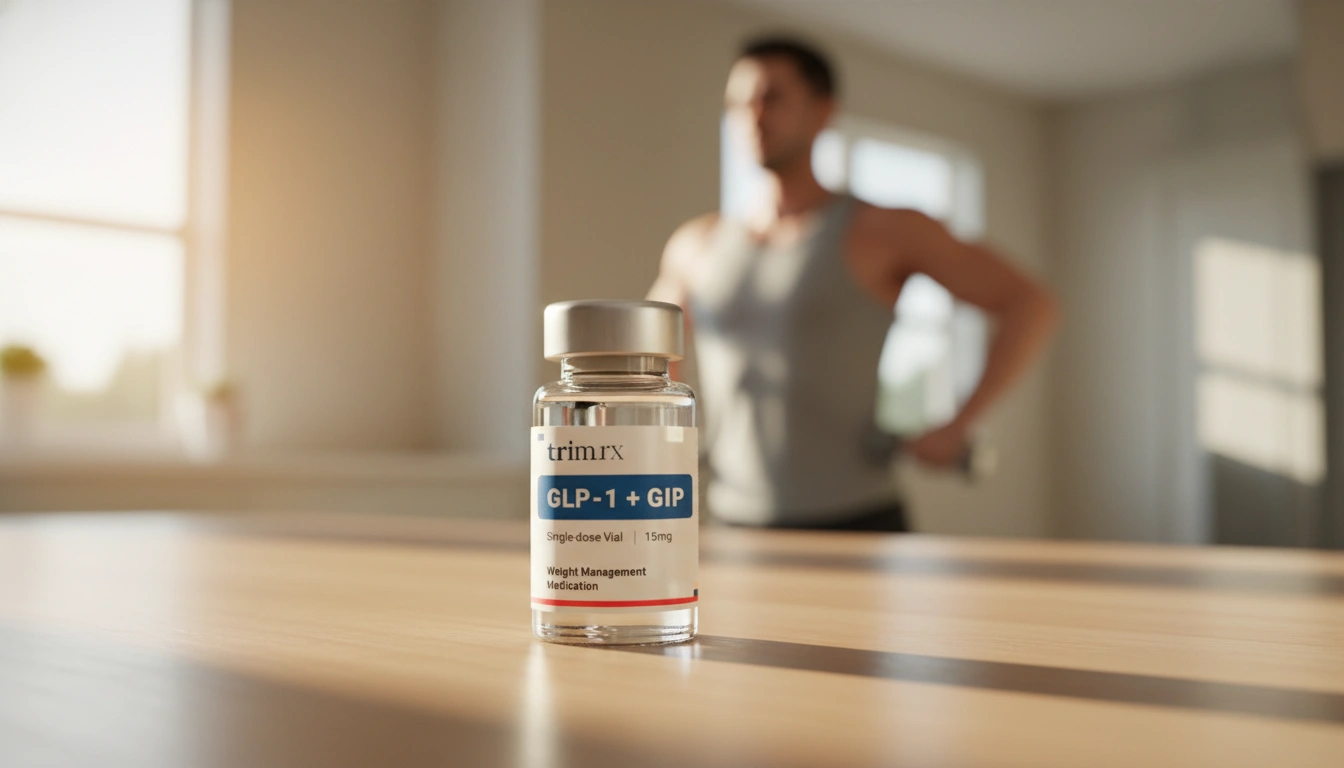
Firefighting combines things these medications make harder: extreme heat, sudden all-out exertion with no warning, long stretches without a proper meal, and a shift that can go from quiet to maximum demand in seconds.
Plenty of first responders use these medications successfully. The ones who do well treat hydration and eating as part of the job rather than something that happens when there is time.
Dehydration is the main risk
This is the part to take most seriously.
Turnout gear in heat drives fluid loss very quickly. These medications can add to it through nausea, vomiting, or diarrhea, and they reduce how much you drink with meals simply because meals get smaller. Prescribing information for tirzepatide notes that the majority of reported acute kidney injury events occurred in people who experienced gastrointestinal reactions leading to dehydration, and advises monitoring kidney function in people with reactions that could cause volume depletion, especially when starting and increasing the dose.
Put a working fire on top of an already dehydrated body and the margin gets thin.
What helps:
Drink on a schedule across the shift, not by thirst. Thirst lags behind need, and appetite suppression can blunt the cues further.
Front-load fluid at the start of shift so you are not starting from behind.
Use electrolyte replacement after heavy exertion if your department’s rehab protocol calls for it. Plain water alone after heavy sweating is not always enough.
Take rehab seriously. If your crew does formal rehab after an incident, use it fully rather than cutting it short.
Watch for the signs in yourself: dark or scanty urine, dizziness on standing, headache, cramping, or feeling unusually wiped out after a call.
Eating when calls interrupt every meal
The firehouse meal is a tradition and a problem. Calls come in mid-meal, dinner gets abandoned, and you can go many hours without eating properly.
On these medications appetite will not remind you to eat, and a slowed stomach does not handle large catch-up meals well.
Eat small amounts often. Something every few hours is more reliable than waiting for the crew dinner that may never be finished.
Keep portable protein in your locker or on the rig. Things you can eat in a few minutes between calls.
Do not go into a demanding call on nothing. Heavy exertion on an empty stomach, in heat, on a medication that reduces appetite, is how people end up feeling faint or unwell on scene.
Go easy on rich crew meals. Heavy, fatty food on a slow stomach is the most reliable trigger for nausea, and you may be running into a structure an hour later.
Our guide on what to eat to minimize nausea covers what tends to sit well.
Time your injection around your rotation
Side effects are usually worst in the day or two after injecting. Most rotations have a predictable pattern, which makes this easier than for people with irregular schedules.
Choose an injection day that puts those first couple of days on your off days. Keep it fixed rather than moving it week to week, and ask your provider before changing it.
Never take a dose increase right before a shift block. Ask your provider to schedule any step up so the first days on the new dose fall on your days off. Our guide on when to increase your tirzepatide dose covers how that timing works, and a demanding job is a legitimate reason to move up more slowly.
Consider this scenario: a firefighter injects on the morning of a 24-hour shift because that is the day they remember. The following afternoon, with the medication at its strongest effect and lunch abandoned twice for calls, they go into a working fire in summer heat. They become lightheaded and nauseous during overhaul. Nothing about the medication was wrong. The injection day and the empty stomach were, and both were fixable.
Storing medication at the station
Keep it in a fridge you control, clearly labeled, away from the door and the back wall.
Do not leave it in your vehicle or on the rig. Vehicles in sun exceed any storage window quickly.
If you inject at home, there is nothing to store at work, which is the simplest arrangement.
Our guide on storing compounded semaglutide or tirzepatide at home covers the requirements.
Fitness standards and medical evaluations
Departments often have physical ability and medical requirements. If yours includes periodic medicals, disclose your medication to the examining physician. Rules differ between departments and jurisdictions, so ask your department’s occupational health provider directly rather than assuming.
Strength and endurance matter in this job more than in most. Eating enough protein and keeping up resistance training protects performance while you lose weight, and losing weight very fast while eating very little is the version most likely to cost you strength.
Watch for the under-eating pattern
Over weeks, look for a cluster: persistent fatigue that sleep does not fix, feeling cold when others are comfortable, hair shedding, dizziness on standing, losing strength, or finding physical tasks harder than they used to be. In this job, lost strength is a safety issue, not just a gym statistic. Several of those together is a conversation with your provider.
Talk to your provider if
You get dizzy or lightheaded on shift, you cannot keep fluids down, you have repeated nausea during calls, your strength or endurance is dropping, or your shift pattern makes the dosing schedule difficult. Bring your rotation to the conversation.
The short version
Dehydration is the main risk, so drink on a schedule, front-load at the start of shift, and take rehab seriously. Eat small amounts often, keep portable protein on hand, and never go into a demanding call on nothing. Put your post-injection days on your days off and never step up the dose right before a shift block. Store medication in a fridge you control, not the rig. And treat lost strength as a safety signal.
If you want a provider who will plan your dosing around a 24-hour rotation, TrimRx includes ongoing provider access alongside treatment.
This information is for educational purposes and is not medical advice. Consult with a healthcare provider before starting any medication. Individual results may vary.

Transforming Lives, One Step at a Time
Keep reading
Living Far From a Pharmacy on a GLP-1
If your nearest pharmacy is an hour’s drive away and your mail comes to a box at the end of a long road, taking…

College on a GLP-1: Dining Halls, Dorm Fridges and Exam Weeks
College life is built around irregular meals, shared spaces, late nights, and schedules that change every semester. None of that makes a GLP-1 unworkable,…

Singers on a GLP-1: Reflux, Your Voice and Performance Days
For most people, reflux on these medications is an unpleasant nuisance. For singers, teachers, actors, and anyone else who works with their voice, it…


