Keeping Ozempic Safe in Winter Weather
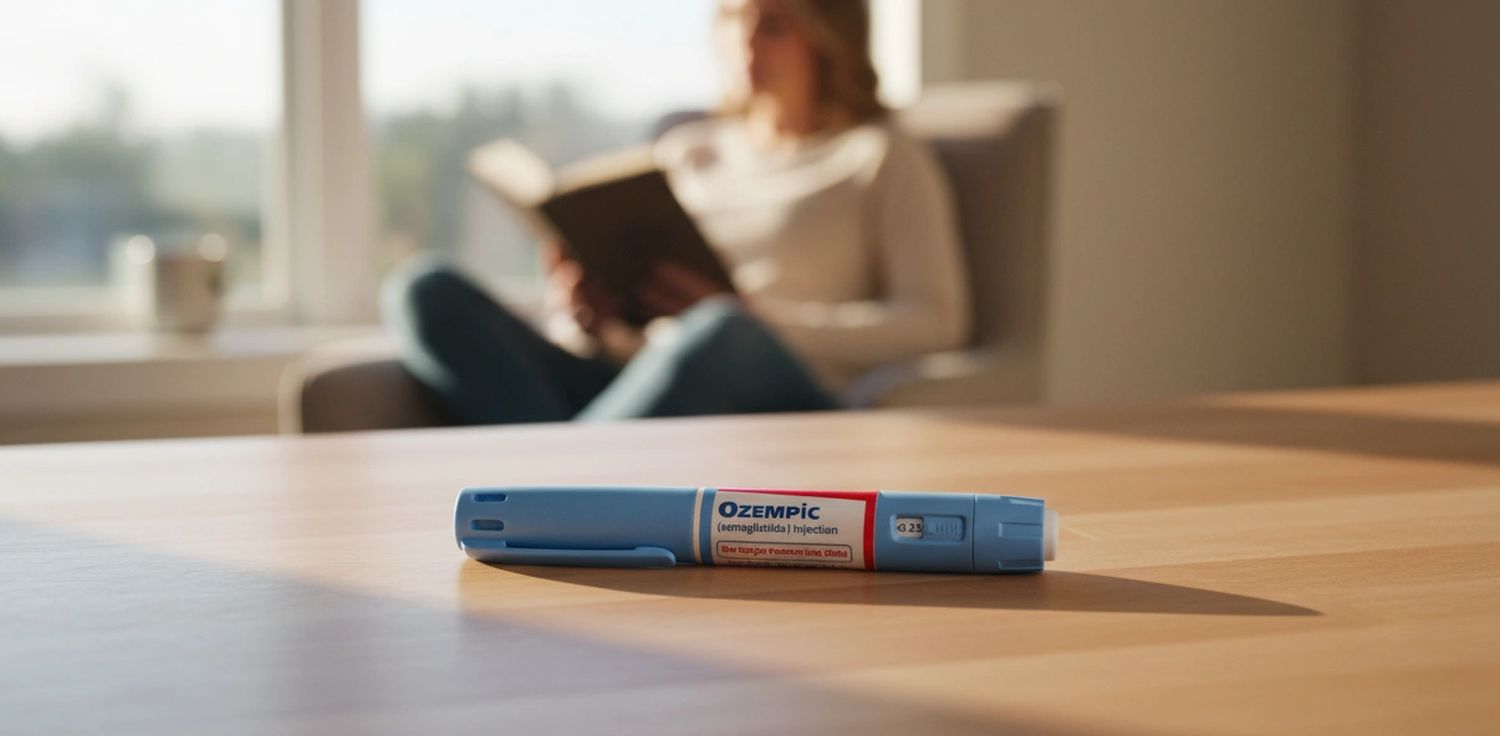
Most people worry about heat when it comes to refrigerated medication, but cold can be just as much of a problem. In winter, packages can sit on icy porches, pens can be forgotten in freezing cars, and storms can knock out power for days. If you take Ozempic or another GLP-1, here is how to protect your medication through the cold months.
Why freezing matters
These medications are proteins, and the pharmaceutical literature on protein aggregation shows that heat, freezing, and vigorous agitation can all cause proteins to unfold and clump, which can reduce potency without any visible change. You usually cannot tell by looking. Medication that has frozen should generally not be used, even after it thaws. Follow your medication’s storage instructions, and if you are unsure, call the pharmacy before using it.
Deliveries in the cold
A package left outside on a freezing day can get far colder than a fridge. Track your shipment, ask whether you can choose a delivery day when someone will be home, and bring packages inside as soon as they arrive. If a package arrives frozen, icy, or damaged, call the pharmacy before using it.
Never leave it in the car
A car in winter can drop below freezing quickly, especially overnight. Do not leave your medication in a parked car, even for a short errand. If you need to carry it, use an insulated bag and bring it inside with you.
At home in winter
Some fridges run colder in winter, particularly in garages, basements, or unheated rooms. Keep your medication in your main kitchen fridge, on a middle shelf, away from the back wall and the freezer compartment. A fridge thermometer helps you check. Our guide on storing compounded semaglutide or tirzepatide at home covers the basics, and our guide on pens and vials explains how each format is handled.
Winter storms and power outages
Have a plan before a storm. If your power goes out, keep the fridge door closed as much as possible. If the outage lasts, a cooler with ice packs can help, as long as the medication does not touch the ice directly. Never put medication outside in the snow to keep it cold, where it may freeze. If you are unsure whether it stayed within range, call the pharmacy before using it.
Plan refills around weather
Winter weather can delay deliveries and make pharmacy trips harder. Request refills early, especially before holidays or forecast storms.
Injecting in cold weather
Cold, dry skin can make injections feel less comfortable. Follow the instructions for your medication about how to prepare a dose, wash and dry your hands, and keep rotating sites. Moisturize dry skin around injection sites, but avoid injecting into broken or irritated skin. Our guide on GLP-1 injection sites covers where to inject.
Winter eating
Cold weather often brings heavy comfort foods like rich stews, casseroles, and creamy soups, which can sit heavily on a slower stomach. Choose broth-based soups, chili with lean meat and beans, and roasted vegetables with chicken or fish. Keep protein at the center of your meals.
Do not skip doses because of the weather
If your medication may have been damaged by the cold and you do not have a replacement, call your pharmacy and provider rather than guessing or skipping doses. Our guide on taking a break and restarting covers why stopping and restarting is more involved than it sounds. Our guide on the Ozempic starting dose covers what the first weeks usually look like if you are new to treatment.
If you have diabetes
The prescribing information for Wegovy, which contains semaglutide, the same active ingredient as Ozempic, at a higher dose, notes that patients with diabetes mellitus taking it in combination with insulin or an insulin secretagogue, such as a sulfonylurea, may have an increased risk of hypoglycemia, including severe hypoglycemia. If that is you, keep glucose tablets in your coat and bag during winter outings, since cold weather and shoveling can use more energy, and never change those medicines on your own.
Watch for the signs of under-eating too, which can feel worse in winter: persistent fatigue, feeling cold, hair shedding, dizziness when you stand, losing strength, and losing weight faster than you and your provider intended.
If you travel to see family over the winter, the same rules apply on the road. Pack your medication in an insulated bag that stays with you rather than in the trunk, keep it out of the cold overnight, and ask your hosts for a spot in their main fridge when you arrive. If a long trip falls around your injection day, plan ahead with your provider rather than skipping a dose.
Consider this scenario: a woman on Ozempic picks up her refill on the way home, stops at a friend’s house for the evening, and forgets the bag in her car overnight when it is well below freezing. The next morning the pen looks fine, so she uses it. Bringing the bag inside with her, calling the pharmacy before using medication that may have frozen, and requesting a replacement would very likely have protected her treatment.
The short version
To keep Ozempic safe in winter, bring deliveries inside right away, never leave medication in a cold car, and store it in your main fridge away from the back wall and freezer compartment. Plan for storms and power outages without letting medication touch ice or snow, request refills early, and call the pharmacy before using medication that may have frozen.
If you want a provider you can reach when the weather turns, TrimRx includes ongoing provider access alongside treatment.
This information is for educational purposes and is not medical advice. Consult with a healthcare provider before starting any medication. Individual results may vary.

Transforming Lives, One Step at a Time
Keep reading
Learning to Eat Slowly on Ozempic
Many people have eaten quickly their whole lives: rushed lunches, meals in front of a screen, finishing the plate before the rest of the…
Eating Fruit on Ozempic
When your appetite drops on Ozempic or another GLP-1, fruit is often one of the few foods that still sounds appealing. It is cold,…
Salads and Raw Vegetables on Ozempic
A big salad has long been a go-to healthy meal. Raw vegetables bring fiber, vitamins, and crunch, and they seem like an obvious choice…


