Is 2.5 mg of Zepbound Enough to Lose Weight?
Introduction
Standing at the beginning of a weight loss journey often feels like a mix of cautious optimism and a thousand questions. For many, that first step involves a prescription for Zepbound®, a medication that has dominated health headlines for its efficacy in weight management. When you receive that first box, you will notice the dosage is set at 2.5 mg. It is natural to wonder if this starting amount is actually enough to move the needle on the scale or if it is merely a “warm-up” phase for the body.
At TrimRx, we believe that understanding the science behind your treatment is the first step toward achieving lasting results. This article will explore exactly what the 2.5 mg dose of Zepbound® is intended to do, whether it can trigger weight loss, and how the titration process works to support your long-term health goals. By the end, you will have a clear picture of what to expect during your first month of treatment and how a personalized approach can make all the difference. If you are considering treatment, you can complete a free eligibility assessment to explore whether a personalized program may fit your needs.
The Purpose of the 2.5 mg Starting Dose
When a healthcare provider initiates a weight loss program involving tirzepatide—the active ingredient in Zepbound®—they almost always start the patient at 2.5 mg once weekly. It is important to understand that in the clinical world, this is officially classified as an “initiation dose” rather than a “therapeutic dose.” For a closer look at how the schedule progresses, review this tirzepatide dosing guide.
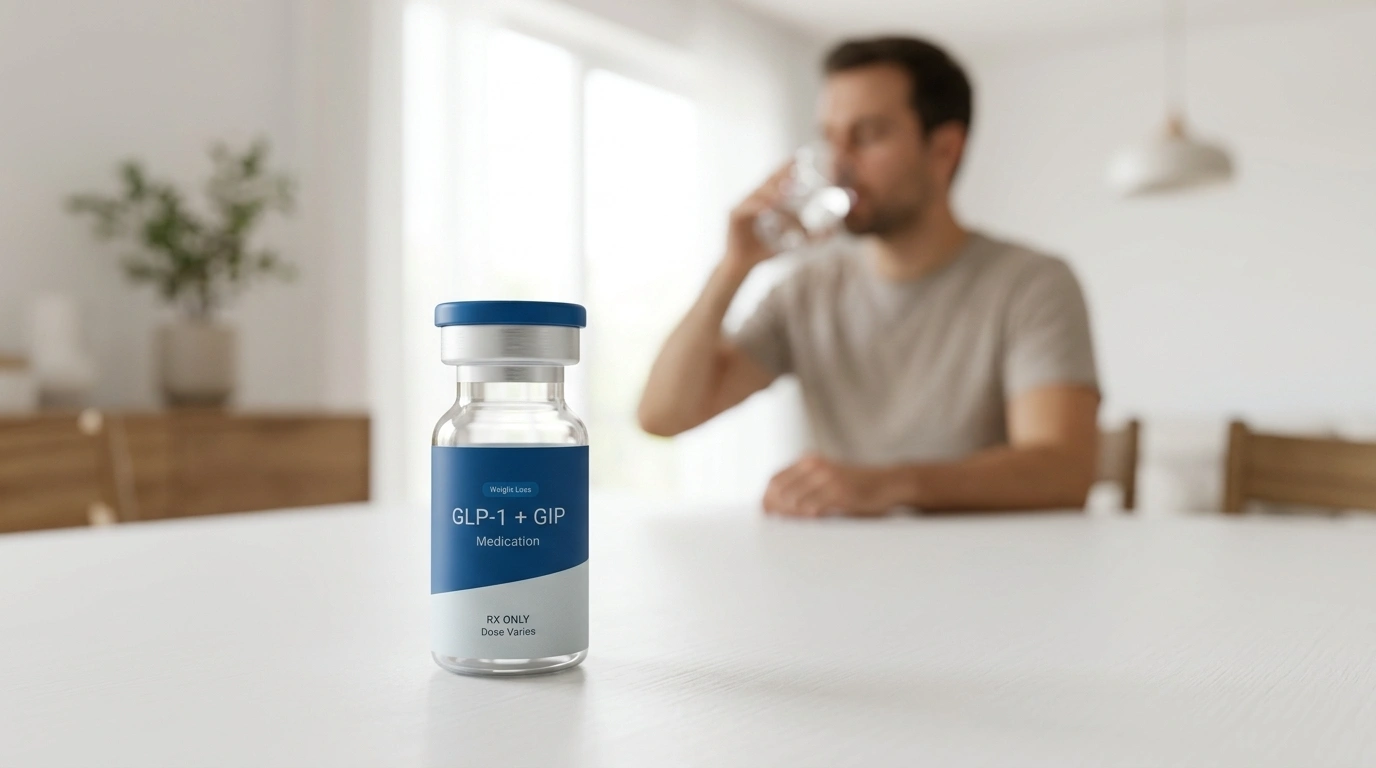
The primary goal of the first four weeks on 2.5 mg is not necessarily to see dramatic drops in weight, but to introduce the medication to your system gradually. Tirzepatide is a dual-receptor agonist. This means it mimics two different hormones in your body: glucagon-like peptide-1 (GLP-1) and glucose-dependent insulinotropic polypeptide (GIP). Both of these hormones play critical roles in how your body processes sugar and how your brain perceives hunger.
Because these hormones interact with your digestive system and your brain’s reward centers, starting with a high dose could overwhelm the body. The 2.5 mg dose acts as a bridge, allowing your gastrointestinal tract to acclimate to the medication. This “slow and steady” start is designed to minimize side effects like nausea or indigestion while the medication begins its work on your metabolic pathways.
Quick Answer: While some people do lose weight on 2.5 mg of Zepbound®, its primary purpose is to help your body adjust to the medication. Most clinical benefits and significant weight loss typically occur at higher doses, such as 5 mg, 10 mg, or 15 mg.
Can You Lose Weight on 2.5 mg?
The short answer is yes, many individuals do lose weight on the 2.5 mg dose, but the amount varies significantly from person to person. Because everyone’s metabolic starting point is unique, the body’s reaction to that first month of treatment is highly individualized. This guide to staying on 2.5 mg of Zepbound provides additional context about early results and dose adjustments.
The “Super-Responder” Phenomenon
Some people are what clinicians call “super-responders.” For these individuals, the body is highly sensitive to the GIP and GLP-1 signals. Even at the lowest dose, they may notice an almost immediate “silencing” of food noise—the constant intrusive thoughts about eating. They might find themselves feeling full after much smaller portions or losing interest in snacks they used to crave. For a super-responder, the weight loss on 2.5 mg can be several pounds in the first month.
The “Metabolic Adjustment” Group
For a large portion of the population, 2.5 mg is a period of quiet internal work. You might not see the scale move significantly in the first two or three weeks. However, this does not mean the medication isn’t working. It is busy improving insulin sensitivity and slowing down gastric emptying (the rate at which food leaves your stomach). Even if the weight doesn’t drop immediately, your body is being primed for the more potent doses to come.
Factors That Influence Early Results
Several factors determine if 2.5 mg will be “enough” for initial weight loss:
- Starting Weight and BMI: Individuals with a higher starting weight may see more significant initial drops due to changes in water retention and early caloric reduction.
- Dietary Habits: Those who simultaneously implement high-protein, fiber-rich diets often see better results than those relying on the medication alone.
- Physical Activity: Gentle movement can help stimulate the metabolic benefits of the drug even at low doses.
- Previous GLP-1 Use: If a patient is switching from another medication, like Wegovy®, their body may already be accustomed to these hormonal signals, making the 2.5 mg dose feel less impactful.
How Zepbound Works in the Body
To understand why 2.5 mg might or might not be enough for you, it is helpful to look at the dual-action mechanism of tirzepatide. Most earlier weight loss medications only targeted the GLP-1 receptor. Zepbound® is unique because it adds the GIP component. For a broader explanation of these medications, read what GLP-1 is and how it works.
GLP-1 (Glucagon-Like Peptide-1)
This hormone is naturally released by your intestines when you eat. It tells your brain you are full, slows down your stomach so you stay full longer, and prompts your pancreas to release insulin, which manages blood sugar. By mimicking this, the medication helps reduce the amount of food you feel the need to eat.
GIP (Glucose-Dependent Insulinotropic Polypeptide)
GIP is often called the “complementary” hormone in this duo. Research suggests that GIP may help improve how the body breaks down sugar and fat. It may also play a role in reducing the nausea often associated with GLP-1 medications, which is why some patients find tirzepatide easier to tolerate than single-hormone alternatives.
Key Takeaway: Zepbound® uses a “dual-agonist” approach, targeting two different hunger hormones to help regulate appetite and improve how your body processes energy.
The Titration Schedule: Moving Beyond 2.5 mg
Weight loss with GLP-1 and GIP medications is a marathon, not a sprint. The manufacturer’s recommended schedule involves increasing the dose every four weeks until a “maintenance dose” is reached that provides the desired results with manageable side effects.
The standard progression usually looks like this:
- Month 1: 2.5 mg (Initiation)
- Month 2: 5 mg
- Month 3: 7.5 mg (Optional titration)
- Month 4: 10 mg
Some patients find their “sweet spot” at 5 mg or 7.5 mg and stay there for several months if they are losing weight consistently. Others may need to reach the maximum 15 mg dose to see the full clinical benefits. The decision to move up from 2.5 mg should always be made in consultation with a licensed healthcare provider who can monitor your progress and side effects.
Managing Expectations During the First Month
If you find that the scale isn’t moving as fast as you hoped during those first four weeks on 2.5 mg, it is vital not to get discouraged. Weight loss is a complex physiological process, and the 2.5 mg phase is about safety and preparation. You can also review what to expect during tirzepatide titration as you plan for later dose changes.
Non-Scale Victories (NSVs)
Instead of focusing solely on the number on the scale, look for other signs that the medication is affecting your biology:
- Reduced “Food Noise”: Are you thinking about your next meal less often?
- Earlier Satiety: Are you leaving food on your plate because you genuinely feel finished?
- Better Energy Levels: As blood sugar stabilizes, many people report a decrease in the “afternoon slump.”
- Improved Habit Formation: Is it easier to choose a salad over a heavy meal?
These are all indicators that the 2.5 mg dose is doing its job of retooling your relationship with food.
Side Effects at the 2.5 mg Dose
Even though 2.5 mg is the lowest dose, side effects can still occur as the body adjusts. Being prepared for these can help you stay the course. For more information, see this overview of common GLP-1 side effects.
- Nausea: This is the most common report. It often occurs a day or two after the injection.
- Constipation or Diarrhea: Changes in digestion speed can affect bowel habits.
- Heartburn: Slower gastric emptying means food sits in the stomach longer, which can lead to acid reflux.
- Fatigue: Some patients feel a bit more tired as their body adapts to a lower caloric intake.
How to Support Your Body on 2.5 mg
To maximize the effectiveness of the starting dose and minimize discomfort:
- Prioritize Protein: This helps maintain muscle mass while you lose fat.
- Hydrate Consistently: Water is essential for the medication to work efficiently and to prevent constipation.
- Eat Small, Frequent Meals: Don’t wait until you are starving to eat, as this can lead to overeating and subsequent nausea.
- Avoid High-Fat Foods: Greasy or fried foods can exacerbate the “heavy” feeling in the stomach caused by delayed emptying.
Note: If you experience severe abdominal pain, persistent vomiting, or signs of an allergic reaction, contact your healthcare provider immediately.
The Role of Personalized Programs and TrimRx
While branded medications like Zepbound® are one way to access tirzepatide, they are not the only path. The modern telehealth landscape has made it possible for individuals to receive personalized care that fits their specific needs and budget.
At TrimRx, we connect patients with licensed healthcare providers who can evaluate their medical history and goals via a telehealth platform. This process begins with a free assessment quiz, which helps determine if a GLP-1 or dual-agonist medication is the right fit.
Because of the high demand and occasional shortages of branded medications like Zepbound® or Mounjaro®, many people turn to compounded options. It is important to clarify that compounded tirzepatide is not FDA-approved. However, we ensure that the compounded medications prescribed through our platform are prepared and shipped from FDA-registered, inspected compounding pharmacies. This allows for a consistent supply and the same personalized titration schedules—starting at 2.5 mg and moving up as needed—under the guidance of a dedicated medical team.
Our program is designed to be a comprehensive experience. We don’t just provide access to a prescription; we provide the support system necessary to navigate the 2.5 mg start and the months that follow. This includes 24/7 access to specialists who can answer questions about dosage changes or side effect management.
Is 2.5 mg “Enough” for Long-Term Success?
While 2.5 mg can kickstart weight loss for some, it is rarely the dose that leads to the significant, 15% to 20% body weight reductions seen in clinical trials. Those results are typically associated with the 10 mg and 15 mg doses.
Think of 2.5 mg as the foundation of a house. You cannot build the rest of the structure without it, but the foundation alone isn’t a home. The first month is about proving to your body that it can handle the medication and proving to yourself that you can stick to the routine of a weekly injection and healthier lifestyle choices.
Bottom line: 2.5 mg of Zepbound® is a vital starting point that prepares your metabolism for higher doses. While early weight loss is possible, the primary goal is tolerance and metabolic adjustment.
Why Some People Stay on 2.5 mg Longer
In some cases, a provider might decide to keep a patient on 2.5 mg for longer than the standard four weeks. This might happen if:
- The Weight Loss is Rapid: If a patient is losing significant weight (more than 2 pounds a week) on 2.5 mg, there may be no immediate medical reason to increase the dose.
- Side Effects are Persistent: If a patient is struggling with nausea on 2.5 mg, moving to 5 mg would likely worsen the issue. The provider may wait until the body is fully comfortable before titrating up.
- Individual Goals: Some patients prefer a slower, more gradual approach to weight loss to avoid issues like “Ozempic face” or muscle loss.
This is where the value of a personalized program becomes clear. Rather than following a rigid, one-size-fits-all schedule, a healthcare provider can adjust the plan based on how your body responds. If you want to discuss whether a personalized program may be appropriate, you can see if you qualify for a personalized program.
Combining Medication with Lifestyle
Regardless of whether you are on 2.5 mg or 15 mg, Zepbound® and compounded tirzepatide are designed to be used in conjunction with lifestyle changes. The medication is a tool that makes those changes easier to maintain, but it doesn’t replace them.
Building a “GLP-1 Friendly” Lifestyle
- Resistance Training: To ensure the weight you lose is fat and not muscle, incorporating strength training twice a week is highly recommended.
- Fiber Intake: Because these medications slow digestion, fiber is your best friend in keeping things moving smoothly.
- Mindful Eating: Use the “quieted” hunger signals to learn the difference between physical hunger and emotional cravings.
For those who want extra support during this transition, we offer specialized supplements like GLP-1 Daily Support. These are designed to provide the vitamins and nutrients that might be lacking when your caloric intake significantly decreases, helping you maintain your energy and well-being as you progress through the dosage levels.
Moving Toward Your Goals
The journey to metabolic health is rarely a straight line. It involves adjustments, learning, and sometimes, a bit of patience. If you are starting on 2.5 mg, celebrate it as the beginning of a new chapter. Whether you see an immediate drop on the scale or simply feel a bit more in control of your cravings, you are taking a scientifically backed step toward a healthier version of yourself.
By working with a platform like ours, you gain the benefit of clinical expertise without the frustration of waiting rooms or pharmacy backorders. We are here to ensure that your transition from the 2.5 mg initiation dose to your ultimate maintenance dose is as smooth and successful as possible.
Conclusion
Determining if 2.5 mg of Zepbound® is “enough” depends entirely on how you define the word. If “enough” means reaching your final goal weight in one month, the answer is no. But if “enough” means safely preparing your body for a powerful metabolic shift, reducing food noise, and starting the journey toward sustainable weight management, then 2.5 mg is exactly what you need.
At TrimRx, our mission is to help individuals embrace healthier lifestyles through science, empathy, and a transparent, personalized approach. We believe that weight loss is not a matter of willpower, but a matter of biology. By combining modern GLP-1 and GIP medications with dedicated professional support, we help you navigate the complexities of dosing and titration with confidence.
Key Takeaway: Success on 2.5 mg is measured by how well your body adapts and the healthy habits you begin to form. It is the essential first step in a long-term strategy for metabolic health.
Your next step toward a healthier lifestyle is just a few clicks away. Whether you are curious about your eligibility for a prescription program or looking for targeted supplement support, we are ready to guide you.
Take the next step: Complete our free assessment quiz to see which personalized program is right for you.
FAQ
Is 2.5 mg of Zepbound considered a therapeutic dose?
No, the 2.5 mg dose of Zepbound® is technically an initiation dose designed to help your body adjust to the medication. Clinical trials show that the most significant weight loss occurs at higher doses like 10 mg or 15 mg. However, some individuals may still experience early weight loss and reduced appetite at this starting level.
What should I do if I’m not losing weight on the 2.5 mg dose?
If the scale isn’t moving during your first month, do not be discouraged, as this is very common. The 2.5 mg dose is primarily meant to limit side effects and prime your system for the higher, more effective doses. Focus on non-scale victories like reduced cravings, and discuss moving to the 5 mg dose with your healthcare provider after your fourth week. For additional support related to energy and metabolic goals, consider the Weight Loss Boost supplement.
How long do I stay on the 2.5 mg Zepbound dose?
The standard titration schedule involves staying on the 2.5 mg dose for exactly four weeks. After the fourth injection, most patients move up to 5 mg to begin seeing more consistent weight loss results. Your specific provider may adjust this timeline if you are experiencing side effects or if you are already seeing significant progress.
Can I stay on 2.5 mg of Zepbound if it is working for me?
Yes, some healthcare providers may allow you to stay on the 2.5 mg dose longer if you are meeting your weight loss goals and wish to avoid the potential for increased side effects at higher doses. This is a personalized decision that should be made during your telehealth consultations.
Disclaimer: This content is for informational purposes only and does not constitute medical advice. It is not intended to diagnose, treat, cure, or prevent any disease or condition. Individual results may vary. Always consult a qualified healthcare professional before starting any weight loss program or medication.

Transforming Lives, One Step at a Time
Keep reading

Can You Lower Your Zepbound Dose Without Losing Your Progress?
Often yes, and the honest caveat is that the evidence for dose reduction specifically is thinner than the evidence for stopping. We know a…
Why Is There a Bruise Where I Injected My Zepbound?
A bruise means a small blood vessel was disturbed under the skin and blood spread into the surrounding tissue. It is one of the…

My Zepbound Pen Won’t Click Past a Certain Dose
Start by checking which device you are holding, because the answer depends entirely on that. Zepbound has commonly been supplied in the United States…


