Does Compounded Semaglutide Lose Potency Over Time?
Introduction
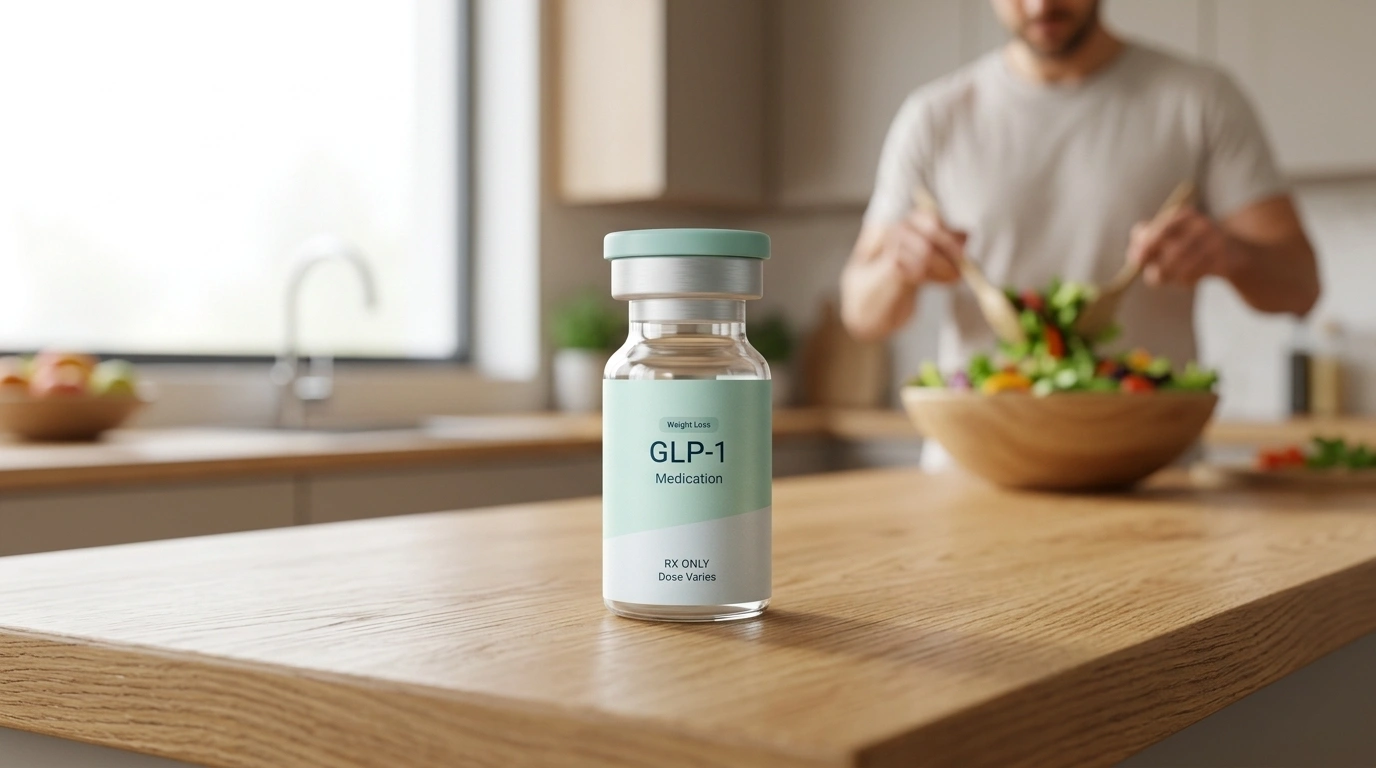
You reach into the back of your refrigerator and find a vial of medication you started a few weeks ago. Perhaps you missed a dose, or maybe you are nearing the end of your current supply. A natural question arises: is this still as effective as the day it arrived? For those using medical weight loss treatments, the consistency of the medication is vital for maintaining progress. At TrimRx, we understand that navigating the nuances of specialized prescriptions can feel overwhelming. This article will examine the chemical stability of medications, the factors that lead to a decrease in strength, and how to ensure your treatment remains effective. While compounded semaglutide can lose potency over time if handled incorrectly, understanding the beyond-use date and proper storage protocols can help you maximize your results.
Understanding Compounded Semaglutide
To understand why potency matters, we must first look at what the medication is. Semaglutide is a glucagon-like peptide-1 (GLP-1) receptor agonist. In plain English, this means it is a synthetic version of a hormone your body naturally produces. This hormone helps regulate appetite by sending signals to the brain that you are full. It also slows down the rate at which your stomach empties, helping you feel satisfied for longer periods.
Compounded semaglutide is a version of this medication prepared by a licensed pharmacist in an FDA-registered, inspected compounding pharmacy. This process allows for a personalized approach to weight loss. It is important to distinguish this from branded medications like Ozempic® or Wegovy®, which are manufactured by large pharmaceutical companies and are FDA-approved. Compounded medications are not FDA-approved, but they are prepared according to specific safety and quality standards to meet the needs of individual patients. For additional context, review this guide to compounded semaglutide storage and shelf life.
Does Potency Actually Decrease?
Yes, like any medication that consists of biological proteins or peptides, compounded semaglutide can lose its effectiveness over time. Potency refers to the strength of the active ingredient in a specific volume of the drug. If the medication loses potency, a 0.5 mg dose might only contain the biological activity of a 0.4 mg dose, for example.
This degradation happens because semaglutide is a peptide—a short chain of amino acids. These chains are held together by chemical bonds that are sensitive to their environment. When these bonds break or the chain changes shape, the molecule can no longer “fit” into the GLP-1 receptors in your body as effectively. For a deeper explanation, read does compounded semaglutide lose potency over time.
Quick Answer: Compounded semaglutide can lose potency if it is stored incorrectly or kept past its beyond-use date. Factors like heat, light, and air exposure accelerate the breakdown of the peptide molecules, potentially reducing the medication’s effectiveness in managing appetite and blood sugar.
If you are considering whether a supervised prescription program may be appropriate for you, you can complete a free eligibility assessment.
The Difference Between Expiration and Beyond-Use Dates
When you buy a bottle of aspirin, you look for an expiration date. With compounded medications, the terminology is slightly different. You will typically see a Beyond-Use Date (BUD).
Expiration Dates
An expiration date is determined by the manufacturer after extensive stability testing. It represents the date until which the manufacturer guarantees the full potency and safety of a drug in its original, unopened packaging. This is common for branded products like Mounjaro® or Zepbound®.
Beyond-Use Dates (BUD)
A BUD is assigned by the compounding pharmacist. Because compounded medications are often mixed in smaller batches and may not contain the same preservatives as mass-produced drugs, the BUD is generally much shorter than an expiration date. The BUD tells you the last day the medication should be used. It takes into account the environment in which the drug was prepared and the likelihood of the ingredients breaking down. You can also review what the shelf life of compounded semaglutide depends on.
Key Takeaway: Never use compounded medication past the Beyond-Use Date listed on your vial. Using the medication after this date increases the risk of decreased potency and potential microbial contamination.
Primary Factors That Affect Medication Stability
Several environmental factors can speed up the “unraveling” of the semaglutide peptide. If you want to ensure your treatment remains as powerful as possible, you must manage these three variables:
1. Temperature Control
Temperature is perhaps the most critical factor for peptide stability. Most GLP-1 medications must be kept refrigerated. When semaglutide is exposed to heat, the molecules begin to vibrate and move more rapidly. This motion can cause the delicate peptide structure to break apart, a process known as denaturing.
- Refrigeration: The ideal temperature is typically between 36°F and 46°F.
- Freezing: You should never freeze your medication. Freezing and then thawing can cause the peptide to aggregate, or clump together, which completely destroys its biological activity.
For more guidance, see these compounded semaglutide refrigeration guidelines.
2. Light Exposure
Semaglutide is light-sensitive. Ultraviolet (UV) rays from sunlight or even strong indoor lighting can trigger chemical reactions that degrade the active ingredient. This is why most compounded medications come in amber-colored or opaque vials. Keeping the vial in its original box while stored in the refrigerator provides an extra layer of protection.
3. Air and Contamination
Every time you insert a needle into the rubber stopper of a multi-dose vial, a tiny amount of air enters. Oxygen can lead to oxidation, another process that breaks down the medication. Furthermore, each “poke” introduces a very small risk of introducing bacteria or fungi into the solution. While the medication contains preservatives to prevent growth, these preservatives also have a limited lifespan, which is reflected in the BUD.
Signs Your Medication May Have Lost Potency
You cannot always “see” if a medication has lost its strength, but there are certain red flags that indicate you should stop using it and consult your provider.
Visual Changes
Check your vial before every dose. The liquid should be clear and colorless. If you notice any of the following, do not use the medication:
- Cloudiness: The liquid should not look milky or “foggy.”
- Particulates: You should not see any tiny flakes or “strings” floating in the liquid.
- Color Change: If the liquid takes on a yellowish or brownish tint, it has likely degraded.
For additional storage and inspection guidance, review how to identify compromised compounded semaglutide.
Physiological Changes
If you have been on a consistent dose and suddenly notice a significant return of hunger or a lack of the usual “fullness” sensation, it is possible the medication has lost potency. However, this can also be a sign that your body has adapted to the current dose. Always discuss these changes with a healthcare professional through our platform before assuming the medication is faulty.
How to Properly Store Your Medication
To prevent premature loss of potency, follow a strict storage routine. At TrimRx, we emphasize that proper handling is just as important as the injection itself for achieving your weight loss goals.
Step 1: Check the Label Upon Arrival
When your package arrives from the pharmacy, immediately check the storage instructions. Some formulations may need to be refrigerated immediately, while others might be stable at room temperature for a short window.
Step 2: Find the Right Spot in the Fridge
Do not store your vial in the refrigerator door. The temperature in the door fluctuates every time you open the fridge. Instead, place the vial on a center shelf toward the back, away from the cooling element to prevent accidental freezing.
Step 3: Keep It in the Dark
Keep the vial inside the small cardboard box or the light-resistant bag it arrived in. This protects it from refrigerator light.
Step 4: Practice Sterile Technique
Always wipe the top of the vial with a fresh alcohol swab before inserting a needle. This maintains the integrity of the seal and prevents contaminants from entering the vial, which could interact with the medication and reduce its stability.
Travel Tips for Maintaining Potency
Traveling does not have to disrupt your treatment, but it does require planning. If you are going on a short trip, a small insulated travel case with a cold pack is essential. For more detailed planning, review these semaglutide storage, travel, and handling recommendations.
- Avoid the Car Trunk: Never leave your medication in a hot car or a glove compartment. Temperatures in a parked vehicle can quickly reach levels that will destroy the semaglutide peptide in minutes.
- Carry-On Only: If you are flying, always keep your medication in your carry-on bag. The luggage compartment of an airplane is not temperature-controlled and can fluctuate between extreme cold and extreme heat.
- Hotel Fridges: Be cautious with small hotel “mini-fridges.” These are often inconsistent and can sometimes freeze items placed near the back.
Bottom line: Temperature consistency is the single most important factor in preserving the potency of your compounded semaglutide. Keep it cool, dark, and away from extreme fluctuations.
What to Do If the Medication Was Left Out
It happens to the best of us: you leave the vial on the counter after your weekly injection and realize it hours later. Should you throw it away?
Generally, many semaglutide formulations can withstand a few hours at room temperature, but this depends entirely on the specific compounding pharmacy’s instructions. Do not guess. If your medication has been exposed to temperatures above 86°F or left in direct sunlight, the risk of potency loss is high. For more context, read how long compounded semaglutide can stay out of the fridge.
Do not double your dose to compensate for suspected potency loss. Taking too much medication can lead to severe gastrointestinal side effects. Instead, contact the specialized team available through our platform to discuss the situation and determine if a replacement is necessary.
The Role of the Compounding Pharmacy
The quality of your medication starts with the pharmacy. Because these treatments are personalized, the expertise of the pharmacist and the quality of the base ingredients are paramount. The pharmacies we partner with are FDA-registered and inspected, ensuring they follow strict protocols for sterile compounding.
These pharmacies use high-grade active pharmaceutical ingredients (API) and conduct stability testing to determine the appropriate BUD. When you receive a program through us, you are getting more than just a vial; you are getting a clinical process designed to provide you with the most stable and effective version of the medication possible.
Why Freshness Matters for Your Results
Weight loss is a journey of consistency. When the potency of your medication varies, your results may become unpredictable. This can lead to frustration and a loss of motivation. By ensuring you are using “fresh” medication within its BUD and storing it correctly, you allow the GLP-1 receptors to be stimulated consistently. This steady stimulation is what leads to the reduction in cravings and the metabolic shifts necessary for sustainable weight loss.
Our approach at TrimRx is built on this foundation of reliability. We provide a telehealth-first model that ensures you have access to medical supervision and high-quality medication without the need for in-person waiting rooms. This streamlined process is designed to get you the support you need when you need it, ensuring your treatment is never sitting on a shelf longer than it should be.
Moving Forward with Confidence
If you are concerned about the potency of your current medication, or if you are ready to start a program that prioritizes personalized care, taking the next step is simple. Understanding the science behind your treatment empowers you to take better care of your health.
Managing your weight is a significant commitment, and you deserve to know that the tools you are using are working at their full potential. By following the storage guidelines and respecting the beyond-use dates, you can focus on the lifestyle changes that will lead to long-term success. If you are ready to explore whether a prescription program may be appropriate for you, take the free assessment quiz.
FAQ
Can I still use my semaglutide if it was accidentally frozen?
No, you should not use semaglutide that has been frozen. Freezing causes the peptide molecules to clump together or break apart, which destroys the medication’s effectiveness and could potentially cause an adverse reaction. If your vial has ice crystals or has been frozen solid, it is best to discard it and contact your provider for a replacement. See what happens when compounded semaglutide freezes.
How long does a vial of compounded semaglutide usually last after the first use?
While many branded pens are stable for up to 56 days after opening, compounded vials often have a shorter window, typically 28 to 30 days, depending on the pharmacy’s specific Beyond-Use Date (BUD). Always refer to the date printed on your specific prescription label, as this takes into account the preservatives used and the sterility of the compounding process.
Why does my compounded medication have a shorter shelf life than Ozempic®?
Branded medications like Ozempic® are manufactured in large-scale facilities with specific proprietary stabilizers and are sealed in specialized delivery pens. Compounded medications are prepared in smaller batches for individual use and are often stored in multi-dose vials, which are more susceptible to air exposure and have different preservative profiles, necessitating a shorter beyond-use date to ensure safety and potency.
Will heat exposure make the medication dangerous or just less effective?
Heat exposure primarily makes the medication less effective by breaking down the active peptide. While it is unlikely to become “toxic,” the loss of potency means you will not receive the intended dose, which can stall your progress and lead to a return of hunger. Furthermore, warm environments can encourage the growth of bacteria if any contaminants were introduced into the vial, which could lead to an infection at the injection site.
TrimRx is dedicated to helping you achieve sustainable weight loss through a blend of clinical expertise and modern convenience. Our mission is to provide you with a transparent, personalized path to health, supported by a team that understands the emotional and physical aspects of this journey. Whether you are curious about starting a GLP-1 program or looking for ways to optimize your current treatment, we are here to guide you every step of the way.
Disclaimer: This content is for informational purposes only and does not constitute medical advice. It is not intended to diagnose, treat, cure, or prevent any disease or condition. Individual results may vary. Always consult a qualified healthcare professional before starting any weight loss program or medication.

Transforming Lives, One Step at a Time
Keep reading

How Much Weight Can You Lose on Semaglutide?
How much weight can you lose on semaglutide? The answer varies depending on your starting weight, dosage, treatment duration, and individual response to the…

Vision Changes on Semaglutide: What to Know
Three different things get bundled together under this question, and they carry very different levels of urgency. Separating them is most of the work….
High-Altitude Hiking on Semaglutide
You have a trip booked and an appetite that already does not work the way it used to. The worry is reasonable, and there…


