What to Do with Used Zepbound Pens: A Safety Guide
Introduction
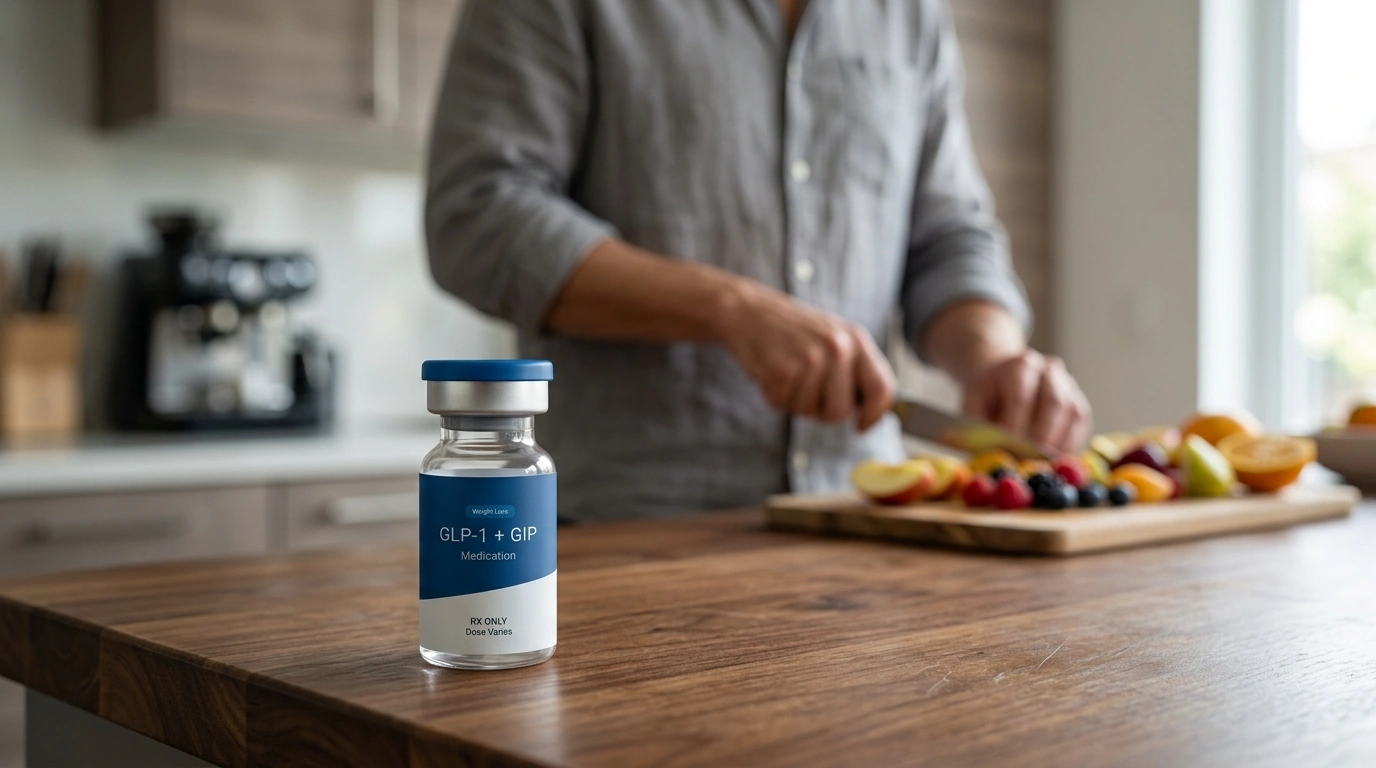
Finishing your weekly injection is a significant milestone in your weight management journey. It represents another step toward your health goals and a commitment to your long-term well-being. However, once the clicking sound of the Zepbound® (tirzepatide) pen stops, you are left with a medical device that requires careful handling. You might wonder if it can go in the recycling bin or if you need a specialized container. Because these pens contain a hidden needle and residual medication, they cannot be treated like standard household waste.
At TrimRx, we are dedicated to supporting every aspect of your treatment, including the practical logistics of medication safety. This guide explains how to handle, store, and dispose of your used pens correctly. Following these steps ensures your home remains safe and your community stays protected. By mastering this simple process, you can focus on the results of your personalized program with peace of mind. If you’re ready to see whether prescription weight loss treatment is a fit, take the free assessment quiz.
Understanding the Need for Proper Disposal
Zepbound® is a branded medication known as a dual glucose-dependent insulinotropic polypeptide (GIP) and glucagon-like peptide-1 (GLP-1) receptor agonist. These medications help regulate appetite and blood sugar, but they are delivered via a sophisticated autoinjector pen. Even after the medication is delivered, the device remains a “sharp.” For a fuller walkthrough, read what to do with used Zepbound pens.
In the medical world, a “sharp” is any object with corners, edges, or projections capable of cutting or piercing the skin. This includes the needle housed inside your weight loss medication pen. Proper disposal is not just a suggestion; it is a critical safety practice for several reasons.
Protecting Your Household
If a used pen is thrown into a standard kitchen trash bag, the needle can easily puncture the plastic. This creates a risk for you, your family members, and your pets. Accidental needle sticks can lead to infections or the spread of bloodborne pathogens. Even if you are the only one using the medication, maintaining a “sharps-free” environment in your common living areas is the best way to prevent accidents.
Safety for Sanitation Workers
Sanitation workers and waste management professionals handle thousands of bags every day. When medical sharps are placed in the regular trash or recycling, these workers are at a high risk of injury. A single needle stick can result in months of medical testing and significant anxiety for a worker just doing their job. Using a puncture-resistant container ensures that the needle stays contained from your curb to the final processing facility.
Environmental Responsibility
Medication pens are made of plastic and electronic components, but they are considered biohazardous waste because of the needle and the biological nature of the medication. They should never be flushed down the toilet or placed in recycling bins. In the recycling facility, these pens can jam machinery or contaminate entire batches of recyclable material, causing them to be diverted to landfills unnecessarily.
The Essential Steps for Safe Disposal
Disposing of your used pens is a straightforward process once you have the right tools. It is best to prepare your disposal area before you even take your first dose. This ensures you never have a “loose” needle sitting on a counter while you look for a container.
Step 1: Use a Sharps Container
Immediately after using your pen, place it into a sharps disposal container. You should not attempt to recap the needle or tamper with the device. Most autoinjectors are designed so the needle retracts or is shielded, but the device as a whole must still go into the container.
Step 2: Choose the Right Container
The most reliable option is an FDA-cleared sharps disposal container. These are typically made of heavy-duty plastic and come with a leak-resistant, puncture-proof lid. You can often find these at local pharmacies or through medical supply retailers.
If an FDA-cleared container is not immediately available, the move to a temporary solution is acceptable, provided it meets specific criteria. You can use a heavy-duty plastic household container, such as a laundry detergent bottle or a liquid fabric softener bottle.
A suitable household container must be:
- Made of heavy-duty, puncture-resistant plastic.
- Able to close with a tight-fitting, puncture-resistant lid.
- Stable and able to stay upright during use.
- Leak-resistant.
Note: Never use glass jars, aluminum cans, or thin plastic water bottles for needle disposal. These materials can break or be easily punctured by the needle inside the pen.
Step 3: Label Your Container
If you are using a household container, you must clearly label it to warn others of the contents. Use a permanent marker and large, clear lettering. A common label is “BIOHAZARD: DO NOT RECYCLE” or “DANGEROUS SHARPS.” This prevents someone from accidentally emptying the bottle or putting it in the recycling bin.
Step 4: Secure the Lid
Once your sharps container is about three-quarters full, it is time to seal it. Do not overfill the container, as this increases the risk of a needle stick while trying to force a pen inside. Follow the instructions on your FDA-cleared container for permanent sealing. For household containers, secure the lid with heavy-duty tape, such as duct tape, to ensure it cannot be easily opened.
Where to Take Your Full Container
Once the container is sealed and labeled, you cannot simply put it in the trash in many jurisdictions. Disposal regulations vary significantly by state and even by county. For a broader look at where full sharps containers can go, see How Do I Dispose of Wegovy Pens Safely and Legally?.
Local Drop-off Sites
Many communities have designated collection sites for medical sharps. These are often located at:
- Local hospitals or health clinics.
- Pharmacies that offer disposal services.
- Police or fire stations.
- Medical waste facilities.
You can check with your local waste management department to find the nearest authorized drop-off point. Some areas also hold “hazardous waste collection days” where you can bring your sharps containers along with other items like old paint or batteries.
Mail-Back Programs
For those who live in remote areas or prefer the convenience of home pickup, mail-back programs are an excellent option. When you purchase a mail-back kit, it typically includes a specialized container and a pre-paid shipping box. Once the container is full, you seal it and mail it back to a certified disposal facility. This ensures the waste is handled according to federal regulations without you having to leave your home.
Residential Special Collection
Some municipalities offer a “special waste” curbside pickup. You may need to call and schedule a specific time for them to pick up your labeled sharps container. They will ensure it is kept separate from the standard garbage and processed at a biohazard facility.
Key Takeaway: Always check your local state and city guidelines for sharps disposal. Some states, such as California and Massachusetts, have very strict laws that prohibit any medical sharps from entering the household trash stream, even in puncture-resistant containers.
Managing Your Disposal While Traveling
Maintaining your weight loss momentum often means taking your medication with you on trips. Whether you are traveling for work or vacation, you must plan for safe disposal on the go. If travel is part of your routine, see tirzepatide storage, travel, and handling tips.
Tips for traveling with sharps:
- Travel-sized containers: Purchase a small, portable sharps container designed for travel. These fit easily into a carry-on or suitcase.
- Keep the pen with you: Never put your medication pens (new or used) in checked luggage. The temperature fluctuations in the cargo hold can damage the medication, and a used pen in checked bags poses a risk to baggage handlers.
- Hotel services: Some larger hotels can provide a sharps container upon request, or they may have a central disposal point in their medical or first-aid office.
- Bring it home: If you cannot find a safe disposal site while traveling, keep your used pens in your portable sharps container and bring them home to dispose of them according to your usual routine.
Common Mistakes to Avoid
Even with the best intentions, it is easy to make a mistake when handling medical waste. Avoiding these common errors will keep your process safe and compliant. For another step-by-step reference, review how to dispose of Zepbound pens safely and responsibly.
Myth: “I can just put the used pen back in its original cardboard box and throw it away.” Fact: Cardboard is not puncture-resistant. The needle can easily pierce through the box and the trash bag, creating a hazard for anyone handling the waste.
Avoid these practices:
- Do not flush: Never flush used pens or needles down the toilet.
- Do not recycle: Medical sharps are not recyclable. Placing them in a blue bin can endanger workers and ruin the recycling stream.
- Do not clip the needle: Some people attempt to use needle-clipping devices. For autoinjector pens like those used for weight loss, the needle is often internal, and attempting to clip it can break the device or cause injury.
- Do not reuse containers: Once a sharps container is sealed and disposed of, do not attempt to retrieve it or reuse it for a new batch of pens.
Integrating Safety Into Your Program
At TrimRx, we believe that a successful health transformation is built on a foundation of safety and education. When you participate in our telehealth-based weight loss programs, you receive more than just a prescription; you receive a partnership. If you want to see whether a personalized program is right for you, take the free assessment quiz.
If you are using medications like Compounded Semaglutide or Compounded Tirzepatide through our platform, the same disposal rules apply. These medications are prepared by FDA-registered, inspected compounding pharmacies and delivered in various formats, including vials or pens. Regardless of the delivery method, any needle used must be treated with the same level of care and respect.
Our mission is to help you embrace a healthier lifestyle through science and empathy. This includes being a responsible steward of your medical waste. By following the disposal guidelines outlined here, you are contributing to a safer environment for everyone.
Bottom line: Proper disposal of your used pens is a simple but vital part of your health journey. Invest in a proper sharps container, know your local laws, and never place medical waste in the regular trash or recycling.
Summary Checklist for Disposal
To keep your routine as simple as possible, follow this quick checklist every time you administer your dose. If you’re considering prescription GLP-1 care, take the free assessment quiz.
- Prepare: Have your sharps container open and ready before you inject.
- Inject: Use your medication as directed by your healthcare provider.
- Dispose: Place the pen into the container immediately. Do not put it down on a table or counter first.
- Monitor: Keep an eye on the fill line of your container.
- Seal: Use heavy-duty tape to secure the lid once it is three-quarters full.
- Drop-off: Locate your nearest authorized disposal site or use a mail-back service.
FAQ
Can I put my used Zepbound pens in the regular trash?
No, you should never place used medication pens in the regular household trash. These devices contain needles that can puncture trash bags and cause injury to family members or sanitation workers. You must use a dedicated sharps container and follow local regulations for biohazardous waste. For another look at why, see Can You Throw Away Zepbound Pens? A Comprehensive Guide to Safe Disposal.
Is it okay to put my used pens in the recycling bin?
Used Zepbound® pens are not recyclable and should never be placed in a recycling bin. They are considered medical waste because they contain a needle and residual medication. Placing them in the recycling puts facility workers at risk and can contaminate the recycling process. If you want a companion guide, read How to Dispose of Zepbound Pens Safely and Responsibly.
What should I do if I don’t have a red sharps container?
If you do not have an FDA-cleared sharps container, you can use a heavy-duty plastic household container, such as a laundry detergent bottle. Ensure the container is puncture-resistant, has a tight-fitting lid, and is clearly labeled as “Biohazard” or “Sharps.” Once full, tape the lid shut and dispose of it at an authorized collection site. For another explanation of container options, see Safe and Responsible Disposal of Used Wegovy Pens.
How do I find a sharps disposal location near me?
You can find local disposal sites by contacting your local waste management department or checking the website of your state’s environmental protection agency. Many hospitals, pharmacies, and fire stations also offer drop-off kiosks for medical sharps. Alternatively, you can search online for sharps disposal maps provided by national health organizations. If you’re also exploring prescription weight loss care, take the free assessment quiz.
Disclaimer: This content is for informational purposes only and does not constitute medical advice. It is not intended to diagnose, treat, cure, or prevent any disease or condition. Individual results may vary. Always consult a qualified healthcare professional before starting any weight loss program or medication.

Transforming Lives, One Step at a Time
Keep reading

Kids’ Birthday Party on Zepbound
If you have young children, birthday parties are a regular part of life: your own child’s, and the steady stream of classmates’ parties most…
Water Aerobics on Zepbound
For people with painful knees, hips, or backs, water aerobics and pool exercise are often the first kind of exercise that feels possible. The…

New Year’s Eve on Zepbound
New Year’s Eve is built around staying up late. There is usually a big dinner or a party spread, drinks through the evening, champagne…


