Can I Take Omeprazole With Zepbound?
Introduction
Managing the side effects of a new weight loss medication can often feel like a full-time job. If you have recently started a journey with Zepbound® (tirzepatide), you may be dealing with the common reality of acid reflux or heartburn. It is only natural to reach for a familiar over-the-counter solution like omeprazole (Prilosec®) to find some relief. At TrimRx, we understand that navigating multiple medications can be confusing, especially when you are trying to balance effective weight loss with daily comfort. The short answer is that there are no known direct drug-drug interactions between these two treatments. However, because of how these medications affect your digestive system, there are important details regarding timing and absorption that you should discuss with a healthcare provider. This article covers everything you need to know about combining omeprazole with your weight loss program to ensure you stay comfortable and on track toward your goals.
If you are considering a medically supervised prescription program, you can complete a free eligibility assessment to begin discussing your health history with a provider.
The Relationship Between Zepbound and Omeprazole
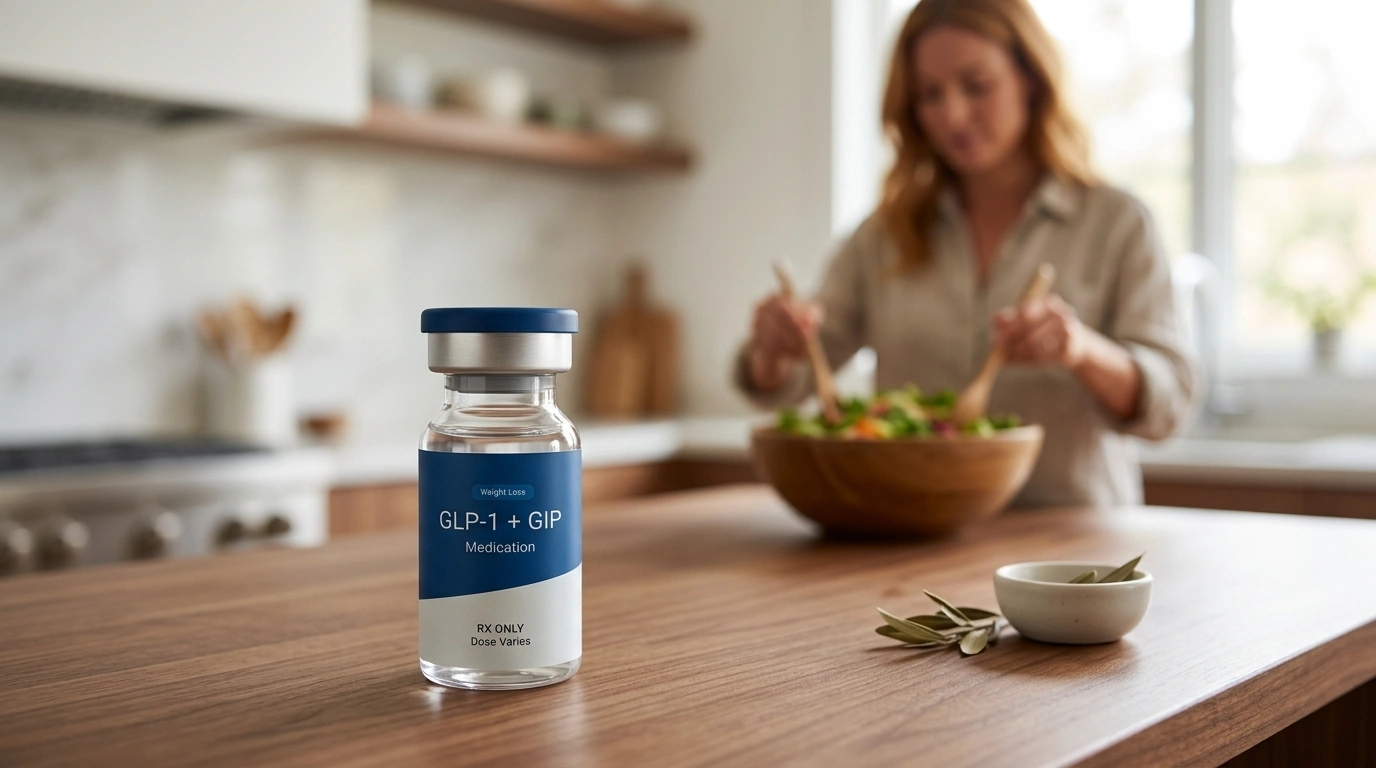
When you start a highly effective weight loss medication, your body undergoes significant physiological changes. Zepbound belongs to a class of drugs known as dual GIP (glucose-dependent insulinotropic polypeptide) and GLP-1 (glucagon-like peptide-1) receptor agonists. These hormones naturally occur in the body, and the medication mimics them to help regulate appetite and blood sugar.
Omeprazole, on the other hand, is a proton pump inhibitor (PPI). Its primary job is to reduce the amount of acid produced by the glands in the lining of your stomach. Many individuals find themselves needing both: one to manage weight and the other to manage the gastrointestinal symptoms that often accompany metabolic changes.
How Zepbound Affects Digestion
To understand why you might need omeprazole, it is helpful to look at how tirzepatide—the active ingredient in Zepbound—works. Beyond its effects on the brain’s hunger signals, it significantly slows down gastric emptying. This means that food stays in your stomach for a longer period than it normally would.
For a broader explanation of this mechanism, read how GLP-1 medications slow digestion.
While this delayed emptying is a key part of why the medication helps you feel full longer, it can also lead to increased pressure in the stomach. When food and acid sit in the stomach for extended periods, they are more likely to back up into the esophagus, leading to the burning sensation known as acid reflux or GERD (gastroesophageal reflux disease).
How Omeprazole Provides Relief
Omeprazole works by shutting down the “pumps” in your stomach cells that release acid. By lowering the total acidity of your stomach contents, any reflux that does occur is much less irritating to the delicate lining of your esophagus. For many patients on a weight loss program, a PPI like omeprazole becomes a temporary bridge to help them tolerate the medication while their body adjusts to a new digestive pace.
Quick Answer: Yes, you can generally take omeprazole with Zepbound. There are no major known direct interactions between the two. However, because Zepbound slows down your digestion, it may change how quickly your body absorbs the omeprazole, making timing an important factor.
Potential Absorption Concerns
The most significant consideration when taking any oral medication alongside an injectable GLP-1 or GIP medication is the “transit time.” Since the weight loss medication is designed to keep things in your stomach longer, any pill you swallow—including omeprazole—will also sit in the stomach longer before moving into the small intestine where most absorption occurs.
For additional context, see this guide to how long food may stay in your stomach on Zepbound.
Delayed Onset of Action
If you take omeprazole to treat an active, painful bout of heartburn, you might notice that it takes longer to kick in than it did before you started your weight loss injections. This is not necessarily because the drug is failing, but because it is literally waiting in line behind the food in your stomach.
Effectiveness of the PPI
Clinical studies on tirzepatide have looked at how it interacts with various oral medications. While the delay in absorption is measurable, for most medications like omeprazole, the total amount of the drug that eventually gets into your system remains largely the same. This means that while it might start working a little later, it should still provide the acid-reducing benefits you expect.
Key Takeaway: The primary “interaction” between these drugs is mechanical, not chemical. The slowed stomach emptying caused by the injection may delay how fast the oral pill starts working, but it usually doesn’t stop it from working entirely.
Why Reflux Happens on Weight Loss Medications
It is very common for patients to experience new or worsening reflux when starting Zepbound. Understanding the “why” can help you manage the symptoms more effectively with the help of a clinical team.
For a focused explanation of this issue, explore why Zepbound can cause heartburn and reflux.
- Relaxation of the Lower Esophageal Sphincter (LES): The hormones involved in weight loss medications can sometimes cause the valve between your stomach and esophagus to relax slightly, making it easier for acid to escape upward.
- Increased Gastric Pressure: As food stays in the stomach longer, the physical volume can create upward pressure.
- Dietary Choices: Sometimes, the types of food we eat while on a GLP-1—such as high-fat or greasy foods—can sit even longer in the stomach, exacerbating the production of acid.
Our personalized programs at TrimRx are designed to look at your health profile holistically. When you report symptoms like reflux, our partner providers can help determine if a medication like omeprazole is the right choice for you or if lifestyle adjustments should be the first line of defense.
Recommended Timing for Omeprazole
If your healthcare provider confirms that taking omeprazole is appropriate for you, timing becomes the next most important factor. To get the best results from a PPI, it generally needs to be in your system before your stomach starts producing significant amounts of acid.
The “Empty Stomach” Rule
Omeprazole is typically most effective when taken 30 to 60 minutes before your first meal of the day. This is even more critical when your digestion is slowed. Taking it on an empty stomach gives the pill the best chance of passing through the stomach and into the small intestine without getting caught in a “traffic jam” of food.
Consistency is Key
Unlike some antacids that work instantly to neutralize existing acid, PPIs like omeprazole work by preventing acid production. They are often most effective when taken daily at the same time, rather than only when you feel a burn.
Suggested Routine
- Morning: Take omeprazole immediately upon waking with a full glass of water.
- Wait: Wait at least 30 to 60 minutes before eating breakfast or drinking coffee.
- Monitor: Keep a log of your symptoms to see if the reflux is worse on the days immediately following your weekly injection.
Managing GI Side Effects Holistically
While omeprazole can be a helpful tool, it is often just one part of a larger strategy to manage the gastrointestinal side effects of weight loss medications. Many patients find that a combination of medication, supplements, and lifestyle changes produces the best results.
For more general guidance, review this tirzepatide side effects management guide.
Nutritional Support
Maintaining proper nutrient intake is vital when your appetite is suppressed and your digestion is altered. For those looking for targeted support, we offer specialized products like GLP-1 Daily Support, which is designed to complement your journey by providing essential nutrients that might be harder to absorb or maintain during active weight loss.
Lifestyle Adjustments for Reflux
- Eat Smaller Meals: Instead of three large meals, try five very small snack-sized portions to avoid overfilling the stomach.
- Avoid Late-Night Eating: Try to stop eating at least three hours before lying down for bed.
- Elevate Your Head: Using a wedge pillow or elevating the head of your bed can use gravity to keep acid in your stomach while you sleep.
- Identify Triggers: Common triggers like caffeine, chocolate, spicy foods, and carbonated beverages can worsen the reflux caused by Zepbound.
Safety and Long-Term Use
While omeprazole is available over the counter, taking it long-term while on a weight loss program requires medical supervision. There are a few specific health considerations to keep in mind when combining these treatments.
For more information about managing medication-related discomfort, read what to expect from tirzepatide side effects.
Kidney Health
Both PPIs and GLP-1 medications require attention to kidney function. While Zepbound does not directly damage the kidneys, severe nausea and vomiting can lead to dehydration, which in turn can stress the kidneys. Some studies have suggested that very long-term use of PPIs may also be linked to kidney issues. Always ensure you are drinking plenty of fluids and having your lab work monitored by a professional.
Magnesium and Vitamin Levels
Long-term use of omeprazole can sometimes interfere with the absorption of certain minerals, specifically magnesium and Vitamin B12. Since some people on weight loss medications already face risks of nutritional gaps due to reduced caloric intake, it is important to monitor these levels.
Note: If you have a history of kidney disease, bone fractures, or chronic low magnesium, consult your healthcare provider before starting a daily regimen of omeprazole alongside your weight loss medication.
The Risk of C. Diff
There is a small but noted risk that long-term use of PPIs can change the bacterial balance in the gut, potentially increasing the risk of infections like Clostridium difficile (C. diff). If you experience severe, watery diarrhea that does not improve, contact a doctor immediately, as this is different from the standard digestive changes expected with Zepbound.
How Our Platform Supports Your Journey
Navigating the world of prescriptions and supplements can be overwhelming. At TrimRx, we aim to simplify the process by connecting you with licensed providers who understand the nuances of GLP-1 and GIP treatments.
When you participate in our personalized programs, you aren’t just getting a prescription; you’re getting a dedicated team. Our platform allows for 24/7 access to specialists who can answer questions like, “Is this heartburn normal?” or “Should I adjust my omeprazole dose?” We provide access to compounded tirzepatide—which is prepared by FDA-registered, inspected compounding pharmacies—as well as guidance on using branded medications like Zepbound®.
By focusing on a telehealth-first approach, we remove the barriers of waiting rooms and in-person visits, allowing you to manage your metabolic health from the comfort of your home.
The Importance of Personalization
No two bodies react to medication in the same way. One person may take Zepbound and feel no reflux at all, while another might find it debilitating without the help of a PPI. This is why we emphasize a tailored health profile. Through our free assessment quiz, we gather the necessary information to help a provider determine the best course of action for your specific needs, whether that includes medication for weight loss, acid reflux, or both.
Comparison: Managing GI Symptoms
| Symptom | Common Medication | How It Interacts With Weight Loss Meds |
|---|---|---|
| Acid Reflux | Omeprazole | May have delayed absorption due to slow gastric emptying. |
| Nausea | Ondansetron (Zofran®) | Often prescribed together; can also be affected by absorption timing. |
| Constipation | Magnesium/Fiber | Essential for some; fiber can further slow digestion, so use with care. |
| Gas/Bloating | Simethicone | Generally safe; works locally in the gut, so absorption is less of a concern. |
Steps to Take if You Experience Heartburn
If you are currently on Zepbound and experiencing significant acid reflux, follow these steps to manage it safely:
- Step 1: Consult Your Provider. Before starting any new medication, even over-the-counter omeprazole, send a message to your clinical team to ensure it is safe for your specific health history.
- Step 2: Start a Food Diary. Track what you eat and when the heartburn is worst. You may find a direct link to specific foods.
- Step 3: Adjust Your Timing. If cleared to use omeprazole, take it 30–60 minutes before your first meal to account for slowed digestion.
- Step 4: Stay Hydrated. Acid reflux can sometimes be exacerbated by dehydration. Small, frequent sips of water throughout the day are better than gulping large amounts at once.
For broader guidance on managing gastrointestinal symptoms, see this tirzepatide side effects guide.
Bottom line: While omeprazole is generally safe to use with Zepbound, its absorption may be delayed. Always use it under the guidance of a healthcare professional to monitor for long-term side effects and nutritional balance.
Conclusion
The journey toward sustainable weight loss is rarely a straight line, and managing side effects like acid reflux is a common part of the process. While you can take omeprazole with Zepbound, doing so requires an understanding of how your body’s digestion has changed. By prioritizing timing and keeping an open line of communication with your healthcare team, you can manage discomfort without compromising the effectiveness of your treatment.
At TrimRx, our mission is to help you embrace a healthier lifestyle through a transparent, science-backed, and empathetic approach. We believe that weight loss should be supervised, personalized, and accessible. Whether you are curious about starting a GLP-1 program or looking for ways to optimize your current treatment, we are here to guide you every step of the way.
Next Step: Ready to see if a personalized weight loss program is right for you? Take the free assessment quiz today to begin your journey with expert clinical support.
FAQ
Is it safe to take omeprazole every day while on Zepbound?
For many people, taking omeprazole daily is safe and necessary to manage the acid reflux caused by slowed gastric emptying. However, long-term use of PPIs should always be monitored by a healthcare provider to check for potential mineral deficiencies or kidney stress. Your doctor will help determine the shortest duration and lowest dose needed for your symptoms.
Does Zepbound make omeprazole less effective?
Zepbound does not typically make omeprazole less effective in terms of the total amount absorbed, but it can delay how quickly the medication starts working. Because Zepbound slows down your stomach, the omeprazole pill stays in your stomach longer before reaching the small intestine. Taking it on an empty stomach 30 to 60 minutes before eating can help mitigate this delay.
Can I take other antacids like Tums instead of omeprazole?
Yes, calcium-based antacids like Tums® are generally safe to use for occasional, immediate relief of heartburn while on Zepbound. Unlike omeprazole, which prevents acid production, these work by neutralizing acid that is already present. If you find yourself needing antacids more than twice a week, you should speak with your provider about a more long-term solution like a PPI.
Why did my acid reflux start only after I increased my Zepbound dose?
Side effects like acid reflux are often dose-dependent, meaning they can become more noticeable as you move to higher strengths of the medication. As the concentration of tirzepatide increases, the slowing of your gastric emptying may become more pronounced. If your reflux becomes severe after a dose increase, your provider may suggest staying at a lower dose for longer or adding a medication like omeprazole to your routine.
If you are experiencing persistent or worsening symptoms, you can start a free assessment so your health history and current medications can be reviewed by a provider.
Disclaimer: This content is for informational purposes only and does not constitute medical advice. It is not intended to diagnose, treat, cure, or prevent any disease or condition. Individual results may vary. Always consult a qualified healthcare professional before starting any weight loss program or medication.

Transforming Lives, One Step at a Time
Keep reading

Kids’ Birthday Party on Zepbound
If you have young children, birthday parties are a regular part of life: your own child’s, and the steady stream of classmates’ parties most…
Water Aerobics on Zepbound
For people with painful knees, hips, or backs, water aerobics and pool exercise are often the first kind of exercise that feels possible. The…

New Year’s Eve on Zepbound
New Year’s Eve is built around staying up late. There is usually a big dinner or a party spread, drinks through the evening, champagne…


