Can You Take Zepbound After Gallbladder Removal?
Introduction
Deciding to pursue a medical weight loss journey is a significant step toward better health, but it often comes with a list of “what ifs,” especially if you have a history of surgery. If you have had your gallbladder removed, you may feel hesitant about starting a powerful medication like Zepbound®. You might worry about how your digestive system will react or if the lack of a gallbladder makes the treatment unsafe. At TrimRx, we believe that understanding your body’s unique history is the foundation of a successful weight loss program. If you want a personalized review of your health history, take the free assessment quiz. This article provides a detailed look at the safety of using tirzepatide after a cholecystectomy, how it interacts with your digestion, and what you can do to ensure the best possible experience. While every individual’s medical history is different, having no gallbladder generally does not prevent you from using these modern weight loss tools effectively under the guidance of a licensed professional.
What is Zepbound and How Does It Work?
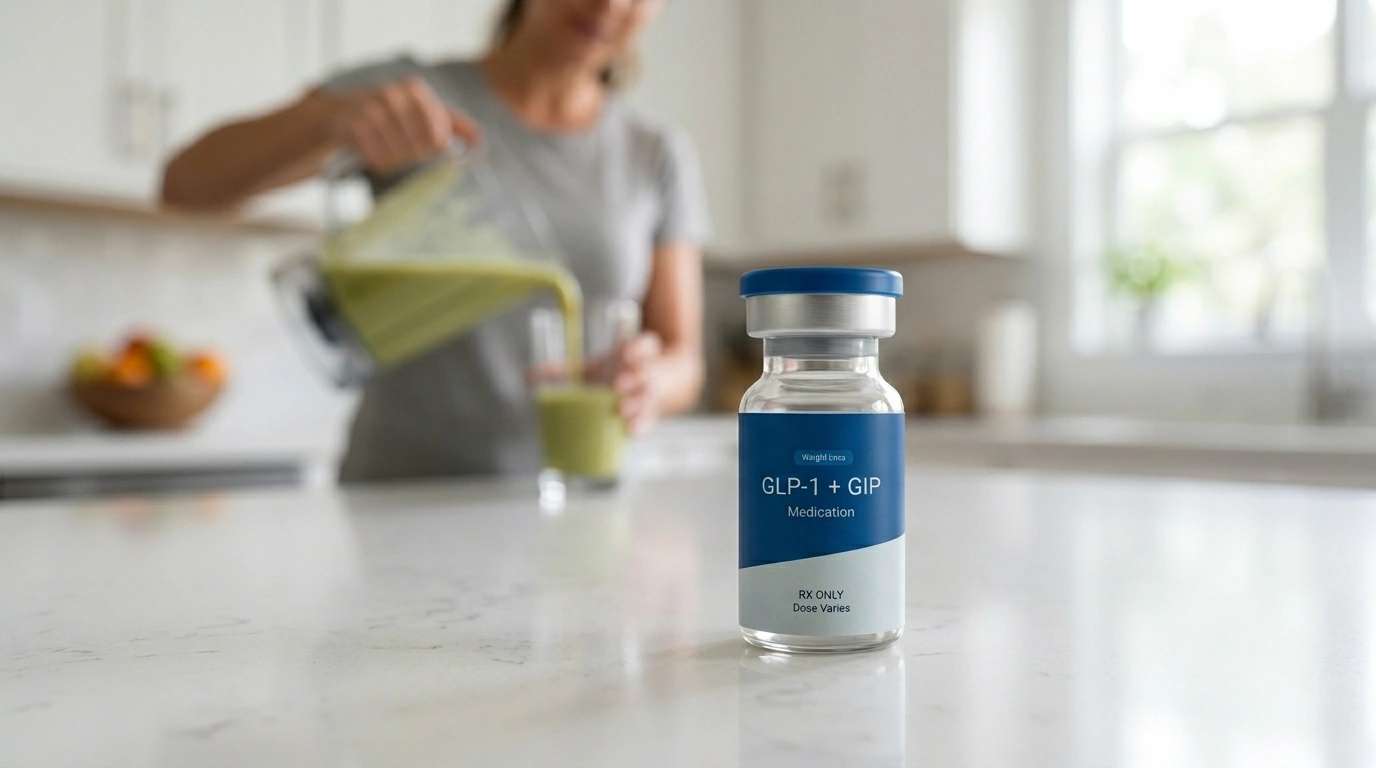
To understand how Zepbound interacts with your body, it is helpful to look at its primary components. Zepbound is a brand-name medication that contains the active ingredient tirzepatide. It is a dual agonist, meaning it targets two different hormone receptors in the body: glucagon-like peptide-1 (GLP-1) and glucose-dependent insulinotropic polypeptide (GIP). For a deeper look at how tirzepatide and gallbladder health can overlap, see our tirzepatide gallbladder risk guide.
These hormones are naturally produced in your gut when you eat. GLP-1 helps regulate blood sugar by encouraging insulin production and slowing down “gastric emptying,” which is the scientific term for the speed at which food leaves your stomach. This slower process helps you feel full for a longer period. GIP also plays a role in energy balance and fat metabolism. By mimicking these two hormones, tirzepatide helps reduce your overall appetite and quiets the constant “food noise” that often makes traditional dieting so difficult.
Many people who cannot access branded medications choose to work with licensed providers who may prescribe compounded tirzepatide. These versions are prepared by FDA-registered, inspected compounding pharmacies. While the branded medication Zepbound is FDA-approved for chronic weight management, it is important to note that compounded versions are not FDA-approved. However, they contain the same active ingredient and are often used when patients need more flexibility or are navigating supply shortages.
The Gallbladder’s Role in Your Digestion
The gallbladder is a small, pear-shaped organ located just under the liver. Its primary job is to store and concentrate bile, a fluid produced by the liver that helps your body break down and digest fats. When you eat a meal that contains fat, the gallbladder contracts, squeezing bile into the small intestine to emulsify the fat so it can be absorbed.
When a person undergoes a cholecystectomy—the surgical removal of the gallbladder—the liver still produces bile, but there is no longer a storage tank for it. Instead of being released in a large burst during a meal, bile drips continuously into the small intestine. For many people, the body adapts to this change over time. However, some individuals experience “post-cholecystectomy syndrome,” which can include symptoms like diarrhea, bloating, and gas, particularly after eating high-fat foods.
Because both gallbladder removal and medications like tirzepatide affect the digestive process, it is natural to wonder how they might overlap. Zepbound slows down the movement of food, while the lack of a gallbladder changes how you process fats. Understanding this intersection is key to a smooth weight loss journey. If you want more background on how GLP-1s fit into life after surgery, our GLP-1 medication guide after gallbladder removal is a helpful next read.
Is It Safe to Take Zepbound Without a Gallbladder?
Quick Answer: Yes, it is generally considered safe to take Zepbound or tirzepatide after gallbladder removal. In many cases, having your gallbladder removed actually eliminates the risk of developing gallstones, which is a known potential side effect of rapid weight loss and GLP-1 medications.
Most clinical evidence suggests that a history of gallbladder removal is not a contraindication for starting a GLP-1 or GIP/GLP-1 receptor agonist. In fact, many healthcare providers view it as a non-issue because the organ that would typically be at risk for inflammation (cholecystitis) or stones (cholelithiasis) is no longer present.
However, there is a small nuance to consider. While you cannot develop stones in a gallbladder that is no longer there, it is still possible—though rare—to develop stones in the bile ducts. This is why medical supervision remains a critical component of any program. Our platform connects you with licensed providers who review your surgical history to ensure that tirzepatide is an appropriate fit for your current health status.
Research and Clinical Perspectives
Clinical trials for tirzepatide have shown that gallbladder-related events are a potential side effect for some users. This typically happens because rapid weight loss can change the composition of bile, making stones more likely to form. If you have already had your gallbladder removed, you have essentially bypassed one of the more common side effects associated with this class of medication.
Key Takeaway: Gallbladder removal does not prevent you from using tirzepatide. In fact, it may simplify your experience by removing the risk of medication-induced gallstones.
Navigating Side Effects: The Digestive Overlap
The main challenge for those without a gallbladder is managing the overlapping digestive side effects. Both the absence of a gallbladder and the use of Zepbound can cause gastrointestinal (GI) distress.
Common Shared Symptoms:
- Diarrhea: This is common after gallbladder removal because of the constant drip of bile. It is also a frequent side effect when starting or increasing a dose of tirzepatide.
- Nausea: Slower gastric emptying can cause a feeling of “over-fullness,” leading to nausea.
- Bloating and Gas: Changes in how fat is digested and how quickly food moves through the intestines can lead to increased gas production.
Managing these symptoms requires a proactive approach. Many patients find that their bodies eventually reach an equilibrium, but the first few weeks are often the most sensitive. If you are experiencing significant GI distress, it is important to communicate with your healthcare team to discuss potential dosage adjustments or supportive treatments.
Note: If you experience severe, persistent abdominal pain, fever, or jaundice (yellowing of the eyes or skin), you should contact a healthcare provider immediately, as these could be signs of a more serious bile duct issue.
Timing Your Treatment After Surgery
If you have recently had your gallbladder removed, timing is everything. You should not start a new weight loss medication while you are still in the acute recovery phase of surgery. Your body needs time to heal from the procedure and adjust to its new method of bile secretion.
Most providers recommend waiting until your bowel movements have returned to a regular pattern and you are able to tolerate a normal diet before starting Zepbound. This usually takes several weeks. If you were already on a GLP-1 medication before your surgery, your surgeon likely advised you to pause it. Resuming the medication should only happen once your provider confirms you are stable and your postoperative symptoms have subsided. When you are ready to move forward, complete your free eligibility assessment so a licensed provider can review your history.
Restarting After Surgery: A Step-by-Step Approach
- Step 1: Complete your recovery. Ensure your surgical incisions are healed and you are no longer taking prescription pain medications.
- Step 2: Monitor your digestion. Pay attention to how your body handles food without the gallbladder.
- Step 3: Consult your provider. Discuss your surgery during your TrimRx assessment to determine the best start date.
- Step 4: Start at the lowest dose. Even if you were on a higher dose previously, starting low helps your “new” digestive system adjust.
Nutritional Strategies for Success
For those without a gallbladder, what you eat is just as important as the medication you take. Because your body now handles bile differently, a high-fat meal can be a “trigger” for urgent bathroom trips. When you add Zepbound into the mix, which slows down digestion, a heavy meal can sit in your stomach for hours, causing significant discomfort.
Focus on Lean Proteins
Lean proteins like chicken, turkey, fish, and tofu are easier for your body to process without a concentrated supply of bile. They also help preserve muscle mass during weight loss, which is essential for maintaining a healthy metabolism.
Incorporate Soluble Fiber
Soluble fiber acts like a sponge in your digestive tract. It can help soak up excess bile, which may reduce the frequency of diarrhea. Foods like oats, beans, and certain fruits are excellent sources. However, introduce fiber slowly to avoid excessive bloating.
Small, Frequent Meals
Instead of three large meals, try five small ones. This prevents your digestive system from being overwhelmed by a large amount of food at once, which is particularly helpful when your stomach is emptying more slowly due to the medication.
Hydration and Electrolytes
Because both gallbladder-less digestion and tirzepatide can lead to loose stools, staying hydrated is paramount. We often suggest incorporating a high-quality electrolyte supplement to ensure your body stays balanced, especially during the initial transition period. For added nutritional support during treatment, you can also look into our GLP-1 Daily Support supplement.
Bottom line: A low-fat, high-protein diet with controlled fiber intake is the most effective way to minimize digestive side effects when taking Zepbound without a gallbladder.
How TrimRx Supports Your Weight Loss Journey
At TrimRx, we understand that medical weight loss is not a one-size-fits-all solution. Our platform is designed to provide the personalized care necessary for individuals with unique medical histories, including those who have undergone a cholecystectomy.
When you join our program, you start with a comprehensive assessment. This allows our partner providers to review your health history and determine if tirzepatide—either branded or compounded—is the right choice for you. We focus on a telehealth-first model, which means you can access expert medical guidance from the comfort of your home without the need for waiting rooms or in-person visits.
Our programs are built on transparency and support. We provide access to medications shipped directly from licensed, inspected pharmacies, and our team is available to help you navigate any side effects you might encounter. Whether you are curious about how to manage your diet or need a dosage adjustment, we provide the tools and professional access required for a sustainable, healthy transformation. If you are looking for a little extra energy support while losing weight, the Weight Loss Boost supplement may fit into that conversation.
The Personalized Program Process
- The Free Assessment: You complete a detailed health quiz that covers your medical history, including past surgeries like gallbladder removal.
- Provider Review: A licensed healthcare provider reviews your information to ensure eligibility and safety.
- Treatment Plan: If approved, you receive a personalized treatment plan tailored to your goals.
- Ongoing Support: You have 24/7 access to our team and specialists to help you stay on track and manage your progress.
Metabolic Health and Long-Term Success
Weight loss is about more than just a number on the scale; it is about improving your metabolic health. For individuals who have struggled with weight, the absence of a gallbladder is often a symptom of long-term metabolic stress. Gallstones are frequently linked to insulin resistance and obesity. If you want to understand the broader relationship between GLP-1 therapy and digestive changes, our post on GLP-1 medications after gallbladder removal offers a useful comparison.
By using medications like tirzepatide to address the underlying hormonal drivers of weight gain, you are not just losing weight—you are giving your body a chance to reset. Improved blood sugar regulation, reduced inflammation, and better cardiovascular health are all potential benefits of a supervised weight loss program.
Myth vs. Fact: Gallbladder and GLP-1s
Myth: You cannot take Zepbound if you have ever had gallbladder surgery. Fact: Gallbladder removal is not a contraindication. Most providers safely prescribe these medications to patients without gallbladders every day.
Myth: Zepbound will cause a “bile backup” if you don’t have a gallbladder. Fact: Tirzepatide affects hormones and stomach emptying, but it does not stop the liver from producing bile or the bile from entering the small intestine.
Choosing the Right Path
If you have been holding back on starting Zepbound because of your gallbladder surgery, the evidence suggests you can move forward with confidence. The key is to do so with the right medical partners. A “one-size-fits-all” approach may lead to unnecessary digestive discomfort, but a personalized program that accounts for your surgical history can help you achieve your goals safely.
We are dedicated to helping you find that balance. By combining modern clinical expertise with a supportive, telehealth-driven platform, we make it possible to navigate the complexities of medical weight loss without the stress.
Key Takeaway: Your weight loss journey should be as unique as your health history. Working with a dedicated team ensures that your plan is optimized for your body, with or without a gallbladder.
Conclusion
Taking Zepbound after gallbladder removal is not only possible but is a common practice for many individuals pursuing medical weight loss. While you may need to be more mindful of your fat intake and patient with your digestive system’s adjustment period, the absence of a gallbladder may actually protect you from certain common side effects. Our mission is to provide you with the personalized, science-backed support you need to make these transitions smooth and successful. By focusing on your unique health profile, we help you move toward a healthier lifestyle with empathy and transparency.
If you are ready to see if a personalized weight loss program is right for your health history, the next step is simple.
- Take our free assessment quiz to determine your eligibility.
- Consult with a licensed provider about your specific needs.
- Receive your personalized program and medication at your doorstep.
- Access your support resources whenever you have questions.
FAQ
Does Zepbound cause gallbladder issues if I still have one?
Clinical studies have shown that GLP-1 and GIP/GLP-1 medications like Zepbound can increase the risk of gallbladder-related issues, such as gallstones. This is often linked to the rapid weight loss the medication induces, which can alter bile composition. If you still have your gallbladder, your provider will monitor you for symptoms like upper abdominal pain or nausea. For a broader look at this topic, see our tirzepatide gallbladder risk guide.
Will I have worse diarrhea if I take Zepbound without a gallbladder?
It is possible to experience increased digestive sensitivity, as both Zepbound and the absence of a gallbladder can lead to loose stools. However, many patients manage this successfully by following a low-fat diet and using a gradual dosing schedule. If symptoms persist, a healthcare provider can offer strategies or medications to help manage GI transit.
How long should I wait after surgery to start Zepbound?
You should typically wait until you have fully recovered from your cholecystectomy, which usually takes at least several weeks. It is important that your digestive system has stabilized and you are no longer experiencing acute postoperative symptoms. Always get clearance from your surgeon or primary care provider before starting any new weight loss medication after a procedure.
Can I take compounded tirzepatide if I’ve had my gallbladder removed?
Yes, compounded tirzepatide can be prescribed for individuals without a gallbladder, provided a licensed healthcare provider determines it is safe for your specific health profile. The active ingredient works the same way as the branded version. Ensure your medication comes from an FDA-registered, inspected compounding pharmacy for quality and safety.
Disclaimer: This content is for informational purposes only and does not constitute medical advice. It is not intended to diagnose, treat, cure, or prevent any disease or condition. Individual results may vary. Always consult a qualified healthcare professional before starting any weight loss program or medication.

Transforming Lives, One Step at a Time
Keep reading

Why Is There a Bruise Where I Injected My Zepbound?
A bruise means a small blood vessel was disturbed under the skin and blood spread into the surrounding tissue. It is one of the…

My Zepbound Pen Won’t Click Past a Certain Dose
Start by checking which device you are holding, because the answer depends entirely on that. Zepbound has commonly been supplied in the United States…

Zepbound Alternatives: Your Options Compared
If Zepbound isn’t the right fit, the main alternative is semaglutide (sold as Wegovy), which produces slightly less weight loss but works similarly, along…


