Can You Take Zepbound If You Have GERD?
Introduction
If you have ever felt that burning sensation in your chest after a meal or woken up with a sour taste in your mouth, you know how disruptive Gastroesophageal Reflux Disease (GERD) can be. For many, the desire to manage weight is often complicated by these existing digestive issues. When considering newer weight loss medications like Zepbound®, a common concern arises: will this make my acid reflux worse? At TrimRx, we understand that weight loss is not a one-size-fits-all journey, especially when you are already managing chronic discomfort. This article examines the relationship between Zepbound®, gastric emptying, and acid reflux to help you understand how to navigate treatment safely. While Zepbound® can influence digestive speed, it is often still a viable option for those with GERD when managed under professional supervision.
For additional background, read our guide to how GLP-1 medications slow digestion.
What Is Zepbound and How Does It Work?
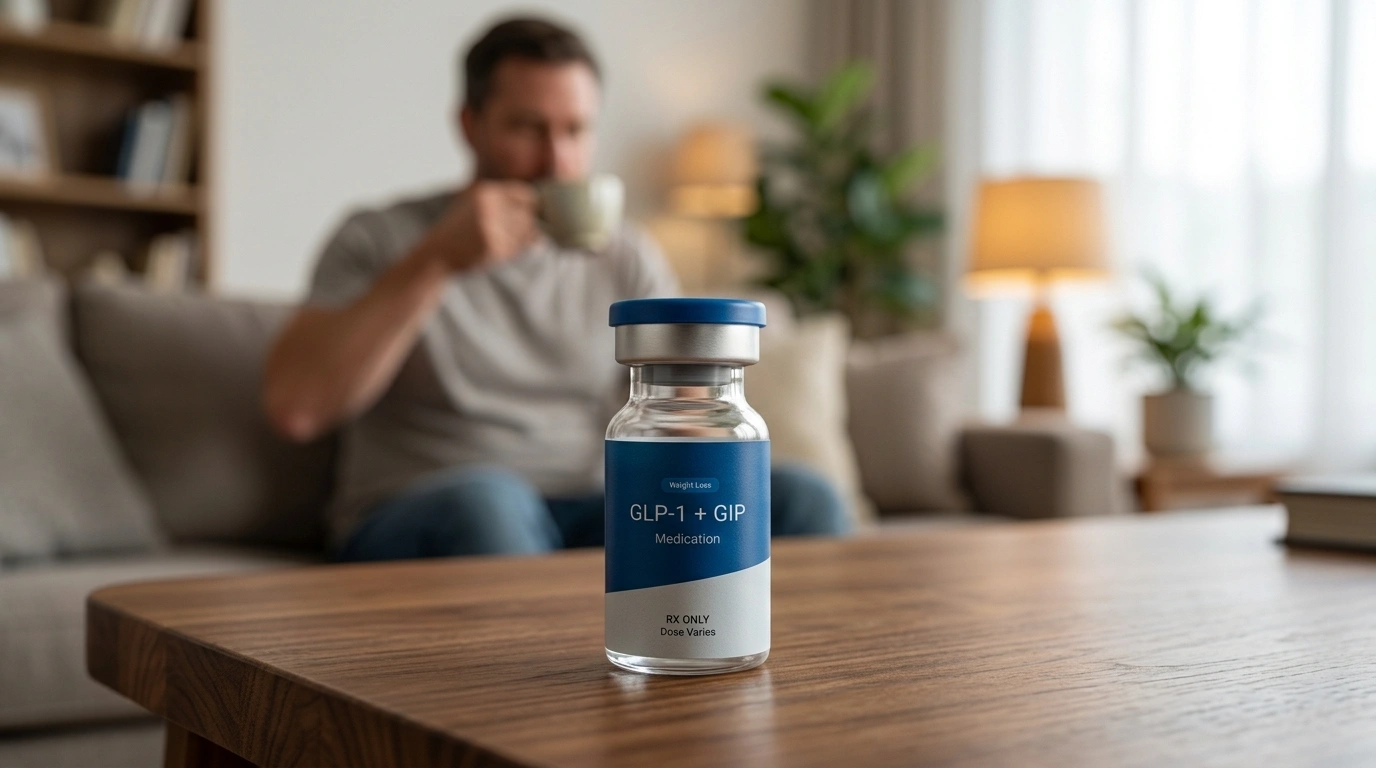
Zepbound® is a brand-name prescription medication containing the active ingredient tirzepatide. It belongs to a class of drugs known as dual GLP-1 and GIP receptor agonists. GLP-1 stands for glucagon-like peptide-1, and GIP stands for glucose-dependent insulinotropic polypeptide. These are hormones naturally produced in your gut that play a major role in how your body processes food and signals fullness.
The medication works by mimicking these hormones. It sends signals to your brain that you are full, which helps reduce overall calorie intake. However, one of its primary mechanisms is slowing down gastric emptying. In plain English, this means the medication tells your stomach to hold onto food for a longer period before moving it into the small intestine. By slowing this process, you feel satisfied for hours after eating a small portion.
While this delayed emptying is excellent for weight loss, it can create a backup in the digestive system. When food stays in the stomach longer, the pressure inside the stomach increases. For someone with a history of GERD, this extra pressure and volume can push stomach acid back up into the esophagus, leading to the symptoms of reflux.
To explore whether a medically supervised program may be appropriate for your health profile, complete the free eligibility assessment.
The Connection Between Obesity and GERD
It is important to acknowledge that weight and acid reflux are often deeply linked. Excess weight, particularly in the abdominal area, puts physical pressure on the stomach. This pressure can force the lower esophageal sphincter (LES)—the muscle that acts as a valve between your esophagus and stomach—to open when it should stay closed.
Key Takeaway: Obesity is a primary risk factor for developing or worsening GERD due to increased intra-abdominal pressure on the stomach and esophagus.
For many individuals, losing weight is the most effective long-term strategy for reducing or even eliminating GERD symptoms. This creates a bit of a paradox: the medication you take to lose weight might temporarily increase your reflux, but the resulting weight loss may eventually provide the ultimate relief for your digestive issues. Understanding this relationship helps set realistic expectations for the first few months of treatment.
Can You Take Zepbound If You Have GERD?
The short answer is that many people with GERD can and do take Zepbound® successfully. However, it is not a decision you should make without a clinical consultation. Because Zepbound® can cause or exacerbate gastrointestinal side effects, a healthcare provider needs to evaluate the severity of your reflux before you begin.
If your GERD is well-controlled with lifestyle changes or medication, your provider may determine that you are a good candidate for the program. If your GERD is severe, erosive, or involves complications like Barrett’s esophagus, your clinical team will need to monitor you much more closely.
At TrimRx, our affiliated providers look at your entire health profile through our free assessment quiz. This ensures that any prescription written is appropriate for your specific medical history, including your digestive health. We focus on a personalized approach because we know that managing reflux while losing weight requires a careful balance of dosage and support.
For a more detailed overview, read Can You Take Zepbound If You Have GERD?.
How Zepbound Specifically Affects Reflux Symptoms
Research and clinical trials have shown that digestive side effects are the most common issues reported by patients taking tirzepatide. Because the medication changes how your gut moves, you may notice a few specific symptoms:
- Heartburn: A burning sensation in the chest that often worsens after eating or when lying down.
- Indigestion: A feeling of fullness or discomfort in the upper abdomen.
- Burping: Increased gas production or “sulfur burps” as food sits longer in the stomach.
- Nausea: A direct result of the stomach remaining full for extended periods.
These symptoms are usually most noticeable when you first start the medication or when your dose is increased. For most people, the body eventually adapts to the new digestive rhythm, and the symptoms begin to subside.
Learn more about why tirzepatide can cause nausea and how to manage it.
Note: If you experience severe abdominal pain that radiates to your back or persistent vomiting, you should contact a healthcare provider immediately, as these can be signs of more serious conditions like pancreatitis.
Lifestyle Strategies to Manage GERD While on Zepbound
If you and your provider decide to move forward with a weight loss program while managing GERD, lifestyle modifications become your most powerful tools. Because the medication is already slowing your digestion, you have to be more intentional about how and what you eat.
Modify Your Eating Patterns
Instead of the traditional three large meals a day, aim for five or six very small portions. When your stomach is less crowded, there is less pressure pushing acid upward. It is also vital to chew your food thoroughly. Digestion begins in the mouth, and the smaller the food particles are when they reach your stomach, the easier it is for your body to process.
For more practical guidance, review these dietary adjustments for managing GERD symptoms on Zepbound.
Time Your Meals
One of the most important rules for managing GERD on Zepbound® is the “three-hour rule.” Avoid eating anything for at least three hours before you plan to lie down or go to bed. Since the medication slows down emptying, a meal eaten at 7:00 PM might still be in your stomach at 10:00 PM. Gravity is your friend; staying upright helps keep acid where it belongs.
Identify and Avoid Triggers
Certain foods naturally relax the lower esophageal sphincter or increase acid production. While on a GLP-1 medication, these triggers can be even more potent. Common culprits include:
- Fried and high-fat foods (which slow digestion even further)
- Spicy seasonings and hot sauces
- Caffeine and carbonated beverages
- Acidic foods like citrus fruits and tomatoes
- Chocolate and peppermint
- Alcohol
Adjust Your Sleeping Position
If you suffer from nighttime reflux, consider using a wedge pillow to elevate your upper body. Simply propping your head up with extra pillows often isn’t enough, as it can bend the body at the waist and actually increase stomach pressure. A gradual incline from the hips up is much more effective.
Medical Management of Reflux During Treatment
Sometimes lifestyle changes aren’t enough to manage the transition period. In these cases, over-the-counter (OTC) or prescription medications may be used alongside your weight loss program.
- Antacids: Quick-acting treatments like calcium carbonate can provide immediate, short-term relief for occasional heartburn.
- H2 Blockers: Medications like famotidine work by reducing the amount of acid your stomach produces. They take longer to work than antacids but provide relief for several hours.
- Proton Pump Inhibitors (PPIs): For more persistent GERD, a provider might suggest a PPI like omeprazole. These are usually taken daily to significantly lower acid production.
It is essential to discuss these options with your healthcare provider. Some medications can affect the absorption of other drugs, and since Zepbound® already changes how fast your stomach empties, the timing of your other medications might need to be adjusted.
For related information, read Can You Take Omeprazole With Zepbound?.
The Role of Personalized Programs
One of the reasons many people find success through the TrimRx platform is our commitment to personalized care. We don’t just provide access to a medication; we help facilitate a program that takes your side effects into account.
When you participate in our program, you have 24/7 access to a team of specialists. If you find that your acid reflux is becoming unmanageable, you can reach out for guidance. Your provider may suggest a slower titration schedule—meaning you stay on a lower dose for a longer period to let your body adjust—or they may provide specific advice on managing your digestive symptoms.
We provide access to both branded options and compounded medications. Compounded Semaglutide and Compounded Tirzepatide are prepared by FDA-registered and inspected compounding pharmacies. These options allow for a high degree of personalization in your treatment plan, ensuring that your journey toward metabolic health is as comfortable as possible.
Quick Answer: You can take Zepbound® with GERD, but you should do so under medical supervision. The medication slows digestion, which can worsen reflux, so you will likely need to adjust your eating habits and possibly use acid-reducing medications.
Comparing the Digestive Impact: Tirzepatide vs. Semaglutide
When choosing a medication, it helps to understand how different options might affect your GERD. While both tirzepatide (Zepbound®) and semaglutide (Wegovy®) slow down the gut, they do so in slightly different ways.
| Feature | Tirzepatide (Zepbound®) | Semaglutide (Wegovy®) |
|---|---|---|
| Drug Class | Dual GLP-1 & GIP Agonist | GLP-1 Agonist |
| Mechanism | Mimics two gut hormones | Mimics one gut hormone |
| Nausea Risk | Very common, usually subsides | Very common, usually subsides |
| Reflux Potential | High due to slowed emptying | High due to slowed emptying |
| Weight Loss | Often reported as higher in trials | Significant and sustained |
Both medications carry a similar risk for GERD symptoms because they both target the GLP-1 receptor responsible for slowing the stomach. The choice often comes down to which medication your body tolerates better and what your healthcare provider recommends based on your medical history.
How to Start Your Journey Safely
If you are ready to take the next step toward sustainable weight loss but are worried about your GERD, the process is straightforward. We have designed a telehealth-first model that removes the stress of traditional doctor visits.
Step 1: Complete the free assessment quiz. / This helps our healthcare partners understand your medical history, your goals, and your current symptoms, including any history of acid reflux.
Step 2: Connect with a licensed provider. / A medical professional will review your information to determine if a GLP-1 or GIP/GLP-1 medication is safe and appropriate for you.
Step 3: Receive your personalized plan. / If prescribed, your medication will be shipped directly to your door from an FDA-registered compounding pharmacy, with clear instructions on how to begin.
Step 4: Ongoing support and monitoring. / As you begin your doses, you can communicate with our team about any side effects you experience, allowing for adjustments to your plan as needed.
Supporting Your Gut Health Beyond Medication
While prescription medications are a cornerstone of our program, we also believe in supporting the body’s natural processes. For those concerned about digestive comfort, maintaining a healthy gut microbiome is vital.
We offer quick-access supplements like GLP-1 Daily Support, which can be purchased without a prescription. These are designed to provide the body with the nutrients and support it needs while you are on a weight loss journey. While they do not treat GERD, maintaining overall nutritional balance can help you feel better as your body goes through significant changes.
When GERD Becomes a Concern: Warning Signs
While mild acid reflux is a common side effect of Zepbound®, there are times when digestive issues require more urgent attention. You should consult a medical professional if you experience:
- Difficulty swallowing or a feeling that food is stuck in your throat.
- Unexplained weight loss that is too rapid or accompanied by extreme weakness.
- Vomiting blood or material that looks like coffee grounds.
- Black, tarry stools.
- Persistent chest pain that does not respond to antacids.
Most patients find that their symptoms are manageable with simple tweaks, but staying in communication with your care team is the best way to ensure your safety.
Myth: You have to stop taking Zepbound® if you get acid reflux. Fact: Most reflux can be managed with dose adjustments, dietary changes, or OTC medications without needing to end your weight loss program.
Conclusion
Managing weight when you have GERD requires a thoughtful, science-backed approach. While Zepbound® does slow down the digestive system—a factor that can certainly trigger acid reflux—it is not necessarily a barrier to treatment. By working with the providers at TrimRx, you can develop a personalized plan that addresses your metabolic goals while respecting your digestive sensitivity. Our mission is to help you achieve sustainable health through a program that prioritizes your comfort and safety at every step.
Key Takeaway: The long-term benefits of weight loss often outweigh the temporary challenges of managing GERD during the initial stages of GLP-1 or GIP/GLP-1 therapy.
If you are tired of the cycle of failed diets and want to see if a medically supervised program is right for you, we are here to help. Our telehealth platform makes it easier than ever to get the expert guidance you need from the comfort of your home.
Take the first step today by completing our free health assessment quiz and find out which personalized program fits your needs.
FAQ
Will Zepbound always cause acid reflux?
Not everyone who takes Zepbound® will experience acid reflux, though it is a common side effect. Many patients find that if they do experience it, the symptoms are mild and tend to improve as their body becomes accustomed to the medication. Following dietary guidelines and eating smaller portions can significantly reduce the likelihood of developing reflux.
For more information, read why Zepbound can cause heartburn.
What is the best way to prevent GERD symptoms while on this medication?
The most effective way to prevent GERD while on Zepbound® is to avoid overfilling your stomach and to give your body plenty of time to digest before lying down. Focus on eating small, frequent meals throughout the day rather than large dinners. Additionally, identifying your specific trigger foods, such as greasy or spicy items, and removing them from your diet can prevent symptoms from starting.
Can I use Tums or Pepcid while taking Zepbound?
Generally, over-the-counter antacids like Tums and H2 blockers like Pepcid (famotidine) are considered safe to use for managing occasional reflux while on Zepbound®. However, because Zepbound® slows your digestion, the timing and effectiveness of these medications may change. It is always best to consult with your healthcare provider before adding any new medications or supplements to your routine.
Does the acid reflux go away once I reach my goal weight?
For many people, the symptoms of GERD improve significantly or even disappear entirely as they lose weight. Losing abdominal fat reduces the physical pressure on your stomach and the lower esophageal sphincter. While the medication might cause temporary reflux during treatment, the long-term result of weight loss is usually a significant improvement in overall digestive health.
If you are considering a supervised treatment plan, you can see whether you qualify for a personalized program.
Disclaimer: This content is for informational purposes only and does not constitute medical advice. It is not intended to diagnose, treat, cure, or prevent any disease or condition. Individual results may vary. Always consult a qualified healthcare professional before starting any weight loss program or medication.

Transforming Lives, One Step at a Time
Keep reading

Kids’ Birthday Party on Zepbound
If you have young children, birthday parties are a regular part of life: your own child’s, and the steady stream of classmates’ parties most…
Water Aerobics on Zepbound
For people with painful knees, hips, or backs, water aerobics and pool exercise are often the first kind of exercise that feels possible. The…

New Year’s Eve on Zepbound
New Year’s Eve is built around staying up late. There is usually a big dinner or a party spread, drinks through the evening, champagne…


