Can You Take Zepbound at Room Temperature?
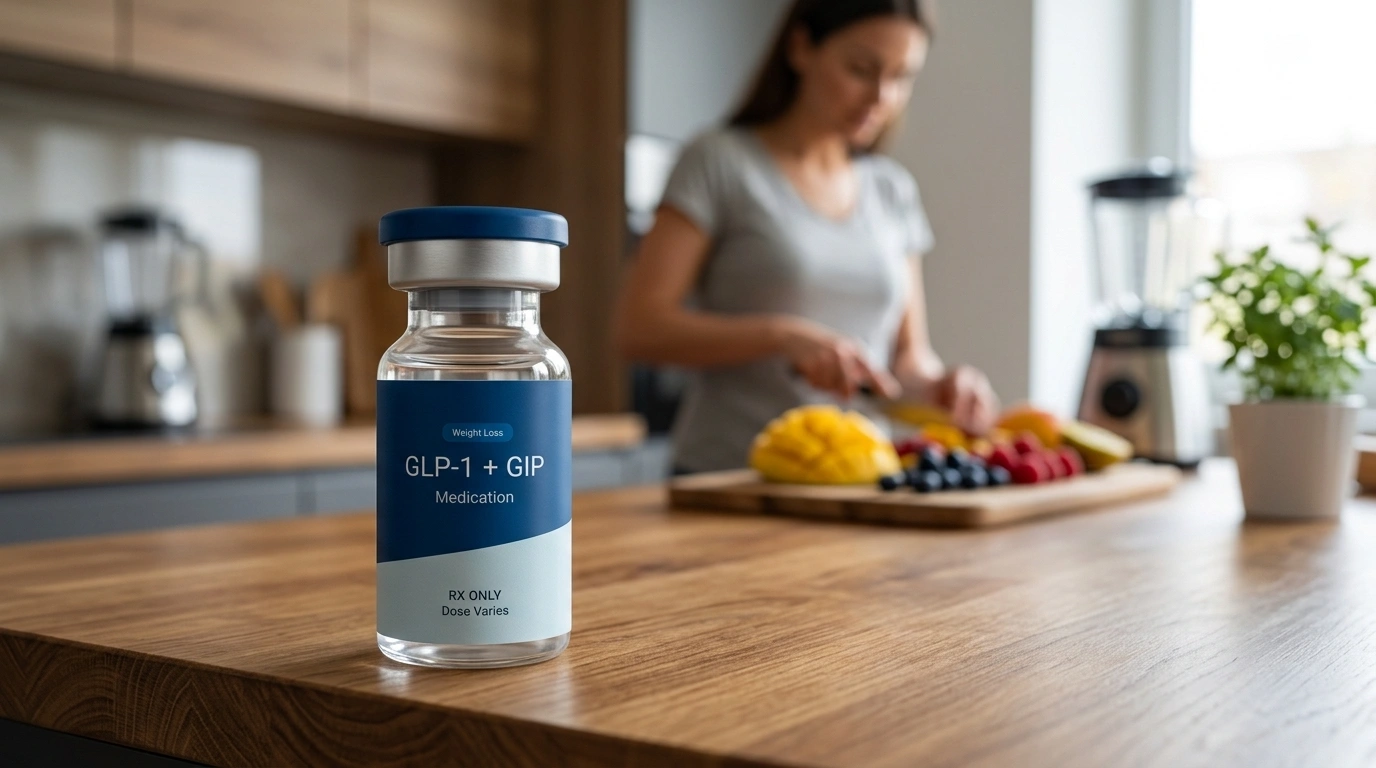
Introduction
Managing a new medication like Zepbound® can feel like a significant responsibility, especially when you are balancing a busy lifestyle. One of the most common concerns for those starting their weight loss journey is the logistics of storage. If you’re also comparing prescription options, you can take the free assessment quiz to see which path fits your health profile. Whether you are planning a vacation, facing a power outage, or simply wondering if you can leave your pen on the counter before an injection, you need clear answers.
The short answer is yes, you can keep Zepbound® at room temperature for a limited time. Specifically, the medication is designed to remain stable outside of the refrigerator for up to 21 days, provided it stays below a certain temperature threshold. At TrimRx, we believe that understanding the science behind your treatment is the first step toward long-term success. For a deeper look at the storage guidance behind this topic, see our Zepbound storage essentials guide. This post will cover everything you need to know about storage, travel, and ensuring your medication stays effective. We will help you navigate the “21-day rule” and what to do if your medication accidentally gets too warm.
Quick Answer: You can store Zepbound® at room temperature for up to 21 days as long as the temperature does not exceed 86°F (30°C). Once the medication has reached room temperature, it should not be placed back into the refrigerator.
The 21-Day Rule for Zepbound®
When you receive your prescription, the first instruction you likely see is to “keep refrigerated.” While this is the ideal way to store the medication long-term, the manufacturer understands that life happens. The 21-day rule is a safety margin provided to ensure the medication remains potent even when refrigeration is not available.
Tirzepatide, the active ingredient in Zepbound®, is a dual-acting peptide. Peptides are essentially chains of amino acids that act as messengers in the body. Because they are biological molecules, they are sensitive to environmental changes. Heat and light can cause these chains to break down, a process known as degradation. If you want a broader overview of handling and storage, our tirzepatide storage, travel, and handling guide covers the same core principles in more detail.
If you leave your pen out, the 21-day countdown begins immediately. It is helpful to mark the date on the carton so you do not lose track. If the medication is not used within those three weeks, the chemical structure may change. This does not necessarily make the drug “toxic,” but it can make it significantly less effective. For someone working hard to reach their health goals, using a weakened medication can stall progress and lead to frustration.
Ideal Storage: Why the Refrigerator is Best
For the majority of the time, your medication should live in the fridge. The ideal temperature range for Zepbound® is between 36°F and 46°F (2°C to 8°C). Keeping the medication in this cold environment preserves the integrity of the tirzepatide molecules until the expiration date printed on the package.
Where in the fridge should you store it? Not all areas of a refrigerator are created equal. You should avoid the door, as the temperature fluctuates every time you open it to grab a snack. You should also avoid the very back of the shelf or the crisper drawer, where items can sometimes accidentally freeze. For more detail on fridge timing, our tirzepatide fridge storage guide is a useful companion read.
Key Takeaway: Store your medication on a middle shelf in its original carton. This protects the pens from both temperature swings and light exposure, which can also damage the medication.
The Danger of Freezing
While heat is an enemy, extreme cold is even worse. You should never use Zepbound® if it has been frozen. Freezing temperatures can cause the peptide to denature or break apart entirely. Even if the pen thaws out and looks normal, the medication is likely ruined. If you notice ice crystals in the liquid or if your fridge has a history of freezing items on the top shelf, check your pens carefully before use.
Room Temperature vs. High Heat
It is important to define what “room temperature” actually means in a medical context. For Zepbound®, room temperature is considered to be up to 86°F (30°C). Most climate-controlled homes in the US stay well below this. However, there are common scenarios where the temperature can spike without you realizing it.
Avoid these high-heat zones:
- The Bathroom: Steam from a hot shower can quickly raise the temperature of the room beyond the safe limit.
- The Kitchen: Storing medication near a stove, toaster, or even on top of a refrigerator (which vents heat) can put the medication at risk.
- Windowsills: Direct sunlight can heat the liquid inside the pen significantly higher than the ambient air temperature.
- The Car: This is the most common place for medication to fail. Even on a mild 75°F day, the interior of a parked car can reach 100°F or more in minutes.
If your medication is exposed to temperatures above 86°F, the 21-day rule no longer applies. In these cases, the medication should be discarded, as its potency can no longer be guaranteed.
Taking Your Injection: The Comfort Factor
While the medication should be stored in the fridge, many people find that injecting cold liquid is uncomfortable. It can sometimes cause a “sting” or a slight pinching sensation. If that’s something you’ve noticed, our guide to injecting Zepbound cold explains the comfort tradeoffs.
How to warm your pen safely: Step 1: Take the individual pen out of the refrigerator about 30 minutes before you plan to inject. Step 2: Place the pen on a clean, flat surface away from direct sunlight. Step 3: Let it naturally reach room temperature. Do not use a microwave, hot water, or a hair dryer to speed up the process. Step 4: Perform the injection as directed by your healthcare provider.
Letting the pen sit out for 30 to 60 minutes will not count against your 21-day room temperature limit, as you are using the medication immediately. This simple step can make the weekly routine much more pleasant.
Traveling with Zepbound®: A Practical Plan
Traveling should not be a source of stress when you are on a weight loss program. Because you can take Zepbound® at room temperature for up to 21 days, most domestic trips are easily manageable.
Air Travel Tips When flying, always keep your medication in your carry-on luggage. The cargo hold of an airplane is not temperature-controlled and can experience extreme cold or heat that will ruin the drug. Furthermore, keeping it with you ensures that if your checked bags are lost, your treatment remains on track.
Road Trip Tips If you are driving, keep your medication in the passenger cabin with you. If you need to stop for a meal, do not leave the medication in the car. Bring it inside in a small insulated bag. For more on handling medication away from home, our compounded tirzepatide storage and travel guide covers practical travel considerations.
Using Travel Cases For trips longer than 21 days or travel to very hot climates, we recommend using a medical-grade cooling case. These cases are designed to maintain a “refrigerator” temperature range for several hours or even days using specialized gel packs. Ensure there is a layer of insulation between the gel pack and the pen to prevent accidental freezing.
| Storage Condition | Time Limit | Temperature Limit |
|---|---|---|
| Refrigerated | Until Expiration Date | 36°F to 46°F |
| Room Temperature | 21 Days Total | Up to 86°F |
| High Heat | Discard Immediately | Above 86°F |
| Frozen | Discard Immediately | 32°F or below |
What Does Degraded Medication Look Like?
You should always inspect the liquid in your pen or vial before every dose. Zepbound® should be clear and colorless to slightly yellowish. If you notice any of the following, do not use the medication and contact your pharmacist:
- Cloudiness: The liquid should not look milky or foggy.
- Particles: You should not see any tiny “flakes” or solid bits floating in the liquid.
- Color Change: If the liquid turns a dark yellow or a different color entirely, it has likely degraded.
- Freezing: Any signs of ice or slush inside the pen.
Note: If you are ever unsure about the appearance of your medication, it is safer to skip the dose and consult a professional. Using compromised medication can lead to unpredictable blood sugar changes or a lack of appetite suppression.
Compounded Tirzepatide and Room Temperature
Many people choose to use Compounded Tirzepatide as part of their weight loss journey. Compounded medications are prepared by specialized pharmacies to meet specific patient needs. It is important to understand that while they contain the same active ingredient as branded versions, they are not FDA-approved. However, the pharmacies that produce them are FDA-registered and inspected.
Compounded Tirzepatide generally follows the same storage logic as the branded version, but you must always follow the specific instructions on the label provided by the compounding pharmacy. Some compounded versions may have different preservatives or concentrations that could affect their shelf life at room temperature. If you want to understand how compounded options are stored at home, see our compounded semaglutide or tirzepatide home storage guide.
At TrimRx, we connect our members with licensed providers who can prescribe compounded options when appropriate. Because our programs are personalized, your provider will give you specific guidance on how to handle your specific formulation.
Myth: Compounded medications don’t need refrigeration because they are “custom made.” Fact: Tirzepatide is a peptide regardless of whether it is branded or compounded. It remains sensitive to heat and generally requires the same refrigeration standards to remain effective.
Power Outages: An Emergency Guide
A sudden power outage can cause “fridge anxiety.” If the power goes out, the most important thing is to keep the refrigerator door closed. A standard fridge will keep items cold for about four hours if unopened.
If the power is out for longer than four hours, your Zepbound® has officially entered its “room temperature” phase. At this point, you should:
- Note the time the fridge likely went above 46°F.
- Leave the medication in the fridge (it is still a cool, dark place).
- Plan to use that medication within the next 21 days.
- Do not put it back in the fridge once the power returns if it has already warmed up significantly.
If you have a large supply of pens (such as a three-month fill) and the power is out for a long time, you may need to contact your insurance or the manufacturer to discuss a replacement, as you likely won’t be able to use all the pens within the 21-day window.
Managing Your Personalized Program
Success in weight loss is about more than just the medication; it is about the support system around you. At TrimRx, we provide a telehealth-first experience that removes the barriers to high-quality care. Our programs are designed to be simple and transparent. If you want to check whether a personalized program fits your goals, you can take the free assessment quiz.
When you join a program through our platform, you receive:
- A personalized treatment plan based on your health history and goals.
- Access to medical providers who understand the nuances of GLP-1 and GIP receptor agonists.
- Ongoing support to help you manage side effects or logistics like storage and travel.
- The convenience of having medication shipped directly to your door from a licensed pharmacy.
We handle the clinical heavy lifting so you can focus on making the lifestyle changes that lead to sustainable results. Whether you are using a branded medication or a compounded alternative, we are here to ensure you feel confident at every step.
Disposal and Safety Precautions
Properly disposing of your pens is just as important as storing them correctly. Zepbound® pens contain a needle, which means they must be treated as “sharps.”
Do not throw pens in the regular trash. Once you have completed your injection, place the pen immediately into an FDA-cleared sharps container. If you do not have one, you can use a heavy-duty plastic container, such as an empty laundry detergent bottle, as long as it has a screw-on lid and is puncture-resistant.
Wait, what if there is liquid left? Zepbound® pens are single-dose. Even if it looks like there is a tiny drop of liquid left in the glass after the injection, the mechanism is designed to deliver one specific dose. Do not attempt to take “leftover” medication. Once the plunger has moved and the click has happened, the pen is spent.
Bottom Line: Consistency is Key
The flexibility to keep your medication at room temperature for 21 days is a major benefit for anyone with an active life. However, refrigeration should always be your default. By keeping your tirzepatide cool, dark, and protected, you ensure that every dose you take is working at its maximum potential.
Weight loss is a marathon, not a sprint. Small details—like checking the temperature of your fridge or packing an insulated bag for a flight—add up over time. These habits protect your health and your investment in yourself.
Conclusion
Understanding the storage requirements of Zepbound® allows you to integrate your treatment into your life without constant worry. You can indeed take your medication at room temperature, provided you stick to the 21-day safety window and keep it away from extreme heat and light. This flexibility makes it easier to stay consistent, whether you are at home or exploring the world.
At TrimRx, our mission is to empower you through science and empathy. We provide the tools, the medical expertise, and the personalized programs you need to navigate your weight loss journey with confidence. If you are ready to take the next step toward a healthier version of yourself, start with our free assessment quiz and see what fits your goals.
Next Steps for Your Journey:
- Check your current supply: Ensure your pens are stored in the middle of your fridge, away from the freezer element.
- Mark your calendar: If you take a pen out of the fridge for a trip, note the 21-day expiration date immediately.
- Consult a professional: If your medication ever looks cloudy or was exposed to high heat, reach out to your healthcare provider before using it.
- Start your assessment: If you are looking for a personalized weight loss program, take our free assessment quiz to see which options are right for your health profile.
Key Takeaway: Proper storage is the silent partner in your weight loss success. Protect your medication so it can protect your health.
FAQ
Can I put Zepbound back in the fridge after it reaches room temperature?
No, once Zepbound® has reached room temperature, you should not return it to the refrigerator. The fluctuation in temperature can affect the stability of the tirzepatide protein. You must use the medication within 21 days of it being left out, or dispose of it safely.
Is Zepbound still effective if it was left in a hot car for an hour?
If the temperature inside the car exceeded 86°F (30°C), which happens very quickly in most climates, the medication may have degraded. High heat can damage the peptide structure almost immediately. It is safest to contact your pharmacist and describe the situation before using the pen.
What should I do if my Zepbound pen looks cloudy?
You should not use the medication if it appears cloudy, contains particles, or has changed color. These are signs that the medication has broken down or become contaminated. Properly stored Zepbound® should always be clear and colorless to slightly yellow.
How do I travel with my medication on a long international flight?
For long flights, keep your Zepbound® in your carry-on bag to ensure it stays in a temperature-controlled environment. Since most international flights exceed 10 hours, you may want to use a small insulated travel pouch with a gel pack, ensuring the pen does not directly touch the ice to avoid freezing.
Disclaimer: This content is for informational purposes only and does not constitute medical advice. It is not intended to diagnose, treat, cure, or prevent any disease or condition. Individual results may vary. Always consult a qualified healthcare professional before starting any weight loss program or medication.

Transforming Lives, One Step at a Time
Keep reading
Zepbound Alternatives: Your Options Compared
If Zepbound isn’t the right fit, the main alternative is semaglutide (sold as Wegovy), which produces slightly less weight loss but works similarly, along…
Pemvidutide vs Zepbound: Muscle-Sparing Newcomer vs Proven Tirzepatide
Pemvidutide and Zepbound approach weight loss differently. Pemvidutide, an investigational GLP-1 and glucagon drug, stands out for preserving muscle unusually well (most of the…
Amycretin vs Zepbound: Investigational Newcomer vs Proven Option
Amycretin and Zepbound represent two ends of the weight-loss drug timeline. Amycretin, an investigational drug from the maker of Wegovy, has shown striking early…


