Can You Take Laxatives on Zepbound? What You Need to Know
Introduction
Starting a weight loss journey with a GLP-1/GIP receptor agonist is often a moment of hope. However, that optimism can quickly turn into physical frustration when your digestive system seems to come to a grinding halt. Constipation is one of the most frequently reported side effects for those using Zepbound® (tirzepatide), and the discomfort can be significant enough to make you question the treatment altogether. At TrimRx, we understand that managing these side effects is just as important as the medication itself. If you want to see whether a personalized weight loss program is a fit for you, you can complete the free assessment quiz.
The short answer to the question of whether you can use laxatives while on this medication is generally yes, but it requires a thoughtful approach. Using the wrong type of laxative or relying on them too heavily can create new problems, like dehydration or electrolyte imbalances. This article will explain how the medication affects your gut, which over-the-counter options are safest, and how our personalized programs help you find a balance that supports your health goals. For a broader look at how this medication can affect digestion, see our guide on tirzepatide side effects and how to manage them.
How Zepbound Affects Your Digestive System
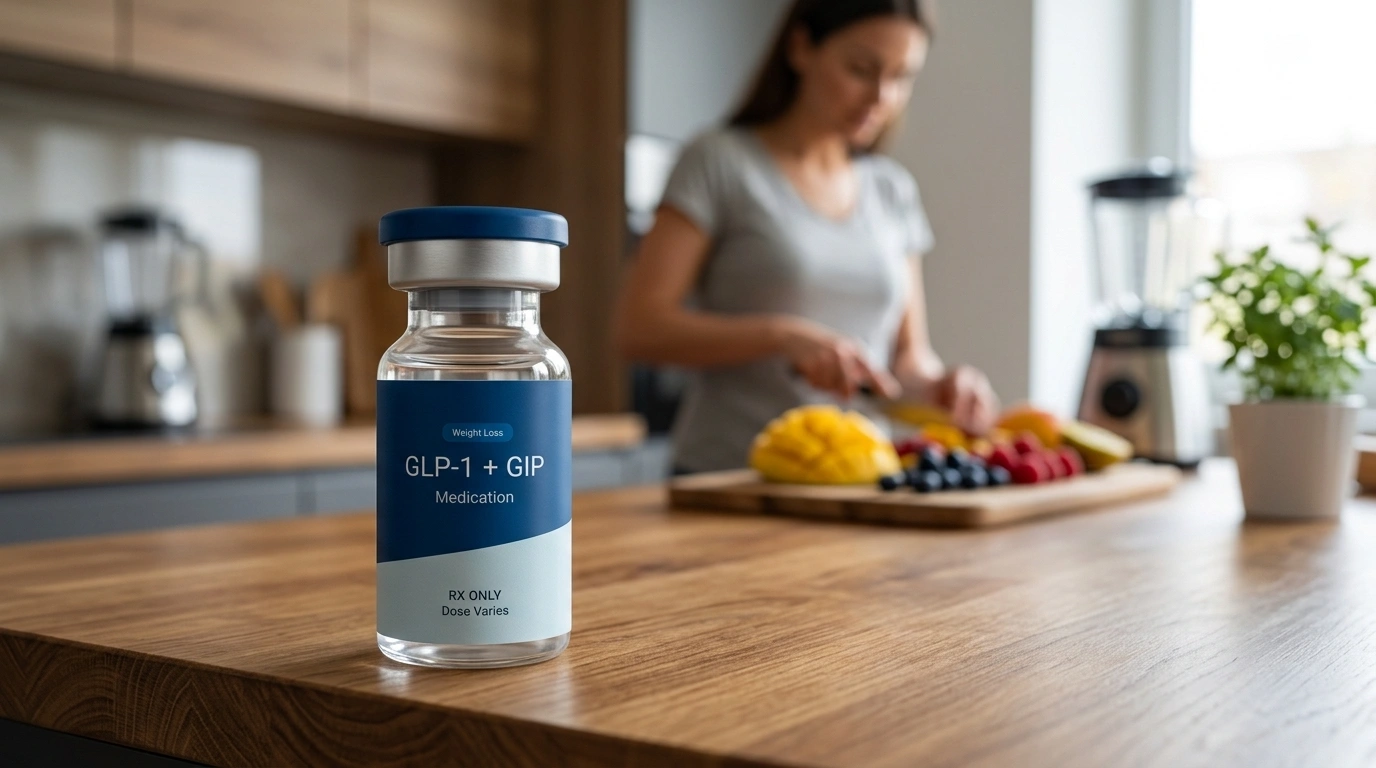
To understand why you might need a laxative, you first need to understand why Zepbound causes constipation. Zepbound is a dual-acting medication that mimics two hormones: glucagon-like peptide-1 (GLP-1) and glucose-dependent insulinotropic polypeptide (GIP). These hormones work together to regulate blood sugar and signal to your brain that you are full. If you are still exploring whether a GLP-1 treatment path is right for you, the free assessment quiz is a simple next step.
One of the primary ways this medication supports weight loss is by slowing down gastric emptying. Gastric emptying is the clinical term for the speed at which food leaves your stomach and enters your small intestine. When this process slows down, you feel satisfied for a longer period after eating. However, this delay often extends throughout the entire gastrointestinal tract.
The Impact on Gut Motility
When the movement of waste through your intestines — known as motility — slows down, the colon has more time to absorb water from the stool. This results in stool that is harder, drier, and much more difficult to pass. This isn’t just a minor inconvenience; it is a direct biological result of how GLP-1 and GIP receptor agonists interact with your digestive muscles.
Research from clinical trials, such as the SURMOUNT-1 study, showed that a significant percentage of participants experienced constipation. While these symptoms are often mild to moderate, they tend to peak when you increase your dosage. For many, the body eventually adjusts, but the initial weeks can be a struggle for regularity. If constipation keeps becoming a problem, it may be worth taking the assessment quiz to talk through a more personalized plan.
Key Takeaway: Zepbound works by slowing your digestion to keep you full longer, but this side effect also slows down your bowel movements, leading to drier and harder stools.
Can You Take Laxatives on Zepbound?
For most people, taking a laxative while on Zepbound is safe and often recommended by healthcare providers to manage acute discomfort. However, laxatives are not a “one size fits all” solution. Because your digestion is already altered by the medication, certain types of laxatives may be more effective or safer than others.
It is important to remember that laxatives should be used as a temporary bridge while you adjust your lifestyle or medication dose. Over-reliance on certain stimulant laxatives can lead to “lazy bowel,” where your intestines become dependent on the laxative to function at all. If you are also looking for nutritional support while adjusting to treatment, the GLP-1 Daily Support supplement is designed for that kind of day-to-day support.
Recommended Over-the-Counter Options
If you are looking for relief, healthcare providers typically suggest starting with the gentlest options first. These treatments work in different ways to encourage your system to move.
- Osmotic Laxatives: These are often considered the first line of defense. Products containing polyethylene glycol (such as MiraLAX) work by drawing water into the colon. This hydrates the stool and makes it easier to pass without causing the cramping associated with harsher options.
- Stool Softeners: Medications containing docusate sodium (such as Colace) are designed to add moisture to the stool itself. They are less about forcing movement and more about making the process less painful.
- Magnesium Supplements: Many people find success with magnesium citrate or magnesium oxide. These minerals help relax the muscles in the gut and pull water into the intestines.
Laxatives to Use With Caution
Stimulant laxatives (such as Senna or Bisacodyl) work by irritating the lining of the gut to force contractions. While they are effective for quick relief, they can cause significant cramping. Because Zepbound already puts stress on the stomach, adding a stimulant can lead to intense abdominal pain or nausea. Use these only under the specific guidance of a professional and for very short periods.
If your digestion has been especially sluggish and you want to understand the broader pattern, our post on how to relieve constipation on GLP-1 medications can help you compare options.
Bottom line: While laxatives are generally safe to use with Zepbound, starting with gentle osmotic options like polyethylene glycol is usually the best first step to avoid unnecessary cramping.
Comparing Relief Options for Constipation
| Treatment Type | How It Works | Common Examples | Best Used For |
|---|---|---|---|
| Osmotic Laxative | Pulls water into the bowel to soften stool | Polyethylene glycol, Milk of Magnesia | Gentle, consistent relief |
| Stool Softener | Adds moisture and fats to the stool | Docusate sodium | Preventing straining and pain |
| Fiber Supplement | Adds bulk to the stool to move it along | Psyllium husk, Methylcellulose | Long-term maintenance |
| Stimulant Laxative | Triggers rhythmic muscle contractions | Senna, Bisacodyl | Occasional, acute blockage |
Natural Strategies for Digestive Health
Before reaching for a laxative, it is worth looking at your daily habits. Many people find that simple adjustments can resolve constipation without the need for additional medication. Because Zepbound reduces your hunger and thirst cues, you might be consuming much less than your body needs to stay regular.
The Critical Role of Hydration
Hydration is the single most important factor in preventing constipation on a weight loss program. When you are on a GLP-1 medication, you may lose the “thirst” signal along with the “hunger” signal. If you are dehydrated, your colon will pull every possible drop of moisture from your waste, leaving you with severe constipation.
Aim for at least 80 to 100 ounces of water a day. If you struggle with plain water, try adding electrolytes or drinking herbal tea. Staying hydrated ensures that osmotic laxatives have enough water to work with if you do end up needing them. For a deeper look at why hydration matters so much, read why drinking water is so important for weight loss.
Managing Fiber Intake
Fiber acts like a broom for your intestines, but it is a double-edged sword when taking Zepbound. If you increase your fiber intake too quickly without drinking enough water, the fiber can actually “bulk up” and sit in your slowed-down stomach, causing even worse bloating and gas.
- Start slow: Add fiber-rich foods like berries, leafy greens, or beans in small portions.
- Focus on soluble fiber: Soluble fiber (found in oats and apples) turns into a gel-like substance that moves more smoothly through a slowed digestive tract than rough, insoluble fiber.
- Consider a supplement: If you cannot get enough fiber through food, a gentle psyllium husk supplement can help, provided you drink a full glass of water with it.
The Power of Movement
Physical activity is a natural stimulant for your bowels. Even a 15-minute walk after a meal can help trigger the “gastrocolic reflex,” which tells your body it is time to move waste through the system. Regular movement is a core part of the programs we support at TrimRx, as it helps counteract the slowing effects of the medication on your metabolism and digestion. If you want support that complements your routine, the Weight Loss Boost supplement is built for that kind of momentum.
When to Consult a Healthcare Provider
While constipation is common, it should never be ignored if it becomes severe. There is a risk of more serious complications, such as a bowel obstruction or fecal impaction, if waste stays in the system too long. This is why having access to a dedicated team is essential.
You should contact a healthcare professional immediately if you experience:
- No bowel movement for more than four or five days despite using over-the-counter aids.
- Severe abdominal pain or cramping that does not go away.
- Nausea and vomiting that prevents you from keeping liquids down.
- A hard, swollen, or tender abdomen.
- Blood in your stool.
If you are experiencing persistent issues, your provider may suggest adjusting your dose. Sometimes, staying on a lower dose for an extra month gives your body the time it needs to adapt to the changes in gut motility. To learn more about constipation specifically tied to this medication, see why Zepbound can cause constipation.
Personalized Support Through TrimRx
Managing side effects is a personal process because every body reacts differently to tirzepatide. At TrimRx, we believe that you shouldn’t have to navigate these challenges alone. We connect you with licensed providers who can help tailor your treatment plan to your specific needs.
Our telehealth-first approach means you have 24/7 access to a team that understands the nuances of GLP-1 medications. Whether you need advice on the best laxative for your situation or a modification to your personalized program, our goal is to make your weight loss journey as smooth and sustainable as possible. If your plan calls for extra day-to-day nutritional support, the GLP-1 Daily Support supplement may be a helpful complement.
Common Myths About Zepbound and Constipation
Myth: If I am constipated, the medication is working better. Fact: Constipation is a side effect, not a sign of efficacy. You can achieve excellent weight loss results while maintaining regular bowel movements.
Myth: I should take a stimulant laxative every day to stay ahead of the problem. Fact: Daily use of stimulants can damage the nerves in your colon. Focus on hydration, fiber, and gentle osmotic supports instead.
Myth: I don’t need to drink water if I’m not thirsty. Fact: Zepbound suppresses thirst. You must drink water on a schedule to prevent the hard stools that cause constipation.
Next Steps for Success
If you are currently struggling with constipation on your weight loss journey, follow these steps to regain comfort:
Step 1: Increase your water intake immediately. Aim for a consistent flow of fluids throughout the day rather than drinking a large amount all at once.
Step 2: Evaluate your fiber. If you are eating very little, try adding a small serving of cooked vegetables or fruit. If you are already eating high fiber, ensure your water intake matches it.
Step 3: Try a gentle osmotic laxative. If you haven’t moved your bowels in two to three days, an over-the-counter option like MiraLAX can help draw moisture back into your system.
Step 4: Communicate with your team. If the problem persists, talk to your provider about dosage timing or lifestyle adjustments. If you want to explore a more personalized path, you can always take the free assessment quiz.
Conclusion
Navigating the side effects of medications like Zepbound requires patience and a proactive approach to gut health. While you can take laxatives to manage constipation, they are most effective when paired with high hydration and consistent movement. Our mission at TrimRx is to provide the science-backed, empathetic support you need to manage these hurdles effectively. By combining clinical expertise with a personalized program, we help you focus on the results that matter most: a healthier, more vibrant you.
Key Takeaway: Don’t let side effects derail your progress; most digestive issues on Zepbound are manageable with the right combination of hydration, gentle over-the-counter support, and professional guidance.
To see if a personalized weight loss program is right for you, consider taking our free assessment quiz to explore your options.
FAQ
Is it safe to take MiraLAX every day with Zepbound?
While many providers suggest MiraLAX because it is a gentle osmotic laxative, you should consult your healthcare professional before using it daily. Long-term use of any laxative should be monitored to ensure it isn’t masking a more significant issue or causing electrolyte imbalances.
How long does constipation last when starting Zepbound?
For many people, digestive side effects are most common during the first few weeks of treatment or after a dose increase. As your body becomes accustomed to the medication, gut motility often stabilizes, and symptoms typically improve. If you are still unsure whether your symptoms fit a typical pattern, the assessment quiz can help you take the next step.
Can I use natural laxatives like prune juice instead?
Yes, natural options like prune juice, warm water, or flaxseeds can be very effective for mild constipation. These are often preferred as a first step before moving to over-the-counter medications, provided they fit within your nutritional plan.
Does Zepbound cause permanent damage to the digestive system?
There is no evidence to suggest that Zepbound causes permanent damage when used as directed. However, severe untreated constipation can lead to complications, which is why it is vital to stay hydrated and keep your healthcare provider informed of any persistent symptoms. For more context on bowel changes while on GLP-1 medications, what’s normal with GLP-1 bowel changes is a useful read.
Disclaimer: This content is for informational purposes only and does not constitute medical advice. It is not intended to diagnose, treat, cure, or prevent any disease or condition. Individual results may vary. Always consult a qualified healthcare professional before starting any weight loss program or medication.

Transforming Lives, One Step at a Time
Keep reading

Why Is There a Bruise Where I Injected My Zepbound?
A bruise means a small blood vessel was disturbed under the skin and blood spread into the surrounding tissue. It is one of the…

My Zepbound Pen Won’t Click Past a Certain Dose
Start by checking which device you are holding, because the answer depends entirely on that. Zepbound has commonly been supplied in the United States…

Zepbound Alternatives: Your Options Compared
If Zepbound isn’t the right fit, the main alternative is semaglutide (sold as Wegovy), which produces slightly less weight loss but works similarly, along…


