Can I Take Hydrocodone With Ozempic?
Introduction
Managing chronic pain while navigating a weight loss journey can feel like a balancing act. If you are using Ozempic® (semaglutide) to manage your metabolic health and find yourself needing a prescription pain reliever like hydrocodone, it is natural to wonder how these two medications interact. While there is no major “red flag” that strictly prohibits using them together, the way they affect your body’s internal timing can change your experience with both treatments.
At TrimRx, we believe that understanding the science behind your medications is the first step toward a safer, more effective health journey. If you are exploring whether a medically supervised weight loss program may fit your health profile, you can complete a free eligibility assessment. This post will cover how semaglutide affects the absorption of oral medications, the potential for overlapping side effects like nausea and constipation, and what you should discuss with your healthcare provider. Our goal is to help you feel supported and informed as you coordinate your care across different areas of your health.
Understanding the Interaction
When considering if you can take hydrocodone with Ozempic®, the most important factor is not a direct chemical clash, but rather a mechanical change in how your body processes what you swallow. To understand this, we have to look at how each medication functions.
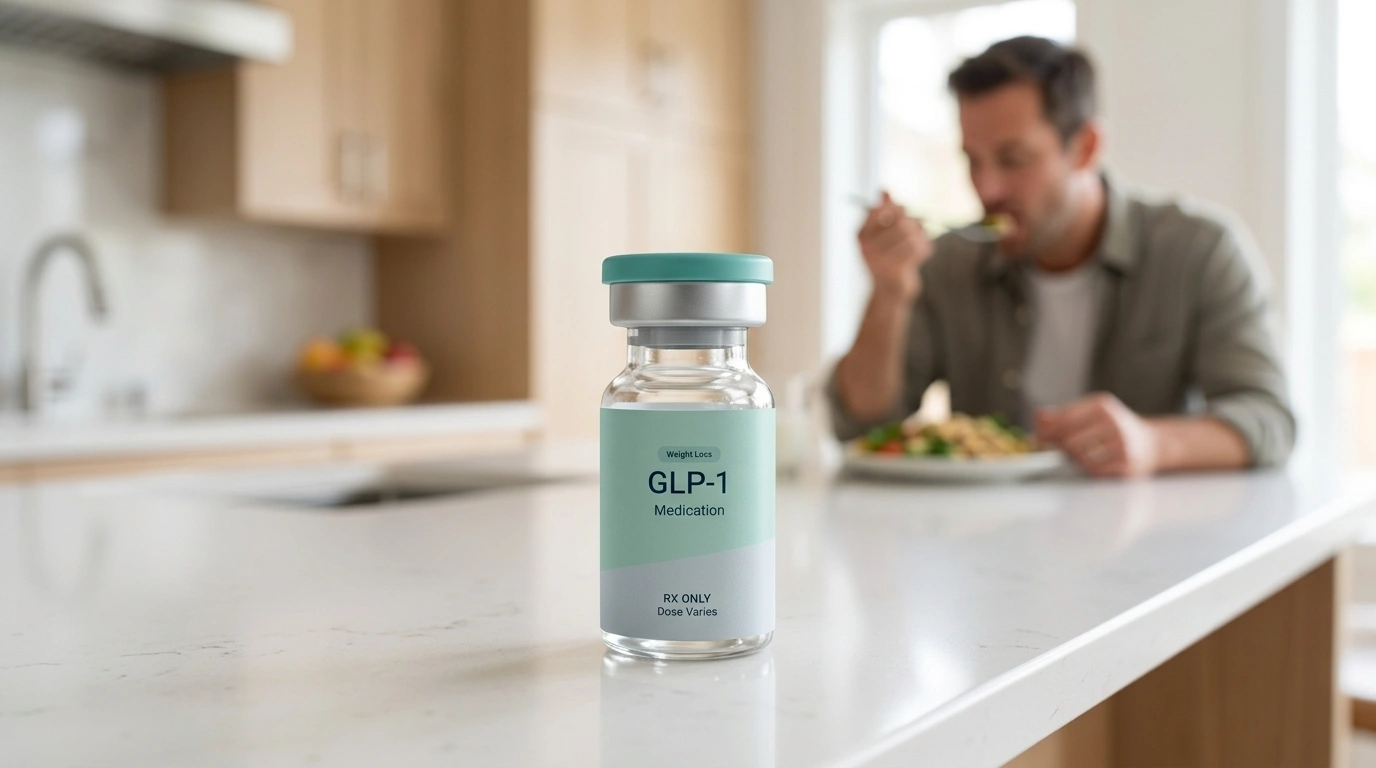
Semaglutide is a glucagon-like peptide-1 receptor agonist, often shortened to GLP-1. This medication mimics a natural hormone in your body that regulates blood sugar and appetite. One of the primary ways it helps people lose weight is by slowing down “gastric emptying.” This is the clinical term for how quickly your stomach moves its contents into your small intestine. By keeping food in your stomach longer, you feel full for a greater period, which helps reduce overall calorie intake.
Hydrocodone is an opioid agonist used to treat moderate to severe pain. It works by binding to specific receptors in the brain and spinal cord to change how your body perceives and responds to pain. Most hydrocodone is taken in oral tablet form, meaning it relies on the digestive system to be absorbed into the bloodstream.
Quick Answer: Yes, you can generally take hydrocodone while using Ozempic®, but the two medications may interact. The primary concern is that semaglutide slows down your digestion, which may delay how quickly the hydrocodone starts working. Additionally, both medications can cause constipation and nausea, which may become more intense when they are used at the same time.
For additional context on medication combinations, review this guide to semaglutide drug interactions.
The Impact on Medication Absorption
The most significant interaction between these two drugs involves the timing of pain relief. Because semaglutide slows the movement of food and medicine through the stomach, any pill you swallow may sit in the stomach longer than usual before reaching the small intestine, where most medication absorption happens.
For someone dealing with acute or chronic pain, a delay in medication onset can be frustrating. If you are used to hydrocodone taking 30 to 60 minutes to provide relief, you might find that while on a GLP-1 medication, it takes significantly longer.
Why Timing Matters
When medication absorption is delayed, there is a risk that a person might think the first dose didn’t work and take a second dose too soon. With opioid medications like hydrocodone, this can lead to accidental overmedication. It is vital to follow the dosing schedule provided by your doctor and recognize that the “lag time” is a result of your slowed digestion.
Oral vs. Injectable Medications
It is worth noting that Ozempic® is an injectable medication, so it does not rely on stomach absorption. However, its systemic effect on the gut affects everything else you eat or drink. If you are using an oral version of semaglutide, the timing becomes even more critical. Clinical guidance typically suggests taking oral semaglutide at least 30 minutes before any other oral medications to ensure proper absorption.
For more information about the absorption process, read this explanation of how oral semaglutide works.
Managing Shared Side Effects
Both GLP-1 medications and opioids are known for their effects on the gastrointestinal (GI) system. When used together, these side effects can compound, making the management of your weight loss program and your pain more challenging.
The Challenge of Constipation
Constipation is one of the most common side effects of hydrocodone. Opioids slow down the movement of the muscles in the digestive tract (peristalsis). Simultaneously, semaglutide is already slowing down the rate at which the stomach empties. The result can be a “double hit” to your digestive speed, leading to significant discomfort or even more serious issues like bowel obstructions if not managed properly.
Nausea and Vomiting
Nausea is a primary side effect for many people starting their weight loss journey with a GLP-1. Hydrocodone can also cause dizziness and upset stomach. If you are already feeling “queasy” from your weekly injection, adding a dose of hydrocodone might push that feeling into active vomiting.
For a broader overview, see this guide to common semaglutide side effects.
Key Takeaway: Because both medications slow the digestive process and can cause nausea, it is essential to focus on hydration and fiber intake. If you must take both, doing so under the guidance of a provider who understands your full medication list is the safest approach.
Side Effect Comparison Table
| Feature | Semaglutide (Ozempic®) | Hydrocodone | Potential Combined Impact |
|---|---|---|---|
| Primary Use | Blood sugar & weight management | Pain relief | Managed simultaneously |
| Digestion Speed | Slows (Gastric Emptying) | Slows (Gut Motility) | Significant slowing of digestion |
| Nausea Risk | High (especially during titration) | Moderate | Increased risk of upset stomach |
| Constipation Risk | Moderate | High | High risk of GI discomfort |
| Drowsiness | Low | High | Increased fatigue or “brain fog” |
Safety Considerations and Clinical Insights
While the mechanical interaction of slowed digestion is the main concern, there are other safety factors to keep in mind. We always recommend a “safety first” approach when combining any prescription medications.
Central Nervous System (CNS) Depression
Hydrocodone is a CNS depressant. While semaglutide does not typically cause drowsiness, many people report feeling increased fatigue when they first start a weight loss program or increase their dosage. Combining the natural “adjustment fatigue” of a GLP-1 with the sedative effects of an opioid can lead to decreased alertness. Avoid driving or operating heavy machinery until you know how the combination affects you.
For people focused on energy support during weight loss, Weight Loss Boost supplement may be an option to discuss with a healthcare professional.
Monitoring Blood Sugar
For those using Ozempic® specifically for type 2 diabetes, it is important to monitor blood sugar levels closely. While hydrocodone does not directly lower blood sugar, the stress of pain or the change in appetite caused by pain medication can make glucose management more unpredictable.
Communicating With Your Healthcare Team
If you are working with multiple doctors—for example, a primary care physician for weight management and a specialist for pain—ensure both are aware of your full medication list. This transparency allows them to adjust dosages or suggest alternative pain management strategies that may have fewer GI side effects, such as topical treatments or non-opioid medications.
If you are considering GLP-1 treatment, learn more about accessing GLP-1 medications through telehealth.
Bottom line: The primary risk of taking hydrocodone with semaglutide is the delayed absorption of the pain medication and the increased risk of severe constipation. Careful monitoring and open communication with your medical team are essential.
Emerging Research: GLP-1s and Opioid Use
Interestingly, the relationship between GLP-1 medications and opioids is currently a major area of scientific study. Recent research published in journals like Addiction has explored whether medications like Ozempic® might actually change how the brain responds to addictive substances, including opioids and alcohol.
The Brain’s Reward Pathway
The receptors that semaglutide targets are not just in the gut; they are also found in the areas of the brain responsible for reward and craving (the mesolimbic system). Because opioids also act on these reward pathways, researchers are investigating if GLP-1s can “dampen” the urge to use substances.
What the Data Suggests
A large-scale study of over 500,000 people with a history of opioid use disorder found that those who were also prescribed a GLP-1 medication had a 40% lower rate of opioid overdose compared to those who were not. While this research is still in its early stages and semaglutide is not currently approved for treating addiction, it highlights the profound way these medications interact with the body’s chemical signaling systems.
The Role of Personalized Care at TrimRx
Every weight loss journey is unique, especially when you are managing other health conditions or medications. At TrimRx, we recognize that you aren’t just a number or a generic health profile. Our platform is designed to provide the personalized support needed to navigate these complexities.
Through our telehealth-first model, you have 24/7 access to a team of specialists who can help you understand how your weight loss program fits into your broader health picture. We connect you with licensed providers who take the time to review your medical history and current medications before creating a treatment plan. This level of supervision is vital when you are taking medications like hydrocodone, as it ensures that your dosage and side effect management are tailored specifically to you.
To begin the evaluation process, take the free assessment quiz and provide information about your health history and goals.
Tips for Taking Both Medications Safely
If your doctor has confirmed that you can take hydrocodone while on your weight loss program, these practical steps can help you manage the combination more effectively:
- Be Patient with Pain Relief: Understand that it may take 90 minutes or more for your pain medication to kick in. Do not take extra doses if you don’t feel immediate relief.
- Prioritize Hydration: Both medications can lead to dehydration and constipation. Aim for at least 64 to 80 ounces of water daily.
- Fiber is Your Friend: To counter the digestive slowdown, ensure you are getting enough fiber through your diet or a gentle supplement.
- Track Your Symptoms: Keep a simple log of when you take your medications and any side effects you feel. This data is incredibly helpful for your healthcare provider.
- Use Supportive Supplements: Consider using products like GLP-1 Daily Support to help provide the nutrients your body needs while your appetite and digestion are changing.
For more ideas about the early adjustment period, read what to expect during your first week on semaglutide.
Myth: “Ozempic® makes hydrocodone stop working.” Fact: Semaglutide does not “neutralize” hydrocodone. It simply changes the speed at which it enters your system. The medication is still effective, but the timing of that effectiveness is altered.
Conclusion
Navigating the intersection of pain management and metabolic health requires a thoughtful, science-backed approach. While you can take hydrocodone with Ozempic®, the key is to remain vigilant about side effects and patient with the timing of your pain relief. By understanding that your body’s digestion is working at a different pace, you can avoid the common pitfalls of overmedication or severe GI discomfort.
Our mission at TrimRx is to help you embrace a healthier lifestyle through transparency, empathy, and personalized care. We believe that weight loss should be sustainable and integrated seamlessly into your life, even when dealing with the challenges of chronic pain. By combining clinical expertise with the convenience of telehealth, we ensure you have the tools and supervision necessary for a safe and successful transformation.
If you are ready to see if a personalized weight loss program is right for your health profile, your next step is simple.
Take our free assessment quiz today to explore our medically supervised programs and start your personalized journey toward better health.
FAQ
Will hydrocodone affect my weight loss progress on Ozempic®?
Hydrocodone itself is not known to cause weight gain, but it can cause side effects like lethargy or decreased physical activity, which might slow your progress. Additionally, some people experience “munchies” or changed eating habits when taking opioids, so it is important to stay mindful of your nutritional goals while managing pain.
How long should I wait between taking Ozempic® and hydrocodone?
Since Ozempic® is a weekly injection, there is no specific “hour-by-hour” window you need to worry about. However, if you are using an oral version of semaglutide, you should wait at least 30 minutes after your dose before taking hydrocodone or any other oral medication to ensure everything is absorbed properly.
Can I drink alcohol if I am taking both medications?
It is strongly recommended to avoid alcohol while taking hydrocodone and semaglutide. Alcohol is a CNS depressant that can dangerously increase the sedative effects of hydrocodone, leading to respiratory distress. Alcohol can also irritate the stomach and worsen the nausea often associated with GLP-1 medications.
What should I do if I experience severe constipation?
If you haven’t had a bowel movement for several days or experience severe abdominal pain, contact your healthcare provider immediately. Combining these medications can significantly slow the gut, and you may need a specific strategy—such as a stool softener or a change in your pain management plan—to resolve the issue safely.
Disclaimer: This content is for informational purposes only and does not constitute medical advice. It is not intended to diagnose, treat, cure, or prevent any disease or condition. Individual results may vary. Always consult a qualified healthcare professional before starting any weight loss program or medication.

Transforming Lives, One Step at a Time
Keep reading

Your Pet’s Insulin and Your Ozempic in the Same Fridge
Diabetes is not only a human condition. Plenty of cats and dogs need daily insulin, and their owners become experts at injections. If you…
Taking Ozempic With COPD
Many people with COPD also have type 2 diabetes, and Ozempic or another GLP-1 is a common part of treatment. For some, losing weight…
Ozempic After a Stroke: What to Ask During Recovery
Many people who have a stroke also live with type 2 diabetes, and many of them take Ozempic or another GLP-1. In the weeks…


