How to Take 1.5 mg Ozempic: A Simple Dosing Guide
Introduction
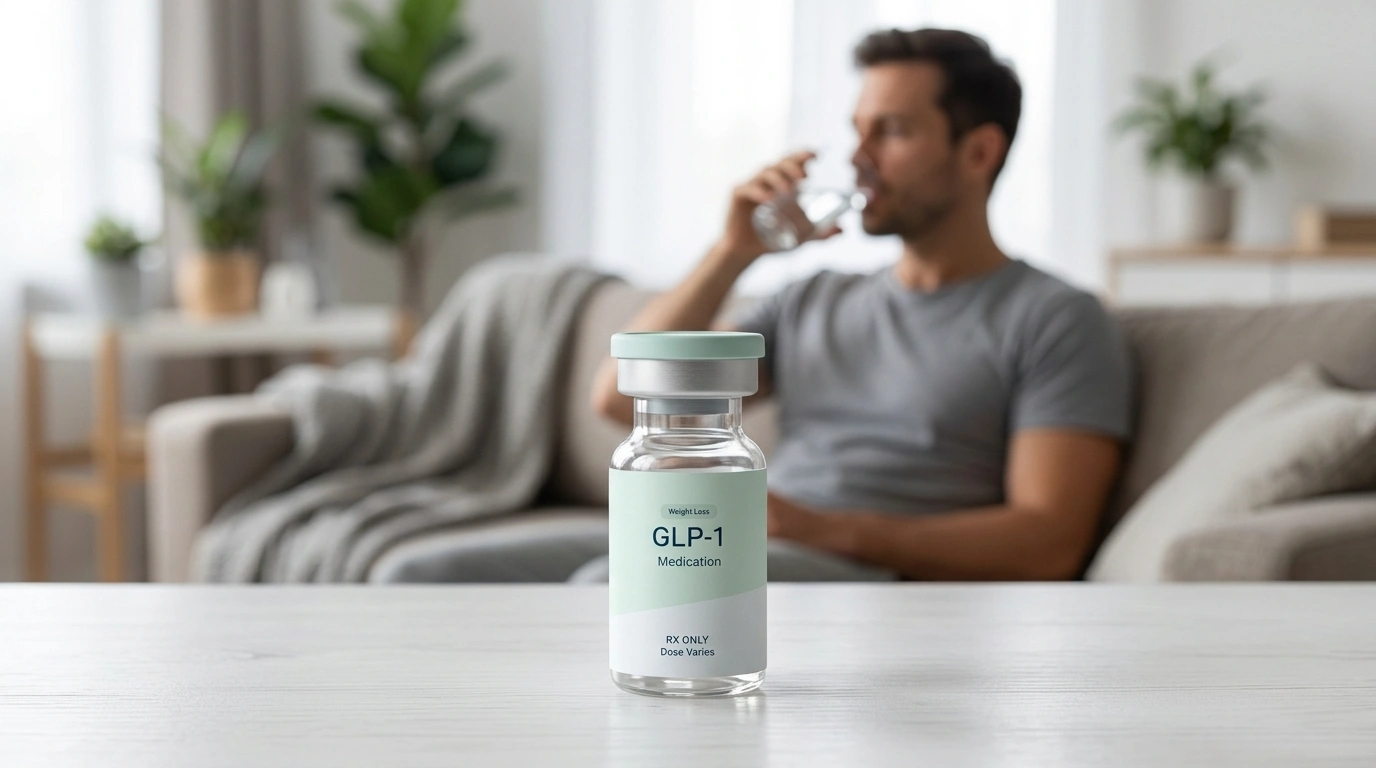
Starting a new medication routine often brings up a mix of excitement and uncertainty, especially when you are navigating the specifics of a 1.5 mg dose. Whether you are just beginning your journey or your provider has recently adjusted your protocol, knowing exactly how to take your medication is the foundation of a successful experience. At TrimRx, we focus on making these steps clear and manageable so you can focus on your health goals rather than the complexity of the instructions. This guide will walk you through the essential steps for taking 1.5 mg of Ozempic®, whether you are using the oral tablet or an injectable format prescribed by your healthcare provider. Understanding the timing, administration, and common side effects of this Glucagon-like peptide-1 (GLP-1) receptor agonist will help you feel confident in your daily routine.
If you are considering prescription GLP-1 treatment, you can complete a free eligibility assessment to determine whether a personalized program may be appropriate for you.
Quick Answer: To take 1.5 mg of Ozempic® in pill form, swallow one tablet whole with no more than 4 ounces of plain water immediately upon waking. You must wait at least 30 minutes before eating, drinking anything else, or taking other medications to ensure the active ingredient is properly absorbed by your body.
How to Take the 1.5 mg Ozempic Pill
The 1.5 mg dose of Ozempic® is frequently used as a starting point for those using the oral tablet version of semaglutide. Semaglutide is the active ingredient in Ozempic® that mimics a natural hormone in your body to help manage hunger and blood sugar levels. Because the stomach is a harsh environment for medications, the “how” and “when” are critical for the pill to work correctly.
For additional context about semaglutide and other GLP-1 treatment options, review this guide to choosing between GLP-1 medications.
The Morning Routine
Take your tablet first thing in the morning. For the medication to be absorbed effectively, your stomach must be completely empty. This means the 1.5 mg dose should be the very first thing you swallow after waking up. Do not wait until after your morning coffee or after you have brushed your teeth if you tend to swallow water during that process.
Use only plain water. You should swallow the tablet whole with a small amount of plain water—specifically, 4 ounces or less. Using more water can actually dilute the medication and interfere with how the stomach lining absorbs the semaglutide. Avoid using juice, coffee, tea, or sparkling water, as these can change the pH balance of your stomach and prevent the drug from working.
The 30-Minute Waiting Period
Wait at least 30 minutes before eating or drinking. This is the “golden rule” of oral GLP-1 medications. After swallowing your 1.5 mg tablet, you must wait a minimum of 30 minutes before you have your first meal, drink anything else, or take any other oral medications.
If you eat too soon, the food will interfere with the absorption process. If you take other medications at the same time, the semaglutide may prevent them from being absorbed, or vice versa. Many people find it helpful to set a timer on their phone immediately after taking their pill to ensure they don’t eat too early.
Handling the Tablet
Do not crush or chew the medication. The 1.5 mg tablet is designed to be swallowed whole. It has a special coating and structure that allows the medication to be released specifically within the stomach. If you break, crush, or chew the tablet, you destroy this mechanism, and the medication likely will not work at all.
Key Takeaway: The oral 1.5 mg dose requires a strict “empty stomach” protocol. Success depends on taking it with minimal plain water and waiting exactly 30 minutes before consuming anything else.
Taking 1.5 mg of Ozempic via Injection
While the 1.5 mg dose is a standard starting strength for the oral tablet, it is considered a non-standard dose for the Ozempic® injection pen. Standard injectable doses are typically 0.25 mg, 0.5 mg, 1.0 mg, and 2.0 mg. However, some healthcare providers may prescribe a 1.5 mg dose as a “bridge” between the 1 mg and 2 mg strengths to help your body adjust.
For a broader explanation of how online GLP-1 prescriptions and provider reviews work, read how online GLP-1 prescriptions work from consultation to delivery.
Following Your Provider’s Specific Instructions
If you have been prescribed a 1.5 mg injectable dose, you must follow the specific instructions provided by your licensed healthcare professional. They may instruct you to use a 1 mg pen and a 0.5 mg pen separately, or they may provide a “click counting” schedule if you are using a 2 mg pen.
Never guess your dose. Attempting to estimate a 1.5 mg dose on a pen that is not labeled for it can lead to underdosing or overdosing. Underdosing may result in poor blood sugar control or stalled weight loss progress, while overdosing can lead to severe gastrointestinal distress.
If you are unsure whether prescription GLP-1 treatment is appropriate for you, see if you qualify for a personalized program before discussing medication options with a provider.
General Injection Steps
If your provider has instructed you on how to reach a 1.5 mg dose using the pen, the administration steps remain the same:
- Prepare the pen: Check the liquid to ensure it is clear and colorless. Attach a new, sterile needle for every injection.
- Check the flow: If it is a new pen, perform a flow check to ensure the medication is moving through the needle correctly.
- Select the dose: Turn the dose selector to the prescribed mark (or the number of clicks your provider directed).
- Inject correctly: Insert the needle into the skin of your abdomen, thigh, or upper arm. Press and hold the button until the counter returns to zero, then count to six before removing the needle.
- Rotate sites: Never inject into the exact same spot two weeks in a row. Rotating sites helps prevent skin thickening or lumps.
Note: If you are unsure how to dial a 1.5 mg dose on your specific pen, contact your pharmacist or healthcare provider before administering the medication.
Why the 1.5 mg Dose is Used
The 1.5 mg dose serves a specific purpose in the “titration” process. Titration is the clinical term for slowly increasing a medication dose over time. Because GLP-1 medications significantly affect the digestive system, starting at the highest dose would likely cause severe nausea and vomiting.
For more information about dose adjustments and common reactions, see this overview of common GLP-1 side effects and what to expect.
The Initiation Phase
In the oral tablet format, 1.5 mg is the initiation dose. This strength is generally taken for the first 30 days of treatment. It is important to understand that for many people, the 1.5 mg dose is not meant to be the final “therapeutic” dose. Instead, its primary job is to introduce the semaglutide to your system and “prime” your receptors.
During this first month, your body learns to handle the way the medication slows down stomach emptying. Once you have successfully completed 30 days at 1.5 mg, your provider will usually move you up to the 4 mg or 9 mg tablet to achieve better results for blood sugar management or weight loss.
Balancing Efficacy and Comfort
The 1.5 mg dose is a balance. It is high enough to begin the metabolic changes needed but low enough to keep side effects manageable for most people. By sticking to this dose for the full 30 days as prescribed, you reduce the risk of having to stop the medication entirely due to discomfort.
Myth: “If I don’t feel side effects at 1.5 mg, the medication isn’t working.” Fact: Lack of side effects does not mean the drug is inactive. The 1.5 mg dose is designed to be gentle so your body can adapt quietly before you move to higher strengths.
Managing Common Side Effects at 1.5 mg
Even at a starting dose like 1.5 mg, your body may experience some changes as it adjusts to the GLP-1 hormone. Most side effects are gastrointestinal in nature and tend to be mild to moderate during the first few weeks.
A detailed resource on compounded semaglutide side effects and when to call a doctor can help you recognize common symptoms and warning signs.
Dealing with Nausea
Nausea is the most frequently reported side effect. Because semaglutide slows down how fast food leaves your stomach, you may feel “too full” or slightly queasy. To manage this:
- Eat smaller meals: Try breaking your food intake into five small snacks rather than three large meals.
- Choose bland foods: Stick to the “BRAT” diet (bananas, rice, applesauce, toast) if you feel particularly sensitive.
- Avoid grease: Fried, fatty, or very spicy foods can stay in the stomach longer and worsen nausea.
Hydration and Constipation
Some users experience constipation as their digestion slows down. It is vital to stay hydrated throughout the day, but remember the “water rule” only applies to the moment you take your pill. After your 30-minute waiting period is over, you should aim to drink plenty of water for the rest of the day.
If reduced appetite makes it harder to meet your nutritional needs, GLP-1 Daily Support may be an option to discuss with your healthcare professional.
When to Contact a Provider
While mild stomach upset is normal, you should contact a healthcare professional if you experience:
- Severe, persistent abdominal pain that radiates to your back.
- Continuous vomiting that prevents you from keeping fluids down.
- Signs of a serious allergic reaction, such as swelling of the face or difficulty breathing.
At TrimRx, our clinical partners emphasize the importance of monitoring your body’s signals. Our platform provides access to specialists who can help you determine if your symptoms are a normal part of the adjustment period or if your plan needs to be modified.
Maximizing Your Results at 1.5 mg
Taking the medication correctly is the first step, but how you live while taking it will determine your long-term success. The 1.5 mg dose works best when it is part of a larger lifestyle shift.
Dietary Adjustments
Since your appetite will likely decrease, focus on nutrient density. Every calorie should serve a purpose. Prioritize lean proteins like chicken, fish, or tofu to help maintain muscle mass as you lose weight. Fibrous vegetables are also important, though some people find that raw vegetables are harder to digest when they first start the 1.5 mg dose. Steaming your greens can make them easier on your system.
The Role of Physical Activity
You do not need to start an intense gym routine on day one. However, walking for 20 to 30 minutes a day can help stimulate digestion and improve your metabolic health. Movement also helps manage some of the fatigue that some people feel when they first start a GLP-1 program.
For readers comparing medication and lifestyle strategies, this GLP-1 weight loss and treatment overview offers additional context.
Tracking Your Progress
Keep a simple log of when you take your dose, what you eat, and how you feel. This data is incredibly valuable when you have your follow-up consultation with your healthcare provider. It helps them decide if you are ready to move from 1.5 mg to a higher dose or if you should stay at the current strength for another month.
How TrimRx Supports Your Journey
Navigating the world of GLP-1 medications can be confusing, but you don’t have to do it alone. We offer a telehealth-first approach that removes the barriers to high-quality care. Through our platform, you can access personalized weight loss programs that are tailored to your medical history and health goals.
Personalized Clinical Care
Our process begins with a free assessment quiz. This helps licensed providers determine if a GLP-1 medication like semaglutide is right for you. If you are eligible, we connect you with a team that supervises your journey from start to finish. This includes regular check-ins to see how you are handling your 1.5 mg dose and adjustments to your plan as your needs change.
Access to Compounded Options
In addition to helping you access branded medications through your local pharmacy, we work with FDA-registered and inspected compounding pharmacies. These pharmacies can prepare Compounded Semaglutide or Compounded Tirzepatide, which may be an option for patients when branded medications are in short supply or when a specific custom dose is required. It is important to note that while these pharmacies are highly regulated, compounded medications themselves are not FDA-approved.
For more background, read this explanation of what a compounding pharmacy is and how it works.
Comprehensive Support
Our program is designed to be “all-inclusive.” This means your doctor consultations, any necessary lab work, and unlimited support from our specialist team are all part of the experience. We also offer specialized supplements like GLP-1 Daily Support, which is designed to help manage common side effects and provide the nutrients your body needs during weight loss.
Bottom line: Whether you are on 1.5 mg of Ozempic® or a compounded alternative, having a dedicated support team makes the transition smoother and more effective.
Common Mistakes to Avoid
To ensure your 1.5 mg dose is as effective as possible, be mindful of these frequent errors:
- The “One Sip” Mistake: Some people try to take their pill with just a tiny sip of water. You need the full 4 ounces (about half a cup) to help the tablet move into the right spot in your stomach.
- The “Multi-Tasking” Mistake: Taking your Ozempic® pill at the same time as your multivitamin or blood pressure medication. Remember, it needs 30 minutes of “alone time” in your stomach.
- The “Sleeping In” Mistake: If you wake up late and eat immediately, you might be tempted to just take the pill with your meal. This will likely make the dose ineffective. If you miss your morning window, it is usually better to skip the dose and resume the next day rather than taking it with food.
Transitioning After the 1.5 mg Dose
The 1.5 mg dose is usually just the beginning. Most clinical protocols involve moving to a higher dose after four weeks.
Step 1: Evaluation. Near the end of your first 30 days, you will check in with your provider. You will discuss your weight loss progress and any side effects you experienced. Step 2: Prescription Update. If you handled the 1.5 mg dose well, your provider will issue a new prescription for the next strength (usually 4 mg for oral tablets). Step 3: Continuous Monitoring. As you move to higher doses, the same rules apply: empty stomach, plain water, and 30-minute wait.
Sustainable Weight Management
Our mission at TrimRx is to help you achieve more than just a lower number on the scale. We aim for sustainable health. By starting correctly at the 1.5 mg dose, you are building the habits—consistency, patience, and body awareness—that will serve you for years to come. Our platform is here to provide the clinical expertise and modern technology you need to make that vision a reality.
Summary of the 1.5 mg Protocol
To wrap up, taking 1.5 mg of Ozempic® effectively requires attention to detail.
- For the Pill: Take it immediately upon waking with 4 oz of plain water. Wait 30 minutes before eating or drinking anything else.
- For the Injection: Only take 1.5 mg if specifically directed by a doctor, as this is a custom dose. Follow the “Prep, Check, Select, Inject” method.
- For Side Effects: Focus on small, bland meals and high hydration (after the morning waiting period).
- For Long-Term Success: Use the 30-day initiation period to refine your diet and activity levels.
By following these guidelines and working closely with a healthcare team, you can make the most of your treatment and take a significant step toward your health goals.
FAQ
Can I take the 1.5 mg Ozempic pill at night instead of the morning?
Taking the pill at night is generally not recommended because your stomach must be completely empty for the medication to be absorbed. For most people, the longest period of fasting occurs during sleep, making the morning the only reliable time to ensure an empty stomach. If you take it at night, even several hours after dinner, food may still be present in your stomach, which could prevent the medication from working.
What happens if I accidentally drink coffee right after taking my 1.5 mg dose?
If you drink coffee or any liquid other than plain water within the 30-minute window, the medication may not be absorbed correctly. Coffee is acidic and can interfere with the way the tablet breaks down in your stomach. If this happens once, do not take a second pill; simply wait until the next morning to resume your correct routine and try to be more mindful of the waiting period.
Is 1.5 mg a high enough dose to see weight loss?
For many people, 1.5 mg is an “initiation dose” meant to help the body adjust, rather than a primary dose for significant weight loss. While some individuals may notice a decrease in appetite or minor weight changes during the first month, the most significant results typically occur once the dose is increased to therapeutic levels, such as 4 mg or 9 mg for the pill. It is important to stay patient during this first phase of treatment.
Can I split a 3 mg tablet in half to get a 1.5 mg dose?
No, you should never split, crush, or chew an Ozempic® tablet. The pills are engineered with a specific structure that controls how the medicine is released in the stomach. Breaking the tablet destroys this system, which can lead to the medication being destroyed by stomach acid before it can be absorbed. Always use the specific 1.5 mg tablet prescribed by your healthcare provider.
If you are considering a supervised GLP-1 treatment plan, complete the free assessment so a licensed provider can review your information.
Disclaimer: This content is for informational purposes only and does not constitute medical advice. It is not intended to diagnose, treat, cure, or prevent any disease or condition. Individual results may vary. Always consult a qualified healthcare professional before starting any weight loss program or medication.

Transforming Lives, One Step at a Time
Keep reading
Learning to Eat Slowly on Ozempic
Many people have eaten quickly their whole lives: rushed lunches, meals in front of a screen, finishing the plate before the rest of the…

Eating Fruit on Ozempic
When your appetite drops on Ozempic or another GLP-1, fruit is often one of the few foods that still sounds appealing. It is cold,…

Salads and Raw Vegetables on Ozempic
A big salad has long been a go-to healthy meal. Raw vegetables bring fiber, vitamins, and crunch, and they seem like an obvious choice…


